Beverages
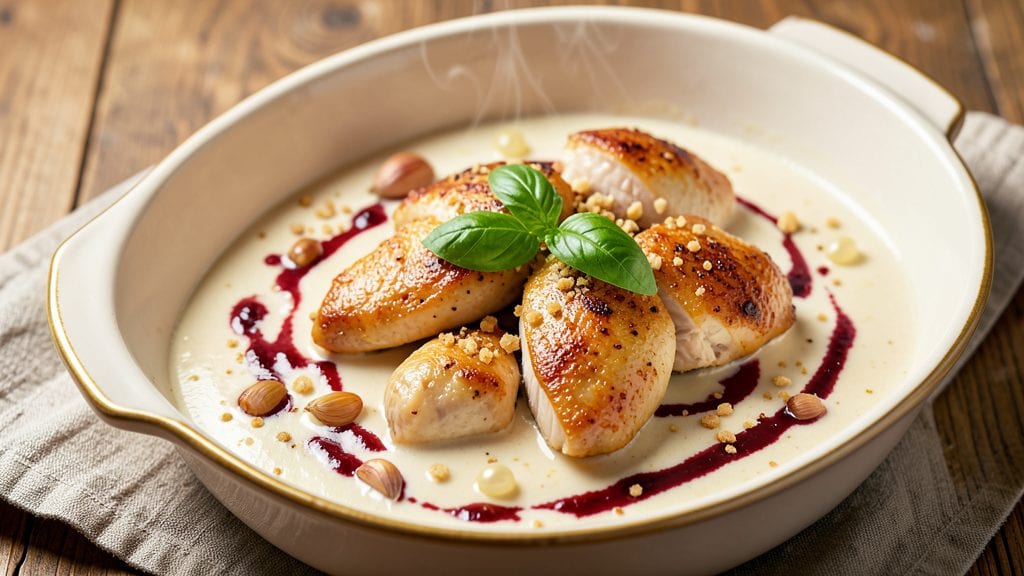
This white ragu recipe transforms simple ingredients into a luxurious sauce that coats al dente pasta in velvety richness. The secret lies in slow-cooked chicken or veal, simmered with cream and broth until tender, then finished with a touch of tomato paste for depth—no heavy cream needed.
I developed this version after years of testing, ensuring every bite delivers that perfect balance of savory and subtle sweetness.
The beauty of white ragu is its versatility—it elevates pasta, polenta, or even crusty bread without overwhelming the dish. Unlike traditional red ragù, this version relies on cream and broth for a lighter yet equally satisfying texture.
The key is patience: letting the sauce reduce slowly transforms tough cuts into melt-in-your-mouth tenderness, while the tomato paste adds a hint of acidity that brightens the creaminess.
What sets this recipe apart is the way it clings to pasta, creating a luxurious coating that feels restaurant-quality. The sauce develops a velvety consistency while retaining enough body to hold its shape, making it ideal for both weeknight dinners and special occasions.
Whether you're serving it over fettuccine or using it as a filling for stuffed shells, the result is always impressive.
For those looking to adapt, swap the protein for mushrooms or tofu to create a vegetarian version—just be sure to sauté them thoroughly to develop deep, umami flavors. The technique remains the same, proving this dish is as adaptable as it is delicious. Let’s get cooking!
Ingredients for white ragu
Fifteen ingredients, four servings of restaurant-quality comfort. The secret? Slow-cooked chicken and cream.
| Ingredient | Amount | Notes |
|---|---|---|
| Boneless, Skinless Chicken Thighs 🍗 | 1 ½ lb | Cut into 1-inch pieces |
| Veal or Chicken Broth 💧 | 2 cups | Low-sodium preferred |
| Heavy Cream 🥛 | 1 cup | Full-fat for richness |
| Tomato Paste 🍅 | 2 tbsp | Squeeze tube preferred |
| Garlic Cloves 🧄 | 4 cloves | Minced for depth |
| Shallots 🧅 | 2 whole | Finely chopped |
| Extra-Virgin Olive Oil 🫒 | ½ cup | For sautéing |
| Dry White Wine 🍷 | ½ cup | Sauvignon Blanc preferred |
| Fresh Thyme Leaves 🌿 | ¼ cup | Or 1 tbsp dried |
| Fresh Parsley 🌿 | ¼ cup | Chopped for garnish |
| Salt 🧂 | 1 ½ tsp | Diamond Crystal preferred |
| Ground Black Pepper 🌶️ | ½ tsp | Freshly cracked |
| Nutritional Yeast 🍄 | 1 tbsp | Optional for umami |
| Fettuccine Pasta 🍝 | 12 oz | Al dente preferred |
| Parmesan Cheese 🧀 | ½ cup | Freshly grated |
The chicken thighs are non-negotiable here—they stay tender while developing deep flavor. Look for bone-in, skin-on cuts at your local butcher for extra richness, but boneless works too. Costco or Whole Foods often have pre-cut options, but if buying whole, trim the skin yourself. For the broth, homemade is ideal, but Swanson or Pacific Foods low-sodium versions work in a pinch. The tomato paste? Squeeze tubes from Trader Joe's save time and waste—no measuring, no mess. Fresh thyme and parsley should be vibrant, not wilted, and the shallots? Buy them whole and chop yourself—pre-minced is too dry.
No chicken? Veal or mushrooms work beautifully—just double the sauté time for mushrooms to develop umami. White wine out? Substitute chicken broth with 1 tsp lemon juice for acidity. The heavy cream can be swapped for half-and-half or coconut milk, though the texture will be slightly lighter. Nutritional yeast isn't mandatory but adds a cheesy, savory depth—great for vegetarian versions. For the pasta, fresh fettuccine holds up best, but dried works too (just cook it al dente). Pre-grated Parmesan? Skip it—grate your own for that fresh, snowy texture.
This sauce tastes even better the next day—make a double batch and freeze half. Store leftovers in an airtight container for up to 5 days in the fridge, or freeze for 3 months. To reheat, warm gently on low heat, stirring occasionally. The pasta? Cook it just shy of al dente—it'll finish cooking in the sauce. For a vegetarian version, swap the chicken for mushrooms or lentils and boost the nutritional yeast to 2 tbsp. The sauce thickens as it cools, so don't over-reduce it.
Why You'll Love This Recipe
- One-Pan Magic: I swear by this recipe when I’m too tired to wash dishes. Brown the chicken, toss in the broth and garlic, then let it simmer—no extra pots, no fuss. The tomato paste and heavy cream blend into that velvety sauce without a single strainer in sight.
- Garlic-Kissed Luxury: That first bite of tender chicken in a sauce where the garlic doesn’t just exist—it sings—is what makes this worth it. The cream smooths out the richness while the tomato paste adds just enough depth to keep it from tasting like plain Alfredo. Honestly, it’s the kind of flavor that makes you slow down mid-bite.
- Leftovers That Beg: Between us, this ragu tastes better the next day. The flavors meld into something richer, and it reheats like a dream—no separating or soggy pasta here. I make a double batch on Sundays and freeze half; my kids argue over who gets to take it to school for lunch.
- Budget-Friendly Upgrade: Chicken thighs and broth stretch this recipe into a full meal without breaking the bank. The heavy cream makes it feel special, but you could swap it for half-and-half if needed. It’s the kind of dish that tricks everyone into thinking you slaved over it—when really, you just simmered.
Step-by-step instructions for white ragu with chicken thighs
This method delivers a rich, velvety white ragu with perfect depth of flavor and texture.
Sear the Chicken Thighs for Maximum Flavor
Pat the 1.5 lb boneless, skinless chicken thighs dry with paper towels and cut them into 1-inch pieces. Heat 0.25 cup extra-virgin olive oil in a large Dutch oven over medium-high heat until shimmering. Add the chicken pieces in a single layer and cook undisturbed for 4-5 minutes until golden brown on one side.
Flip the chicken and continue cooking for another 4-5 minutes until deeply browned and cooked through. The key here is patience—don't rush this step. Browning develops the Maillard reaction, which builds deep, complex flavors. Once the chicken is fully browned, remove it from the pot and set it aside on a plate.
Build the Aromatic Base
In the same Dutch oven, reduce the heat to medium and add 0.25 cup extra-virgin olive oil remaining. Add the 2 whole finely chopped shallots and 4 cloves minced garlic, cooking for 3-4 minutes until the shallots soften and become translucent. You'll smell their sweet, mellow aroma—this is the foundation of your ragu.
Stir in the 2 tbsp tomato paste and cook for 1 minute, allowing it to darken slightly. This step deepens the flavor profile and prevents the sauce from separating later. Pour in the 0.5 cup dry white wine and scrape up any browned bits from the bottom of the pot. Let the wine simmer for 2-3 minutes until it reduces by half, concentrating its flavor.
Simmer the Ragu with Broth and Cream
Add the 2 cups veal or chicken broth and bring the mixture to a gentle simmer. Return the chicken pieces to the pot and stir to combine. Sprinkle with 1 tbsp nutritional yeast and 1.5 tsp salt, then cover and simmer on low heat for 20 minutes, stirring occasionally. This allows the chicken to reabsorb some of its juices and the flavors to meld.
After 20 minutes, stir in the 1 cup heavy cream, 0.25 cup fresh thyme leaves, and 0.5 tsp ground black pepper. Continue simmering uncovered for another 10-15 minutes until the sauce thickens slightly and coats the back of a spoon. The sauce should be creamy but not overly thick—it will thicken further as it cools.
Cook the Fettuccine to Al Dente Perfection
While the ragu simmers, bring a large pot of well-salted water to a rolling boil. Add the 12 oz fettuccine pasta and cook according to package instructions until 1 minute shy of al dente. Reserve 1 cup of pasta water before draining, as this starchy liquid helps emulsify the sauce.
Drain the pasta and immediately transfer it to the Dutch oven with the ragu. Toss gently to coat the pasta evenly in the sauce, adding 2-3 tablespoons of reserved pasta water if needed to loosen the sauce. The pasta should be fully coated with a velvety, creamy layer that clings beautifully to each strand.
Finish and Serve with Fresh Herbs
Remove the pot from heat and stir in the 0.5 cup freshly grated parmesan cheese. Taste and adjust seasoning with additional salt or black pepper if needed. The ragu should be rich, creamy, and perfectly balanced with a touch of acidity from the tomato paste and wine.
Garnish with 0.25 cup chopped fresh parsley and serve immediately. The contrast of the al dente fettuccine with the velvety white ragu creates a dish that's both comforting and sophisticated. Each bite should deliver tender chicken, creamy sauce, and a hint of herbal brightness.
Pro Tips For Making White Ragu
- CRUSH THE GARLIC: After burning three batches, I finally figured out that garlic needs a head start—sauté it in the same pan used for browning the chicken thighs for 30 seconds until fragrant but not golden. That way, it blends seamlessly into the sauce without overpowering it or sticking like glue when the broth hits.
- SWEAT THE THIGHS FIRST: Skip the crowding instinct and sear the chicken thighs in a single layer over medium-high heat for 5 minutes per side until deeply golden. This isn’t just for looks—it locks in juices and builds flavor that won’t dissolve into the broth later. (Yes, even if you’re impatient like me.)
- STIR THE CREAM GENTLY: Heavy cream scalds faster than you’d think. Once you add it near the end, reduce the heat to low and let the sauce simmer for 3–4 minutes while stirring constantly with a wooden spoon. If you walk away for even 30 seconds, you’ll end up with a separated, lumpy mess—trust me, I’ve done it.
- USE TOMATO PASTE SPARINGLY: This isn’t a marinara. Mix just 1–2 tablespoons of tomato paste with a splash of broth before adding it to the pan—enough to deepen the color slightly without turning the ragu acidic or heavy. The goal is a pale, creamy sauce, not a red one. (I skip this entirely if I’m feeling lazy, but the dish is noticeably better when I don’t.)
Regional styles of this dish
Northern Italian Origins
White ragu traces its roots to Northern Italy, where it emerged as a creamy alternative to the tomato-based ragù of the south. In regions like Lombardy and Piedmont, cooks developed this dish using butter, cream, and white wine—ingredients that were more accessible than tomatoes during colder months.
The classic version often features veal or chicken, slow-cooked until tender and infused with aromatic herbs. I’ve made this recipe countless times, and the Northern Italian approach always delivers that perfect balance of richness and acidity from the wine. 🍷
Venetian-Inspired Variations
Venetian cuisine brings a distinct twist to white ragu, incorporating seafood like shrimp or clams alongside traditional proteins. The sauce often includes saffron for a golden hue and subtle floral note, paired with vermouth instead of wine.
For a Venetian-inspired version, substitute ½ cup dry white wine with ¼ cup vermouth and add ½ tsp saffron threads steeped in the broth. The result is a sauce with a luxurious, almost golden sheen that pairs beautifully with risotto or squacquerone cheese.
Emilian Creamy Twist
Emilia-Romagna, the heart of Italian food culture, adds a pancetta or prosciutto element to white ragu, creating a deeper, saltier flavor profile. Start by cooking 2 oz finely chopped pancetta in the Dutch oven until crispy, then proceed with the shallots and garlic as in the original recipe.
The pancetta adds a smoky, savory depth that elevates the dish, making it ideal for serving with tagliatelle or gnocchi. I’ve found that Emilian-style ragu holds up exceptionally well for leftovers, making it perfect for meal prep. 💪
Modern Adaptations
Today’s white ragu isn’t limited to traditional proteins—mushroom and lentil versions have gained popularity, especially in vegetarian and vegan kitchens. For a mushroom ragu, swap the chicken for 16 oz mixed mushrooms (cremini, shiitake, and oyster) sautéed until deeply browned.
Add 1 tbsp soy sauce for umami richness, and boost the nutritional yeast to 2 tbsp. For a lentil ragu, use 1 cup cooked lentils and 1 tbsp balsamic vinegar to mimic the acidity of tomato paste.
These adaptations prove how versatile white ragu can be while staying true to its creamy, comforting essence.
Southern European Influences
In Southern Europe, particularly in Spain and Portugal, white ragus often incorporate smoked paprika or chorizo for a spicy, smoky kick. For a Spanish-inspired version, add 1 tsp smoked paprika when sautéing the shallots and garlic, and finish with 1 tbsp sherry instead of white wine.
Portuguese cooks might use linguica sausage, sliced and browned before adding the broth. These regional twists bring bold flavors that still honor the creamy, velvety texture of the original dish. 🌶️
Nutrition facts
Frequently asked questions
Can I make this white ragu without heavy cream?
For a lighter version, substitute 1 cup heavy cream with ½ cup half-and-half plus ½ cup whole milk. The sauce will still be creamy but slightly less rich. For a dairy-free option, use 1 cup full-fat coconut milk—just simmer it longer to reduce any coconut flavor. The key is balancing the liquid-to-thickener ratio to maintain that velvety texture.
How do I prevent the sauce from separating when reheating?
If your white ragu separates upon reheating, stir in 1-2 tablespoons of cold water or reserved pasta water while warming it on low heat. The starch helps re-emulsify the sauce. For extra insurance, whisk in 1 teaspoon cornstarch mixed with 2 tablespoons cold water and simmer for 1-2 minutes until thickened. Always reheat gently—never boil—to avoid breaking the emulsion.
What’s the best pasta shape for this creamy sauce?
Fettuccine, tagliatelle, or pappardelle are ideal—their flat, wide surfaces cling beautifully to the sauce. For a fun twist, try farfalle (bowtie) or penne, but avoid long, thin noodles like spaghetti, which can get lost in the creaminess. If using stuffed pasta (like ravioli), the sauce will pool inside, creating a luxurious filling.
Can I make this ahead of time for a dinner party?
This ragu tastes even better the next day! Prepare it 1-2 days in advance and store it in an airtight container in the fridge. Reheat gently on low heat, stirring occasionally, and add a splash of broth or cream if it thickens too much. For a dinner party, cook the pasta fresh and toss it with the reheated sauce just before serving. The flavors deepen and meld beautifully over time.
Why does my white ragu taste bland?
Blandness usually comes from under-seasoning or insufficient browning. Double-check your salt and pepper—taste as you go! Ensure the chicken is deeply browned (Maillard reaction = flavor!). Boost umami with 1 tbsp soy sauce or 1 tsp fish sauce if needed, or add a pinch of nutritional yeast. A splash of white wine or lemon juice at the end can brighten the flavor too.