

It started with a copper pan that refused to brown
The first time I seared a steak in a copper pan, it came out pale and greasy. Not the deep, caramelized crust I’d read about—just a sad, limp slice of meat that had absorbed too much oil.
The pan was preheated, the steak was dry, the oil was hot enough to smoke. But the moment I lowered the pan, the copper’s surface hissed and spat, and the meat slid out without a single sear mark.
I tried again the next day, this time with a higher heat. The oil shimmered, the pan looked ready, but the second the steak touched it, the copper clouded over with a thin, uneven film. No color. No texture. Just a dull, sticky mess.
The pan was old—hand-me-down from my mom’s collection—but it should have worked. Copper was supposed to be the best for searing, not the worst.
By the third attempt, I’d read every forum post, every troubleshooting guide. Some said to polish it with lemon juice, others to heat it until it turned black. I tried both. The lemon left streaks that never came out.
The blackened pan burned the steak to charcoal on one side and left the other raw. That’s when I realised: copper doesn’t just need care. It needs *understanding*.
Nine tries before it worked
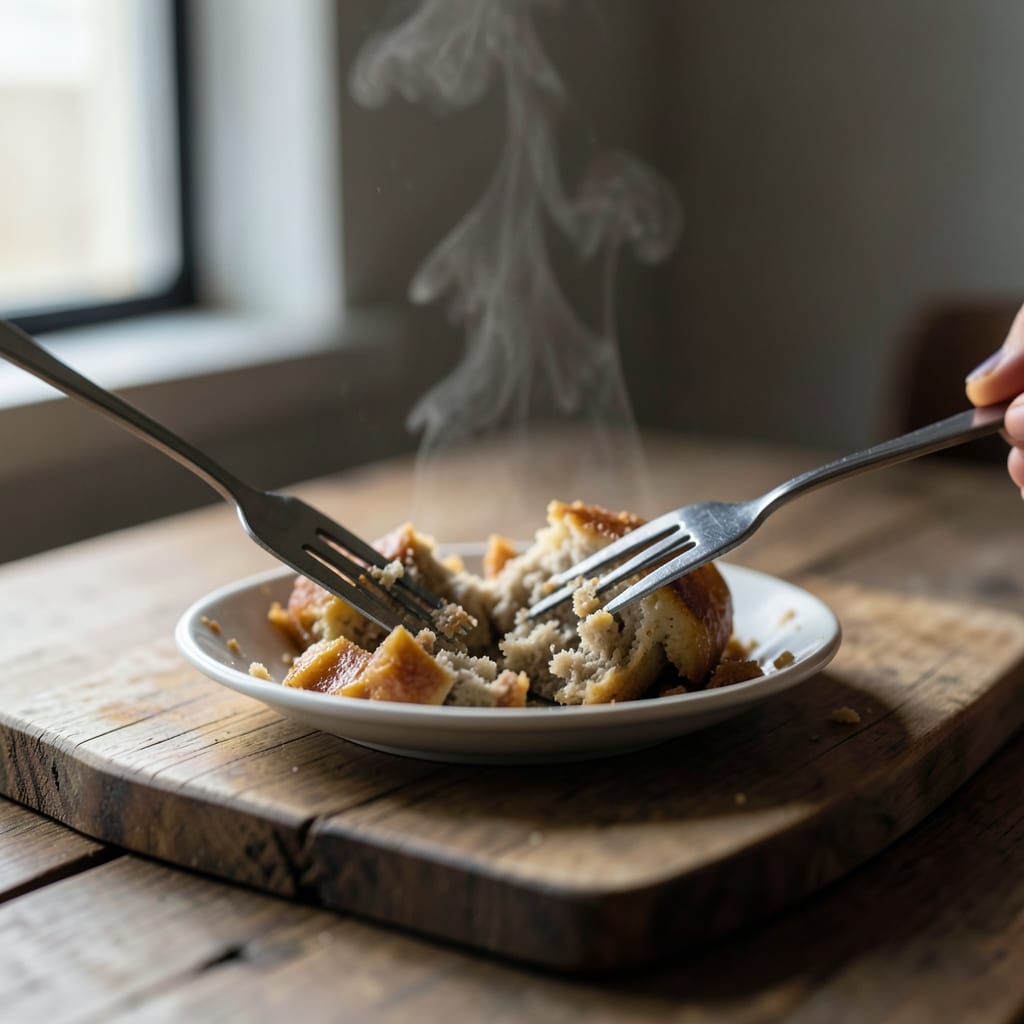
The fourth attempt involved sandpaper and vinegar. I scrubbed the pan until it gleamed, then heated it until the vinegar evaporated into a sharp, acrid smell. The steak still didn’t brown—it just stuck. The fifth time, I tried a thin layer of oil, spread evenly with a paper towel.
The pan heated fast, but the steak released too early, leaving a patchy, uneven crust. The sixth attempt was worse: I overcompensated by cranking the heat to maximum, and the oil ignited in a tiny, controlled puff of flame.
By the seventh try, I’d given up on the pan entirely and switched to cast iron, just to prove it wasn’t the copper’s fault. The steak turned out fine—crisp, golden, perfect. But it wasn’t *copper*. That’s when I realised the issue wasn’t the pan. It was *me*.
I’d been treating copper like cast iron: preheating it too long, letting it cool between steps, assuming it would behave the same way. It doesn’t. Copper needs patience. It needs *precision*.
The eighth attempt was the breakthrough. I heated the pan for exactly 90 seconds on high, wiped it clean with a fresh towel, then added the steak. No oil first—just the pan, the steak, and the heat. The moment it touched the copper, the surface turned a deep, even brown.
The crust formed in seconds, crisp and golden. The ninth time, I tested it with chicken thighs. Same result. The pan wasn’t just working—it was *transforming* the food.
The mind behind these pages

Wallace Salazar is the one who stood on that stool in his mom’s Queens apartment, stirring pots of garlic and coffee-scented meals while she pretended not to notice the steam burning his cheeks. Now, he runs *Recipes Copper* because he refuses to let food fail—not when a pan this good exists.
He’s the kind of person who tries something nine times before admitting it might not work. His mom called it ‘stubbornness’; his first boss called it ‘attention to detail.’ Neither was wrong.
The habit cost him a few burned dinners and a lot of scrubbed pans, but it’s what led him to copper in the first place.
Outside the kitchen, he collects vintage tools—none of them for cooking. His favorite is a 1950s pocketknife, the kind that folds out with a satisfying *click*. He keeps it in his apron pocket, just in case.
This site exists because that pan didn’t give up. Neither should the recipes.
Everything here is written the way that copper pan was
Every recipe on this site is tested until the copper pan’s sear is flawless—not once, but twice. The first time is in my kitchen, where I adjust the heat, the oil, the timing until it’s right. The second time is with a volunteer who’s never cooked the dish before.
If they can follow the steps and get it right, the recipe stays. If not, we go back to the pan.
We don’t just write down the final version. We write down the mistakes too—the times the pan clouded over, the steaks that stuck, the sauces that curdled. Because those are the moments that teach you what *really* matters. And we never assume you’re using copper.
The notes say ‘high heat’ or ‘hot oil,’ but we know the difference between a stainless steel sear and a copper kiss.
Months later, if a reader sends a message saying their pan didn’t cooperate, we don’t blame them. We ask: *What did the copper do?* Because that’s the question that leads to the answer. And if the answer isn’t here? We go back to the pan—and rewrite it.
What that means for you
You’ll find recipes that work the first time, every time—not because they’re simple, but because they’ve been tested until the copper pan’s touch is perfect. No vague ‘season to taste’ here. No ‘let it rest’ without a clock.
Just the steps that turn a good meal into one that feels like home.
You won’t find photos of food that looks too good to eat. You’ll find photos of the pan—hot, glistening, ready to work. Because the real magic isn’t in the dish. It’s in the moment the copper steals the show.
If your copper (or cast iron, or whatever you’ve got) has a habit of betraying you, tell us about it. What’s the dish? What went wrong? What did the pan do? The best fixes come from the people who’ve been there—and we’d love to hear yours.
The recipes are grouped by category: Appetizers, Beverages, Breakfast & Brunch, Desserts, Main Courses and Salads.