Main Courses
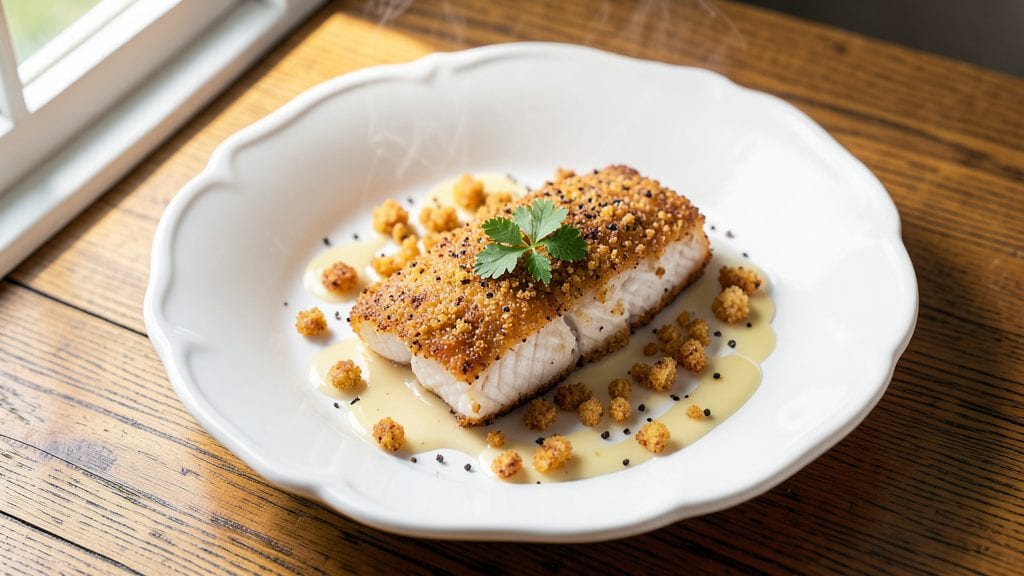
This McCormick fish fry recipe delivers the perfect balance of crispy golden crust and juicy pink centers—the kind of restaurant-quality dish that transforms weeknight dinners into a Southern classic.
The secret lies in a well-seasoned cornmeal batter that locks in moisture while creating an irresistible crunch, all thanks to McCormick’s signature blend of spices that elevate the flavor profile.
What sets this recipe apart is the simplicity of preparation without sacrificing authenticity. You’ll start with a light, airy batter that clings perfectly to the fish, then fry it to a golden finish while keeping the inside tender and moist.
The McCormick seasoning adds a subtle yet distinctive kick, ensuring every bite is flavorful and satisfying.
The result is a dish that’s crispy on the outside, flaky on the inside, and packed with the kind of bold flavor that makes it a standout at any meal. Serve it with classic sides like tartar sauce, crispy fries, or a fresh coleslaw to complete the experience.
This recipe is designed to impress, whether you're cooking for family or hosting a gathering.
With just a few simple ingredients and a foolproof technique, you’ll achieve a juicy, perfectly seasoned fish fry that tastes like it came straight from a Southern kitchen. Let’s get started on creating a dish that’s sure to become a favorite.
Ingredients for mccormick fish fry
The perfect blend of Southern spices and crispy texture—just 12 ingredients for golden, juicy fish fry magic.
| Ingredient | Amount | Notes |
|---|---|---|
| White Cornmeal 🌽 | 1 cup | Fine grind for smooth batter |
| All-Purpose Flour 🌾 | ½ cup | Lightens the batter texture |
| McCormick Seasoned Salt 🧂 | 1 ½ tbsp | Original blend for signature taste |
| Ground Black Pepper 🌶️ | ½ tsp | Freshly ground for sharpness |
| Large Eggs 🥚 | 1 whole | Room temperature for even coating |
| Buttermilk 🥛 | ½ cup | Full-fat for creaminess |
| Vegetable Oil 🫒 | 3 cups | High smoke point for frying |
| White Fish Fillets 🐟 | 1 ½ lb | Cod or haddock preferred |
| Lemon Wedges 🍋 | 4 whole | For serving, fresh squeezed |
| Tartar Sauce 🥫 | ½ cup | Classic dipping companion |
| Salt 🧂 | ½ tsp | Kosher or sea salt |
| Paprika 🌶️ | ½ tsp | Smoked for extra depth |
The McCormick seasoned salt is non-negotiable here—its signature blend of herbs and spices creates that signature Southern kick. Grab the original version from any grocery store or Amazon for consistency. For the fish, cod or haddock are ideal—they stay flaky while holding up to the crispy crust. If you can't find these, tilapia works too, but it'll be slightly less tender. Pat the fillets dry before dredging; this ensures the batter sticks and crisps properly. The cornmeal should be fine grind—coarse varieties can make the crust grainy. Bob's Red Mill is my go-to brand for consistent results.
No buttermilk? Substitute milk plus 0.5 tbsp vinegar—let it sit for 5 minutes to curdle. Out of McCormick seasoned salt? Mix 1 tsp garlic powder, 0.5 tsp onion powder, 0.5 tsp dried parsley, and 0.25 tsp celery salt for a close approximation. For a lighter crust, reduce the cornmeal to 0.75 cup and add 0.25 cup cornstarch. The vegetable oil matters—Crisco or peanut oil work best for high-heat frying. If you're short on time, pre-cut frozen fish fillets (like Gorton's) save prep work—just thaw them completely before coating.
This batter keeps dry for up to 3 days in an airtight container—just whisk with buttermilk before using. The fried fish is best served immediately, but you can reheat in a 300°F oven for 5-7 minutes if needed. Store any leftover batter in the fridge for up to 1 week. For a make-ahead hack, prep the fish fillets and refrigerate them coated in the dry mix—just fry straight from the fridge for an even crispier crust. The tartar sauce and lemon wedges should be made fresh; store-bought versions lack that bright, tangy punch.
Why You'll Love This Recipe
- Five-Ingredient Magic: I swear, this is the kind of recipe where you almost feel guilty for how little effort it takes. Just cornmeal, flour, eggs, and that one jar of McCormick Seasoned Salt—no fancy prep, no measuring cups digging into the back of your cabinet.
- Crispy Without Fuss: Honestly, the secret’s in the double-dip: the flour gives that initial crunch, but the cornmeal? That’s what makes it stay crispy—no soggy corners here. Plus, the seasoned salt does all the work for you.
- Tailgate or Tuesday: Between us, this is my go-to for game days and lazy nights. Serve it with tartar sauce and a cold beer, or pack it in a lunchbox—it holds up just as well reheated as it does fresh out of the fryer.
- Budget-Friendly Crunch: A whole bag of cornmeal and flour feeds me for weeks, and those eggs? Versatile enough to use in other recipes if I’m feeling extra thrifty. The seasoned salt alone cuts my spice budget in half—no more buying a dozen tiny jars.
Step-by-step instructions for golden cornmeal-crusted fish fry
Master this technique for restaurant-quality fish with a crispy exterior and tender interior every time.
Prepare the Batter for Perfect Texture
In a medium bowl, whisk together the 1 cup white cornmeal, 0.5 cup all-purpose flour, 1.5 tablespoons McCormick seasoned salt, 0.5 teaspoon ground black pepper, and 0.5 teaspoon paprika until completely combined. This dry mixture forms the foundation of your crispy crust.
In a separate bowl, beat the 1 whole large egg and 0.5 cup buttermilk until smooth and fully incorporated. The buttermilk adds creaminess while the egg binds everything together. Gradually whisk the dry ingredients into the wet mixture until you achieve a smooth, pourable batter with the consistency of heavy cream.
Season and Coat the Fish Fillets
Pat the 1.5 lb white fish fillets completely dry with paper towels—this is critical for achieving a crispy crust. Season each fillet generously with an additional pinch of the 0.5 teaspoon salt on both sides, then sprinkle lightly with the 0.5 teaspoon ground black pepper. The dry surface helps the batter adhere better.
Dip each fillet into the batter, allowing any excess to drip off. For extra crispiness, gently press each coated fillet against the side of the bowl to ensure an even, thick layer of batter. Place the coated fillets on a wire rack set over a baking sheet to allow excess batter to drain away.
Heat the Oil to the Perfect Temperature
Pour the 3 cups vegetable oil into a deep, heavy-bottomed skillet or Dutch oven and heat over medium heat until the oil reaches 350°F on a deep-fry thermometer. This temperature is crucial—too hot and the exterior burns before the interior cooks; too cool and the crust won't crisp properly.
Test the oil by dropping in a small piece of batter—it should sizzle and float immediately. If it sinks or doesn't bubble vigorously, allow the oil to heat for another 2-3 minutes. Maintaining consistent oil temperature ensures even cooking and a perfect golden crust.
Fry Until Golden and Flaky
Carefully place the coated fish fillets into the hot oil, working in batches if necessary to avoid overcrowding. Fry for 3-4 minutes per side until the crust is deep golden brown and the fish flakes easily with a fork. The interior should reach an internal temperature of 145°F when measured at the thickest part.
Use a slotted spatula to transfer the fried fillets to a paper towel-lined plate to drain excess oil. The crust should be crispy enough to hold its shape when lifted, while the fish underneath remains tender and juicy. If the crust isn't golden enough, return the fillets to the oil for 30 seconds to crisp further.
Serve Immediately with Classic Accompaniments
Serve the golden cornmeal-crusted fish fillets immediately while still hot and crispy. Arrange each fillet on a plate and accompany with the 4 whole lemon wedges for a bright, tangy contrast. The tartar sauce should be served on the side for dipping or drizzled over the top for added creaminess.
The key to maintaining juiciness is serving right away—this prevents the fish from drying out. Each bite should deliver a satisfying crunch from the cornmeal crust followed by a tender, flaky interior. The McCormick seasoned salt and smoked paprika add depth, while the lemon and tartar sauce balance the richness perfectly.
Pro Tips For Making Mccormick Fish Fry
- Prep the Cornmeal Right: Sift the white cornmeal with the flour before mixing—this prevents clumps that turn your batter into a gluey mess. I learned this the hard way when my first batch stuck to the fish like a second skin.
- Season the Flour Mix: Toss the seasoned salt and black pepper into the flour-cornmeal blend, not just the fish. The seasoning gets buried in the crust otherwise, and you’ll end up tasting bland bites.
- Fry in Batches: Don’t crowd the pan—even if you’re impatient. Three or four pieces at a time is the max, or the oil temp will drop, and your crust will turn soggy instead of crisp.
- Use Cold Ingredients: Chill the fish and eggs for at least 30 minutes before dredging. Cold ingredients seal better, and the crust stays intact longer—no more crumbling bits falling off mid-bite.
Troubleshooting perfect results
Oil Too Hot?
If your fish crust burns before the inside cooks through, your oil is too hot. The ideal temperature is 350°F—use a deep-fry thermometer like the Thermoworks Smoke to monitor it. If you don’t have one, test with a small piece of batter: it should sizzle and float immediately.
If it burns instantly or sinks, reduce heat by 25°F and wait 2-3 minutes for the oil to stabilize. 🌡️
Batter Too Thick?
A thick batter creates a clumpy crust instead of a smooth, crispy layer. If your batter resembles pancake batter, whisk in 1-2 tablespoons of buttermilk at a time until it reaches the consistency of heavy cream.
For extra insurance, let the batter rest for 10 minutes before dredging the fish—this allows the cornmeal to hydrate properly and prevents a grainy texture.
Fish Not Crispy Enough
Undercooked crust usually means the oil wasn’t hot enough or the fish was overcrowded. Fry in batches with 1-2 inches of space between fillets to ensure even heat distribution. For extra crunch, double-dredge the fish: dip in batter, let excess drip off, then dip again before frying.
A 30-second extra in the oil** after the initial fry can also restore crispiness.
Batter Falling Off
If the crust peels away from the fish, your fillets weren’t dry enough before coating. Pat them extra thoroughly with paper towels—even moisture can prevent adhesion.
Another trick: chill the coated fillets in the fridge for 15 minutes before frying. The cold helps the batter set faster, creating a stronger bond. 🥶
Fish Too Dry Inside
Overcooking is the most common cause of dry fish. Use a meat thermometer to check the internal temperature—it should reach 145°F at the thickest part. If you don’t have one, fry for 3 minutes per side max and remove as soon as the crust is golden.
For extra moisture, brush the fillets with 1 tablespoon melted butter right after frying.
Oil Smoking Excessively
Smoking oil means it’s past its prime and will impart a bitter flavor. If this happens, immediately remove the fish and let the oil cool completely before reheating it to 350°F again.
For future fries, use peanut or Crisco oil—they have higher smoke points (450°F) and can handle repeated heating better than vegetable oil. Always strain and store leftover oil in an airtight container for reuse. ⚡
Nutrition facts
Frequently asked questions
Can I substitute McCormick seasoned salt in this recipe?
If you don't have McCormick seasoned salt, mix 1 tsp garlic powder, 0.5 tsp onion powder, 0.5 tsp dried parsley, and 0.25 tsp celery salt for a similar flavor profile. The key is balancing the savory and slightly salty notes that make this dish shine.
What’s the best fish to use for this cornmeal crust?
For optimal results, use cod or haddock—they stay flaky while holding up to the crispy coating. Tilapia works too but may be slightly less tender. Avoid delicate fish like sole, as they can tear when coated. Pat fillets completely dry before dredging for the best texture.
How do I keep the fish from getting soggy after frying?
Serve the fish immediately after frying while the crust is still crispy. If reheating, use a 300°F oven for 5-7 minutes on a wire rack to prevent steam buildup. For extra insurance, place fried fillets on a cooling rack instead of a plate to allow air circulation.
Can I make the batter ahead of time?
Yes! Store the dry ingredients (cornmeal, flour, seasonings) in an airtight container for up to 3 days. When ready to use, whisk with buttermilk and egg. The wet batter keeps for 1 week refrigerated—just whisk before dredging. For make-ahead convenience, coat fish fillets in the dry mix and refrigerate; fry straight from the fridge for extra crispiness.
What sides pair best with this fish fry?
Classic Southern pairings include crispy fries, creamy coleslaw, or buttery corn on the cob. For a lighter option, serve with a citrusy arugula salad or roasted sweet potatoes. The tartar sauce provided in the recipe adds a perfect tangy contrast to balance the rich, crispy fish.