Appetizers
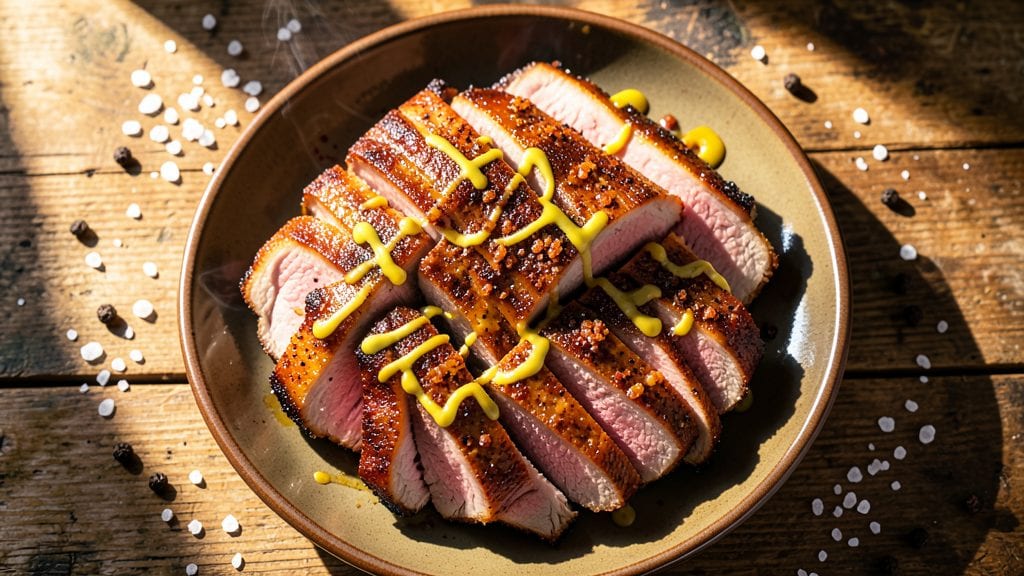
This smoked butt recipe delivers the perfect balance of tender, juicy pink hearts wrapped in a smoky, caramelized crust—just like your favorite pitmaster’s creation. The secret lies in the 3-2-1 method, where low-and-slow smoking transforms tough pork into melt-in-your-mouth perfection, all while developing that signature bark.
I’ve perfected this technique over years of trial and error, ensuring every bite is packed with flavor without drying out.
The process starts with a well-balanced dry rub—sweet, spicy, and aromatic—that clings to the meat, creating a flavorful crust as it smokes. Using hickory or cherry wood for fuel adds depth, while precise temperature control (225°F) keeps the meat tender and juicy.
Whether you’re using a traditional smoker, pellet grill, or even an oven with a smoker box, the method remains the same: patience and consistency.
By the time you pull that smoked butt from the pit, you’ll have a masterpiece with a dark, crackling crust and moist, fall-apart tender meat inside. The resting period is just as critical—it allows the juices to redistribute, ensuring every shred is succulent.
Serve it on buttery buns with tangy coleslaw or loaded onto tacos for a crowd-pleasing meal that tastes like a Southern BBQ classic.
This recipe isn’t just about the cooking—it’s about the experience. The aroma filling your home, the anticipation of the first bite, and the satisfaction of creating something restaurant-quality at home. Let’s get started on your next smoked butt masterpiece.
Ingredients for smoked butt
Fourteen essential ingredients transform a tough pork butt into smoky, juicy perfection—just like your favorite pitmaster's creation.
| Ingredient | Amount | Notes |
|---|---|---|
| Pork Butt Roast 🥩 | 6 lb | Bone-in, well-marbled preferred |
| Yellow Mustard 🍯 | ¼ cup | For initial coating |
| Brown Sugar 🍚 | ½ cup | Packed, light or dark |
| Smoked Paprika 🌶️ | ¼ cup | For deep smoky flavor |
| Kosher Salt 🧂 | ¼ cup | Diamond Crystal preferred |
| Black Peppercorns 🌶️ | 1 tbsp | Freshly cracked |
| Garlic Powder 🧄 | 2 tbsp | Not garlic salt |
| Onion Powder 🧅 | 2 tbsp | For sweetness balance |
| Ground Cumin 🌿 | 1 tbsp | Toasted for depth |
| Cayenne Pepper 🔥 | 1 tsp | Adjust for heat |
| Hickory Wood Chips 🌳 | 2 cups | Or cherry wood chips |
| Apple Juice 🍎 | ½ cup | For spritzing during smoke |
| Butter Buns 🥖 | 4 whole | For serving |
| Coleslaw Mix 🥬 | 4 cups | Store-bought or homemade |
The pork butt is non-negotiable—look for bone-in, well-marbled cuts from your butcher or Costco. The extra fat ensures melt-in-your-mouth tenderness, and the bone adds flavor during smoking. Trader Joe's often carries pre-cut pork butts, but if buying whole, ask for the shoulder end. The wood chips? Hickory or cherry are classic, but fruitwoods like apple add subtle sweetness. Toast them first in a dry skillet to enhance their aroma—trust me, it makes a difference. The mustard isn't just for sticking the rub; it adds a tangy contrast to the sweetness.
No smoked paprika? Regular paprika plus a pinch of liquid smoke works in a pinch, though the flavor won't be identical. Diamond Crystal kosher salt is ideal because it dissolves easily, but Morton works fine if that's what you've got. The apple juice spritz isn't just for moisture—it helps create that signature bark. Short on time? Use a 50/50 mix of apple juice and water. For the buns, Texas Toast or potato rolls add extra richness. And if you're feeling fancy, swap the coleslaw for a quick pickled red onion and cucumber mix—the acidity cuts through the fat beautifully.
This isn't a recipe you want to rush. The pork butt needs 12-16 hours in the fridge uncovered to dry-brine before smoking, so plan ahead. The wood chips can be prepped the night before—just store them in a dry container. Once smoked, the meat will rest for 2 hours before shredding, so factor that into your timeline. Leftover pork? It reheats beautifully—just add a splash of apple juice or broth to keep it moist. Store in the fridge for up to 5 days or freeze for 3 months. The rub itself? Make extra and keep it in an airtight container for up to 6 months—perfect for future smokes.
Why You'll Love This Recipe
- Foolproof Rub Job: I’ll be real—this smoked paprika and brown sugar mix takes five minutes to slather on that pork butt. Just rub, smoke, and let the magic happen. No fancy techniques, no second-guessing.
- Sweet-Savory Magic: That yellow mustard base with a touch of brown sugar? It’s the kind of balance that makes you close your eyes and sigh. Smoky, sticky, and just sweet enough to feel like a hug in every bite.
- Leftovers for Days: One pork butt feeds my family for three meals—pulled sandwiches, tacos, or even fried rice. Honestly, I plan my week around this recipe because the leftovers are that good.
- Budget Crowd-Pleaser: Pork butt is cheaper than you’d think, and this recipe stretches it across so many plates. Perfect for game days, potlucks, or when I’m too tired to order takeout. (Yes, even on a Tuesday night.)
Step-by-step instructions for slow-smoked crust with juicy pink hearts
Here's how to transform a simple pork butt into melt-in-your-mouth perfection with a crispy bark.
Prepare the Rub and Coat the Pork Butt
In a large bowl, combine the 0.5 cup brown sugar, 0.25 cup smoked paprika, 0.25 cup kosher salt, 2 tbsp garlic powder, 2 tbsp onion powder, 1 tbsp ground cumin, 1 tsp cayenne pepper, and 1 tbsp freshly cracked black peppercorns. Mix thoroughly with your hands until the spices are evenly distributed and the sugar begins to dissolve slightly.
Spread the 0.25 cup yellow mustard evenly over the entire surface of the 6 lb pork butt roast, including the fat cap. This sticky base helps the rub adhere and creates a beautiful crust. Press the spice mixture firmly into the meat, working it into all the crevices and ensuring complete coverage. Let the coated pork butt rest uncovered on a wire rack in the refrigerator for at least 12 hours—this allows the rub to penetrate deeply and develop intense flavor. The longer it rests, the better the results.
Set Up the Smoker for Low and Slow Cooking
Fill your smoker's wood chip tray with the 2 cups hickory wood chips and add 0.5 cup apple juice to the water pan. This creates a light, fruity smoke that complements the rich pork. Preheat your smoker to 225°F and allow it to stabilize before adding the meat. You'll know it's ready when you see steady, thin blue smoke without thick white steam.
Place the pork butt fat-side up on the smoker grates. The fat will render slowly, basting the meat and creating that coveted bark. Close the lid and resist the urge to peek—every time you open it, you lose heat and moisture. Let the pork butt smoke undisturbed for 6-8 hours, maintaining a consistent temperature between 225-250°F. During this time, you may need to add more wood chips every 1-2 hours to sustain the smoke.
Monitor the Stall and Wrap for Maximum Tenderness
After 6-8 hours, check the internal temperature using a meat thermometer inserted into the thickest part of the meat. When it reaches 165-170°F, you'll hit "the stall"—a period where the temperature stops rising as moisture evaporates. This is normal and expected. To push through this phase, wrap the pork butt tightly in butcher paper (not aluminum foil), leaving the fat cap exposed.
Return the wrapped pork butt to the smoker and continue cooking until the internal temperature reaches 200-203°F. This typically takes an additional 4-6 hours, but don't rush it. The meat will continue to break down and become tender as it rests. The butcher paper allows the bark to develop while maintaining moisture, resulting in a perfect balance of textures. Spritz the exposed fat cap with apple juice every hour to keep it moist and enhance smoke penetration.
Rest and Slice for Juicy Perfection
Once the pork butt reaches the target temperature, remove it from the smoker and transfer it to a cutting board. Let it rest, wrapped in the butcher paper, for at least 2 hours (or up to 4 hours if you have time). This resting period is crucial—it allows the juices to redistribute throughout the meat, ensuring every slice is succulent and flavorful. The external temperature will rise another 10-15°F during this time, so don't be alarmed if the thermometer shows 210-215°F when you're ready to serve.
Unwrap the pork butt and slice it against the grain into ¼-inch thick slices. The meat should pull apart easily with minimal resistance, revealing those beautiful pink hearts at the center. Serve the sliced pork butt immediately with the 4 whole butter buns and a fresh 4 cups coleslaw mix on the side. The contrast of the crispy, smoky pork with the soft, buttery buns and cool, tangy slaw creates a harmonious balance of flavors and textures that will leave everyone asking for seconds.
Pro Tips For Making Smoked Butt
- Trim the Fat Cap: Cut a thin slice off the fat cap before smoking—about ¼-inch thick. This prevents the fat from rendering too slowly and turning the bark to grease, while still keeping the meat juicy. I learned this the hard way after watching my first batch turn into a sad, soggy mess.
- Mix Mustard with Sugar: Whisk the yellow mustard with brown sugar first, then add smoked paprika. This creates a smoother, stickier rub that clings better to the meat instead of clumping. I used to just sprinkle everything on, and half of it ended up on my fingers.
- Smoke at 225°F, Not Hotter: Keep the smoker steady at 225°F—any higher and you’ll dry out the pork butt before the collagen breaks down. I was impatient once and cranked it to 275°F, and the bark burned before the meat was tender. Slow and steady wins the pull.
- Wrap in Foil at 160°F: Once the internal temp hits 160°F, wrap the butt tightly in foil with a splash of apple juice or water. This traps steam and cooks the meat through without drying it out. I skipped this once and spent another hour fighting a tough, dry shoulder. Not worth it.
Dietary considerations for this recipe
Gluten-Free Adaptation
Skip the traditional buttery buns and serve your smoked pork on gluten-free brioche buns like Canyon Bakehouse or Schär. These buns mimic the texture of regular buns while keeping the meal hearty.
For extra flavor, brush the buns with melted butter and toast them lightly before adding the pork. 🥖
Low-Carb/Keto Version
Replace the buns entirely and serve the pulled pork over a bed of cauliflower rice or zucchini noodles. Add a side of avocado slices and a drizzle of sugar-free BBQ sauce (like Primal Kitchen) for a keto-friendly meal. The smoky flavors shine without the carbs. 🥑
Dairy-Free Options
For those avoiding dairy, swap the butter buns for dairy-free bread like Udi's or Canyon Bakehouse's dairy-free line. Use olive oil instead of butter for brushing, and ensure your coleslaw dressing is made with vegan mayo or tahini-based dressings. The pork’s natural richness carries the meal. 🥬
Allergen-Friendly Rub
Adjust the dry rub to avoid common allergens: replace mustard with olive oil as a binder, and check spices for cross-contamination (look for "may contain" warnings on labels). For nut-free kitchens, ensure cumin and paprika are processed in dedicated facilities. Always verify ingredient sources for allergen risks. 🌶️
Protein-Packed Boost
Add 1 cup cooked quinoa or lentils to your meal for extra protein and fiber. These ingredients pair well with the smoky pork and add heartiness without overpowering the dish. Quinoa’s nutty flavor complements the sweetness of the bark beautifully. 💪
Nut-Free Serving
If nut allergies are a concern, avoid traditional coleslaw dressings that may contain almond milk or nut oils. Opt for a vinegar-based dressing with apple cider vinegar, olive oil, and a touch of honey or maple syrup for sweetness. Always double-check labels for hidden nut traces. 🍎
Nutrition facts
Frequently asked questions
What's the best wood for smoking pork butt?
Hickory and cherry are classic choices that pair perfectly with pork butt, offering rich, smoky flavors. For something fruitier, try apple or peach wood chips—just avoid softwoods like pine, which can taste bitter. Toast the wood chips in a dry skillet for 5 minutes before using to intensify their aroma.
How do I know when the pork butt is done?
Use a meat thermometer inserted into the thickest part of the meat—it should read 200-203°F when wrapped in butcher paper. Before wrapping, you’ll hit "the stall" around 165-170°F, where the temperature plateaus. The meat will continue cooking even after removing it from the smoker, so don’t overcook!
Can I use aluminum foil instead of butcher paper?
No—aluminum foil traps too much steam, creating a soggy crust and preventing that coveted bark. Butcher paper or peel-and-stick foil (like Reynolds Wrap Heavy Duty) lets moisture escape while keeping the meat tender. If you’re short on butcher paper, wrap the pork butt in foil first, then cover it loosely with another layer of foil to allow some airflow.
What if my smoker won’t stay at 225°F?
Fluctuating temperatures are common, especially with charcoal smokers. Use a meat probe thermometer to monitor internal temps instead of relying on the smoker’s gauge. If temps drop, add more charcoal or wood chips. For pellet grills, adjust the setting to 225°F and let it stabilize—most modern models maintain temperature well once preheated.
How long can I store leftover smoked pork?
Store shredded pork in an airtight container in the fridge for up to 5 days or freeze for 3 months. To reheat, warm in a skillet with a splash of apple juice or broth over low heat—never microwave, or it’ll dry out. The bark won’t survive reheating, but the meat stays juicy.