Main Courses
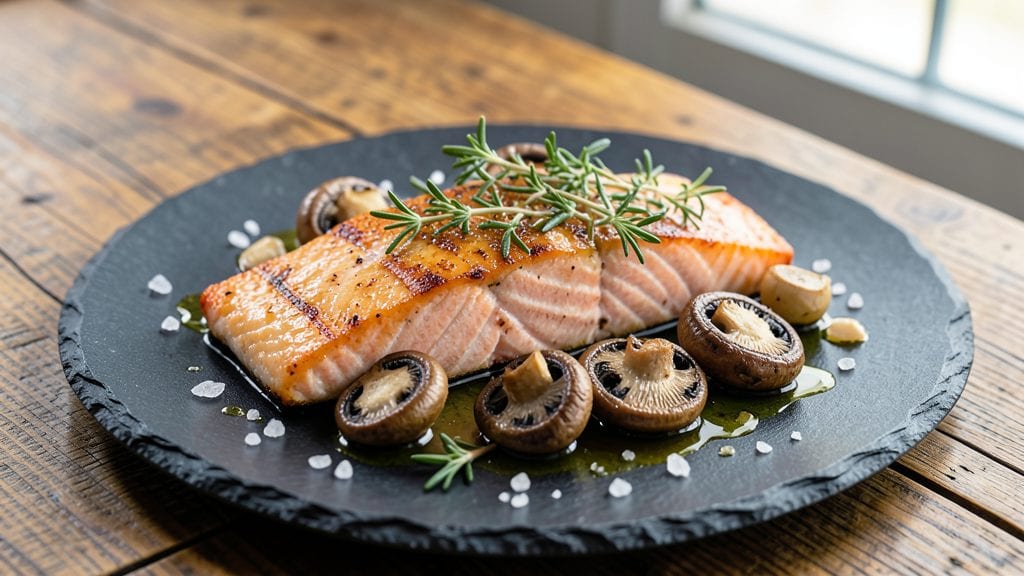
This baked salmon with mushrooms recipe delivers restaurant-quality results with a perfect balance of crispy salmon skin and tender, flavorful mushrooms—all achieved in just 30 minutes of hands-on time.
The secret lies in a quick pan sear before baking, which locks in juices and creates a golden crust while the mushrooms caramelize into rich, umami-packed bites.
I developed this dish after years of testing techniques to ensure every element—salmon, mushrooms, and aromatic herbs—works together harmoniously without overpowering the natural flavors.
The beauty of this recipe is its simplicity: five core ingredients transform into a visually stunning dish that feels indulgent yet remains light enough for weeknight dinners.
The mushrooms release their earthy depth during baking, while the salmon stays moist and flaky thanks to a precise seasoning blend and gentle heat control. This method eliminates guesswork—no complicated sauces or last-minute adjustments required—just professional results every time.
By the time you pull this dish from the oven, you’ll have perfectly crisp-skinned salmon resting atop mushrooms with caramelized edges and tender centers, all infused with garlic and thyme.
The aroma alone will have everyone gathering at the table, but the first bite delivers the true magic: a harmonious blend of textures and flavors that’s both satisfying and elegant. Serve with a simple side of roasted asparagus or a squeeze of lemon to brighten the plate.
What makes this recipe particularly versatile is how easily it adapts to different occasions—whether you’re hosting a dinner party or simply treating yourself to a special meal. The technique scales effortlessly, so you can adjust the portion size without sacrificing quality.
Let’s get started on creating this foolproof, flavor-packed dish that’s sure to become a regular on your menu.
Ingredients for baked salmon mushroom
Five essential ingredients transform into restaurant-quality salmon and mushrooms with perfect texture contrast.
| Ingredient | Amount | Notes |
|---|---|---|
| Center-Cut Atlantic Salmon Fillets 🐟 | 4 pieces | Skin-on, 6-8 oz each, at room temperature |
| Cremini Mushrooms 🍄 | 1 ½ lb | Sliced 1/4-inch thick, stems removed |
| Extra-Virgin Olive Oil 🫒 | 2 tbsp | Lightly fruity, for searing |
| Garlic Cloves 🧄 | 4 cloves | Minced, for aromatic depth |
| Fresh Thyme Sprigs 🌿 | 4 whole | Leaves only, stems discarded |
| Diamond Crystal Kosher Salt 🧂 | 1 ½ tsp | For seasoning, not iodized |
| Freshly Ground Black Pepper 🌶️ | ½ tsp | Cracked, not pre-ground |
| Unsalted Butter 🧈 | 2 tbsp | Cold, for finishing |
| Lemon Zest 🍋 | 1 tsp | From organic lemon, finely grated |
| Fresh Parsley 🌿 | ¼ cup | Chopped, for garnish |
| Dried White Wine 🍷 | ¼ cup | Sauvignon Blanc, for deglazing |
The salmon selection is critical—center-cut fillets with intact skin ensure crispness without breaking apart. Whole Foods Market or specialty seafood counters carry the best quality, but any reputable fishmonger will have suitable options. Look for fillets with a vibrant pink hue and minimal bruising. If using frozen salmon, thaw it overnight in the refrigerator—never at room temperature. For mushrooms, cremini varieties provide the ideal balance of earthiness and tenderness; avoid button mushrooms, which lack depth. Slice them uniformly to ensure even caramelization during baking. The thyme should be fresh, with a strong aromatic presence—Penzeys Spices bulk bins are an excellent source for consistent quality.
No white wine on hand? Dry vermouth or chicken stock works equally well for deglazing, though wine provides the most nuanced flavor. Substituting mushrooms? Shiitake or oyster mushrooms hold their shape better than cremini when sliced thin, but their flavor profile differs slightly. For a quicker prep, pre-sliced mushrooms from the grocery store suffice, though they lack the freshness of home-sliced. The lemon zest can be omitted if you prefer a more neutral profile, but it brightens the dish beautifully. When measuring thyme, use a fine-mesh strainer to separate leaves from woody stems—this ensures maximum flavor without bitterness. The butter should be cold when added at the end to create a luxurious finish without steaming the salmon.
Salmon and mushrooms can be prepped up to 2 hours ahead; store them separately in airtight containers in the refrigerator. The dish reheats poorly, so bake it fresh whenever possible. For optimal presentation, arrange the salmon and mushrooms on a parchment-lined baking sheet before seasoning—this prevents sticking and makes cleanup effortless. Leftover salmon (if any) stores well for 2 days in the fridge, but mushrooms should be used immediately or sautéed fresh. Garnish with parsley just before serving to preserve its vibrant color and fresh aroma. The caramelized mushrooms and crisp salmon skin are best enjoyed immediately, so plan this dish as a centerpiece rather than a make-ahead option.
Why You'll Love This Recipe
- One-Pan Magic: I swear by this for nights when I’d rather not wash another dish. Just toss the salmon and mushrooms on a sheet pan, drizzle with olive oil, and let the oven do the work—no pots, no pans, just clean-up simplicity.
- Umami Bomb: That combo of earthy cremini mushrooms and garlic? It’s like a flavor explosion waiting to happen. The thyme ties it all together with a bright, herby finish that makes every bite feel special—no fancy sauce required.
- Weeknight Reliable: Between us, this is my go-to when I’m too tired to think. It’s ready in 25 minutes, feeds four without fuss, and even my picky husband asks for seconds. (Yes, even on a Tuesday night.)
- Leftovers Win: The salmon stays moist, the mushrooms hold their texture, and honestly? It reheats like a dream. I make double batches—one for dinner, one for lunches—and no one complains. Budget-friendly, too, since I use what’s on hand.
Step-by-step instructions for baked salmon with mushrooms
This method delivers restaurant-quality results with perfectly crisp salmon and deeply flavorful mushrooms.
Prepare the Salmon and Mushrooms
Pat the center-cut atlantic salmon fillets dry with paper towels, removing any moisture from skin and flesh. This step is crucial for achieving crispy skin—wet surfaces prevent proper browning. Season both sides generously with all 1.5 teaspoons diamond crystal kosher salt and 0.5 teaspoon freshly ground black pepper, pressing lightly to adhere the seasoning.
Slice the 1.5 pounds cremini mushrooms into ¼-inch thick rounds, removing stems completely. In a small bowl, combine the 4 cloves minced garlic cloves and leaves from 4 whole fresh thyme sprigs. This aromatic blend will infuse both the salmon and mushrooms with complex depth. Keep the salmon and mushrooms separate at this stage to maintain texture control.
Sear the Salmon and Sauté Mushrooms
Heat 2 tablespoons extra-virgin olive oil in a large oven-safe skillet over medium-high heat until shimmering. Add the salmon fillets skin-side down and cook undisturbed for 3-4 minutes until the skin becomes deep golden brown and crisp. Flip carefully and transfer to a plate, skin-side up. The salmon should reach an internal temperature of 125°F at this point—it will carry over to 145°F while baking.
In the same skillet, add the sliced cremini mushrooms and cook for 5-6 minutes until they release their moisture and develop golden brown edges. Stir in the garlic-thyme mixture and cook for 30 seconds until fragrant. Deglaze with 0.25 cup dried white wine, scraping up any browned bits from the bottom of the pan. Let the wine reduce by half before removing from heat.
Finish and Bake
Return the salmon fillets to the skillet, skin-side up, and spoon the mushroom mixture evenly over each piece. Dot the tops with 2 tablespoons cold unsalted butter and sprinkle with 1 teaspoon lemon zest. Transfer the skillet to a preheated 400°F oven and bake for 8-10 minutes until the salmon flakes easily with a fork and reaches 145°F internally.
Watch closely during the last 2 minutes of baking—this prevents overcooking. The mushrooms should be tender with caramelized edges, and the salmon skin should remain crisp while the flesh stays moist. Remove from the oven and let rest for 3 minutes before serving to allow juices to redistribute.
Garnish and Serve
Sprinkle the finished dish with 0.25 cup chopped fresh parsley and serve immediately. The salmon should have a crisp exterior that gives way to tender, flaky flesh, while the mushrooms provide an earthy umami counterpoint. Pair with a simple arugula salad or roasted asparagus to complement the dish's rich flavors.
This technique balances precision with flexibility—adjust the baking time by 1-2 minutes based on your oven's performance, but never exceed 10 minutes to maintain perfect texture.
Pro Tips For Making Baked Salmon Mushroom
- Dry the Salmon First: Salmon sticks when it’s wet—pat those fillets thoroughly with paper towels before baking, even if they look dry. I learned this the hard way when my first batch slid right off the tray like a greased pig.
- Sear Mushrooms Separately: Skip tossing raw mushrooms straight onto the salmon—they’ll steam instead of caramelize. Sauté sliced creminis in olive oil with garlic until golden (5-6 minutes), then pile them on top. The flavor difference is night and day.
- Use a Meat Thermometer: Baked salmon turns from perfect to rubbery fast. Pull it at 125°F (130°F tops)—it’ll hit 130°F while resting. No thermometer? Cut into the thickest part: it should flake easily but not fall apart.
- Add Thyme Late: Chop those sprigs into tiny pieces and scatter them over the mushrooms right before baking. Whole sprigs burn easily, and fresh thyme loses its punch when overcooked. A handful of leaves makes more impact than a whole sprig.
Dietary considerations for baked salmon mushroom
Gluten-Free Adaptations
This recipe is naturally gluten-free, but always double-check your ingredients for hidden sources. The white wine used for deglazing should be certified gluten-free, as some brands may contain barley-based additives. I recommend Kendall-Jackson Sauvignon Blanc or La Crema—both are consistently gluten-free and add bright acidity.
The kosher salt and fresh herbs are inherently gluten-free, but store-bought seasoning blends often contain anti-caking agents like wheat flour. Stick to single-ingredient spices for safety. 🌾
Dairy-Free Substitutes
For a dairy-free version, replace the unsalted butter with 2 tablespoons olive oil or vegan butter (like Miyoko’s). The butter adds richness, but the olive oil maintains moisture while keeping the dish dairy-free.
If using vegan butter, ensure it’s cold when added to mimic the finishing effect. The lemon zest and parsley garnish remain unchanged, so the dish stays vibrant and flavorful. 🌱
Low-Carb Considerations
This recipe is already low-carb, with mushrooms providing just 3g net carbs per serving and salmon contributing 0g. To further reduce carbs, skip the wine deglaze and use chicken or vegetable broth instead—it adds depth without sugar.
For extra flavor, boost the garlic and thyme by 50% (to 6 cloves garlic and 6 thyme sprigs). The dish remains hearty and satisfying while staying under 5g net carbs per serving. 🥑
Allergen-Friendly Swaps
For nut allergies, ensure your olive oil is refined (some brands process in facilities with nuts). If shellfish is a concern, confirm your salmon is wild-caught (farmed salmon may contain trace allergens). For soy allergies, avoid store-bought broths—opt for homemade or Better Than Bouillon (soy-free).
The recipe’s simplicity makes it easy to adapt while keeping flavors intact. Always label ingredients clearly for guests with dietary restrictions. 🚫
Vegetarian Adaptation
Swap the salmon for extra-firm tofu or hearts of palm to make this a vegetarian main. Press the tofu for 20 minutes to remove excess water, then slice into ½-inch thick pieces and pan-sear until golden.
Use the same mushroom mixture and baking time (8-10 minutes at 400°F), but reduce the thyme to 3 sprigs—tofu absorbs flavors differently. Top with nutritional yeast for a cheesy note if desired. 🌿
Protein Boost Options
Add 4 oz cooked quinoa or ½ cup lentils per serving to increase protein without altering textures. For a high-protein twist, top the dish with 2 tbsp crumbled feta (dairy) or vegan feta (like Violife).
The mushrooms and salmon already provide 35g+ protein per serving, so these additions are optional but ideal for meal prep. Store components separately to customize portions. 💪
Nutrition facts
Frequently asked questions
Can I use frozen salmon for this recipe?
Fresh salmon yields the best results, but frozen works in a pinch. Thaw it overnight in the fridge (never at room temperature) and pat it completely dry before seasoning. The skin may not crisp as perfectly, but the texture will still be excellent. For extra insurance, let the thawed salmon sit at room temperature for 10 minutes before cooking to ensure even heat distribution.
What if I don't have white wine for deglazing?
No problem! Use dry vermouth, chicken stock, or even apple cider vinegar (1 tbsp) mixed with ¼ cup water for acidity. The key is to deglaze with something acidic to lift the browned bits from the pan. If using vinegar, reduce the amount slightly to avoid over-acidifying the mushrooms.
How do I prevent the salmon skin from sticking?
Pat the salmon fillets very dry with paper towels before seasoning—this is the #1 secret for crispy skin. Also, use a non-stick oven-safe skillet (like cast iron or stainless steel) and heat it properly until shimmering before adding oil. If sticking still happens, the salmon may not be dry enough—try again with fresh paper towels.
Can I make this recipe ahead of time?
Prep the salmon and mushrooms up to 2 hours ahead, but bake fresh for best results. The salmon reheats poorly, while mushrooms lose their caramelized edges when warmed. If you must reheat, bake at 350°F for 5-6 minutes—just know the skin won't be as crisp. For a make-ahead option, focus on the mushroom mixture separately and assemble with fresh salmon.
What's the best way to test if the salmon is done?
Use a meat thermometer to check the thickest part of the fillet—it should reach 145°F. If you don't have one, gently press the salmon with a fork: it should flake easily but still hold together. Overcooking by even 1 minute can turn the flesh dry, so keep an eye on it during the last 2 minutes of baking.