Main Courses
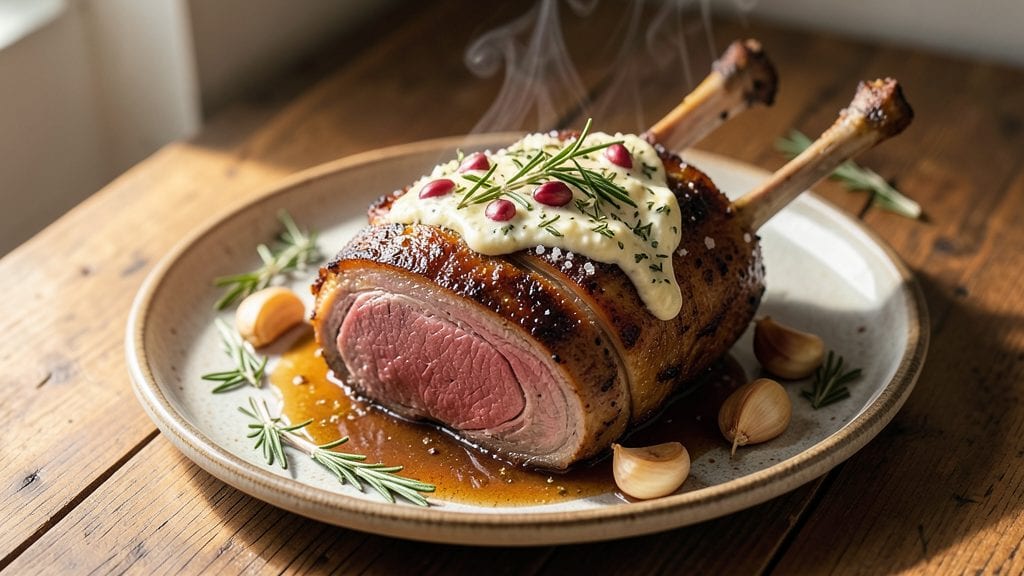
Mastering Gordon Ramsay's roast leg of lamb recipe delivers a showstopping centerpiece with crispy golden crust and juicy pink centers that will impress even the most discerning dinner guests. The secret lies in precise timing, a flavorful herb crust, and a rosemary garlic butter that infuses every bite with depth.
After perfecting this technique in my own kitchen, I can confidently say it transforms an ordinary roast into a restaurant-worthy masterpiece.
This method begins with a dry brine to ensure maximum tenderness, followed by a generous coating of fresh herbs and garlic butter that creates that signature crispy exterior. The key is maintaining a steady 325°F oven temperature throughout cooking, allowing the lamb to develop rich flavors without drying out.
Ramsay's approach prioritizes precision—no guesswork, just foolproof results every time.
By the time it emerges from the oven, your leg of lamb will have a shatteringly crisp crust that contrasts beautifully with tender, pink meat inside. The rosemary garlic butter adds aromatic layers that elevate simple sides like roasted vegetables or minted potatoes into a complete meal.
This isn't just dinner—it's an experience that turns weeknight cooking into a culinary event.
Perfect for special occasions or when you want to elevate everyday dining, this recipe serves 6-8 and comes together with minimal effort but maximum impact. The herb crust can be prepped ahead, and the resting time ensures perfect doneness.
Let's create a lamb roast that rivals your favorite restaurant—without the wait or the price tag.
Ingredients for gordon ramsay roast leg of lamb
Eight ingredients transform a simple leg of lamb into Ramsay's signature crispy, juicy masterpiece.
| Ingredient | Amount | Notes |
|---|---|---|
| Leg of Lamb (Bone-In) 🐑 | 4 lb | Frenched for even cooking |
| Kosher Salt 🧂 | 1 ½ tbsp | Diamond Crystal preferred |
| Fresh Rosemary 🌿 | ¼ cup | Finely chopped sprigs |
| Fresh Thyme 🌿 | ⅛ cup | Leaves only, stems removed |
| Garlic Cloves 🧄 | 8 cloves | Minced for butter paste |
| Unsalted Butter 🧈 | ½ cup | Cold, cubed for crust |
| Extra-Virgin Olive Oil 🫒 | 2 tbsp | For basting and crust |
| All-Purpose Flour 🌾 | ¼ cup | For dry coating |
| Ground Black Pepper 🌶️ | 1 tsp | Freshly cracked |
| Fresh Parsley 🌿 | ⅛ cup | Chopped for garnish |
| Lemon Juice 🍋 | 1 tbsp | Freshly squeezed |
The lamb is non-negotiable—look for a bone-in leg with good marbling at Whole Foods or your butcher. A 4-lb frenched leg (ask them to trim the fat cap) gives you that perfect balance of crust and tenderness. If you can't find frenched, just trim the fat cap yourself—it's worth the 10 minutes. Costco often carries these prepped, so check there first. The herbs? Fresh is a must—dried won't give you that aromatic punch Ramsay insists on. I usually grab organic rosemary from the grocery store's produce section, but if you're feeling fancy, Penzeys has the best quality. Store your lamb uncovered in the fridge for 24 hours before cooking—that dry brine is what makes it melt-in-your-mouth tender.
No fresh rosemary? Dried at one-third the amount works in a pinch, but honestly, it's not the same. Short on thyme? Oregano or marjoram can step in, but reduce to half the quantity. The butter must be unsalted and cold—that's what creates the crispy crust. No butter? Olive oil works, but you'll lose some of that golden color. The garlic can be pre-minced from a jar (I know, I know), but fresh is always better. If you're prepping ahead, make the herb butter mixture up to 2 days ahead** and store it wrapped in plastic in the fridge. The lemon juice is optional but adds a bright finish—skip it if you're serving with something acidic like minted potatoes.
This herb crust keeps beautifully for 3 days in the fridge if you're prepping ahead. Wrap the lamb tightly in plastic wrap and store it fat-side up. The herb butter mixture can be frozen for up to 3 months—just thaw it in the fridge overnight before using. Once cooked, the lamb stays juicy for 3-4 days in the fridge, but it's best served within 2 days. For leftovers, slice against the grain and reheat gently in the oven at 300°F with a splash of water or stock to keep it moist. I always make extra herb butter—it's perfect for basting or slathering on crusty bread.
Why You'll Love This Recipe
- Foolproof Timing: I swear by this method—just season the lamb with salt, rosemary, thyme, and crushed garlic cloves (no fancy rubs needed), then let the oven do the work. Twenty minutes of prep, and you’re free to sip wine while it roasts to golden perfection.
- Herb-Crusted Magic: That crispy, fragrant crust from the fresh rosemary and thyme? It’s the secret weapon. The garlic cloves tucked under the skin melt into the meat, turning every bite into a savory, aromatic masterpiece—no fancy sauces required.
- Weekend Feast, No Stress: Between us, this is my go-to for Sunday dinners. The bone-in leg feeds six without breaking the bank, and the leftovers? Shredded into sandwiches or tossed into pasta—pure satisfaction.
- Budget-Friendly Luxury: A whole leg of lamb sounds fancy, but honestly, it’s the most economical way to serve a showstopper. The kosher salt and herbs cost pennies, and the flavor? Ridiculously good. I’ve served this at holidays and weeknight dinners—same recipe, always a win.
Step-by-step instructions for herb-crusted roast leg of lamb
This method delivers restaurant-quality results with a crispy herb crust and perfectly juicy pink centers.
Prepare the Herb Butter Paste and Season the Lamb
In a food processor, combine the 0.5 cup unsalted butter, 8 cloves garlic, 0.25 cup fresh rosemary, 0.125 cup fresh thyme, 1 tsp ground black pepper, and 1 tbsp lemon juice. Pulse until smooth but still slightly textured—about 15-20 seconds. This herb butter will create an aromatic crust that seals in moisture while adding depth of flavor.
Pat the 4 lb leg of lamb completely dry with paper towels, then rub the herb butter mixture all over the meat, pressing it into the surface. Let it sit at room temperature for 30 minutes while you preheat the oven to 425°F. This resting period allows the butter to penetrate slightly and develop a better crust. Meanwhile, season the lamb generously with the 1.5 tbsp kosher salt on all sides, including the cut sides if it's been frenched.
Create the Crispy Herb Crust and Sear the Lamb
Place the lamb fat-side up on a rack in a roasting pan. In a small bowl, mix the 0.25 cup all-purpose flour with 1 tsp additional ground black pepper. Sprinkle this evenly over the lamb, pressing gently to adhere. Then, drizzle the 2 tbsp extra-virgin olive oil evenly over the top and rub it in with your hands to distribute.
Roast the lamb for 20 minutes at 425°F until the crust turns deep golden brown and crispy. This high-heat sear is crucial for developing that signature crust while keeping the interior juicy. After 15 minutes, rotate the pan for even browning. The crust should be firm enough to crackle slightly when pressed—this indicates it's ready for the next step.
Roast Low and Slow for Perfect Doneness
Reduce the oven temperature to 325°F immediately after the initial sear. Continue roasting the lamb for 1 hour 45 minutes to 2 hours, depending on your preferred doneness. For medium-rare (the classic pink center), aim for an internal temperature of 130-135°F when measured at the thickest part of the leg (not touching bone). Use a meat thermometer for accuracy—lamb continues cooking after removal from the oven.
Baste the lamb every 30 minutes with its own juices by tilting the pan and spooning the accumulated liquid over the surface. This keeps the meat moist and enhances the flavor development. The key here is patience—rushing will dry out the lamb, while proper timing ensures that juicy pink center we're after.
Rest and Slice for Maximum Juiciness
Once the lamb reaches your target temperature, remove it from the oven and transfer to a cutting board. Let it rest for 20-30 minutes before slicing. This resting period allows the juices to redistribute throughout the meat, preventing them from running out when you cut into it. Tent loosely with foil to keep it warm during this time.
Slice the lamb against the grain into ½-inch thick portions. Garnish each serving with 0.125 cup chopped fresh parsley just before serving. The crust should be crispy and aromatic, while the interior should be tender with just a hint of pink in the center. Serve immediately with roasted vegetables or a fresh herb salad to complement the rich flavors.
Pro Tips For Making Gordon Ramsay Roast Leg Of Lamb
- Sear First, Roast Slow: Crank your oven to 400°F (200°C) for the first 15 minutes—this isn’t just for looks. A deep sear locks in juices and builds that crust Ramsay obsesses over. After that, drop to 325°F (160°C) and let it cook low and steady, or you’ll end up with a dry, overworked center.
- Salt the Night Before: I learned this the hard way—salting lamb right before roasting means it releases too much moisture too fast. Instead, coat the leg in kosher salt and let it sit uncovered in the fridge for 12–24 hours. The meat stays juicier, and the seasoning penetrates deeper.
- Don’t Overcrowd the Herbs: Stuffing rosemary, thyme, and garlic inside the lamb sounds like a good idea, but it steams instead of crisping. Instead, loosely tie a bundle of herbs with twine and tuck it around the outside—this way, the aromatics caramelize without turning the meat into a flavorless sponge.
- Test with a Thermometer: No, the "poke it with a fork" trick doesn’t cut it here. Bone-in lamb should hit 145°F (63°C) internally—any higher, and you’re risking toughness. I used to pull it "when it looks done," but the thermometer saved me from dry, sad bites every time.
Make-ahead tips for this recipe
Herb Butter Prep
Make the herb butter mixture up to 2 days ahead and store it wrapped in plastic in the fridge. This saves time on cooking day and ensures all flavors meld perfectly.
I like to portion it into small containers so I can grab exactly what I need when prepping the lamb. The butter should be cold and cubed when you use it—this helps create that signature crispy crust. 🧈
Lamb Brining
For maximum tenderness, place the uncovered lamb on a wire rack in the fridge 24 hours before cooking. This dry brine method removes excess moisture and creates a better sear.
If you're short on time, a 12-hour dry brine still works—just be sure to pat it completely dry before seasoning. I always ask my butcher to trim the fat cap to about ¼-inch thick for even cooking. 🐑
Crust Assembly
Assemble the herb crust 4 hours ahead and store the lamb in the fridge until ready to cook. Wrap it tightly in plastic wrap, fat-side up, to maintain shape.
The flour and herb mixture can be pre-mixed in a bowl and stored in an airtight container for up to 3 days. When you're ready to cook, simply bring the lamb to room temperature for 30 minutes before roasting.
This step ensures everything comes together seamlessly on the big day. ✨
Resting Schedule
Plan your resting time carefully—the lamb needs 20-30 minutes off the heat before slicing. Use this time to finish sides or set the table. I like to tent the lamb loosely with foil and place it on a warm platter to keep it warm.
For large gatherings, calculate 15 minutes of resting time per pound of lamb to ensure perfect doneness throughout. This is non-negotiable for juicy results. 💪
Make-Ahead Leftovers
Cooked lamb keeps beautifully for 3-4 days in the fridge if stored properly. Slice against the grain and store in airtight containers with a splash of beef stock to keep it moist.
For reheating, warm gently in the oven at 300°F for 15-20 minutes or until internal temperature reaches 165°F. I always make extra herb butter—it reheats beautifully on toast or with roasted potatoes. 🔥
Freezer-Friendly Tips
You can freeze the raw lamb with the herb crust up to 3 months ahead. Wrap it tightly in plastic wrap, then in foil, and store in a freezer bag. Thaw in the fridge for 24 hours before cooking.
For the herb butter, freeze it in portions and thaw overnight in the fridge. This is perfect for holiday meals when you want everything prepped in advance. ❄️
Nutrition facts
Frequently asked questions
Why does Gordon Ramsay's method use a two-stage cooking process?
The high-heat 425°F sear first creates that signature crispy herb crust while the low-and-slow 325°F finish ensures a perfectly juicy pink center. This two-stage approach prevents overcooking while developing deep flavors. The initial sear also helps render fat for natural basting during the roast.
Can I substitute bone-in lamb with boneless for this recipe?
Yes, but expect slightly different cooking times. Boneless legs cook 10-15 minutes faster than bone-in. Use a meat thermometer to guide doneness—boneless lamb reaches 130-135°F for medium-rare at the thickest point. The herb crust will still form beautifully, but the internal temperature will rise faster without the bone's insulating effect.
What's the best way to reheat leftover lamb without drying it out?
Slice against the grain first, then reheat gently in the oven at 300°F for 15-20 minutes with a splash of beef stock in the pan. For quick reheating, use the microwave on low power (50%) for 1 minute intervals, covered with a damp paper towel. Never exceed 165°F internally to maintain moisture.
How do I know when the herb crust is properly crisped?
The crust should be deep golden brown with a firm texture that crackles slightly when pressed. If it's pale or soft after 20 minutes at 425°F, increase the temperature to 450°F for the final 5 minutes of searing. The crust should hold its shape when lifted with tongs—this indicates proper crisping.
What sides pair best with this herb-crusted lamb?
Ramsay recommends minted potatoes or roasted root vegetables (carrots, parsnips, beets) to complement the rich lamb flavors. For a lighter option, try a warm lentil salad with lemon vinaigrette. The herb butter also makes excellent toasted bread or garlic mashed potatoes.