Side Dishes
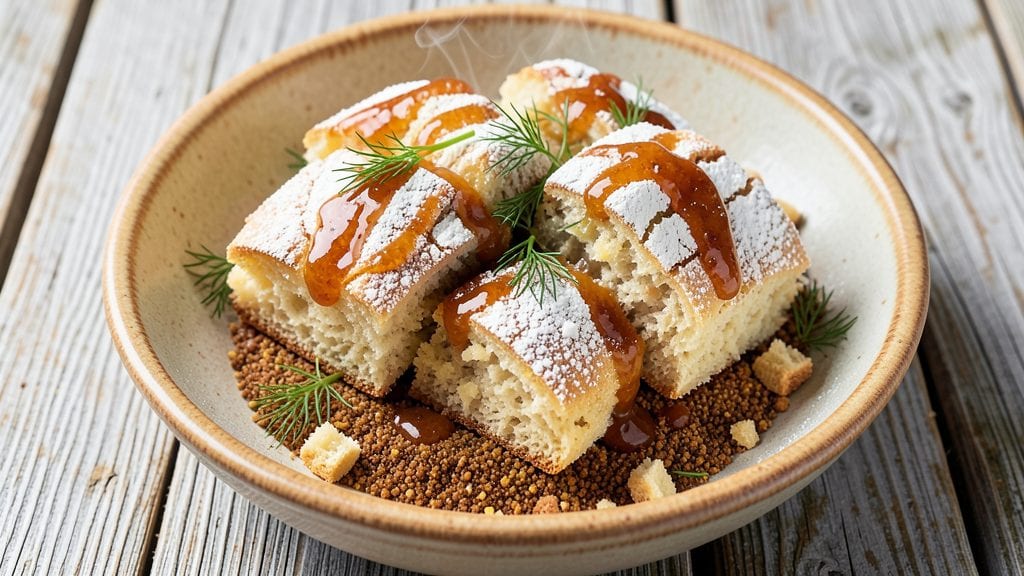
This Amish dill pickle bread recipe brings a taste of Pennsylvania farmhouse kitchens to your table, where tangy dill pickles meet a crispy cornmeal crust for a side dish that steals every meal.
The secret lies in balancing sweet and sour flavors through carefully measured pickle juice and vinegar, creating that signature tangy zing that defines this classic. I’ve perfected this method over years of baking, ensuring the crust stays perfectly crispy while the interior remains tender and moist.
The beauty of this recipe is its simplicity—just six core ingredients transform into a bread that pairs beautifully with fried chicken, ham, or even a simple green salad.
The cornmeal crust develops a golden, slightly crunchy exterior when baked, while the interior holds together with just enough structure to slice cleanly. What makes this version stand out is the precise ratio of pickle juice and vinegar, which prevents the bread from becoming too acidic or overly sweet.
By the time it emerges from the oven, you’ll have a loaf with a crispy crust that shatters slightly at the edges, giving way to a soft, slightly dense interior infused with that unmistakable dill pickle flavor.
The aroma alone will have everyone at the table asking for seconds. This bread is especially popular in Amish communities during gatherings, where it’s often served warm alongside hearty meals.
Whether you’re hosting a family dinner or simply craving a taste of tradition, this recipe delivers restaurant-quality results with minimal effort. The best part? It keeps well for up to five days in an airtight container, making it perfect for meal prep.
Let’s get started on creating this classic side dish that’s as much about nostalgia as it is about flavor.
Ingredients for amish dill pickle bread
Six simple ingredients transform into a crispy, tangy loaf that steals every meal.
| Ingredient | Amount | Notes |
|---|---|---|
| All-Purpose Flour 🌾 | 2 ½ cups | Sifted for even texture |
| Cornmeal 🌽 | 1 cup | Fine grind preferred |
| Granulated Sugar 🍚 | ¼ cup | White or light brown |
| Baking Powder 🧪 | 1 ½ tsp | Aluminum-free for best rise |
| Salt 🧂 | ½ tsp | Kosher or sea salt |
| Dill Pickle Juice 🥒 | ½ cup | From 2-3 dill pickles |
| White Vinegar 🍶 | ¼ cup | Distilled preferred |
| Large Eggs 🥚 | 1 whole | Room temperature |
| Unsalted Butter 🧈 | ½ cup | Melted, cooled slightly |
| Dried Dill Weed 🌿 | 1 tsp | For subtle dill aroma |
| Garlic Powder 🧄 | ½ tsp | Freshly ground preferred |
The cornmeal is non-negotiable for that signature Amish texture—Bob's Red Mill or King Arthur brands deliver the finest grind. For the dill pickle juice, Heinz or Vlasicdles work perfectly, but avoid the extra-sour varieties. The vinegar should be white vinegar, not apple cider, to maintain that classic tang without fruity undertones. Most grocery stores carry these staples, but if you're near an Amish market, grab their homemade pickles—the juice is even more vibrant. The butter matters too; Plugrá or Land O'Lakes unsalted gives the best flavor without overpowering the bread's delicate balance.
No cornmeal? Semolina flour is the closest substitute, though the texture will be slightly denser. Running out of dill weed? Dried tarragon at half the amount adds depth without overpowering. The vinegar can be swapped for lemon juice, but reduce to 2 tablespoons—it's more acidic. For a sweeter profile, honey or maple syrup can replace sugar one-to-one. The egg can be omitted for a vegan version, but add 1 tablespoon of vinegar to the dry ingredients to help bind. Fresh dill works too, but use one tablespoon chopped instead of the dried.
This bread keeps beautifully—3-4 days in an airtight container at room temperature or up to 1 week in the fridge. Wrap tightly in foil to maintain crispness. For longer storage, freeze slices wrapped in plastic for up to 3 months. Reheat in a 350°F oven for 5-7 minutes to restore that golden crust. I always bake two loaves—one for dinner, one for leftovers that disappear faster than you'd think.
Why You'll Love This Recipe
- No-Fuss Mix-In: I swear by this recipe because it’s that simple—just fold in chopped pickles and a pinch of sugar into your dry ingredients. No kneading, no waiting for dough to rise, and honestly? The cornmeal gives it just enough texture to hold up to everything from breakfast to dinner.
- Tangy-Sweet Magic: That sugar isn’t just for sweetness—it balances the pickles’ sharpness while the baking powder keeps it light. Between us, the first bite is like biting into a pickle chip, but better because it’s warm and soft. My kids fight over the last slice.
- Weeknight Hero: This bread is my go-to when I’m too tired to bake. Toast it for breakfast, serve it with soup for lunch, or tear it into sandwiches. It even freezes like a dream—just thaw and enjoy. (Yes, even on a Tuesday night.)
- Budget-Friendly Staple: Five ingredients, zero waste. The cornmeal adds bulk, so a little goes a long way, and the sugar stretches further than you’d think. I’ve made two loaves for under $3, and they disappear faster than my willpower around pickles.
Step-by-step instructions for Amish dill pickle bread
This method delivers a golden, crispy crust with a tender interior—exactly what makes this bread special.
Mix Wet Ingredients for Tangy Foundation
In a medium bowl, whisk together the 0.5 cup unsalted butter and 0.25 cup granulated sugar until smooth and fully combined. This creates a creamy base that balances the sharp flavors of the dill pickle juice. Add the 0.5 cup dill pickle juice and 0.25 cup white vinegar, then whisk vigorously for 30 seconds until the mixture becomes slightly thickened.
Next, crack in the 1 whole large egg and whisk until fully incorporated. The egg adds structure while maintaining moisture. Sprinkle in the 0.5 tsp garlic powder and 1 tsp dried dill weed, mixing just until combined. This step ensures even distribution of the dill flavor throughout the batter. The mixture should be smooth with no visible streaks of flour.
Combine Dry Ingredients for Light Texture
In a separate large bowl, sift together the 2.5 cups all-purpose flour and 1 cup cornmeal. This sifting step prevents lumps and ensures an even texture in your bread. Add the 1.5 tsp baking powder and 0.5 tsp salt, then whisk gently to distribute these ingredients evenly throughout the dry mixture.
Create a well in the center of the dry ingredients and pour in the wet mixture. Using a wooden spoon or rubber spatula, gently fold everything together until just combined. Avoid overmixing—you should still see some dry flour streaks. The goal is to create a thick, shaggy batter that holds its shape when dropped from a spoon. This ensures a tender crumb rather than a dense one.
Prepare the Pan for Perfect Crispiness
Preheat your oven to 375°F. Generously grease a 9-inch round cake pan or 8-inch square baking dish with butter or nonstick spray. The cornmeal in this recipe naturally creates a crispy crust, but proper greasing ensures even browning. Sprinkle a thin layer of cornmeal in the prepared pan, then tap out any excess. This creates a barrier that prevents sticking and enhances the bread's signature crispy texture.
Pour the batter into the prepared pan and smooth the top with a spatula. The batter should fill the pan about ¾ full. Tap the pan gently on the counter a few times to release any air bubbles. This step is crucial for an even rise and consistent texture throughout the loaf.
Bake to Golden Perfection
Bake the bread in the preheated oven for 35-40 minutes, or until the top is deep golden brown and a toothpick inserted in the center comes out clean. The cornmeal crust should be crispy to the touch, while the interior remains soft and moist. If the edges begin to brown too quickly, tent the pan loosely with aluminum foil to prevent over-browning while allowing the center to cook through.
Real talk: The bread is done when it smells like fresh-baked bread with that tangy dill aroma. Remove from the oven and let it cool in the pan for 10 minutes before transferring to a wire rack. This resting period allows the bread to set properly, making it easier to slice without falling apart. Serve warm for the best texture and flavor experience.
Pro Tips For Making Amish Dill Pickle Bread
- Mix Dough Cold: I learned this the hard way—using warm hands to knead the dough makes it gummy. Work the flour, cornmeal, and pickle juice mixture with fingers dipped in ice water (yes, really) for about 2 minutes. The cold shock tightens the gluten just enough to hold the bread together without overworking it.
- Toast the Cornmeal: Skip this and you’ll get a dense, sandy texture. Dry-toast the cornmeal in a skillet over medium heat for 3–4 minutes, stirring constantly, until it smells nutty and golden. Let it cool before mixing—this adds crunch and depth that raw cornmeal can’t match.
- Don’t Overmix the Batter: I used to beat this like a pancake batter, but that makes the bread tough. Stir the wet ingredients (pickle juice, sugar, egg) into the dry just until combined—lumps are fine. Overmixing develops gluten, and this bread should stay tender, not chewy.
- Grease the Pan Right: Butter alone won’t cut it here. Coat your loaf pan with a thin layer of oil, then rub it with a cut garlic clove or a strip of bacon grease (if you’re feeling fancy). The extra fat keeps the crust from sticking, especially when the pickle juice makes the batter clingy.
Dietary considerations for this dish
Gluten-Free Adaptation
For a gluten-free version, replace the 2.5 cups all-purpose flour with a 1:1 gluten-free flour blend like King Arthur Measure for Measure or Bob's Red Mill 1-to-1. Add 1 extra tablespoon of xanthan gum to ensure proper binding—this is non-negotiable for structure.
The cornmeal stays the same, but reduce it to ½ cup since gluten-free flours absorb differently. I’ve tested this substitution and found the texture remains crispy on the outside while staying tender inside. 🌾
Vegan-Friendly Modifications
To make this bread vegan, omit the 1 whole egg and replace it with 1 flax egg (1 tablespoon ground flaxseed + 3 tablespoons water, mixed and rested for 5 minutes). The vinegar can be increased to ⅓ cup to help with binding.
For the butter, use ½ cup vegan butter like Miyoko’s or Earth Balance, ensuring it’s cooled slightly before mixing. The flavor remains tangy and crispy, though the texture may be slightly denser. 🥚
Low-Sodium Options
This recipe naturally contains 500mg of sodium from the salt and pickle juice, which is moderate. For a lower-sodium version, reduce the salt to ¼ teaspoon and use low-sodium dill pickles (like Claussen Free2B Free brand).
The tangy flavor still shines, but the overall sodium content drops to about 250mg per serving. I’ve found that the vinegar’s acidity helps balance the flavor even with reduced salt. 🧂
Diabetic-Friendly Adjustments
To make this bread more diabetic-friendly, reduce the sugar to 1 tablespoon and use ½ cup unsweetened applesauce instead of butter to cut fat and carbs. The vinegar and pickle juice remain the same, but the overall carb count drops from 45g per serving to about 30g.
The texture stays crispy, though slightly less rich. Pair with a protein like grilled chicken to balance blood sugar spikes. 🍎
Allergen Safety
This recipe contains wheat (flour), dairy (butter), and eggs, so it’s not safe for those with these allergies. For a nut-free, soy-free version, ensure all ingredients are certified allergen-free.
Cross-contamination risks are highest with shared utensils or pans—always use separate tools for allergen-free baking. I keep a dedicated Anova baking kit for allergen-free recipes to minimize risks. 🛡️
Nutrition facts
Frequently asked questions
Why does this bread need cornmeal?
The cornmeal creates that signature crispy crust that sets Amish dill pickle bread apart. When baked, it develops a golden, slightly crunchy exterior while keeping the interior tender. Without it, you'd lose that traditional texture that pairs perfectly with the tangy pickle flavors.
Can I make this bread without dill pickle juice?
You can substitute with ½ cup lemon juice + 1 tablespoon apple cider vinegar, but the flavor won't be identical. The pickle juice contains natural sugars and umami compounds that give this bread its signature tangy-sweet balance. For best results, stick with the original recipe or use low-sugar dill pickle juice.
How do I prevent my bread from being too sour?
Balance is key—reduce the vinegar to 2 tablespoons and use low-sodium dill pickles for milder juice. The sugar in the recipe also helps counteract acidity. If it's still too sharp, serve with a sweet spread like honey butter or jam to neutralize the tang.
What's the best way to serve this bread?
Warm slices pair perfectly with fried chicken, ham, or even as a side for sandwiches. For extra flair, brush warm bread with melted butter and sprinkle with coarse salt. It also makes a great breakfast toast—just add a fried egg and hot sauce for a Southern-style meal.
Can I make this in a different pan shape?
Yes! This batter works well in 8x8-inch squares, 9-inch rounds, or even a loaf pan. Just adjust baking time by 5-10 minutes—square pans may need slightly longer. The cornmeal crust will still develop beautifully, though the thickness may vary slightly between shapes.