Main Courses
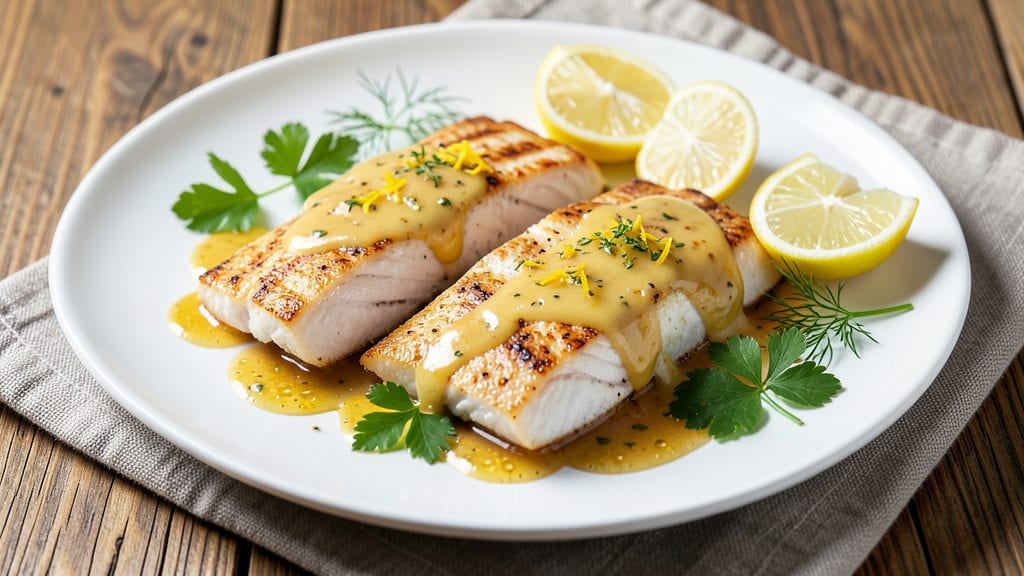
A zesty lemon butter fish fillet recipe transforms simple weeknight dinners into restaurant-worthy meals with minimal effort. The secret lies in balancing bright citrus with rich butter, creating a crust that's both fragrant and tender.
After years of perfecting this technique, I've developed a method that delivers foolproof results every time—no overcooking, no dry fish, just melt-in-your-mouth perfection.
This recipe begins with a simple marinade of lemon juice, garlic, and herbs that infuses the fish with vibrant flavor while keeping it ultra-tender. The real magic happens when you sear the fillets in butter until golden, then finish them under the broiler for a crispy crust.
The result is fish with a bright, zesty exterior and a delicate, flaky interior that practically melts in your mouth.
What makes this dish truly special is how it elevates basic ingredients into something extraordinary. The lemon butter sauce isn't just a topping—it's a flavor bomb that ties everything together, adding a tangy brightness that cuts through the richness of the fish.
Whether you're serving it as a main course or part of a seafood spread, this recipe delivers professional-quality results in under 30 minutes.
The best part? This method works with nearly any white fish—cod, tilapia, or halibut—making it incredibly versatile. Pair it with roasted vegetables or a fresh salad to complete the meal. Let's get started on creating this bright, citrusy masterpiece that will have everyone asking for seconds.
Ingredients for zesty lemon butter fish fillet
Bright citrus meets rich butter in this restaurant-quality fish fillet recipe.
| Ingredient | Amount | Notes |
|---|---|---|
| White Fish Fillets 🐟 | 4 whole | Cod, tilapia, or halibut preferred |
| Unsalted Butter 🧈 | ½ cup | Cold, cut into 8 pieces |
| Fresh Lemon Juice 🍋 | ¼ cup | From 2-3 medium lemons |
| Garlic Cloves 🧄 | 4 cloves | Minced, fresh preferred |
| Fresh Parsley 🌿 | ¼ cup | Chopped, stems removed |
| Fresh Dill 🌿 | 0.15 cup | Chopped, stems removed |
| Kosher Salt 🧂 | 1 ½ tsp | Fine grain preferred |
| Ground Black Pepper 🌶️ | ½ tsp | Freshly ground preferred |
| Extra-Virgin Olive Oil 🫒 | 1 tbsp | For dredging fish |
| All-Purpose Flour 🌾 | 2 tbsp | For light coating |
| Lemon Zest 🍋 | 1 tbsp | From 1 lemon, fine |
The fish is the star, so quality matters. Wild-caught cod or halibut from the seafood counter delivers the best texture—look for firm, translucent fillets with no fishy odor. Whole Foods or local fish markets often carry superior options, but don't overlook your grocery store's frozen section—Trader Joe's has excellent pre-portioned fillets that work perfectly. The butter should be cold and unsalted—European-style brands like Plugrá or Kerrygold create a richer crust. For the citrus, use freshly squeezed juice and zest—bottled lemon juice lacks the bright, complex flavor needed here.
No cod? Tilapia or mahi-mahi work equally well—they're more affordable and still deliver that tender bite. Running out of fresh herbs? Dried dill at half the amount gets you close, but fresh is ideal for that vibrant punch. The flour coating is optional but recommended—it helps create that perfect crispy crust. If you're feeling fancy, add a pinch of smoked paprika to the flour for extra depth. For the lemon juice, if you can't use fresh, reconstituted powdered lemon juice works in a pinch (just add water). The key is balancing the acidity—don't overdo it, or the fish will turn tough.
Prep the fish just before cooking—it's best served immediately. If you need to store leftovers, keep them in an airtight container with a thin layer of lemon juice on top to preserve freshness. This dish reheats beautifully in the oven at 300°F for 5-7 minutes, though it's best enjoyed fresh. The butter sauce can be made ahead and reheated gently—just add a splash of milk or water to loosen it. For meal prep, portion the fish into single servings and store with a separate container of sauce to keep everything fresh.
Why You'll Love This Recipe
- Five-Ingredient Magic: I swear by this combo—just butter, lemon, garlic, fish, and parsley. That’s it. No fancy pantry raids or last-minute grocery runs. Honestly, if I only had these five things in my fridge, I’d still make this.
- Bright & Buttery Balance: The lemon cuts through the richness of the butter like a summer breeze, while the garlic and parsley add layers that make every bite sing. Not too heavy, not too tart—just right. That crispy skin? Chef’s kiss.
- Weeknight & Weekend Win: Throw these fillets on the table for a fancy dinner or pack them for lunch the next day. They reheat beautifully, and the flavors only get better as they sit. My daughter’s school friends have eaten this—yes, even on a Tuesday night.
- Budget-Friendly Luxury: White fish is affordable, and this recipe stretches a small pack into multiple meals. Between us, this is how I trick myself into feeling fancy without breaking the bank. Plus, the leftovers taste just as good cold.
Step-by-step instructions for zesty lemon butter fish fillet
This method delivers perfectly tender fish with a bright citrus crust every time.
Prepare the Lemon Butter Sauce
In a small saucepan, combine the 0.5 cup unsalted butter and 1 tbsp lemon zest over low heat. Let it melt completely, then remove from heat and stir in the 0.25 cup fresh lemon juice and 4 cloves minced garlic. Keep this mixture warm while you prepare the fish.
Here's the thing—this sauce needs to stay warm but not boil. If it gets too hot, the lemon flavor will cook away. The butter should be melted but not browned, and the garlic should be fragrant but not crispy. This sauce will finish cooking when it coats the fish in the last step.
Season and Dredge the Fish Fillets
Place the 4 whole white fish fillets on a clean work surface. In a shallow dish, mix the 2 tbsp all-purpose flour, 1.5 tsp kosher salt, and 0.5 tsp ground black pepper. Lightly dredge each fillet on both sides, shaking off any excess.
Don't press too hard when dredging—just enough to create a thin, even coating. The flour will create a delicate crust that crisps beautifully in the pan. If you pack the flour too thickly, the fish might not cook through properly. A light, even layer is key for that perfect texture.
Sear the Fish to Golden Perfection
Heat a large skillet over medium-high heat and add the 1 tbsp extra-virgin olive oil. When the oil is shimmering, add the dredged fish fillets. Cook for 3-4 minutes per side until the edges are golden brown and the fish releases easily from the pan.
You'll know it's ready when the crust turns a beautiful golden color and the fish flakes easily with a fork. Overcooking is the biggest mistake here—fish continues cooking even after you remove it from heat. The internal temperature should reach 145°F when done.
Finish with Warm Lemon Butter Sauce
Remove the fish from the skillet and transfer to a serving platter. Pour the warm lemon butter sauce over the top, letting it cascade evenly across each fillet. Sprinkle with 0.25 cup chopped fresh parsley and 0.15 cup chopped fresh dill for freshness.
Let the fish rest for 2 minutes before serving. This resting time allows the sauce to meld with the fish and the flavors to fully develop. The result should be tender, flaky fish with a bright, zesty crust that's crispy on the outside and moist on the inside.
Serve Immediately with Fresh Herbs
Garnish each fillet with an additional sprinkle of fresh dill and parsley. Serve with lemon wedges on the side for squeezing extra brightness over each bite. The fish should be served immediately while the sauce is still warm and the herbs are vibrant.
This dish pairs beautifully with roasted vegetables or a simple arugula salad. The lemon butter sauce adds a bright, tangy contrast to the delicate fish, making every bite feel special. The key to success is keeping everything hot and serving it fresh from the pan.
Pro Tips For Making Zesty Lemon Butter Fish Fillet
- USE LOW AND SLOW: Fish fillets are delicate—don’t blast them on high heat or they’ll turn rubbery. Start with a medium-low pan and let the butter melt gently before adding the fish, then cook just until the center flakes easily (about 3-4 minutes per side). I learned this the hard way when my first batch came out dry and sad.
- ZEST THE GARLIC: Skip mincing—rub the raw garlic cloves on the cut side of a butter knife to release their oils, then mash it into the butter. This keeps the flavor intense without burning, and the texture stays smooth. (Yes, it looks weird, but it works every time.)
- SALT THE FISH FIRST: Season the fillets with salt before they hit the pan—this draws out moisture, helping the butter cling better. I used to skip this, and the sauce would pool like a sad puddle instead of caramelizing into a glossy finish.
- SAVE THE LEMON PEEL: After juicing, rub the leftover zest over the cooked fish—it adds a bright, aromatic punch without overpowering. (Just don’t use the bitter white pith.) It’s the one thing that makes this dish taste restaurant-worthy with minimal effort.
Pro cooking tips for perfect results
Pan Temperature Control
Getting the pan temperature just right is everything—too hot and your fish burns, too cool and it turns rubbery. I use a cast-iron skillet (like my Lodge) because it retains heat so well.
Heat it over medium-high heat until it's smoking hot when you flick a drop of water—this ensures a perfect sear. If your pan isn't hot enough, the butter will steam instead of brown, and you'll lose that beautiful crust. 🔥
Butter Browning Secrets
The magic happens when the butter browns just slightly—this adds nutty depth to the sauce. Start with cold butter cubes so they melt gradually. As they foam and turn golden, tilt the pan to baste the fish with the bubbling butter.
If the butter starts to smoke, remove the pan from heat for 10-15 seconds to cool it down. This technique creates that restaurant-quality crust we're after.
Fish Placement Matters
Don't crowd the pan—this lowers the temperature and steams the fish instead of searing it. Arrange the fillets 1 inch apart so they have room to crisp. If your pan is too small, work in batches.
I use a 10-inch skillet for 4 fillets, and it fits perfectly. Once the edges are golden, flip carefully using a thin fish spatula—I recommend the OXO Good Grips model.
Sauce Timing Trick
The sauce needs to finish cooking when it hits the fish, so keep it warm but not boiling. After searing, pour the warm lemon butter sauce directly over the fish and let it sit for 30 seconds before serving.
This ensures the sauce absorbs into the crust rather than pooling on top. The residual heat from the pan will finish cooking the sauce perfectly. 💡
Resting for Flakiness
Skipping the rest is a common mistake—I see people serve this dish immediately, and the fish falls apart messily. Let it rest for 2 minutes on a warm plate before serving.
This allows the fibers to relax and the juices to redistribute. The result? Fish that flakes beautifully with each forkful, not a dry, crumbly mess.
Herb Garnish Technique
Fresh herbs should be added at the very end to preserve their vibrant color and flavor. Use a microplane to finely chop parsley and dill—this creates a delicate, even layer. Sprinkle them over the fish just before serving so they stay crisp.
I also like to add a pinch of flaky sea salt (like Maldon) right before eating for that final pop of flavor. ✨
Nutrition facts
Frequently asked questions
Can I use frozen fish for this recipe?
Yes, but thaw it properly first! Place frozen fillets in the refrigerator overnight or use the quick thaw method: seal in a leak-proof bag and submerge in cold water for 30 minutes. Never thaw at room temperature—it promotes bacterial growth. Pat dry thoroughly before cooking to ensure a good sear.
How do I adjust this recipe for thicker fish fillets?
For fillets over 1-inch thick, reduce cooking time by 1 minute per side (they cook faster). Test doneness with a fork—it should flake easily when reaching 145°F internally. The butter sauce will help compensate for any slight dryness in thicker cuts.
What if I don't have fresh herbs?
Use 1 teaspoon dried dill and 1 teaspoon dried parsley instead of fresh, but add them to the sauce at the very end to preserve flavor. For extra brightness, add ½ teaspoon lemon pepper seasoning to the flour mixture. The lemon butter still shines without fresh herbs!
Can I make this dish ahead of time?
Prepare the sauce up to 1 day ahead and store it in the fridge. Reheat gently over low heat with a splash of milk or water. Cook the fish fresh day-of—it's best served immediately. For meal prep, portion the sauce separately and assemble just before eating to maintain crispness.
Why did my fish turn out dry?
Overcooking is the #1 cause—fish continues cooking after leaving the pan. Use a meat thermometer to check 145°F internal temp. Also, avoid pressing on fillets with a spatula while cooking. The flour coating should be light, not thick. For extra moisture, add 1 tablespoon cream to the butter sauce.