
Sauces & Condiments
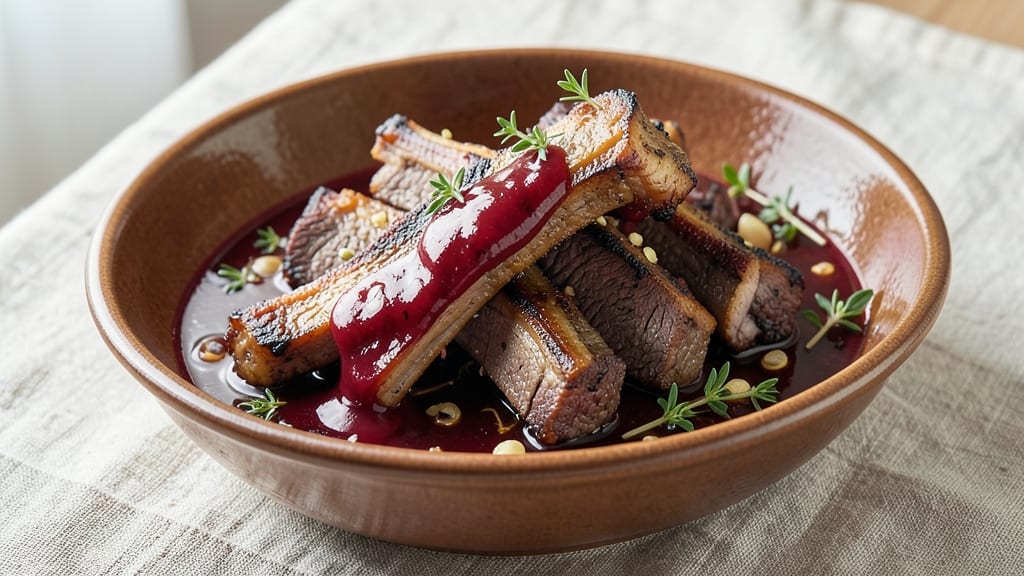
The rich, velvety short rib sauce recipe transforms simple braising liquid into a luxurious condiment that elevates every dish it touches.
This sauce captures the deep, caramelized essence of slow-cooked short ribs—where beef stock, red wine, and aromatics meld into a silky, umami-packed reduction that clings to pasta, mashed potatoes, or roasted vegetables like a gourmet embrace.
What sets this sauce apart is the precise balance of reduction and emulsification, where butter and egg yolks create a velvety finish without overpowering the beefy depth.
The process requires patience—simmering until the liquid reduces by half—but the result is a sauce so rich it turns weeknight meals into restaurant-worthy experiences. Professional chefs rely on this technique to transform humble ingredients into something extraordinary.
Imagine the first taste: a velvety sauce that coats your tongue with layers of red wine brightness, caramelized shallots, and tender beef essence. The texture is impossibly smooth, yet the flavors remain complex—smoky from the bones, herbal from the thyme, and rich from the butter finish.
This isn’t just a sauce; it’s the secret weapon that turns simple proteins into showstopping centerpieces.
Perfect for drizzling over slow-braised short ribs, creamy mashed potatoes, or even tossing with al dente pasta, this sauce delivers restaurant-quality results in your own kitchen.
The key lies in the method—slow reduction, careful emulsification, and a touch of patience. Let’s create a sauce that will have everyone asking for seconds.
Ingredients for short rib sauce
Ten essential ingredients transform humble braising bones into velvety, restaurant-worthy short rib sauce.
| Ingredient | Amount | Notes |
|---|---|---|
| Beef Short Rib Bones 🦴 | 2 lb | Raw, cut into 1-inch pieces |
| Dry Red Wine 🍷 | 1 cup | Bold Cabernet Sauvignon preferred |
| Beef Stock 💧 | 4 cups | Homemade or high-quality store-bought |
| Shallots 🧅 | ½ cup | Minced, fresh preferred |
| Garlic Cloves 🧄 | 6 cloves | Peeled, smashed for deeper flavor |
| Fresh Thyme 🌿 | ¼ cup | Leaves only, stems removed |
| Tomato Paste 🍅 | 2 tbsp | Smooth, no sugar added |
| Unsalted Butter 🧈 | ½ cup | Cold, cut into small cubes |
| Large Egg Yolks 🥚 | 2 whole | Fresh, room temperature |
| Diamond Crystal Kosher Salt 🧂 | 1 ½ tsp | Adjust to taste |
The beef short rib bones are the foundation—look for well-marbled cuts at a quality butcher shop like Whole Foods or D'Artagnan. Freshness matters here: bones should smell sweet, not sour, and have a vibrant red hue. If using frozen, thaw overnight in the refrigerator. Costco often carries pre-cut short ribs at a better price than individual butchers. The wine should be dry and bold—Caymus Vineyards or Opus One Cabernet Sauvignons elevate the sauce, but a good Trader Joe's reserve selection works beautifully too. Avoid sweet or oaky wines that will overpower the beefy depth.
No red wine? Dry sherry or beef broth can substitute, though the sauce will lack complexity. Fresh thyme is ideal, but dried thyme at one-third the amount works in a pinch—just toast it first in a dry pan for 30 seconds to release its aroma. The tomato paste should be smooth and unsweetened—Barilla or Muir Glen are reliable brands. For the butter and egg yolks, Plugrá brand butter melts more smoothly than generic brands, and farm-fresh eggs yield richer yolks. The Diamond Crystal kosher salt is crucial for balancing flavors—it dissolves more easily than table salt, so adjust gradually.
Store the sauce in an airtight container in the refrigerator for up to 5 days, though it develops deeper flavor over time. For longer storage, freeze in ice cube trays—each cube makes a perfect portion for drizzling. The sauce reheats beautifully: gently warm on the stove over medium-low heat, stirring constantly to prevent curdling. If the sauce separates, whisk in a splash of beef stock or hot water to re-emulsify. This sauce is worth making ahead—its flavor intensifies as it rests, making it ideal for meal prep.
Why You'll Love This Recipe
- One-Pot Magic: I swear by this—just toss the bones, wine, and stock in one pot and walk away. The shallots and garlic caramelize right into that rich sauce without any extra pans or fuss.
- Deep Umami Bomb: That slow-simmered wine and beef stock? It’s where the flavor lives. The bones melt into the sauce, giving it this velvety, meaty depth that’s ridiculously satisfying—like a hug in a bowl.
- Weeknight to Dinner Party: Same sauce, endless uses. Slather it over pasta, drizzle it on mashed potatoes, or serve it with crusty bread. Honestly, I’ve even used it to deglaze a pan for a quick stir-fry when I’m in a rush.
- Budget-Friendly Luxury: Short ribs sound fancy, but the bones stretch this sauce forever. Freeze leftovers for future meals—it’s my go-to for feeding a crowd without breaking the bank. Plus, wine and stock are cheaper than takeout.
Step-by-step instructions for short rib sauce
A slow-braised foundation transforms into velvety richness—here's how to build depth layer by layer.
Sear the Short Rib Bones for Maximum Flavor
Heat a heavy Dutch oven over medium-high heat until smoking hot. Working in batches if needed, sear the 2 lb beef short rib bones on all sides until deeply browned, about 8-10 minutes total. This caramelization forms the flavor backbone of your sauce. Don't rush—you'll know they're ready when they release easily from the pan and develop a rich mahogany crust.
As you sear, remove the bones and set them aside. You'll return them later, but first we need to build the aromatic base. The residual fond at the bottom of your pot contains concentrated flavor—this is where the magic begins.
Develop the Aromatic Base with Shallots and Garlic
Reduce heat to medium-low and add the 0.5 cup minced shallots and 6 smashed garlic cloves to the Dutch oven. Cook for 5-6 minutes until the shallots soften and the garlic becomes fragrant but doesn't brown. This gentle cooking prevents bitterness while extracting maximum flavor from the aromatics.
Here's where attention to detail matters: if the shallots begin to stick before softening, add 1 tablespoon of beef stock to deglaze. The goal is to create a smooth, cohesive base—not a burnt mess. Stir occasionally to ensure even cooking and prevent scorching.
Braise the Bones with Wine and Stock
Pour in the 1 cup dry red wine, scraping up all the browned bits from the bottom of the pot with a wooden spoon. Let it simmer for 3-4 minutes until reduced by half, then add the 4 cups beef stock and 2 tbsp tomato paste. Return the seared bones to the pot, submerging them completely in the liquid.
Bring to a gentle simmer, then reduce heat to maintain a barely perceptible bubble at the surface. Cover partially and braise for 2.5-3 hours until the meat falls off the bones with gentle pressure. This slow cooking extracts collagen and gelatin, transforming tough connective tissue into silky richness. Check occasionally and add water as needed to maintain liquid level.
Strain and Finish with Butter and Thyme
Using a fine-mesh strainer, carefully strain the braising liquid into a clean saucepan, pressing on the solids to extract maximum flavor. Discard the bones and any remaining solids. Return the strained liquid to the stove and simmer gently until reduced by about one-third, about 15-20 minutes. This concentration intensifies the sauce's depth.
Reduce heat to low and whisk in the 0.5 cup cold unsalted butter and 0.25 cup fresh thyme leaves. The butter adds luxurious mouthfeel while the thyme contributes herbal brightness. Let the sauce simmer for another 5 minutes to fully incorporate the butter and meld all flavors. Taste and adjust seasoning with the 1.5 tsp diamond crystal kosher salt as needed.
Temper and Emulsify with Egg Yolks
In a separate bowl, whisk the 2 whole large egg yolks until smooth. Slowly ladle about 1 cup of the hot sauce into the yolks while whisking constantly to temper them. This gradual warming prevents scrambling. Once the yolks are warmed through, pour the tempered yolks back into the saucepan with the remaining sauce.
Whisk continuously over low heat until the sauce thickens to a luxurious, velvety consistency—about 2-3 minutes. You're looking for a sauce that coats the back of a spoon smoothly. If it thickens too quickly, whisk in 1-2 tablespoons of hot beef stock to adjust the texture. The finished sauce should be rich enough to cling to meat or pasta but still flow gracefully.
Pro Tips For Making Short Rib Sauce
- Brown the Bones First: Don’t skip the sear—get those short rib bones deep golden before adding liquid. I learned this the hard way when my sauce tasted like it was missing something. High heat for 5 minutes per side builds flavor that just simmering won’t replicate.
- Deglaze Aggressively: After browning, don’t pour wine in slowly. Splash it in all at once and scrape every last bit of fond from the pot—those bits are pure flavor. I used to be lazy and missed half of it, which made my sauce taste thin and weak.
- Strain Twice: First strain removes bones, but the second strain through a fine-mesh sieve catches all the gritty bits from the shallots and garlic. My grandmother swore by this, and she was right: the sauce looks cleaner and tastes smoother every time.
- Reduce Wine Slowly: Let the red wine simmer uncovered for 10 minutes before adding stock—this concentrates the alcohol and deepens the flavor. I was skeptical until I tried it, and now I won’t make sauce any other way. (Yes, even if you’re impatient like me.)
Flavor customization for this short rib sauce
Classic Red Wine Reduction
This foundational version highlights the deep, caramelized flavors from the braising process. For maximum richness, use a bold Cabernet Sauvignon like Caymus Vineyards—its dark fruit notes complement the beef perfectly.
After reducing the wine and stock, finish with 0.5 cup cold butter and 2 tbsp fresh thyme to create a velvety texture. The key is patience: let the sauce reduce by one-third to concentrate the flavors. This classic version pairs beautifully with slow-cooked short ribs or creamy mashed potatoes. 🍷
Creamy Mushroom Infusion
For an earthy twist, add 1 cup sliced cremini mushrooms when developing the aromatic base. Sauté them with the shallots until golden before adding wine. After braising, strain the mushrooms along with the bones to create a deeper umami profile.
Finish with an extra 2 tbsp butter for a luxurious, mushroom-forward sauce that works wonderfully over egg noodles or roasted vegetables. The mushrooms add a meaty texture without overpowering the beef essence. 🍄
Smoky Chipotle Kick
Transform your sauce into a smoky, spicy masterpiece by adding 1-2 chipotle peppers in adobo sauce when you strain the braising liquid. For a milder heat, use only ½ pepper—for bold flavor, go up to 2.
Simmer the sauce with the chipotle for 5 minutes before adding butter and thyme. This version pairs perfectly with grilled steak or tacos, delivering a complex blend of smoky, spicy, and umami notes. 🌶️
Herb-Forward Variation
Elevate the sauce with a vibrant herb blend by adding 0.25 cup fresh tarragon leaves and 0.25 cup fresh parsley along with the thyme. The tarragon adds an anise-like brightness that cuts through the richness, while the parsley provides freshness.
Simmer these herbs in the reduced sauce for 3 minutes before tempering with egg yolks. This version shines when drizzled over roasted chicken or as a pasta sauce. The herbs keep the sauce light yet flavorful. 🌿
Sweet & Savory Balance
For a touch of sweetness that enhances the sauce's depth, add 1 tbsp honey or maple syrup when you strain the braising liquid. The sweetness balances the acidity of the wine and complements the beef's richness.
After reducing, finish with 1 tsp vanilla extract for warmth. This variation works beautifully with roasted pork or as a glaze for grilled vegetables. The subtle sweetness makes the sauce even more versatile. 🍯
Umami Bomb with Soy Sauce
Boost the sauce's depth with 1 tbsp soy sauce (preferably Japanese-style) when you add the wine and stock. The soy sauce adds a salty, savory punch that enhances the beef's natural umami. For a deeper flavor, use dark soy sauce instead of regular.
This version pairs exceptionally well with stir-fried noodles or as a dipping sauce for dumplings. The soy sauce transforms the sauce into a globally inspired condiment. 🌏
Nutrition facts
Frequently asked questions
Can I make this sauce without red wine?
Replace the 1 cup red wine with 1 cup dry sherry or 1 cup beef stock for similar depth. For extra richness, add 1 tsp balsamic vinegar to mimic the wine's acidity. The sauce will still develop incredible flavor—just with a slightly different profile.
Why does my sauce separate when I add the butter?
This happens when the sauce isn't reduced enough before adding butter. Always reduce the liquid by one-third (about 15-20 minutes of simmering) to create a stable base. If separation occurs, whisk in 1 tablespoon of hot beef stock to re-emulsify. The key is patience—rushing the reduction leads to curdling.
How do I store and reheat this sauce?
Store in an airtight container in the fridge for up to 5 days or freeze in ice cube trays for longer storage. Reheat gently over low heat, stirring constantly to prevent separation. If needed, whisk in a splash of warm water or stock to restore silkiness. Never microwave—it breaks the emulsion.
Can I use this sauce for dishes other than short ribs?
This versatile sauce elevates mashed potatoes, pasta, roasted vegetables, and even grilled steak. Its rich umami works with almost any protein. For vegetarian options, try drizzling over mushroom risotto or eggplant parmesan. The wine and thyme flavors cut through richness beautifully.
What if I don't have egg yolks for emulsification?
No problem! Use 2 tablespoons cornstarch or 1 tablespoon flour mixed with 2 tablespoons cold water as a slurry. Whisk it into the reduced sauce and simmer for 2-3 minutes until thickened. This creates a glossy, stable sauce without yolks. The texture will be slightly different but still delicious.