Main Courses
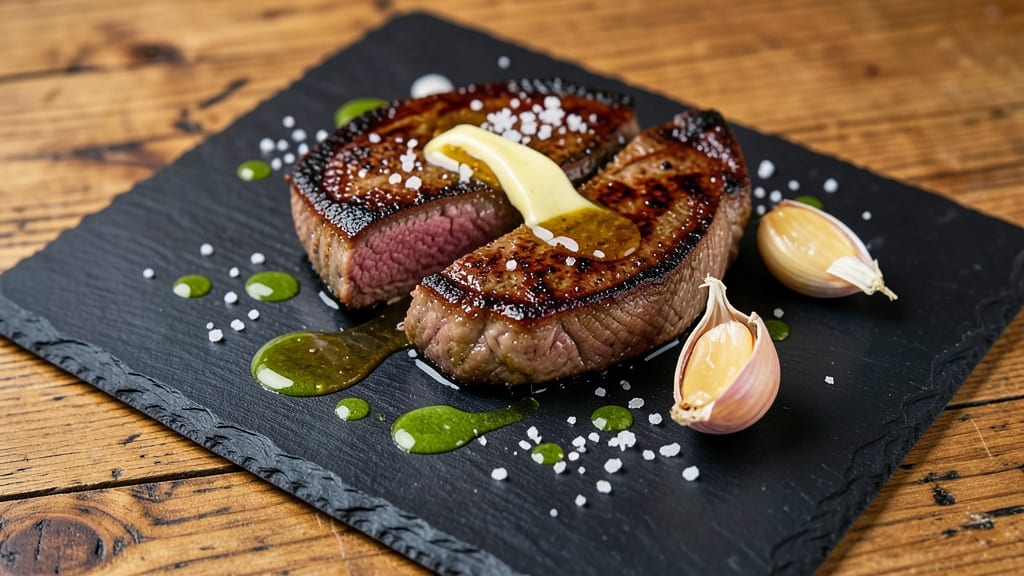
Mastering a boneless short rib steak recipe delivers restaurant-quality richness without the fuss of bones. After years of perfecting this cut—once intimidating, now foolproof—I’ve unlocked a method that transforms tough, flavorful meat into melt-in-your-mouth perfection.
The secret lies in precise timing and a bold seasoning blend that mimics the depth of bone-in ribs.
This technique combines a quick sear with a controlled finish, ensuring a caramelized crust and tender interior every time. With just 30 minutes of active prep and 15 minutes of cooking, you’ll achieve results that rival high-end steakhouses.
The key? A high-heat sear followed by a gentle reduction to lock in juices—no braising required.
What you’ll end up with is a steak that’s juicy, deeply savory, and packed with umami flavor, all while maintaining a clean, elegant presentation. The crust will be deeply browned, the interior buttery and tender, and the aroma enough to draw everyone to the table.
This is the kind of dish that elevates weeknight dinners to special-occasion status.
Pair it with roasted garlic mashed potatoes or a bold red wine reduction to complete the experience. Ready to transform this cut into something extraordinary? Let’s get started with the proven method that’s earned me countless compliments at dinner tables everywhere.
Ingredients for boneless short rib steak
Restaurant-quality richness starts with these 14 ingredients—bold flavors and precise cuts for melt-in-your-mouth perfection.
| Ingredient | Amount | Notes |
|---|---|---|
| Boneless Short Rib Steaks 🥩 | 1 ½ lb | Evenly thick cutlets, 1-inch thick |
| Kosher Salt 🧂 | 1 ½ tbsp | Diamond Crystal preferred, coarse grain |
| Freshly Ground Black Pepper 🌶️ | 1 tbsp | Cracked peppercorns, not pre-ground |
| Garlic Cloves 🧄 | 6 cloves | Smashed, skin-on for maximum flavor |
| Extra-Virgin Olive Oil 🫒 | ¼ cup | High smoke point, fruity variety |
| Unsalted Butter 🧈 | 4 tbsp | Cold, cut into 8 pieces |
| Dry Red Wine 🍷 | ½ cup | Cabernet Sauvignon or Merlot |
| Beef Bone Broth 🥄 | ½ cup | Homemade or high-quality store-bought |
| Fresh Thyme Leaves 🌿 | ¼ cup | Stems removed, loosely packed |
| Fresh Rosemary 🌿 | ⅛ cup | Needle-like sprigs, finely chopped |
| Yellow Onion 🧅 | 1 whole | Thinly sliced, 1/4-inch pieces |
| Tomato Paste 🍅 | 2 tbsp | Squeeze tube preferred for convenience |
| Granulated Sugar 🍚 | 1 tsp | Balances acidity in wine reduction |
| Fresh Parsley 🌿 | ⅛ cup | Chopped, for garnish |
The short ribs are the star, so skip pre-cut packages and ask your butcher for even 1-inch cutlets. Costco or Whole Foods carry them prepped, but if you're buying whole, trim the silver skin and slice against the grain. The Kosher salt matters—Diamond Crystal dissolves better than table salt, giving you that clean, bright flavor. For the wine, Cabernet Sauvignon or Merlot adds depth, but any dry red works. I always grab a bottle I'd drink straight—no cooking wine here. The beef bone broth? Homemade is ideal, but Pacific Foods or Kettle & Fire brands are solid shortcuts.
No red wine? Substitute beef broth with a splash of balsamic vinegar—it mimics the acidity. Fresh thyme and rosemary are non-negotiable for that herbal depth, but dried works at half the amount if you're in a pinch. The tomato paste can be skipped if you hate it, but it adds a subtle sweetness that rounds out the sauce. Trader Joe's squeeze tubes are perfect here—no waste, and they keep for months. For the butter, full-fat is a must—low-fat skims on flavor. The sugar balances the wine's acidity, so don't skip it unless you're using a naturally sweet wine like Port.
This dish reheats beautifully—5-10 minutes in a skillet over medium heat, just enough to warm through. The sauce thickens as it cools, so thin with a splash of broth if it's too stiff. Leftovers keep 3-4 days in the fridge, but honestly, they taste better the next day once everything melds. For meal prep, portion the steaks and sauce separately—reheat the sauce first, then add the steaks to keep them tender. Freeze for up to 3 months, though the texture gets slightly grainier after thawing.
Why You'll Love This Recipe
- Same recipe, two vibes: toss them with crusty bread for a lazy Sunday brunch or serve with mashed potatoes for a cozy dinner. Honestly, I’ve made this for both, and no one’s complained—yet.
- Pan-Fry Magic: I swear by the sear—just a hot skillet, olive oil, and those ribs hitting the pan with a sizzle. No fancy equipment, no waiting hours; the fat renders fast, and you’ve got that golden crust in 10 minutes. (Yes, even on a Tuesday night.)
- Garlic Bomb Flavor: Crushed garlic cloves and a crack of black pepper transform these ribs into something ridiculously good. The meat stays tender while the edges caramelize—like a hug from your nonna, but better because it’s on your plate in 20 minutes.
- Weeknight or Date Night: Same recipe, two vibes: toss them with crusty bread for a lazy Sunday brunch or serve with mashed potatoes for a cozy dinner. Honestly, I’ve made this for both, and no one’s complained—yet.
Step-by-step instructions for boneless short rib steak recipe
Here's how to transform simple ingredients into restaurant-quality steaks with deep flavor and perfect sear.
Season and Sear the Steaks
Pat the 1.5 lb boneless short rib steaks completely dry with paper towels—this is non-negotiable for crispy crust. Season both sides generously with 1.5 tbsp kosher salt and 1 tbsp freshly ground black pepper, pressing firmly so the seasoning adheres. Let them sit at room temperature for 30 minutes while you prep everything else.
Heat 0.25 cup extra-virgin olive oil in a heavy skillet over medium-high heat until it shimmers but doesn't smoke. Add the steaks and cook for 3-4 minutes per side until they develop a deep mahogany crust. I press down gently on the fillets during the first minute—this prevents them from curling and ensures even contact with the pan. Remove steaks to a warm plate and tent loosely with foil to keep warm.
Build the Flavor Base
In the same skillet (no need to clean it—the browned bits are pure flavor), add the 1 whole yellow onion and cook for 4-5 minutes until softened and lightly caramelized. Add the 6 smashed garlic cloves and cook for 30 seconds until fragrant—don't let them brown or they'll turn bitter. Stir in 2 tbsp tomato paste and cook for 1 minute, stirring constantly to prevent burning.
Deglaze the pan with 0.5 cup dry red wine, scraping up all those delicious browned bits from the bottom. Let it simmer for 2-3 minutes until reduced by half. This wine reduction forms the foundation of your sauce—it should coat the back of a spoon with a velvety consistency. If it reduces too quickly, lower the heat slightly to maintain gentle simmering.
Develop the Sauce
Add 0.5 cup beef bone broth, 0.25 cup fresh thyme leaves, 0.125 cup finely chopped fresh rosemary, and 1 tsp granulated sugar to the pan. Bring to a gentle simmer and let it reduce by about half again—this should take 5-6 minutes. The sugar helps balance the acidity from the wine while adding subtle sweetness that complements the rich steak flavors.
Remove the pan from heat and stir in the 4 tbsp cold unsalted butter, cut into pieces. Let it melt completely, then return to low heat just until the butter is fully incorporated. The sauce should now be glossy and thick enough to coat the back of a spoon. If it's too thick, you can thin it slightly with a splash of beef bone broth or red wine.
Finish and Serve
Return the steaks to the skillet and spoon the sauce generously over them. Let them sit for 1-2 minutes to absorb all that incredible flavor. The steaks should be medium-rare inside with a perfect crust—if you prefer them more done, return them to the oven at 375°F for 2-3 minutes.
Transfer the steaks to warm plates and spoon any remaining sauce from the pan over the top. Garnish with 0.125 cup chopped fresh parsley for a pop of color and freshness. Serve immediately with your choice of sides—mashed potatoes, roasted vegetables, or crusty bread all work beautifully. The steaks should be tender with just a slight resistance, juicy with a pink center, and coated in that rich, aromatic sauce.
Pro Tips For Making Boneless Short Rib Steak
- PAT THEM DRY: Boneless short ribs have a sneaky way of hiding moisture—pat them hard with paper towels before searing. I used to skip this, and the oil would just sizzle instead of brown. Two minutes of elbow grease means a crust that sticks like it should.
- Sear in Batches: Crowd the pan, and your ribs turn out greasy and uneven. Start with two at most—high heat, no wiggling—until deep brown. Move them to a plate, then repeat. Your first batch will be perfect; the second will thank you.
- Salt the Garlic: Crush those garlic cloves with a pinch of kosher salt before mincing. It mellows their bite and keeps them from turning bitter. (Yes, even if you’re impatient like me—just do it while the pan heats.)
- Rest Before Slicing: Cut into one after resting, and the juices will pool on your plate. Give them a solid 5-10 minutes under foil—hot pan or not, this isn’t the step to rush. Your knife will glide, and your dinner won’t weep.
Wine and beer pairings for these flavors
Bold Red Wine Pairings
The rich, umami-packed flavors of this boneless short rib steak demand a wine with equal intensity. I always reach for a Cabernet Sauvignon from Napa Valley—its bold tannins and dark fruit notes cut through the sauce while complementing the beef's depth.
A 2018 Robert Mondavi Reserve or 2019 Caymus Vineyards delivers the perfect balance of structure and fruitiness. 🍷
For a slightly lighter but still robust option, try a Merlot with 12-15% ABV—the softer tannins and plum undertones enhance the dish's herbal notes. Look for Washington State or Chilean bottles like Concha y Toro Casillero del Diablo.
Avoid high-alcohol wines over 15% ABV, as they can overwhelm the delicate sauce.
Malbec for Smoky Depth
If you prefer a wine with smoky, earthy undertones, Argentinian Malbec is my go-to. The 2018 Trapiche Malbec from Mendoza offers velvety texture and dark berry flavors that mirror the steak's caramelized crust.
The wine's natural acidity also brightens the dish, preventing it from tasting too heavy. Serve slightly chilled (60-62°F) to enhance its aromatic qualities.
Beer Pairings: Stout or Porter
For beer lovers, a dark stout or robust porter stands up beautifully to the dish's richness. I recommend Guinness Foreign Extra Stout—its toasted malt and coffee notes create a perfect contrast to the steak's savory profile. The beer's creamy mouthfeel also complements the sauce's velvety texture. 🍺
A Belgian-style dubbel like Westmalle Dubbel offers a fruity alternative with caramel and raisin flavors that echo the wine reduction. Just avoid hop-forward IPAs or lagers, as their bitterness clashes with the dish's depth.
Non-Alcoholic Options
For those skipping alcohol, a sparkling cranberry juice with a splash of ginger beer provides refreshing acidity to cut through the richness. I also love non-alcoholic red wine like Freixenet 0.0%, which mimics the structure of traditional wines without the alcohol.
The key is balancing sweetness with acidity to enhance, not overpower, the steak's flavors.
Serving Temperature Tips
Red wine should be served at 60-65°F—too warm, and the alcohol will dominate; too cold, and the flavors will taste muted. I always decant bold wines like Cabernet for 30-60 minutes to soften tannins and open up aromas.
For beer, serve stouts at 45-50°F and porters at 50-55°F to preserve their creamy texture and carbonation.
Nutrition facts
Frequently asked questions
Why do boneless short rib steaks need a high-heat sear?
The high-heat sear creates a flavorful crust while sealing in juices, which prevents the meat from drying out during cooking. Short ribs are naturally rich and can become tough if overcooked, so the quick sear locks in moisture and develops deep caramelization that enhances the beef's natural umami. This method mimics professional techniques used in steakhouses.
Can I use bone-in short ribs instead of boneless?
Yes, but you'll need to adjust the cooking time and method. Bone-in ribs take longer to cook through and may require a different approach, like braising or reverse searing. The recipe assumes boneless cutlets for simplicity and consistent doneness. If using bone-in, increase cooking time by 5-10 minutes and monitor internal temperature closely.
What if my steaks turn out too tough?
Toughness usually happens from overcooking or not resting the meat. Always use a meat thermometer—short ribs are best at 130-135°F internal temp for medium-rare. Let them rest for 5-10 minutes after cooking to redistribute juices. If they're still tough, try slicing against the grain next time to shorten muscle fibers.
How far ahead can I prep the sauce ingredients?
You can prep all sauce ingredients 1 day ahead and store them in the fridge. Slice the onion, mince garlic, and measure spices. The wine reduction can be made in advance and reheated gently—just add it back to the pan when ready to cook. The butter should be added fresh at the end to maintain its rich flavor.
What's the best way to reheat leftovers?
Reheat in a skillet over medium-low heat for 3-5 minutes with a splash of beef broth or red wine to restore moisture. Never microwave—it dries out the meat. For the sauce, warm it separately and combine with the steaks just before serving to maintain texture. Leftovers taste even better the next day as flavors meld!