Main Courses
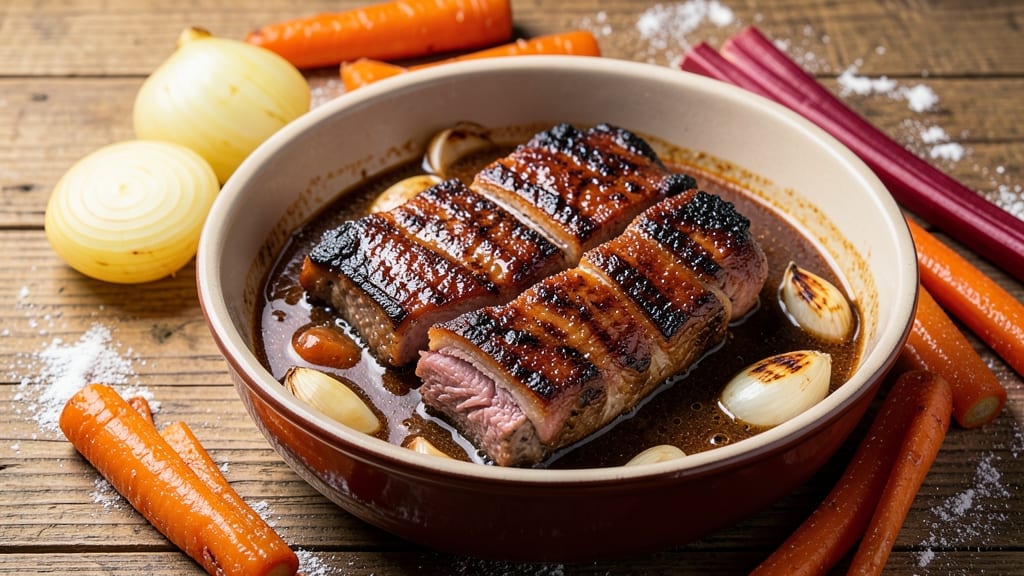
Beer-braised beef short ribs deliver the kind of deep, caramelized flavor that transforms tough cuts into melt-in-your-mouth perfection. The slow cooking process breaks down collagen, creating a rich, umami-packed sauce that clings to every tender bite. I perfected this recipe after years of testing different beer styles and braising techniques—now you can achieve restaurant-quality results at home.
The secret lies in the beer selection and proper braising technique. A malty amber ale or dark stout works best, providing both body and depth of flavor.
The ribs spend hours simmering in their own juices with aromatic vegetables, creating layers of complexity that elevate this dish beyond basic braised beef. This method is ideal for special occasions or when you want to impress guests with minimal effort.
By the time you serve these ribs, you’ll have fork-tender meat with a deep umami crust, surrounded by a glossy, flavorful sauce that’s perfect for dipping crusty bread.
The slow cooking ensures every bite is juicy and rich, while the beer adds a subtle bitterness that balances the meat’s natural sweetness. This is comfort food at its finest—heartier than a steak but far more satisfying.
The beauty of this recipe is its versatility. Serve it alongside roasted potatoes, creamy mashed sweet potatoes, or a simple green salad to round out the meal. The leftovers reheat beautifully, making it perfect for meal prep or feeding a crowd. Let’s get started on creating this showstopping dish.
Ingredients for beer braised beef short ribs
Fourteen ingredients. One unforgettable dish. The umami bomb of beer-braised short ribs awaits.
| Ingredient | Amount | Notes |
|---|---|---|
| Beef Short Ribs 🥩 | 3 lb | Bone-in, cut into 2-inch pieces |
| Amber Ale Beer 🍺 | 2 cups | Malty, not light lager |
| Yellow Onions 🧅 | 2 whole | Cut into 1-inch chunks |
| Carrots 🥕 | 4 whole | Peeled, cut into 2-inch pieces |
| Celery Stalks 🌿 | 4 whole | Cut into 2-inch pieces |
| Garlic Cloves 🧄 | 6 cloves | Smashed, not minced |
| Tomato Paste 🍅 | ½ cup | High-quality, no sugar added |
| Beef Broth 💧 | 2 cups | Low-sodium preferred |
| Thyme Sprigs 🌿 | 4 whole | Fresh, stems removed |
| Bay Leaves 🌿 | 2 whole | Dried, standard size |
| Black Peppercorns 🌶️ | 1 tbsp | Freshly cracked |
| Kosher Salt 🧂 | 2 tbsp | Diamond Crystal preferred |
| Olive Oil 🫒 | 2 tbsp | Extra-virgin, for searing |
| All-Purpose Flour 🌾 | ½ cup | For dusting ribs |
The ribs are non-negotiable—bone-in, beefy short ribs with that iconic marbled fat are what make this dish sing. Costco or Whole Foods are your best bets for quality cuts, but any reputable butcher will have them. Look for pieces with good marbling—that white fat is flavor gold. If you're buying a whole packer, ask for the bone-in, 2-inch chunks. The beer? Amber ale or dark stout—none of that watery lager nonsense. Fat Tire or Guinness are my go-tos, but any malty, flavorful beer works. Pro tip: chill the beer before using it in the braise—it keeps the sauce from getting too boozy.
No amber ale? Substitute with a robust red wine (like Cabernet Sauvignon) or even more beef broth with a splash of Worcestershire. Fresh thyme is ideal, but dried works at half the amount if you're in a pinch. The tomato paste? Trader Joe's or Rao's are my pantry staples—they're concentrated and pack serious umami. For the flour, King Arthur or Gold Medal are reliable choices. The celery? Baby carrots or parsnips work in a bind, but nothing beats the classic trio of onion, carrot, and celery. And yes, you can use pre-minced garlic, but smashing whole cloves releases more flavor—worth the extra minute.
This braise gets better with time—3-4 days in the fridge lets the flavors meld beautifully. Portion the sauce separately if you're serving it as a dip, but trust me, you'll want to eat it straight from the pot. For leftovers, reheat gently on the stove with a splash of water or broth to loosen the sauce. Freezes for up to 3 months—perfect for meal prep. The ribs reheat best at 350°F for 20 minutes covered with foil. And if you're feeding a crowd? Double the beer and broth—the sauce is the star, after all.
Why You'll Love This Recipe
- One-Pot Magic: The beer and veggies braise together while you sip your drink—no extra pots, no fuss. Just dump, simmer, and let the ribs melt in their own sauce. (Yes, even on a Tuesday night.)
- Deep, Rich Bite: That amber ale cuts through the fat, leaving you with tender meat that falls apart at the touch of a fork. The onions caramelize into sweetness, and the beer adds just enough bite to keep it interesting.
- Leftovers That Shine: This dish only gets better the next day—perfect for meal prep or feeding a crowd. I’ve reheated mine for breakfast tacos, and honestly? It’s just as good cold as it is hot.
- Budget-Friendly Luxury: Short ribs feel fancy, but the beer and veggies stretch every dollar. You’re getting restaurant-quality flavor without the price tag—plus, the leftovers turn into easy lunches or sandwich fillings.
Step-by-step instructions for beer braised beef short ribs
Transform tough beef short ribs into melt-in-your-mouth perfection with this slow-cooked masterpiece.
Sear the Short Ribs for Maximum Flavor
Pat the 3 lb beef short ribs completely dry with paper towels—this ensures maximum browning. Heat the 2 tablespoons olive oil in a heavy Dutch oven over medium-high heat until shimmering. Working in batches to avoid crowding, sear the ribs on all sides for 3-4 minutes per side until deeply browned and caramelized. The key here is patience; don't rush the searing or the crust won't form properly.
Remove the ribs from the pot and set them aside on a plate. You'll notice the bottom of the pot now has beautiful browned bits—this is the flavor foundation for your braise. Don't scrape them out yet; we'll use them later when building the sauce.
Build the Aromatic Base for Deep Flavor
In the same Dutch oven, add the 2 whole yellow onions, 4 whole carrots, and 4 whole celery stalks, all cut into 2-inch pieces. Cook over medium heat for 8-10 minutes until the vegetables begin to soften and develop color. Add the 6 smashed garlic cloves and cook for another 30 seconds until fragrant—this is where all the magic happens.
Sprinkle the 0.5 cup all-purpose flour over the vegetables and stir vigorously for 1-2 minutes. This creates a roux that will thicken your braising liquid beautifully. The flour should be fully incorporated and the mixture should look like a coarse paste. This step is crucial for developing that rich, velvety texture in your finished dish.
Deglaze and Combine All Ingredients
Pour in the 2 cups amber ale beer, scraping up all those browned bits from the bottom of the pot with a wooden spoon. Let it simmer for 3-4 minutes until the alcohol burns off and the liquid reduces slightly. Add the 0.5 cup tomato paste, stirring until fully dissolved and smooth.
Return the seared short ribs to the pot along with the 2 cups beef broth, 4 thyme sprigs, 2 bay leaves, 1 tablespoon freshly cracked black peppercorns, and 2 tablespoons kosher salt. Bring everything to a gentle simmer, then reduce the heat to maintain a low bubble just below boiling. The liquid should come about halfway up the ribs—if it's too shallow, add a splash of water or broth.
Slow Braise Until Fork-Tender
Cover the Dutch oven and transfer it to a preheated 300°F oven. Braise for 3 hours, then flip the ribs and cook for another 3 hours. This slow cooking breaks down the connective tissue, transforming tough meat into something so tender it falls apart with just a gentle touch.
Check the ribs after 3 hours—they should be nearly falling off the bone when tested with a fork. The braising liquid should have reduced to a thick, glossy sauce that coats the back of a spoon. If the sauce is too thin, uncover and simmer for another 15-20 minutes to thicken it further. The aroma at this point will be incredible—like walking into a French bistro.
Rest and Serve with Perfect Sauce
Remove the ribs from the pot and transfer them to a serving platter. Tent loosely with foil and let them rest for 15 minutes. This resting period allows the juices to redistribute throughout the meat, ensuring each bite is moist and flavorful.
Strain the braising liquid through a fine-mesh sieve to remove any solids, then return it to the pot. Skim off any excess fat if desired, then reduce the sauce over medium heat for 5-7 minutes until it reaches your preferred consistency. Serve the short ribs with the sauce spooned generously over the top, accompanied by crusty bread or roasted potatoes to soak up every last drop of that umami-rich liquid gold.
Pro Tips For Making Beer Braised Beef Short Ribs
- Sear the Ribs First: High heat. Seriously, crank it up until the bones stop releasing that pink juices—about 5-6 minutes per side. I learned this the hard way after making ribs that tasted like they’d been steamed instead of braised. The crust locks in flavor and keeps them from turning into mushy beef stew.
- Deglaze with Beer Immediately: As soon as you pull those ribs off the pan, pour in the amber ale right away—don’t let those browned bits sit. Scrape every last drop with a wooden spoon; that’s where the depth of flavor hides. Skip this, and you’re basically braising in watered-down beer.
- Cut Onions into Even Slices: No, not dice—thick, even slices, about ¼-inch. They’ll soften but stay recognizable, adding texture instead of turning into a mushy blob. My grandmother swore by this, and she was right: you want that little crunch for contrast, not a puree.
- Simmer Low and Slow: 5 to 3 hours, no exceptions. If your ribs are done in 2 hours, they’re not falling off the bone. Cover the pot, keep the heat at a gentle simmer (barely bubbling), and resist the urge to peek. The longer they cook, the richer the sauce—and the more tender the meat.
Troubleshooting this recipe
Ribs Too Tough
If your short ribs aren't tender after 6 hours of braising, you likely didn’t cook them long enough or used too much liquid. The ribs should be fork-tender—if they resist, extend cooking to 8 hours or until they fall apart.
Also, ensure your Dutch oven isn’t overcrowded; ribs need room to develop that deep umami crust. 💡
Sauce Too Thin
A watery sauce usually means too much liquid or insufficient reduction time. After braising, simmer the sauce uncovered on medium heat for 15-20 minutes to thicken it.
If it’s still too thin, mix 1 tablespoon cornstarch with 2 tablespoons cold water, stir into the sauce, and cook until it thickens. Avoid overcrowding the pot initially—this prevents proper caramelization. ⚡
Beer Flavor Overpowering
If the beer taste dominates, you likely used too much or a hoppy beer. Stick to malty amber ales or dark stouts like Fat Tire or Guinness, and reduce the beer to 1.5 cups if needed.
Let the sauce reduce longer to mellow the beer’s sharpness. A splash of beef broth can also dilute the alcohol’s bite while adding depth. 🍺
Ribs Dry or Stringy
Dry ribs often result from overcooking or insufficient fat in the braising liquid. Check your internal temperature—200-205°F is ideal. If they’re dry, add ½ cup beef broth and cover for 30 minutes to rehydrate.
Ensure your ribs have marbling (fat within the meat) before cooking, as this keeps them moist. 🥩
Vegetables Too Soft
If your onions, carrots, and celery turn mushy, they likely cooked too long. Add them 15-20 minutes before the ribs are done to preserve their texture. For extra flavor, char them slightly in the Dutch oven before adding liquid.
If they’re already overcooked, remove them and replace with fresh veggies for the final 30 minutes of braising. 🌿
Sauce Too Boozy
A strong alcohol taste means the beer didn’t reduce enough. Simmer the sauce uncovered for 20-30 minutes to burn off excess alcohol. For a quicker fix, add 1 cup beef broth and reduce again.
If the sauce still tastes sharp, balance it with a pinch of sugar or a splash of balsamic vinegar to round out the flavors. 💫
Nutrition facts
Frequently asked questions
What's the best beer for braising short ribs?
Malty amber ales or dark stouts work best—they add depth without overpowering the beef. Fat Tire or Guinness are my top picks, but any beer with 2-4% ABV and a balanced malt profile will work. Avoid light lagers or hoppy IPAs, as they can make the sauce too bitter. Chill the beer before using to help reduce alcohol sharpness during cooking.
Can I make this recipe without a Dutch oven?
Yes! Use a heavy pot with a tight-fitting lid, like a 6-quart enameled cast iron or deep skillet. The key is maintaining even heat distribution. If your pot isn't deep enough, add the ribs in batches or use a 300°F oven for the braising phase to prevent boiling. The sauce may take slightly longer to reduce without the Dutch oven's tight seal.
How do I store and reheat leftovers?
Store ribs and sauce separately in airtight containers for up to 4 days in the fridge. To reheat, place ribs in a skillet with a splash of broth and cover for 10-15 minutes at 350°F. For the sauce, warm it gently on the stove, stirring frequently to prevent scorching. Freeze for up to 3 months—thaw overnight in the fridge before reheating.
What sides pair best with beer-braised ribs?
Crusty bread is a must for soaking up sauce, but also try creamy mashed potatoes, roasted root vegetables, or a simple green salad with a tangy vinaigrette. For extra richness, serve with cheesy grits or polenta. The beer's maltiness complements earthy sides like mushrooms or Brussels sprouts.
Why do my ribs turn out tough instead of tender?
Most likely, they didn't braise long enough or had too much liquid. Ribs need 6-8 hours at 300°F to become fork-tender. Check internal temp—200-205°F is perfect. If your sauce is watery, reduce it longer or add 1 tbsp cornstarch slurry. Also ensure your ribs have good marbling before cooking.