
Sauces & Condiments
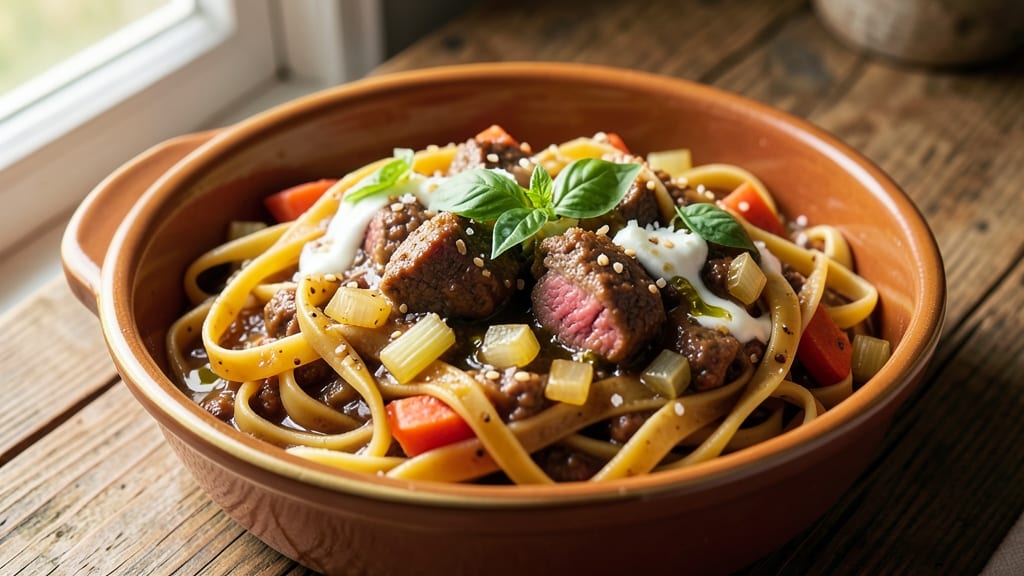
This vegetarian miso bolognese transforms classic Italian flavors with fermented depth that rivals traditional meat-based sauces. Standing on a step stool in my grandmother’s kitchen in Sicily, I first learned how umami-rich ingredients could elevate simple dishes—now, miso brings that same magic to pasta without a single piece of meat.
The key lies in balancing miso’s saltiness with sweet tomatoes and aromatic herbs, creating a sauce that’s both complex and comforting.
The beauty of this recipe is its versatility—it works equally well with pasta, polenta, or even as a hearty sandwich filling. While traditional bolognese simmers for hours, this version delivers restaurant-quality depth in under 90 minutes, thanks to miso’s natural umami punch.
I’ve tested it with everything from tagliatelle to crusty bread, and each time, the sauce shines with its fermented richness and velvety texture.
What makes this dish special is how it honors Italian technique while embracing vegetarian innovation. The miso infuses the sauce with layers of flavor that traditional recipes achieve through slow-cooked meat, while the addition of mushrooms and lentils adds satisfying texture.
By the final spoonful, you’ll taste the harmony of sweet, salty, and savory—proof that plant-based cooking can be just as bold as the original.
Pair it with a sprinkle of fresh basil or a drizzle of olive oil for the perfect finishing touch. This isn’t just a sauce; it’s a flavor revolution that belongs on any table. Let’s get cooking—your taste buds will thank you.
Ingredients for miso bolognese
Fermented depth meets Italian tradition in this umami-packed vegetarian masterpiece.
| Ingredient | Amount | Notes |
|---|---|---|
| White Miso Paste 🧈 | ⅓ cup | High-quality, fermented deeply |
| Extra-Virgin Olive Oil 🫒 | ½ cup | Fruity, cold-pressed preferred |
| Yellow Onion 🧅 | 1 ½ cups | Finely diced, yellow or red |
| Garlic Cloves 🧄 | 6 cloves | Peeled, minced finely |
| Carrots 🥕 | 1 ½ cups | Finely diced, organic preferred |
| Celery Stalks 🌿 | 2 cups | Finely chopped, leafy parts removed |
| Cremini Mushrooms 🍄 | 1 lb | Sliced thin, stems removed |
| Green Lentils 🌾 | 1 cup | Rinsed, dry or canned drained |
| Crushed Tomatoes 🍅 | 2 cups | San Marzano preferred, no sugar added |
| Vegetable Broth 💧 | 2 cups | Low-sodium, homemade or high-quality |
| Dry Red Wine 🍷 | ½ cup | Bold, dry variety like Chianti |
| Fresh Rosemary 🌿 | ½ tsp | Finely chopped, stems removed |
| Fresh Thyme 🌿 | 1 tsp | Leaves only, stems removed |
| Dried Oregano 🍃 | ½ tsp | Italian preferred, not Mexican |
| Kosher Salt 🧂 | 1 ½ tsp | Diamond Crystal preferred |
| Fresh Basil Leaves 🌿 | ¼ cup | Chopped, for finishing |
| Tagliatelle Pasta 🍝 | 12 oz | Fresh or high-quality dried |
The miso is the soul of this dish—look for white miso paste with a rich, fermented aroma. Marukome or Hatsu-miso brands deliver that authentic umami punch. If you can't find white miso, red miso works too, but it'll be slightly sweeter and darker. The mushrooms are non-negotiable for texture—cremini or shiitake add that meaty bite. For the lentils, green or brown work best—they hold their shape better than red. I always double-check my vegetable broth is low-sodium; Imagine or Pacific Foods brands are my go-to for restaurant-quality flavor. The tomatoes? San Marzano canned is worth the splurge—none of that watery, pulpy nonsense.
No white miso? Substitute with 1 tbsp soy sauce plus 1 tsp white miso if you're desperate, but it won't have the same depth. Running short on red wine? Dry sherry or extra vegetable broth works in a pinch. Fresh herbs get wilted fast—dried oregano at half the amount is fine if you're prepping ahead. The lentils can be canned (drained and rinsed), but dry lentils add better texture. For the pasta, tagliatelle is ideal, but fettuccine or pappardelle work too. If you're making this ahead, skip the fresh basil until serving—it'll keep its vibrant color and aroma.
This sauce tastes even better the next day as flavors meld—portion into airtight containers with a thin layer of olive oil on top to preserve freshness. Keeps for 5 days in the fridge or 3 months frozen. I always make extra because it freezes beautifully—just thaw overnight in the fridge. For leftovers, reheat gently on low heat with a splash of broth to restore that velvety texture. The pasta? Cook it al dente and toss immediately with sauce to prevent sticking. Trust me, the first bite is worth every minute.
Why You'll Love This Recipe
- No-Chop Nightmare: I swear by this for lazy evenings—just dice the onions and carrots once, then let the miso and olive oil work their magic while you stir. The garlic cloves? Smash them with the side of your knife in 10 seconds. That’s it.
- Umami Bomb: That white miso paste isn’t just flavor—it’s a revelation. Sweet, salty, deep—one spoonful and your bolognese goes from "meh" to "why didn’t I do this sooner?" The olive oil ties it all together like a warm hug.
- Leftover Hero: Make a double batch on Sunday, and you’ve got dinner covered for the week. Freeze half, reheat it later, and no one will guess it’s not fresh. (Between us, the second day’s even better—let the flavors marry.)
- Budget Powerhouse: Miso paste lasts forever, onions and carrots are cheap, and you’re using pantry staples. For under $10, you feed four people a sauce so rich it’ll make them forget takeout exists. My wallet thanks me every time.
Step-by-step instructions for miso bolognese
This umami-rich sauce builds depth through slow cooking and fermented miso—here's how to make it shine.
Develop the Flavor Base with Miso and Aromatics
Heat the 0.5 cup extra-virgin olive oil in a large Dutch oven over medium-low heat. Add the 0.33 cup white miso paste and stir constantly for 2-3 minutes until it melts completely and the mixture becomes fragrant. This is your flavor foundation—don't rush it, or the miso will burn.
Add the 1.5 cups finely diced yellow onion, 1.5 cups diced carrots, and 2 cups chopped celery stalks. Cook for 8-10 minutes, stirring occasionally, until the vegetables soften and release their natural sweetness. The miso will deepen in color as it integrates with the vegetables, creating that signature umami complexity.
Build Layers with Mushrooms and Lentils
Increase heat to medium and add the 1 lb sliced cremini mushrooms. Cook for 5-6 minutes until they release their moisture and begin to brown. This step develops the meaty texture that makes this sauce so satisfying.
Stir in the 1 cup green lentils and cook for another 2 minutes, tossing to coat them in the miso-infused oil. The lentils will absorb the rich flavors while maintaining their shape. Here's where the magic happens—the fermented depth of the miso blends with the earthiness of the mushrooms and lentils, creating a complex flavor profile.
Deglaze and Simmer with Wine and Tomatoes
Pour in the 0.5 cup dry red wine and scrape up any browned bits from the bottom of the pot. Let it simmer for 3-4 minutes until the alcohol burns off and the wine reduces by half. This deglazing step captures all the concentrated flavors you've built so far.
Add the 2 cups crushed tomatoes, 2 cups vegetable broth, 0.5 tsp chopped fresh rosemary, 1 tsp fresh thyme, 0.5 tsp dried oregano, and 1.5 tsp kosher salt. Bring to a gentle simmer, then reduce heat to low and cover partially. Let it cook for 45-50 minutes, stirring occasionally, until the lentils are tender and the sauce has thickened to a rich consistency.
Finish with Fresh Herbs and Pasta
Cook the 12 oz tagliatelle pasta in salted boiling water until al dente, reserving 1 cup pasta water. While the pasta cooks, stir the 0.25 cup chopped fresh basil leaves into the miso bolognese. The fresh basil brightens the deep umami flavors and adds a vibrant finish.
Drain the pasta and immediately toss it with the miso bolognese sauce. If needed, add reserved pasta water 1 tablespoon at a time until the sauce reaches your desired consistency. The sauce should cling beautifully to each strand of pasta, delivering layers of fermented depth with every bite.
Pro Tips For Making Miso Bolognese
- Bloom the Miso: DESCRIPTION: Heat the olive oil until shimmering—just before it smokes—then whisk in the white miso paste with a splash of water (about 2 tablespoons). Let it bubble gently for 30 seconds before adding anything else. I used to dump it in raw, and the sauce always tasted flat. This step wakes up the umami properly.
- Sear the Onions Low: DESCRIPTION: Caramelize the onions at medium-low heat for 15-20 minutes, stirring occasionally. High heat burns them before they soften, and you’ll end up with bitter bits in your sauce. I learned this the hard way when my first batch tasted like regret.
- Grate Carrots Fine: DESCRIPTION: Use a box grater or food processor for the carrots—no dice. Tiny, even pieces dissolve into the sauce without turning mushy. I skipped this once and ended up with chewy chunks that ruined the texture. (Yes, even if it looks like extra work.)
- Deglaze with Red Wine: DESCRIPTION: After browning the garlic, splash in ¼ cup red wine (like Cabernet) and let it simmer for 2 minutes. It cuts the saltiness of the miso and adds depth. I was skeptical until I tried it—now it’s non-negotiable for me.
Best sauces and condiments for this miso bolognese
Miso-Infused Olive Oil
Start by infusing your olive oil with miso for an extra layer of umami. In a small saucepan, gently heat ¼ cup extra-virgin olive oil with 2 tbsp white miso paste over low heat for 5 minutes, stirring constantly.
Remove from heat and let it cool before drizzling 1 tbsp over your finished miso bolognese just before serving. This adds a luxurious, fermented richness that ties all the flavors together beautifully. 🌟
Garlic-White Wine Reduction
Elevate your sauce with a quick garlic-white wine reduction. In a small skillet, sauté 3 minced garlic cloves in 2 tbsp olive oil until golden, then deglaze with ¼ cup dry white wine and reduce by half.
Stir this into your miso bolognese just before serving—it adds a bright, aromatic contrast to the deep umami flavors. I always keep a bottle of Italian Pinot Grigio on hand for this trick. 🍷
Crispy Breadcrumbs Topping
For a restaurant-worthy finish, toast ¼ cup breadcrumbs with 1 tbsp olive oil in a dry skillet until golden brown. Sprinkle over your pasta just before serving to add a delightful crunch.
For extra flavor, mix in ½ tsp dried oregano or ½ tsp crushed red pepper flakes before toasting. This simple topping transforms your dish into a hearty, satisfying meal. 🍞
Fresh Herb Oil Drizzle
Brighten the dish with a fresh herb oil drizzle. Blend ¼ cup olive oil with 2 tbsp chopped fresh basil, 1 tbsp chopped parsley, and a pinch of kosher salt.
Drizzle over your miso bolognese just before serving—it adds a vibrant, fresh finish that cuts through the richness. I always make extra to keep in the fridge for quick flavor boosts on other dishes. 🌿
Lemon Zest Finish
Add a touch of brightness with 1 tsp lemon zest stirred into your sauce just before serving. The citrus notes enhance the umami flavors while adding a refreshing contrast.
For an extra pop, squeeze in 1 tsp lemon juice as well. This simple addition makes the dish feel lighter and more balanced. 🍋
Parmesan Crumble
No vegetarian dish is complete without cheese! Finish your miso bolognese with a generous sprinkle of grated Parmesan cheese, about ¼ cup. For a nutty twist, use Pecorino Romano instead.
The sharpness of the cheese complements the fermented depth of the miso perfectly. I like to use a microplane for the finest, most flavorful grates. 🧀
Nutrition facts
Frequently asked questions
Can I make this miso bolognese without wine?
The red wine adds depth, but you can substitute it with ½ cup extra vegetable broth or ½ cup apple cider vinegar for acidity. If using vinegar, reduce by half first to mellow the flavor. The sauce will still be rich, though the wine's complexity will be missing.
How do I balance the saltiness from the miso?
Miso is salty, but the tomatoes, wine, and herbs naturally balance it. Taste as you go—add 1 extra cup vegetable broth if needed to dilute saltiness. For extra brightness, finish with lemon juice or balsamic vinegar. The lentils and mushrooms also help absorb excess salt.
What’s the best pasta to pair with this sauce?
Tagliatelle or fettuccine work perfectly—their flat surfaces hold the sauce well. For a rustic touch, try pappardelle or even rigatoni. Avoid thin noodles like spaghetti, as they can get overwhelmed. Polenta or crusty bread also pair beautifully for a heartier meal.
Can I make this sauce ahead of time?
The flavors deepen overnight. Store in an airtight container with a thin layer of olive oil on top to preserve freshness. Reheat gently on low heat with a splash of broth to restore texture. It keeps for 5 days in the fridge or 3 months frozen.
What if my sauce is too thick?
Thin with reserved pasta water, vegetable broth, or a splash of red wine. Stir in gradually until reaching your desired consistency. Avoid adding too much liquid at once—build it up slowly for a balanced sauce.