
Soups & Stews
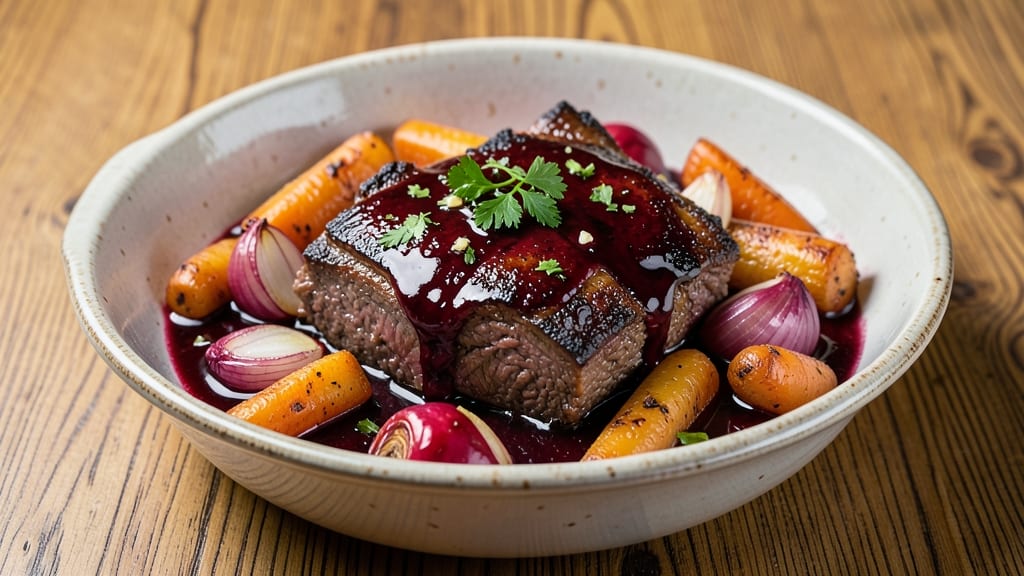
Mastering a beef fatty recipe transforms tough, flavorful cuts into melt-in-your-mouth perfection through slow braising—where rendered fat becomes liquid gold. The key lies in patience: searing the meat first creates a deep, caramelized crust, while hours of simmering dissolve collagen into a rich, velvety sauce.
This isn’t just a dish; it’s a technique that turns inexpensive cuts into restaurant-worthy centerpieces.
The process demands attention to detail—browning the beef in batches prevents crowding, and deglazing the pan captures every flavorful bit. Aromatics like garlic, onions, and bay leaves infuse the braising liquid, while red wine or broth builds umami depth.
The result? Tender beef that falls apart at the touch, swimming in a sauce so rich it coats every bite. This method works equally well with brisket, short ribs, or chuck roast, making it versatile for any occasion.
What sets this recipe apart is how the fat itself becomes part of the magic. As the beef renders, its natural oils emulsify into the sauce, creating a luxurious mouthfeel without added butter or cream.
The slow cook transforms tough fibers into silkiness, while the crust remains intact—crispy, caramelized, and packed with flavor. Serve with crusty bread to soak up every last drop of that golden sauce.
Perfect for feeding a crowd or meal prepping, this dish scales effortlessly while maintaining its depth of flavor. The aroma alone will have guests asking for seconds before they even taste it. Let’s get started on creating beef so tender, it practically melts on the tongue.
Ingredients for beef fatty
Sixteen ingredients transform tough beef into luxurious, melt-in-your-mouth perfection through slow braising.
| Ingredient | Amount | Notes |
|---|---|---|
| Chuck Roast 🥩 | 3 lb | Well-marbled, cut into 2-inch chunks |
| Yellow Onions 🧅 | 2 whole | Cut into large chunks, skin on |
| Garlic Cloves 🧄 | 8 cloves | Smashed, skin on for extra flavor |
| Carrots 🥕 | 4 whole | Cut into 2-inch chunks, peeled |
| Red Wine 🍷 | 1 ½ cups | Bold, dry variety like Cabernet Sauvignon |
| Beef Broth 💧 | 2 cups | High-quality, low-sodium preferred |
| Tomato Paste 🍅 | ½ cup | Smooth, not chunky |
| Bay Leaves 🍃 | 2 whole | Dried, standard size |
| Fresh Thyme 🌿 | ¼ cup | Leaves only, stems removed |
| Olive Oil 🫒 | ¼ cup | Extra-virgin, for searing |
| Salt 🧂 | 1 ½ tsp | Kosher or sea salt, coarse |
| Black Peppercorns 🌶️ | 1 tsp | Freshly cracked, coarse |
| Balsamic Vinegar 🍶 | 1 tbsp | For deglazing, aged variety |
| All-Purpose Flour 🌾 | 1 tbsp | For thickening sauce |
The chuck roast is non-negotiable here—look for marbling like a ribeye to ensure maximum flavor and tenderness. Costco or Whole Foods typically carry the best cuts, but any well-stocked grocery store should have it. If you're buying a whole roast, ask the butcher to cut it into 2-inch chunks—this ensures even cooking. The onions and carrots should be sturdy, firm varieties with no soft spots. Fresh thyme is ideal, but dried works at one-third the amount if you're in a pinch. For the red wine, grab whatever bold, dry variety you enjoy drinking—Cabernet Sauvignon or Merlot are classic choices, but don't overthink it.
No red wine? Beef broth with a splash of balsamic vinegar delivers the same depth. The tomato paste can be substituted with 1 cup of crushed tomatoes if you prefer, though it won't thicken the sauce as effectively. Fresh thyme is best, but dried thyme or even rosemary (at half the amount) works in a bind. For the beef broth, low-sodium options like Swanson or Pacific Foods are ideal—they let you control the seasoning. The olive oil should be extra-virgin for searing, but any good-quality oil will work. If you're short on time, pre-cut frozen onion and carrot mixes save chopping effort without sacrificing flavor.
This dish tastes even better the next day as flavors meld, so make it ahead. Store in an airtight container in the fridge for up to 5 days, or freeze for 3 months in portion-sized containers. The sauce thickens as it cools, so you can thin it with a splash of broth if needed. For meal prep, portion the beef and sauce separately—reheat the sauce first, then add the beef to warm through. The crusty bread you'll serve? Store it in a paper bag at room temperature for up to 3 days, or freeze for longer storage.
Why You'll Love This Recipe
- One-Pot Magic: I swear by this—just toss everything into a Dutch oven, cover it, and walk away. The onions caramelize while the beef tenderizes, and honestly? I’ve burned dinner before, but this recipe forgives me every time.
- Wine-Infused Richness: That splash of red wine doesn’t just add depth—it transforms the beef into something dangerously tender and layered. The garlic and onions mingle with the wine’s acidity, making each bite feel like a little flavor explosion.
- Leftovers That Shine: Between us, this beef fatty gets better the next day. I make a double batch on Sundays, slice it thin for sandwiches, or toss it into pasta—no one ever complains, and my wallet thanks me for the bulk chuck roast.
- Budget-Friendly Feast: Chuck roast is cheap, but it doesn’t taste it. A few onions, a head of garlic, and a bottle of wine you already own stretch into a meal that feeds four (or two very hungry people). My college self would’ve cried happy tears.
Step-by-step instructions for slow-braised beef with umami depth
This method transforms tough chuck roast into melt-in-your-mouth beef through precise timing and layering of flavors.
Sear the Beef and Vegetables for Maximum Flavor
Heat a large Dutch oven over medium-high heat. Add the 0.25 cup olive oil and let it get hot but not smoking. Working in batches, add the 3 lb chuck roast in 2-inch chunks, letting each piece develop a deep brown crust before removing to a plate.
In the same pot, add the 2 whole yellow onions and 4 whole carrots cut into 2-inch chunks. Sear for 8-10 minutes until the onions soften and carrots begin to caramelize. Add the 8 cloves smashed garlic cloves and cook for 30 seconds until fragrant. Return the beef to the pot, nestling it among the vegetables.
Deglaze and Build the Braising Liquid
Pour in the 1.5 cups red wine, scraping up all the browned bits from the bottom of the pot. Let this simmer for 5 minutes until reduced by half. Add the 2 cups beef broth, 0.5 cup tomato paste, 2 whole bay leaves, 0.25 cup fresh thyme leaves, 1.5 tsp salt, and 1 tsp freshly cracked black peppercorns.
Bring the mixture to a gentle boil, then reduce heat to low. The liquid should barely bubble at the edges. This is crucial for even cooking and preventing the beef from becoming tough. The braising liquid should cover about two-thirds of the beef chunks.
Braise Until Fork-Tender
Cover the Dutch oven with a tight-fitting lid and transfer to a preheated 325°F oven. Braise for 3 hours, then carefully flip each beef chunk and add 1 tbsp balsamic vinegar to the braising liquid. Return to the oven and cook for another 30 minutes.
Check for doneness by inserting a fork into the thickest piece of beef. It should slide in easily with no resistance. The beef should be fork-tender with rich, dark brown braising liquid surrounding it. If not quite tender, continue braising for another 30 minutes.
Thicken the Sauce and Finish
Remove the beef and vegetables from the pot and set aside. Place the pot over medium heat and sprinkle in the 1 tbsp all-purpose flour, whisking constantly for 1-2 minutes until the sauce thickens slightly. Return the beef and vegetables to the pot and stir to coat everything evenly in the sauce.
Taste and adjust seasoning with additional salt or pepper if needed. The sauce should be rich, slightly tangy from the balsamic vinegar, and deeply flavorful from the braising process. Serve immediately with crusty bread or over mashed potatoes to soak up every last bit of that luxurious sauce.
Pro Tips For Making Beef Fatty
- SEAR THE ROAST LONG: Chuck roast releases its fat and collagen best when you don’t rush the sear—5 minutes per side minimum, until the edges are deep golden, not just brown. I used to flip it too often, and the meat stayed pale and tough; now I let it sit undisturbed, even if it looks uneven.
- SWEAT ONIONS LOW: Yellow onions for this dish need to caramelize, not burn. Start them over medium-low heat with a splash of water or wine to deglaze as they soften—about 10 minutes before adding garlic. After burning three batches, I finally figured out: patience here means flavor that actually sticks to the meat.
- DEGLAZE WITH WINE HOT: Pour that red wine into the searing pan while it’s still smoking hot—this pulls up all the browned bits (fond) that make the sauce rich. Skim off any foam first, then reduce by half before adding to the pot. Sounds weird, but it works: the sauce becomes velvety instead of thin and vinegary.
- REST THE MEAT 15 MINUTES: Chuck roast needs that internal carryover cook—transfer it to a plate, tent loosely with foil, and wait before slicing. I skip this when I’m hungry, but the meat turns out dry and stringy; give it the time, and the slices stay juicy and tender. (Yes, even if you’re impatient like me.)
Creative variations of beef fatty
Global Comfort Classics
This braising technique works beautifully across cultures—think of it as the foundation for French beef bourguignon or Italian stracotto.
For a French twist, replace the red wine with 1.5 cups dry white wine like Sauvignon Blanc, add 1 tbsp Dijon mustard, and finish with 1 sprig fresh parsley.
In Italy, swap the tomato paste for ½ cup crushed San Marzano tomatoes and add 1 tsp fennel seeds for an authentic touch. 🌍
Spicy Global Fusion
Transform this into a Mexican-style beef barbacoa by adding 2 tbsp chipotle powder and 1 tsp ground cumin to the braising liquid. Use orange juice instead of red wine for brightness, and finish with cilantro and lime wedges.
For a Thai-inspired version, stir in 1 tbsp fish sauce, 1 tbsp soy sauce, and 1 tsp star anise during the final 30 minutes of braising. Serve with steamed jasmine rice.
Vegetarian Adaptations
Replace the beef with 3 lb extra-firm tofu or portobello mushrooms for a meaty texture. For tofu, press and cube it, then sear in 1 tbsp neutral oil before braising. For mushrooms, use 8 large portobellos halved and seared in batches.
Boost umami with 1 tbsp miso paste and 1 tsp smoked paprika. The braising liquid becomes a rich, savory sauce that coats everything beautifully.
Protein Swaps
Swap the chuck roast for 3 lb pork shoulder to make pulled pork—simmer for 4 hours instead of 3 and shred with forks. For lamb, use 3 lb bone-in lamb shanks and braise for 3.5 hours with 1 tsp ground coriander and 1 cinnamon stick.
The fat renders differently but creates equally luxurious results. 🥘
Sauce Variations
For a creamy sauce, stir in ½ cup Greek yogurt or sour cream during the final 10 minutes of cooking. For a spicy kick, add 1 tbsp harissa paste or 2 tbsp gochujang when thickening the sauce.
A herb-forward finish works with 1 tbsp chopped rosemary or 1 tsp dried oregano sprinkled on top before serving.
Meal Prep Adaptations
Double the recipe and freeze portions in airtight containers for up to 3 months. To reheat, thaw overnight in the fridge, then warm on the stovetop with 2 tbsp broth to restore moisture.
For slow cooker prep, brown the beef and veggies first, then transfer everything to a 6-quart slow cooker and cook on low for 8 hours. The hands-off method yields the same tender results with minimal effort. ⏰
Nutrition facts
Frequently asked questions
What makes fatty beef cuts ideal for braising?
The fat in cuts like chuck roast or brisket melts during slow cooking, creating a rich sauce that tenderizes the meat. The collagen breaks down into gelatin, transforming tough fibers into silky texture. This technique maximizes flavor while keeping the beef juicy and fork-tender.
Can I use leaner beef cuts for this recipe?
Not recommended—lean cuts like sirloin won't render enough fat for the signature rich sauce. For best results, stick to well-marbled cuts like chuck roast or short ribs. If you must use leaner meat, add 2 tbsp butter or olive oil to the braising liquid to compensate for lost fat.
How do I know when the beef is perfectly tender?
Insert a fork into the thickest piece—it should slide in easily with no resistance. The beef should separate cleanly when pulled apart. If it's still slightly chewy after 3 hours, continue braising for another 30 minutes. The sauce should coat the back of a spoon smoothly.
What's the best way to reheat leftovers?
Thaw overnight in the fridge, then warm on the stovetop with 2 tbsp beef broth to restore moisture. Avoid microwaving—it makes the sauce watery. For crispy results, broil for 3-5 minutes with a splash of broth to prevent drying. Store leftovers in airtight containers for up to 5 days.
Can I make this recipe in a slow cooker?
Brown the beef and veggies first, then transfer everything to a 6-quart slow cooker. Cook on low for 8 hours (or 4 hours on high) with the same braising liquid. The hands-off method yields equally tender results with minimal effort.