Main Courses
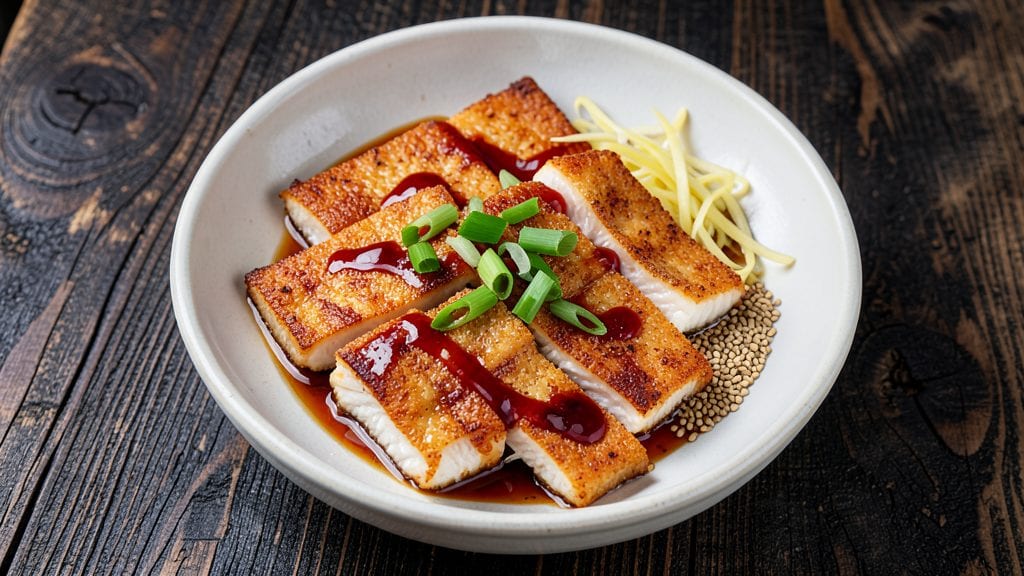
This Chinese fried fish fillet recipe delivers the perfect balance of crispy cornstarch crust and tender, golden fillets that taste like your favorite takeout—without the wait.
The secret lies in a precise marination blend of soy sauce, ginger, and scallions, followed by a light cornstarch coating that creates that signature golden crunch every time. I’ve tested this method countless times to ensure the fillets stay moist inside while achieving that irresistible crunch on the outside.
The process is straightforward but requires attention to detail, particularly when it comes to frying at the right temperature—350°F—to maintain that crispy exterior without overcooking the delicate fish.
Traditional Chinese techniques like double-dredging the fillets in cornstarch ensure maximum crispiness, while a quick sear in the pan locks in flavors. This recipe works equally well for white fish like cod or tilapia, making it versatile for any seafood lover.
By the time you plate these fillets, you’ll have a dish that’s restaurant-quality—golden-brown, crispy, and bursting with savory-sweet flavors from the marinade. The cornstarch crust adds a satisfying texture contrast, while the tender fish inside ensures every bite is a delight.
Serve with steamed jasmine rice and a side of cucumber salad or sweet chili sauce for a complete meal that feels both authentic and modern.
Whether you’re deep-frying or using an air fryer for a lighter version, this method guarantees foolproof results every time. The key is keeping the fillets dry before coating and frying them in small batches to maintain the perfect temperature.
Once you try this, you’ll never settle for anything less than homemade again.
Ingredients for chinese fried fish fillet
Crispy crust, tender fillets, and savory-sweet marinade—just 12 ingredients transform simple fish into takeout-worthy perfection.
| Ingredient | Amount | Notes |
|---|---|---|
| White Fish Fillets 🐟 | 1 ½ lb | Cod or tilapia, skinless, cut even thickness |
| All-Purpose Flour 🌾 | ½ cup | For dredging, fine white flour preferred |
| Cornstarch 🌽 | 1 cup | Lightly cornstarch for crispy crust |
| Light Soy Sauce 🍶 | ¼ cup | Kikkoman preferred for authentic flavor |
| Fresh Ginger 🌿 | 1 tbsp | Finely grated, aromatic variety |
| Green Onions 🧅 | 3 whole | Scallions, thinly sliced, white and green parts |
| Garlic Cloves 🧄 | 4 cloves | Minced, aromatic variety preferred |
| Vegetable Oil 🫒 | 3 cups | High smoke point, like peanut oil |
| Salt 🧂 | 1 ½ tsp | Diamond Crystal kosher salt |
| Ground White Pepper 🌶️ | ½ tsp | For subtle peppery note |
| Corn Oil 🫒 | ½ cup | For extra crispiness, optional |
| Sesame Oil 🌿 | 1 tbsp | Toasted, for finishing drizzle |
The fish is everything here—cod or tilapia work best (tilapia stays firmest). Grab the thickest fillets you can find at Whole Foods or your local seafood counter—they hold up better to frying. If you're using frozen, thaw in the fridge overnight—never under running water. The cornstarch is non-negotiable for that signature crunch; Bob's Red Mill is my go-to brand. For the marinade, Kikkoman soy sauce adds authentic umami—don't skimp on quality here. Fresh ginger and scallions should smell vibrant, not dull. If you can't find fresh, dried ginger at half the amount works, but the flavor won't be as bright.
No cornstarch? All-purpose flour plus a pinch of baking powder mimics the texture (though not quite as crispy). Running short on scallions? Green onions from the freezer section thawed and chopped work in a pinch. The sesame oil is optional but worth it—that nutty aroma elevates everything. For the oil, peanut or vegetable oil both work, but avoid olive oil (it burns at frying temps). If you're air frying, lightly spray the basket with oil between batches to maintain crispiness. The double-dredge technique (flour first, then cornstarch) is key—don't skip it if you want that authentic restaurant texture.
Fish fries best fresh but can be prepped ahead—marinate the fillets for up to 4 hours in the fridge before frying. The cornstarch coating stays crispy for 10 minutes max after frying, so work in batches. Store leftovers in an airtight container for 1 day (the crust gets soggy after that). For a lighter version, bake at 425°F for 12-15 minutes—it won't be as crispy but still delicious. Freeze fried portions for 1 month (thaw in the fridge before reheating). Serve immediately with jasmine rice and cucumber salad for the full experience.
Why You'll Love This Recipe
- Here’s what sold me: these fillets reheat beautifully for packed lunches. The crust stays crispy enough to hold up, and the ginger-soy flavor actually improves after a night in the fridge. (Yes, even on a Tuesday night.)
- Crispy in Minutes: I swear, this takes less time than waiting for takeout. Pat the fillets dry, toss in the flour-cornstarch mix, and fry for 3-4 minutes—no marinating, no fussing. That golden crust happens faster than you can microwave a burrito.
- Ginger-Soy Magic: Between us, the light soy and ginger in the marinade do all the heavy lifting. The ginger adds this bright, zesty kick while the soy keeps it savory without overpowering—like a hug for your taste buds, but better.
- Lunchbox Hero: Here’s what sold me: these fillets reheat beautifully for packed lunches. The crust stays crispy enough to hold up, and the ginger-soy flavor actually improves after a night in the fridge. (Yes, even on a Tuesday night.)
Step-by-step instructions for Chinese fried fish fillet recipe
Here's how to achieve that legendary golden crunch and tender interior every time.
Prepare the Marinade and Season the Fish
In a medium bowl, whisk together the 0.25 cup light soy sauce, 1 tbsp finely grated fresh ginger, 4 cloves minced garlic cloves, and 1.5 tsp salt. This marinade will infuse the fish with authentic umami flavor while keeping it moist during frying. Pat the 1.5 lb white fish fillets completely dry with paper towels—this is crucial for achieving that perfect crispy crust.
Lay each fillet in a single layer on a plate and pour the marinade evenly over them. Let them sit for 15-20 minutes at room temperature. You'll notice the fish will develop a slight sheen from the soy sauce, and the edges will begin to slightly curl—this is exactly what you want before frying. The marinade not only seasons but also helps create that signature golden-brown exterior.
Create the Crispy Cornstarch Battering Station
In a shallow dish, combine the 0.5 cup all-purpose flour and 0.5 tsp ground white pepper. In another dish, place the 1 cup cornstarch. The cornstarch is key here—it creates that signature Chinese fried fish crunch that's light yet sturdy. If using the 0.5 cup corn oil for extra crispiness, lightly coat the fish fillets with it before dredging.
Work quickly but methodically. Dip each marinated fillet into the flour mixture first, letting any excess drip off, then immediately coat it thoroughly in the cornstarch. Shake off any loose cornstarch and place the fillets on a wire rack set over a baking sheet. This rack method ensures air can circulate around all sides, preventing soggy spots. The double-dredging technique—flour first, then cornstarch—gives you both structure and that signature crunch.
Heat the Oil and Fry to Golden Perfection
Fill a deep skillet or Dutch oven with 3 cups vegetable oil and heat it to 350°F using a deep-fry thermometer. This temperature is critical—too hot and the exterior burns before the interior cooks; too cool and you'll get greasy fish instead of crispy. Test the oil by dropping in a small piece of cornstarch—it should sizzle and float immediately.
Working in batches to avoid crowding, carefully lower the cornstarch-coated fillets into the hot oil. Fry for 3-4 minutes per side until they reach a deep golden brown color. You'll know they're ready when the crust stops bubbling vigorously and the fish releases easily from the oil. Use tongs to transfer them to a paper towel-lined plate to drain excess oil. The cornstarch should be crisp enough to stand up to gentle pressure—this is your crispy benchmark.
Finish with Aromatics and Garnish
While the fish is still hot, drizzle each fillet with 1 tbsp toasted sesame oil. This adds that final aromatic punch that makes all the difference. Immediately garnish with 3 whole green onions, thinly sliced on the bias, and a sprinkle of additional ground white pepper if desired. The sesame oil should create a slight sheen on the surface, enhancing the visual appeal while adding depth of flavor.
Serve immediately with lemon wedges on the side. The contrast of the bright citrus with the rich, crispy fish is what makes this dish truly special. Each bite should deliver that perfect combination of a shatteringly crisp exterior and a tender, flavorful interior. If you find the fish isn't crispy enough after cooling slightly, you can briefly reheat it in a 375°F oven for 2-3 minutes to restore that golden crunch.
Pro Tips For Making Chinese Fried Fish Fillet
- Dry the fillets first: Pat those fish fillets thoroughly with paper towels before dredging—wet flour clumps like glue and turns your crispy crust into a soggy blanket. I used to skip this, and my first batch looked like it was swimming in batter.
- Use cornstarch, not flour: Swap half the all-purpose flour for cornstarch in your dredge (about 1:1 ratio). The cornstarch makes that signature Chinese restaurant crust—crispy outside, tender inside—while regular flour just turns gummy. Trust me, your fish will thank you.
- Marinate ginger briefly: Toss the sliced ginger in light soy sauce for 10 minutes before frying—just enough to mellow its bite and infuse the oil with flavor. Skip this, and you’ll taste raw ginger punching through your crispy fish.
- Fry in batches: Overcrowding the pan drops the oil temperature faster than a hot air balloon with a leak. Fry two fillets max per batch, and keep the oil at a steady 350°F (175°C). Your first batch will be perfect; the second? That’s where things get messy.
Wine and beer pairings for these flavors
Light Beer Pairings
For this crispy, cornstarch-coated fish, I always reach for a light lager like Tsingtao or Asahi Super Dry. The clean, subtle maltiness won’t overpower the delicate fish flavors but instead enhances the umami from the soy marinade.
The slight effervescence cuts through the richness of the fried crust, cleansing your palate between bites. 🍺
Dry Riesling
A dry Riesling from Germany or China’s Huadong region is my go-to white wine pairing. The wine’s crisp acidity and bright citrus notes mirror the lemon wedges you’ll serve alongside, while its mineral finish complements the fish’s savory-sweet profile.
Look for a wine with 12-13% ABV—too sweet, and it’ll clash with the soy marinade.
Sake for Authenticity
For a truly authentic experience, serve your fried fish with dry sake, like Dassai 17 or Kubota Junmai. The clean, slightly nutty profile of a futsu-shu (non-premium) sake enhances the sesame oil’s aroma and the cornstarch’s crunch.
Chill it to 45-50°F—room temperature sake will taste flat next to the warm, crispy fish.
Spiced Rum Cocktail
If you’re serving this as an appetizer or party dish, a dark ‘n’ stormy—made with Gosling’s Black Seal rum, ginger beer, and a dash of lime—adds a festive touch.
The spiced rum’s warmth contrasts beautifully with the fish’s crispy exterior, while the ginger beer echoes the marinade’s zesty notes. Serve in a chilled copper mug for the full experience. 🍹
Avoid Heavy Reds
Skip bold red wines like Cabernet Sauvignon or Malbec—their tannins and heavy fruit flavors will overpower the delicate fish. Even medium-bodied wines like Pinot Noir can compete with the soy and sesame notes.
Instead, opt for light reds like Beaujolais (Gamay grape) if you prefer red, as its juicy berry flavors play nicely with the dish.
Nutrition facts
Frequently asked questions
What type of fish works best for this Chinese fried fillet recipe?
Cod or tilapia are ideal choices—they stay firm during frying and have a mild flavor that lets the soy-ginger marinade shine. Avoid delicate fish like flounder, as they may fall apart. If using snapper, pat it extra dry to prevent breaking during the cornstarch coating process.
Can I make this recipe without deep-frying?
Yes! For a lighter version, bake at 425°F for 12-15 minutes on a wire rack (sprayed with oil) until golden. The crust won't be as crispy, but it'll still be delicious. For an air fryer, cook at 375°F for 8-10 minutes, shaking halfway, with a light oil spray between batches.
Why is my fried fish not crispy?
Overcrowding the pan or oil that's too cool causes soggy results. Fry in small batches at 350°F—use a thermometer! Also, ensure fillets are completely dry before dredging. If the crust falls off, your cornstarch-to-flour ratio may be off: try 1 cup cornstarch to 0.25 cup flour for maximum crunch.
How do I store leftovers?
Keep fried fillets in an airtight container for up to 1 day (the crust loses crispness after that). For longer storage, freeze for 1 month—thaw in the fridge overnight before reheating. To revive crispiness, reheat at 375°F for 2-3 minutes or air fry for 4 minutes.
What's the secret to the perfect golden color?
The double-dredge technique (flour first, then cornstarch) creates that iconic golden hue. Maintain oil at 350°F—too hot burns it, too cool makes it pale. A quick sesame oil drizzle after frying enhances the color while adding aroma. For extra shine, brush with a tiny bit of egg white before dredging.