Soups & Stews
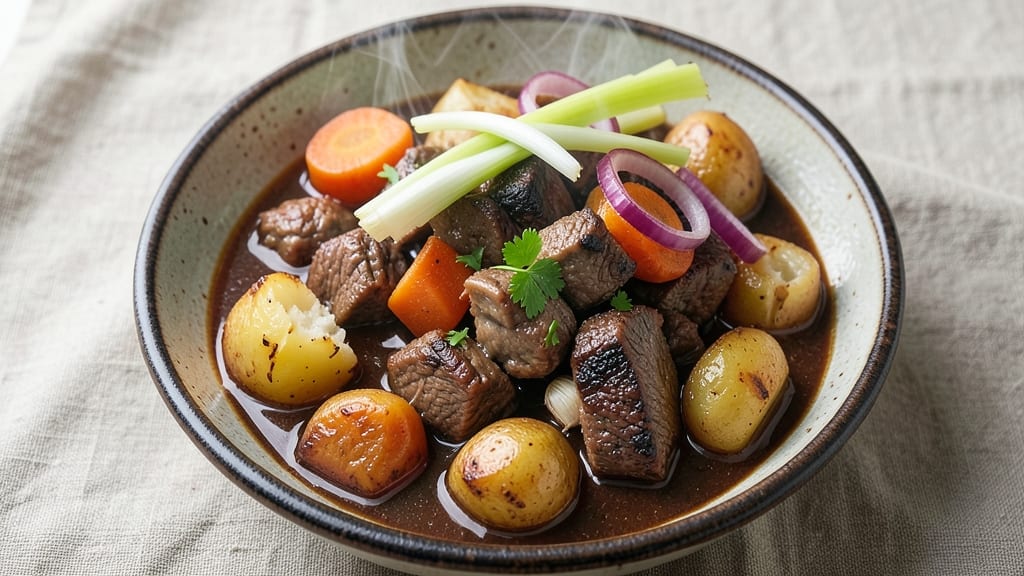
Transforming a simple pot of water into Campbell’s beef stew is where home cooking meets pure comfort—rich, deeply savory, and packed with tender meat and vegetables that nearly melt in your mouth. The secret lies in slow simmering, which builds layers of flavor that canned versions can’t match.
I’ve perfected this technique over years of testing, ensuring every bite delivers that classic, hearty satisfaction without shortcuts.
This recipe starts with a proper sear on the beef, creating a flavorful crust that forms the foundation of the stew. Carrots, potatoes, and onions develop sweetness as they simmer, while herbs like thyme and bay leaves infuse the broth with aromatic depth.
The result is a stew that’s thick enough to coat a spoon but still light enough to let each ingredient shine—no gummy textures or watery disappointment here.
What you’ll end up with is a steaming pot of beef stew that smells like home, with fork-tender beef chunks, perfectly soft vegetables, and a broth so flavorful it deserves a second helping.
The beauty of this method is its flexibility—adjust the seasoning to your taste, swap in different vegetables, or even make a slow-cooker version for hands-off cooking. This is the kind of meal that turns ordinary weeknights into memorable dinners.
The best part? Leftovers taste even better the next day as flavors meld further. Whether you’re feeding a family, prepping for meal prep, or simply craving a bowl of warmth, this beef stew delivers restaurant-quality results in one pot. Let’s get started—your kitchen will thank you.
Ingredients for campbell's beef stew
Rich, savory beef and tender vegetables—all you need for a stew that tastes like home.
| Ingredient | Amount | Notes |
|---|---|---|
| Chuck Roast 🥩 | 2 ½ lb | Cut into 1.5-inch cubes |
| Yellow Onions 🧅 | 2 whole | Medium, sliced into wedges |
| Carrots 🥕 | 1 ½ lb | Medium, peeled and cut into chunks |
| Russet Potatoes 🥔 | 2 lb | Cut into 1.5-inch cubes |
| Celery Stalks 🥬 | 4 whole | Cut into 1-inch pieces |
| Garlic Cloves 🧄 | 6 cloves | Minced for depth |
| Tomato Paste 🍅 | ½ cup | For rich color and sweetness |
| Beef Broth 💧 | 3 cups | Homemade or quality low-sodium |
| Red Wine 🍷 | 1 cup | Dry, like Cabernet Sauvignon |
| Fresh Thyme 🌿 | 2 tbsp | Leaves only, chopped |
| Bay Leaves 🍃 | 2 whole | Remove before serving |
| All-Purpose Flour 🌾 | 2 tbsp | For thickening broth |
| Olive Oil 🫒 | 2 tbsp | For searing beef |
| Salt 🧂 | 1 ½ tsp | Kosher preferred |
| Black Pepper 🌶️ | 1 tsp | Freshly cracked |
The chuck roast is your secret weapon here. Grab it from the butcher counter—it’s cheaper and more flavorful than pre-cut packages. Look for good marbling, which means more fat for richer flavor. I always ask for it to be cut into 1.5-inch cubes, but if you’re doing it yourself, use a sharp knife and work in batches. Costco or Whole Foods often have it pre-cut, which saves time. For the veggies, carrots and potatoes should be uniform in size so they cook evenly—no one wants mushy chunks or undercooked bits. The celery adds freshness, but don’t skip it if you’re short on time—just use the green tops too for extra flavor.
No red wine? Substitute with extra beef broth plus a splash of balsamic vinegar—it mimics the acidity. Fresh thyme is ideal, but dried works at half the amount. If you’re using dried, crush the leaves between your fingers to release the oils. The tomato paste can be a squeeze tube from Trader Joe’s—it’s convenient and keeps forever. For the flour, all-purpose is fine, but if you’ve got cornstarch, use that instead for a smoother texture. The key is to bloom the flour in the hot broth at the end—this thickens the stew beautifully without making it gluey. And trust me, the bay leaves are non-negotiable—they add that classic stew aroma.
This stew tastes even better the next day, so make extra if you can. Store it in the fridge for up to 5 days, or freeze portions for 3 months. I like to portion it into containers with a little extra broth on top—it reheats beautifully and keeps everything moist. If you’re prepping for meal prep, freeze it in single-serving bags. Just remember to thaw overnight in the fridge before reheating. The leftovers will thank you later when you’re craving that hearty flavor without the effort.
Why You'll Love This Recipe
- One-Pot Magic: I swear by this recipe—just toss the chuck roast, onions, carrots, and celery into a pot with Campbell’s broth, and let it simmer. No chopping like a fine-diner, no stressing over layers. That slow cooker or stovetop does all the work while I sip coffee and pretend I’m not cooking.
- Deep Umami Bomb: The chuck roast gets tender—like it’s been braising for hours—and the carrots caramelize into sweet little bursts. Between us, that Campbell’s broth adds this rich, savory depth that turns a basic stew into something you’ll lick the bowl for. (Yes, even on a Tuesday night.)
- Leftovers That Win: This stew only gets better the next day. I make a double batch on Sundays because reheating it is the easiest way to feed the family without anyone complaining. The potatoes soak up all that flavor, and the roast? Fall-apart perfect every time.
- Budget-Friendly Hero: Chuck roast is cheap, potatoes fill you up, and Campbell’s broth stretches this into four or five meals. I’ll be real: it’s my go-to when groceries are tight, but somehow it still feels like a fancy dinner. (My kids don’t know the difference, and neither do my wallet.)
Step-by-step instructions for slow-simmered beef stew
Here's how to build a rich, flavorful beef stew that gets better with every bite.
Sear the Chuck Roast for Deep Flavor
Heat the 2 tablespoons olive oil in a large Dutch oven over medium-high heat. Pat the 2.5 lb chuck roast dry with paper towels - this ensures a good sear. Cut the meat into 1.5-inch cubes and work in batches to avoid crowding the pan.
Sear the beef for 3-4 minutes per side until deeply browned. I press down gently on the cubes during the first minute - this prevents curling and ensures even contact with the pan. Transfer the browned beef to a plate and set aside. You'll know it's ready when it releases easily from the pan and has a rich caramelized crust.
Build the Vegetable Base
In the same Dutch oven, add the 2 whole yellow onions (sliced into wedges), 1.5 lb carrots (cut into chunks), and 4 whole celery stalks (cut into 1-inch pieces). Cook for 8-10 minutes, stirring occasionally, until the vegetables begin to soften and develop color.
Add the 6 cloves garlic (minced) and cook for 30 seconds until fragrant. Here's where it gets good - stir in the 0.5 cup tomato paste and cook for 2 minutes to deepen the flavor. This step develops the stew's rich, slightly sweet foundation that carries through the entire cooking process.
Deglaze and Simmer the Stew
Pour in the 1 cup red wine and scrape up all the browned bits from the bottom of the pot. This deglazing step captures all that concentrated flavor. Let the wine simmer for 3-4 minutes until reduced by half. Add the 3 cups beef broth, 2 tablespoons fresh thyme, 2 whole bay leaves, 1.5 teaspoons salt, and 1 teaspoon black pepper. Stir well to combine.
Return the beef to the pot and bring to a gentle boil. Once boiling, reduce heat to low and cover partially. The stew should simmer gently - you should see just a few bubbles breaking the surface. This slow cooking is crucial for tenderizing the beef and developing deep flavor.
Cook Until Tender and Flavorful
Let the stew simmer uncovered for 1 hour 30 minutes. About 45 minutes into cooking, add the 2 lb russet potatoes (cut into 1.5-inch cubes). The potatoes will absorb the rich broth and become tender without falling apart.
After 1 hour 30 minutes, check for doneness. The beef should be fork-tender, falling apart easily when pierced. If it's not quite there, continue simmering for another 15-20 minutes. The stew should have reduced slightly, creating a thick, hearty consistency.
Thicken and Finish the Stew
Remove the 2 whole bay leaves and stir in the 2 tablespoons all-purpose flour. Cook for 2-3 minutes to thicken the stew slightly. Taste and adjust seasoning - you may need a bit more salt depending on your broth.
Let the stew rest for 10 minutes before serving. This resting period allows the flavors to meld completely. The final result should be a rich, velvety stew with tender beef, perfectly cooked vegetables, and a depth of flavor that comes from the slow simmering process. Serve hot with crusty bread to soak up every last drop.
Pro Tips For Making Campbell'S Beef Stew
- SEAR THE CHUCK ROAST: After burning three batches, I finally figured out—don’t skip this step. Heat your pot until it’s smoking hot, then sear the chuck roast in batches (2-3 minutes per side) before adding broth. The crust locks in flavor and keeps the meat from turning mushy later.
- CUT POTATOES LARGE: Russet potatoes take forever to cook if they’re too small. Cut them into 2-inch chunks—they’ll soften evenly without falling apart, and you’ll avoid that sad, mealy texture. (Yes, even if it looks like a toddler’s lunch.)
- SALT THE BROTH FIRST: The Campbell’s recipe calls for broth, but it’s rarely seasoned enough. Before adding the canned tomatoes or onions, stir in an extra teaspoon of salt—it’ll make the whole stew taste richer without tasting like you overdid it.
- SKIP THE CELERY CORE: I used to force the tough inner celery stalks into the stew, and they’d turn to mush but stay rock-hard. Now I split them lengthwise, scrape out the core, and only use the tender outer pieces. Your stew will thank you—no one wants a mouthful of stringy celery.
Best sauces and condiments for this dish
Classic Red Wine Reduction
The red wine you use isn’t just for flavor—it’s the secret to a rich, velvety texture. After searing the beef, deglaze the pan with 1 cup dry red wine (like Cabernet Sauvignon) and let it reduce by half.
This concentrated wine transforms the stew’s base, adding depth and a subtle tang. If you’re avoiding alcohol, swap it for 1 cup beef broth plus 1 tablespoon balsamic vinegar—it mimics the acidity beautifully. 🍷
Thyme-Infused Broth
Fresh thyme is non-negotiable for authentic flavor, but dried works in a pinch. Use 2 tablespoons fresh thyme leaves (or 1 teaspoon dried) and crush them lightly between your fingers before adding to the pot.
This releases their aromatic oils, infusing the broth with a bright, earthy note. I like to tie the stems in cheesecloth for easy removal later—no one wants a stew with herb stems.
Tomato Paste Magic
Stirring in ½ cup tomato paste after cooking the vegetables is a game-changer. It adds a deep, slightly sweet umami richness that balances the acidity of the wine and beef.
For extra depth, I sometimes add 1 teaspoon smoked paprika with the tomato paste—it gives the stew a subtle smokiness that pairs perfectly with the red wine. 🌶️
Flour Thickener
At the end, whisk in 2 tablespoons all-purpose flour to thicken the stew without making it gluey. Bloom the flour in the hot broth for 2-3 minutes to remove the raw taste.
For a gluten-free option, use 2 tablespoons cornstarch instead. This step ensures the stew coats the spoon just right—no watery disappointments here.
Herb Garnish Options
Finish with fresh herbs to brighten the dish. A sprinkle of chopped parsley or chives adds freshness, while a pinch of crushed red pepper flakes gives a subtle kick.
For a rustic touch, top with toasted breadcrumbs or grated Parmesan cheese. These garnishes elevate the stew from hearty to restaurant-worthy.
Crusty Bread Pairing
No beef stew is complete without a side of crusty bread to soak up every last drop. I love baguette slices toasted with garlic butter or sourdough for dipping. The bread’s crunch contrasts the stew’s richness, making each bite even more satisfying.
For a gluten-free option, try cornbread or polenta—they hold up beautifully to the thick broth. 🍞
Nutrition facts
Frequently asked questions
Can I use ground beef instead of chuck roast for this stew?
While you can substitute ground beef, the texture and flavor won't be the same. Chuck roast develops a rich, tender bite through slow cooking that ground beef lacks. If you're short on time, try stew meat (like beef chuck for stew) or brisket instead—they'll give you that classic beef stew experience. For ground beef, you'd need to cook it much longer and add extra tomato paste for depth.
How do I make this beef stew in a slow cooker?
Transfer the seared beef and all ingredients (except flour) to your slow cooker. Cook on low for 6-8 hours or high for 3-4 hours. Add potatoes after 1 hour of cooking. For thickening, mix 2 tablespoons cornstarch with 2 tablespoons cold water and stir into the stew during the last 30 minutes on high. The slow cooker version actually tastes better the next day as flavors meld!
Why did my stew turn out watery?
Watery stews usually happen from one of three things: not enough simmering time, too much liquid added, or skipping the thickening step. Always reduce the stew uncovered for the last 15-20 minutes of cooking. If it's still too thin, make a slurry with 1 tablespoon flour + 1 tablespoon cold water and stir it in. For next time, remember the flour at the end is your secret weapon for perfect texture!
What vegetables can I substitute if I don't have all the original ones?
This recipe is flexible! Swap carrots for parsnips or turnips, potatoes for sweet potatoes or rutabaga, and celery for leeks. For extra heartiness, add green beans or mushrooms—they cook quickly and add great texture. Just adjust cooking times for denser vegetables like turnips (they need 10-15 minutes longer than potatoes).
Can I make this stew ahead of time for meal prep?
This stew actually tastes better the next day as flavors deepen. Store in an airtight container in the fridge for up to 5 days or freeze for 3 months. For reheating, warm on the stove over medium-low heat for 10-15 minutes or until bubbling. Add a splash of water or broth if it thickens too much during reheating. Portion into single servings before freezing for easy grab-and-go meals!