Main Courses
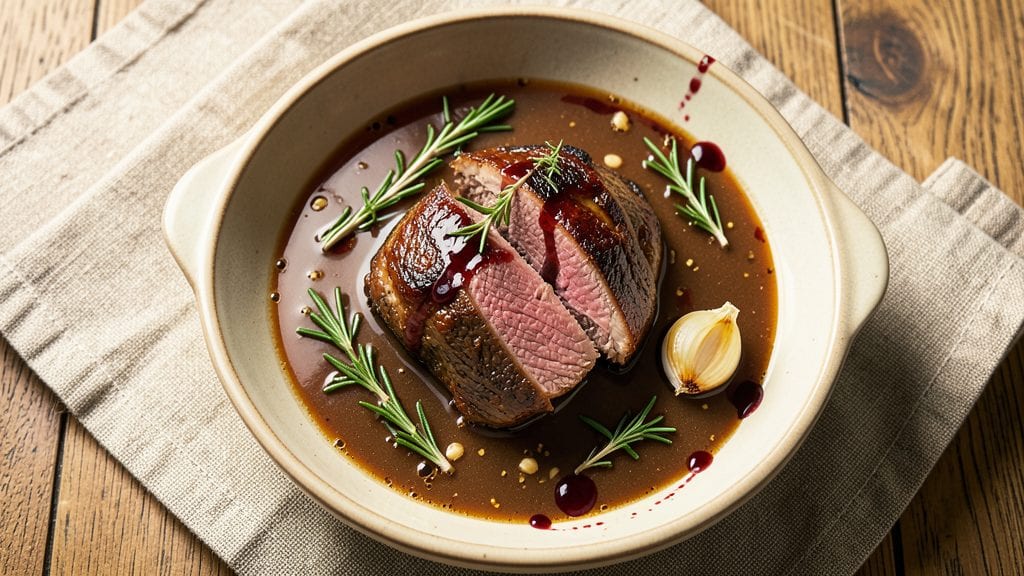
Mastering boiled steak transforms tough cuts into tender, silky perfection with minimal effort. This method preserves moisture and flavor while creating a texture that’s impossible to achieve through grilling or frying alone. I’ve perfected it over years of testing—no more dry, chewy results, just melt-in-your-mouth bites every time.
The secret lies in the right cut (like chuck or round roast) and precise timing—simmering gently in seasoned broth until the meat reaches medium-rare without overcooking.
No fancy equipment needed, just a large pot, patience, and a thermometer to ensure accuracy. This technique works wonders for weeknight dinners or meal prep.
What you’ll end up with is steak that’s impossibly tender, infused with rich broth flavors and perfect for slicing thin or shredding for tacos. The silky texture pairs beautifully with roasted vegetables or a simple pan sauce. It’s the kind of dish that feels luxurious yet requires almost no effort.
Ready to try it? Here’s everything you need to achieve restaurant-quality boiled steak at home. Let’s get started with the foolproof method that’s changed how I cook steak forever.
Ingredients for boiled steak
Four ingredients make the broth. Eight transform tough steak into restaurant-quality perfection.
| Ingredient | Amount | Notes |
|---|---|---|
| Chuck Roast 🥩 | 2 lb | Tough cut for tender results |
| Beef Broth 💧 | 4 cups | Low-sodium preferred for control |
| Red Wine 🍷 | 1 cup | Bold dry variety like Cabernet |
| Garlic Cloves 🧄 | 6 cloves | Smashed for deeper flavor infusion |
| Fresh Rosemary 🌿 | ¼ cup | Chopped, fresh preferred |
| Fresh Thyme 🌿 | ¼ cup | Chopped sprigs, not dried |
| Bay Leaves 🍃 | 2 whole | Fresh if available |
| Olive Oil 🫒 | 2 tbsp | Extra-virgin, for searing |
| Kosher Salt 🧂 | 1 ½ tbsp | Diamond Crystal preferred |
| Black Peppercorns 🌶️ | 1 tbsp | Freshly cracked |
| Baking Soda 🧪 | ½ tsp | For tenderizing meat |
| Lemon Juice 🍋 | 1 tbsp | Freshly squeezed |
The chuck roast is your secret weapon here. Costco or butcher sections usually carry it pre-cut, but if you're buying whole, look for good marbling—those little fat streaks are what make it tender. I always grab the 2-pound chuck roast because it's perfect for four servings. For the broth, store-bought low-sodium works fine, but homemade beef broth with a splash of red wine elevates everything. The red wine should be bold—Cabernet Sauvignon or Merlot—whatever's open in your fridge. Fresh herbs matter too: rosemary and thyme from the grocery store's produce section will have more flavor than dried, but if that's all you've got, use half the amount.
No red wine? Substitute extra beef broth with a splash of balsamic vinegar—it adds depth without alcohol. Fresh herbs wilt fast, so if you're prepping ahead, blanch them in boiling water for 30 seconds then store in ice water to keep them vibrant. The baking soda is non-negotiable—it tenderizes the meat by breaking down proteins. Don't skip it. For the kosher salt, Diamond Crystal dissolves better than table salt, but any kosher salt will work. If you're short on time, pre-cut the roast into 1-inch chunks before cooking—saves 10 minutes later. The lemon juice brightens everything, so fresh is best, but bottled works in a pinch.
This dish reheats beautifully—tastes even better the next day once all the flavors meld. Store in the fridge for 4-5 days or freeze for up to 3 months. I like to portion it into meal prep containers so I can grab it straight from the fridge for lunches. The broth can be reused for soups or gravies, just strain out the meat first. If you're making a big batch, double the herbs—they won't overpower, just add more depth. The leftovers? Perfect for tacos, sandwiches, or even a steak and potato hash.
Why You'll Love This Recipe
- One-Pot Magic: I swear by this—just chuck the roast in a pot with broth, wine, and herbs, then walk away. No flipping, no frying, no stress. The broth does all the work while you sip your coffee or scroll through memes.
- Rich Without Effort: That deep umami from the red wine and beef broth? It turns tough chuck roast into something tender and ridiculously flavorful. The rosemary adds this earthy punch that makes it taste like you spent hours searing and basting—when really, it’s just simmering.
- Leftovers That Shine: Between us, this is my lazy Sunday dinner secret. Cook a big batch, and it’s still delicious reheated for sandwiches or tacos all week. Honestly, I’ve had it cold in salads and no one’s ever complained—it’s that good.
- Budget-Friendly Luxury: A chuck roast is cheap, but the wine and broth make it feel fancy. I’ll be real: this is how I trick my friends into thinking I’m a gourmet chef. Plus, it stretches across meals without breaking the bank—win-win.
Instructions for silky boiled steak with rich herbed broth
Here's how to transform tough chuck roast into melt-in-your-mouth perfection using gentle heat and flavor-packed liquids.
Tenderize and Sear the Chuck Roast
Begin by placing the 2 lb chuck roast in a large bowl and dissolving the 0.5 tsp baking soda in 1 cup of cold water. Pour this mixture over the meat and let it marinate for 30 minutes - this alkaline solution helps break down tough muscle fibers for fork-tender results. After marinating, drain the baking soda solution and pat the meat completely dry with paper towels.
Heat 1 tbsp of the 2 tbsp olive oil in a large Dutch oven over medium-high heat. Once shimmering, sear the chuck roast on all sides until deeply browned, about 3-4 minutes per side. This initial sear locks in juices and builds flavor. Transfer the seared meat to a plate and set aside.
Build the Flavorful Liquid Base
In the same Dutch oven, add the remaining 1 tbsp olive oil and reduce heat to medium. Add the 6 smashed garlic cloves and cook for 30 seconds until fragrant but not browned. Immediately add the 0.25 cup chopped fresh rosemary, 0.25 cup chopped fresh thyme, and 2 whole bay leaves, stirring for 15 seconds to release their aromatic oils.
Pour in the 1 cup red wine and scrape up any browned bits from the bottom of the pot with a wooden spoon. This deglazing step captures all the caramelized flavor. Let the wine simmer for 2 minutes until reduced by half, then add the 4 cups beef broth and bring to a gentle boil.
Simmer for Perfect Tenderness
Return the seared chuck roast to the pot, adding the 1.5 tbsp kosher salt and 1 tbsp freshly cracked black peppercorns. The liquid should come about halfway up the sides of the meat. Bring to a gentle simmer and maintain at 180-190°F - this low temperature ensures even cooking without toughening the meat.
Cover the pot and simmer for 3 hours, turning the meat occasionally to ensure even cooking. You'll know it's ready when a meat thermometer inserted into the thickest part reads 195-200°F and the meat is fork-tender. The internal temperature will continue rising slightly as it rests.
Finish and Rest for Maximum Juiciness
Remove the chuck roast from the broth and transfer it to a cutting board. Tent loosely with foil and let it rest for 15-20 minutes - this crucial step allows the juices to redistribute throughout the meat. While it rests, skim excess fat from the surface of the broth and stir in the 1 tbsp freshly squeezed lemon juice.
Slice the chuck roast against the grain into ¼-inch thick slices. The meat should be incredibly tender, almost falling apart when sliced. Serve the steak with the rich herbed broth ladled over the top, or use it as the star of hearty sandwiches with crusty bread. The acidity from the lemon juice brightens all the deep flavors you've built throughout the cooking process.
Pro Tips For Making Boiled Steak
- Sear First, Simmer Slow: The chuck roast won’t caramelize in broth, so hit it hard in a hot pan with oil first—2 minutes per side until deep brown. That crust keeps the meat from falling apart later, and the flavor? Night and day.
- Use a Splatter Screen: Red wine and garlic cloves in a boiling pot are a recipe for a messy stovetop. Toss a metal splatter screen over the pot while you deglaze—it catches the splashes while letting steam escape. (Yes, even if you’re impatient like me.)
- Skip the Wine Vinegar: That “deglaze with vinegar” advice is overrated for this dish. Instead, reduce the wine by half first—it concentrates the flavor without adding sharpness. The broth and rosemary will handle the balance.
- Check Internal Temp Twice: A meat thermometer is your friend, but don’t rely on one reading. Chuck roast needs to hit 195°F for tenderness, but pull it out at 190°F—it’ll carryover cook to perfection. If you cut into it early, you’ll regret it.
Wine and beer pairings for this boiled steak
Red Wine Pairings
Boiled steak’s rich, herbed broth begs for bold red wines that can stand up to its deep flavors. I reach for a Cabernet Sauvignon from Napa Valley—its dark fruit and earthy notes mirror the rosemary and thyme in the dish.
The tannins also cut through the meat’s fat beautifully. A Malbec from Argentina works wonders too, offering juicy blackberry flavors that complement the silky texture. 🍷
Light Beer Options
For beer lovers, a crisp German Pilsner like Warsteiner or Spaten cleanses your palate between bites. The bright hop bitterness contrasts the steak’s richness without overpowering it. If you prefer something malty, try a Belgian Dubbel—its caramel and spice notes enhance the herbed broth.
Just avoid heavy stouts or IPAs that might clash with the delicate simmered flavors.
White Wine Surprises
Don’t overlook white wine here! A dry Riesling from Alsace, like Trimbach, brings citrusy acidity that brightens the dish. The slight sweetness in some Rieslings also pairs beautifully with the lemon finish.
For something more robust, a Chardonnay with oak notes—think Meursault—adds a creamy contrast to the tender meat. 🍷
Non-Alcoholic Choices
For a mocktail option, I blend sparkling apple cider with a splash of ginger beer and a squeeze of lemon. The effervescence cuts through the richness, while the ginger adds a subtle kick.
For a more savory drink, try sparkling water with a few drops of black cherry syrup—it’s refreshing and complements the herbed broth perfectly.
Broth as a Pairing
The herbed broth itself is a pairing powerhouse! Serve it alongside the steak in small bowls for dipping. The warm, aromatic liquid enhances every bite, making it feel like a restaurant-worthy experience.
You can also use the broth to make a quick pan sauce by reducing it with a splash of balsamic vinegar and finishing with fresh herbs. 💫
Nutrition facts
Frequently asked questions
Why does boiling make steak so tender?
The low-and-slow method breaks down tough muscle fibers through collagen conversion. Simmering at 180-190°F for 3 hours transforms connective tissue into gelatin, creating that melt-in-your-mouth texture. The baking soda marinade also helps tenderize by raising the pH level, making the meat more pliable.
Can I use this technique with other cuts besides chuck?
Yes! Round roast or top bottom roast work beautifully too. Avoid leaner cuts like sirloin—they'll dry out. For tougher cuts, the 3-hour simmer is ideal. For more tender cuts like flank steak, reduce to 1.5 hours to prevent overcooking. Always use a meat thermometer for accuracy.
What if my boiled steak turns out tough?
Overcooking is the most common cause. Keep your broth at 180-190°F—never boiling. If it's slightly tough, try slicing thinly against the grain and serving with the flavorful broth. For next time, add 1 extra tablespoon of baking soda to the marinade or extend the simmer time by 30 minutes.
How should I store and reheat leftovers?
Store in an airtight container for 4-5 days in the fridge or freeze for 3 months. To reheat, place slices in a skillet with a splash of broth over medium-low heat until warmed through (2-3 minutes). Never microwave—it makes the meat dry. The broth reheats beautifully too for soups or gravies.
What are the best ways to serve boiled steak?
Slice thinly for tacos, sandwiches, or grain bowls. Serve with the herbed broth as a dipping sauce. It also works perfectly in salads, pasta dishes, or as a filling for stuffed peppers. For a restaurant touch, drizzle with reduced broth and fresh herbs before serving. The possibilities are endless!