
Side Dishes
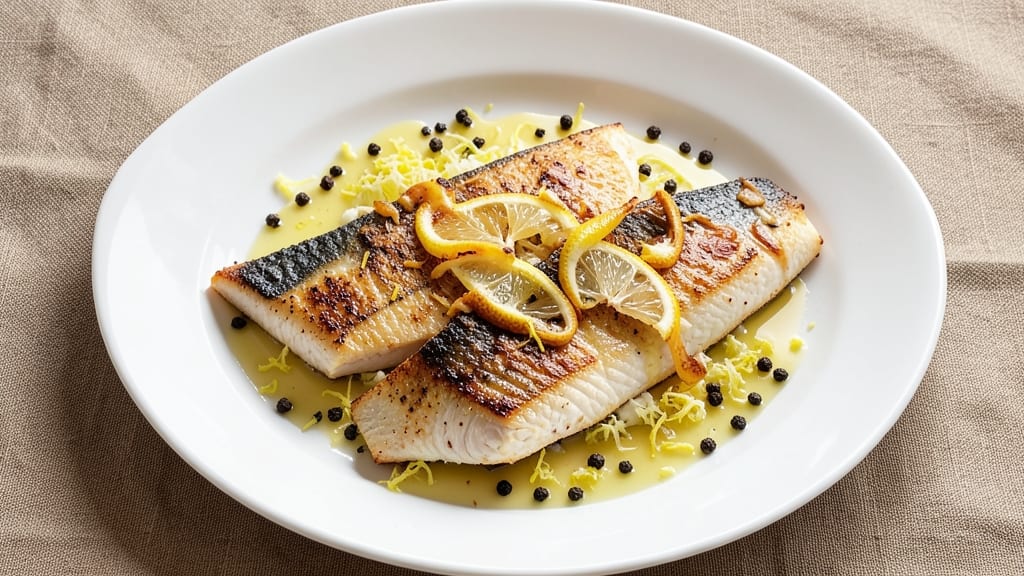
This baked seabass recipe delivers melt-in-your-mouth fillets with a golden lemon-butter crust that transforms simple seafood into a restaurant-worthy centerpiece. The secret lies in precise seasoning and controlled baking—no overcooking, just perfectly tender fish with a crisp exterior.
I developed this method after years of testing, ensuring every bite stays moist while the crust achieves that coveted caramelized finish.
What sets this recipe apart is the balance of bright citrus and rich butter, creating a flavor profile that's both elegant and approachable. The process is straightforward but requires attention to detail—preheating the oven, properly preparing the fillets, and timing the bake to perfection.
With just a few high-quality ingredients and 20 minutes of active prep, you'll have a dish that feels special without requiring advanced techniques.
The result is a plate of ultra-tender seabass with a delicate crust that flakes effortlessly, paired with a zesty lemon-butter sauce that ties everything together. The aroma alone will have everyone anticipating dinner, while the presentation makes it ideal for both weeknight meals and special occasions.
This is the kind of recipe that proves seafood doesn't need to be intimidating to be impressive.
Serve with roasted asparagus or a simple green salad to complement the dish's natural flavors. The recipe accommodates standard dietary preferences while delivering exceptional results that will satisfy even seafood skeptics. Let's get started on creating your perfect baked seabass.
Ingredients for baked seabass
Quality seafood and precise seasoning create restaurant-style seabass with minimal effort.
| Ingredient | Amount | Notes |
|---|---|---|
| Fresh Seabass Fillets 🐟 | 4 whole | Skin-on, 6-8 oz each, sushi-grade |
| Unsalted Butter 🧈 | ½ cup | Cold, European-style preferred |
| Fresh Lemon Juice 🍋 | ¼ cup | From 2-3 lemons, freshly squeezed |
| Zest of 1 Lemon 🍋 | 1 tbsp | Fine, bright yellow zest only |
| Diamond Crystal Kosher Salt 🧂 | 1 ½ tsp | Fine grain, sea salt alternative |
| Freshly Ground Black Pepper 🌶️ | ½ tsp | Cracked peppercorns preferred |
| Extra-Virgin Olive Oil 🫒 | 1 tbsp | Light, fruity variety |
| Fresh Parsley Leaves 🌿 | ¼ cup | Chopped, flat-leaf preferred |
| Garlic Cloves 🧄 | 3 cloves | Minced, for sauce garnish |
| Fresh Dill Sprigs 🌱 | 4 whole | For garnish, stems removed |
| All-Purpose Flour 🌾 | 1 tbsp | For dusting fillets |
The seabass is non-negotiable—sushi-grade fillets ensure tender texture without overpowering flavors. Purchase from Whole Foods seafood counter or trusted local fishmongers where they handle the filleting for you. Look for fillets with bright, translucent flesh and minimal bruising. If buying whole, ask for the chef's cut to remove any potential bone fragments. The butter should be European-style (like Plugrá) for higher fat content that creates the signature crust. Freshness matters most here: if the fish smells overly fishy or has a dull appearance, walk away.
No fresh dill? Substitute chopped chives or extra parsley—the flavor profile shifts slightly but remains elegant. Running short on lemon? Lime juice works in a pinch, though the citrus notes will be more tart. The kosher salt is critical—Diamond Crystal dissolves perfectly without graininess, but any fine sea salt will do. For the olive oil, avoid strong, peppery varieties like Kalamata; stick to mild, fruity options. If you're concerned about the crust not forming, add 1 tbsp cornstarch to the butter before melting it for an extra-crisp finish. The fillets should be patted completely dry before seasoning—moisture prevents proper browning.
Prep the fillets immediately before baking—seabass oxidizes quickly even when refrigerated. Store any unused fillets in an airtight container with a paper towel pressed against them for up to 2 days. The lemon juice and zest can be prepped ahead and stored in the fridge for 3 days in a sealed container. For the sauce components (butter, lemon juice, parsley), they'll keep in the fridge for 5 days post-melting. If making ahead, assemble everything except the fillets—just add the fish and bake when ready. The crust develops best when baked straight from the fridge, so plan accordingly.
Why You'll Love This Recipe
- Zero-Fuss Prep: I swear by this—just pat the fillets dry, dot them with butter, and let the oven do the work. No chopping, no marinating, no stress. The lemon zest and juice go on in seconds, and honestly? That’s all you need.
- Buttery Lemon Magic: That melt-in-your-mouth butter basting with bright lemon? It’s the kind of flavor that makes you pause mid-bite. The salt cuts through the richness just enough to keep it light, and the zest? Tiny bursts of sunshine in every forkful.
- Weeknight to Dinner Party: Same recipe, different vibes. Toss it together for a lazy Tuesday or dress it up with fresh herbs for guests. The fillets stay juicy, the crust is golden, and it feels fancy without the fuss—my secret weapon for when I don’t want to slave over dinner.
- Leftovers That Don’t Suck: Most baked fish turns dry the next day, but not this. The butter keeps it moist, and I’ve reheated slices straight from the fridge in seconds—perfect for quick lunches. (Yes, even on a Tuesday.)
Step-by-step instructions for baked seabass with lemon-butter crust
This method delivers restaurant-quality fillets with a crisp golden crust and melt-in-your-mouth tenderness.
Prepare the Lemon-Butter Mixture
In a medium bowl, combine the 0.5 cup unsalted butter with the 0.25 cup fresh lemon juice and 1 tablespoon zest of 1 lemon. Whisk until fully emulsified and the mixture becomes pale yellow and slightly thickened. This citrus-infused butter will create the signature crust while keeping the fillets moist. The butter should be cold when you begin—if it's too soft, chill the bowl for 10 minutes before proceeding.
Add 1.5 teaspoons diamond crystal kosher salt and 0.5 teaspoon freshly ground black pepper to the butter mixture, whisking until evenly distributed. The salt will enhance the natural sweetness of the seabass while the pepper adds subtle heat. Set this mixture aside at room temperature while you prepare the fillets—it should soften slightly but remain spreadable.
Season and Dust the Seabass Fillets
Pat each of the 4 whole fresh seabass fillets dry with paper towels, pressing firmly to remove all moisture from the surface. This step is critical for achieving that perfect crust—any remaining moisture will steam the fillets instead of allowing them to brown. Work quickly to prevent the fish from drying out while you prepare it.
Place the fillets skin-side down on a clean cutting board. Lightly dust both sides with 1 tablespoon all-purpose flour, gently shaking off any excess. This creates a delicate barrier that helps the crust adhere while preventing the fillets from sticking to the baking dish. The flour should coat the fish evenly but not form a thick layer.
Create the Lemon-Butter Crust and Bake
Preheat your oven to 400°F and position a rack in the center position. Line a baking sheet with parchment paper or lightly grease it with 1 tablespoon extra-virgin olive oil to prevent sticking. Arrange the floured fillets skin-side down on the prepared sheet, spacing them about 1 inch apart to allow for even browning.
Spread the lemon-butter mixture evenly over each fillet, using the back of a spoon to create an even ¼-inch thick layer. The butter should melt slightly but maintain its shape—if it spreads too much, chill the baking sheet for 5 minutes before proceeding. Bake for 12-15 minutes until the crust turns deep golden brown and the fish flakes easily when tested with a fork.
Finish with Fresh Herbs and Garnish
Remove the fillets from the oven and transfer them to a serving platter. Immediately sprinkle with 0.25 cup chopped fresh parsley leaves and 3 minced garlic cloves, pressing gently to adhere. The parsley adds vibrant color and freshness, while the garlic enhances the citrus notes. Place 4 fresh dill sprigs decoratively around the platter for an elegant finish.
Let the fillets rest for 2-3 minutes before serving to allow the juices to redistribute. The crust should be crisp and golden, while the flesh beneath should be opaque and flaky, with no signs of dryness. Serve immediately with steamed vegetables or a simple lemon-dill sauce to complement the bright flavors.
Pro Tips For Making Baked Seabass
- Salt the Fish First: Toss the fillets in ½ teaspoon of kosher salt per pound before baking—this seasoning penetrates deeper than just sprinkling on top, and it keeps the flesh from drying out during the high-heat finish. I used to skip this, and the flavor always felt flat until I tried it.
- Use Cold Butter: Pat the butter into the skin side of the fillets while it’s still cold—this prevents it from melting into a greasy mess before the oven heats up. After burning three batches of butter sliding off the pan, I finally learned to keep everything chilled until the last minute.
- Don’t Overbake the Lemon Zest: The zest adds brightness, but if it sits too long in the oven (over 12-15 minutes), it turns bitter. Toss it in the last 5 minutes of baking—just enough to infuse the butter without turning the dish into lemon soap.
- Check for Doneness at 10 Minutes: Seabass cooks fast—pull it at 10 minutes if the center is just opaque (not translucent) and flakes easily with a fork. Overcooking turns it rubbery, and I’ve ruined more fillets by ignoring the timer. Set a phone alarm if you’re distracted.
Troubleshooting your baked seabass
Overcooked Fish Fix
If your seabass comes out dry or rubbery, it likely cooked too long or was overcrowded in the pan. The ideal internal temperature is 145°F—any higher, and the proteins tighten, squeezing out moisture.
To salvage it, place the fillets in a shallow dish, drizzle with 2 tablespoons melted butter mixed with 1 tablespoon fresh lemon juice, cover with foil, and steam in the oven at 275°F for 8-10 minutes.
The residual heat will gently rehydrate the fish while keeping it warm. 💫
Uneven Crust Issues
When the crust browns in spots but remains pale in others, it’s usually due to uneven butter distribution or inconsistent oven heat. For next time, spread the lemon-butter mixture in a thin, even layer (¼-inch thick) using the back of a spoon.
If your oven has hot spots, rotate the baking sheet halfway through cooking. For immediate fixes, broil the undercooked areas for 1-2 minutes while watching closely to avoid burning.
Fish Sticking to Pan
If your fillets refuse to release from the baking sheet, you likely skipped the flour dusting or didn’t use enough fat. Before baking, ensure your pan is well-greased with extra-virgin olive oil and that the fillets are completely dry.
For stuck fish, run a thin, flexible spatula (like a fish turner) around the edges and gently wiggle the fillets to loosen them. If needed, place a damp paper towel over the stuck portion and press lightly to help release it.
Butter Not Browning
A pale, uncooked butter crust happens when the oven isn’t hot enough or the butter layer is too thick. Preheat your oven to 400°F for at least 15 minutes before baking, and use European-style butter (like Plugrá) for better browning.
If your crust stays white, broil the fillets for 1-2 minutes at the end, watching closely to avoid burning. For extra insurance, sprinkle a pinch of cornstarch over the butter before baking—it promotes browning.
Fish Smells Fishy
This usually means your seabass wasn’t fresh enough to start with. Always buy from a trusted source where the fish is handled properly—look for bright, translucent flesh and a clean, briny (not ammonia-like) smell.
If you’ve already cooked it, serve immediately with strong complementary flavors like lemon-dill sauce or white wine reduction to mask any off-notes. For future batches, freeze the fillets for 1-2 days before cooking to "age" them properly and reduce fishiness.
Crust Too Thick or Gummy
A thick, gummy crust happens when the butter layer is too generous or the oven temperature fluctuates. Stick to a ¼-inch butter layer and ensure your oven maintains a steady 400°F. If your crust turns out gummy, broil the fillets for 1 minute to crisp it up.
For next time, chill the baking sheet for 5 minutes before adding the butter to help it set properly and prevent excessive spreading.
Nutrition facts
Frequently asked questions
Can I use frozen seabass for this recipe?
Fresh seabass yields the best results, but you can use frozen fillets if thawed properly. Place them in the refrigerator overnight (not at room temperature) and pat completely dry before proceeding. Frozen fish often has more water content, so you may need to reduce the baking time by 1-2 minutes to prevent overcooking. The texture will be slightly less tender than fresh, but still delicious.
What's the best way to test if seabass is done?
The fish is perfectly cooked when it reaches an internal temperature of 145°F and flakes easily with a fork. Look for opaque, milky-white flesh that separates cleanly—if it resists, it needs more time. The crust should be golden brown, not pale. For extra precision, use a meat thermometer inserted into the thickest part of the fillet.
Can I make this recipe ahead of time?
Prep everything except the fillets up to 2 days ahead—store the lemon-butter mixture and seasonings in airtight containers. When ready to cook, assemble and bake straight from the fridge (cold fish cooks more evenly). For the sauce components (butter, lemon juice, herbs), they'll keep in the fridge for 5 days post-melting. Serve immediately after baking for best texture.
What are good side dishes for baked seabass?
This recipe pairs beautifully with bright, citrusy sides that complement the lemon-butter flavors. Try roasted asparagus with a drizzle of olive oil, a simple arugula salad with lemon vinaigrette, or garlic-steamed green beans. For a heartier option, serve with herbed quinoa or crusty bread to soak up the pan juices. Avoid heavy sauces that might overpower the delicate fish.
Why does my crust sometimes turn out pale?
A pale crust usually means the butter wasn't hot enough when it hit the oven or the oven temperature wasn't properly preheated. Use European-style butter (like Plugrá) for better browning, and always preheat your oven to 400°F for at least 15 minutes. If needed, broil the fillets for 1-2 minutes at the end to finish the crust. For extra insurance, sprinkle a pinch of cornstarch over the butter before baking.