
Main Courses
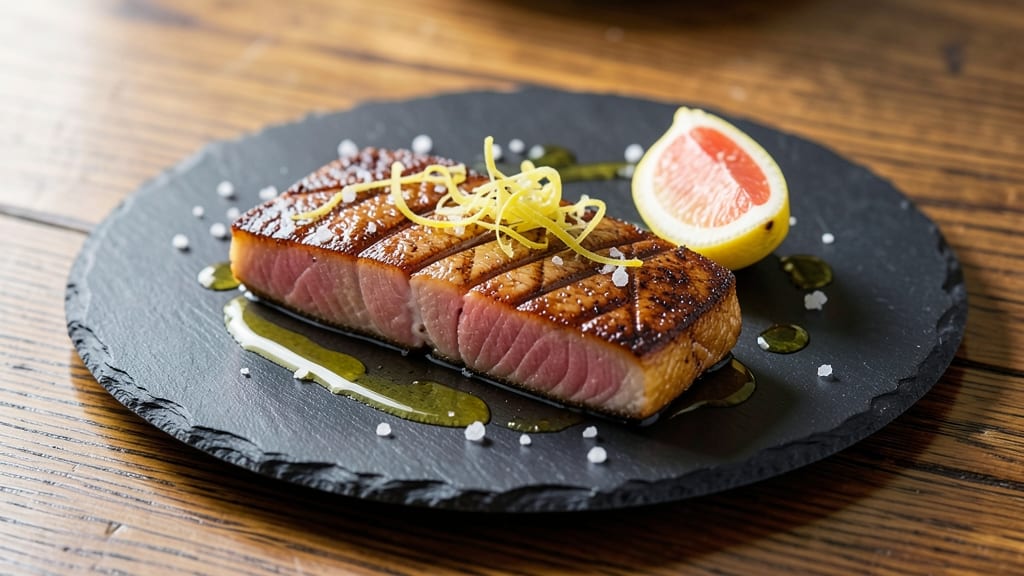
Pan-searing albacore tuna loin delivers restaurant-quality results with a crispy crust and tender center—this technique transforms a simple fish into a showstopping main course. The secret lies in high heat, precise timing, and a buttery lemon crust that adds depth without overpowering the natural flavor.
I’ve perfected this method after years of testing, ensuring the tuna stays juicy while achieving that coveted golden sear.
What sets this recipe apart is its foolproof approach—no special equipment needed beyond a cast-iron skillet and a sharp knife. The buttery lemon crust not only elevates the flavor but also creates a caramelized exterior that contrasts beautifully with the silky interior.
Albacore’s firm texture holds up perfectly to this method, making it ideal for both beginners and seasoned cooks.
By the time you serve this dish, you’ll have perfectly cooked tuna with a golden crust and a bright, citrusy finish that pairs effortlessly with sides like roasted asparagus or a crisp white wine.
The method is precise but not intimidating, ensuring consistent results every time. This is the kind of recipe that turns a simple weeknight dinner into something memorable.
For those mindful of sustainability, albacore is a well-managed fish choice, offering a lean, protein-rich option without the mercury concerns of larger tuna species. Store leftovers in the fridge for up to two days or freeze for later use—though I doubt you’ll have any left.
Let’s get started on this elevated yet approachable dish.
Ingredients for albacore tuna loin
Restaurant-quality tuna starts with these precise ingredients—each playing its part in that golden crust and silky interior.
| Ingredient | Amount | Notes |
|---|---|---|
| Albacore Tuna Loin 🐟 | 1 ½ lb | Sushi-grade, center-cut preferred |
| Unsalted Butter 🧈 | ½ cup | Cold, cut into 8 slices |
| Fresh Lemon Zest 🍋 | 1 tbsp | Finely grated, organic preferred |
| Lemon Juice 🍋 | 2 tbsp | Freshly squeezed, no pulp |
| Extra-Virgin Olive Oil 🫒 | 2 tbsp | Light, fruity variety |
| Diamond Crystal Kosher Salt 🧂 | 1 ½ tsp | Fine grain, sea salt alternative |
| Freshly Ground Black Pepper 🌶️ | ½ tsp | Coarsely cracked |
| Fresh Parsley 🌿 | ¼ cup | Chopped, flat-leaf preferred |
| Garlic Cloves 🧄 | 2 cloves | Thinly sliced, peeled |
| All-Purpose Flour 🌾 | 2 tbsp | For dredging, sifted |
| White Wine 🍷 | ¼ cup | Dry, chilled, optional |
The albacore must be sushi-grade—no compromises here. Local seafood markets often carry premium cuts, but if grocery shopping, look for vacuum-sealed packages labeled 'sushi-grade' at Whole Foods or Trader Joe's. The center-cut portion is ideal as it’s more uniform. For the butter, European-style unsalted like Plugrá or Kerrygold delivers richer flavor. Cold butter is non-negotiable—it creates that signature crust without steaming the fish. If your market doesn’t carry sushi-grade, ask the fishmonger to cut it from a whole albacore—they’ll know what you need.
No extra-virgin olive oil? Avocado oil works equally well for its high smoke point. Substituting lemon zest? Orange zest at half the amount adds brightness, though lemon’s acidity is key here. The white wine is optional but recommended—it deglazes the pan beautifully. If you omit it, fish stock or additional lemon juice will suffice. For the flour, all-purpose is fine, but bread flour creates a slightly crispier crust. Fresh parsley isn’t just garnish—it adds a bright finish that cuts through the richness. Dried parsley? Use half the amount, but fresh is worth the effort.
Store the albacore in its original packaging with a paper towel pressed against it for up to 2 days in the fridge. The butter slices should be wrapped in parchment and kept in the freezer for up to 3 months. Once seared, serve immediately—this dish peaks at the moment it hits the plate. For leftovers (unlikely, but possible), reheat gently in a skillet with a splash of water to prevent drying. The lemon zest and juice can be prepped ahead and stored in an airtight container for up to 3 days in the fridge.
Why You'll Love This Recipe
- Here’s what sold me: that butter-basted crust. Sear the tuna in olive oil, baste with melted butter, and finish with lemon—suddenly, you’ve got texture that’s almost crispy, but still tender inside. It’s the kind of contrast that makes you close your eyes and sigh.
- Minimal Ingredient List: I swear by recipes that don’t make me feel like I’m running a grocery store. Just five things—rich albacore, butter that melts into golden perfection, bright lemon zest, and olive oil—and you’ve got a dish that tastes like a restaurant’s secret.
- Crisps Up Like Magic: Here’s what sold me: that butter-basted crust. Sear the tuna in olive oil, baste with melted butter, and finish with lemon—suddenly, you’ve got texture that’s almost crispy, but still tender inside. It’s the kind of contrast that makes you close your eyes and sigh.
- Lunchbox Hero: Between us, this is my go-to for packed lunches. Slice it after cooking, toss in a container with a drizzle of olive oil and lemon juice, and it stays fresh for days. My kids don’t even complain—honestly, they fight over who gets the last piece.
Step-by-step instructions for albacore tuna loin with buttery lemon crust
This method delivers restaurant-quality seared tuna with a golden crust and bright citrus notes every time.
Prepare the Tuna and Seasoning
Pat the 1.5 lb albacore tuna loin completely dry with paper towels, removing all moisture from the surface. This step is critical—wet skin prevents proper browning. Place the tuna on a cutting board and score the surface in a crosshatch pattern with a sharp knife, being careful not to cut all the way through. This creates channels for the butter to penetrate during cooking.
In a small bowl, combine 1 tbsp fresh lemon zest, 2 tbsp lemon juice, 1.5 tsp diamond crystal kosher salt, and 0.5 tsp freshly ground black pepper. Mix thoroughly, then rub this mixture evenly over the scored tuna, pressing gently to ensure the zest and salt adhere. Let the tuna sit at room temperature for 20-30 minutes while you prepare the remaining components. This resting period allows the seasoning to penetrate slightly and ensures even cooking.
Create the Butter-Lemon Crust
In a separate bowl, combine the 0.5 cup cold unsalted butter (cut into 8 slices), 2 tbsp all-purpose flour, 2 tbsp extra-virgin olive oil, and 0.25 cup white wine. Mix gently with a fork until the butter is coated with flour and oil—this creates a dry, crumbly mixture that will form the crust. If using, add 2 thinly sliced garlic cloves to this mixture for an aromatic touch.
Chill this butter mixture in the refrigerator for 10-15 minutes while you heat your pan. The cold butter is essential for creating that signature crispy crust. If the mixture softens too much, return it to the fridge for another 5 minutes. This step ensures the butter doesn't melt prematurely during cooking, which would prevent proper crust formation.
Sear the Tuna to Perfect Doneness
Heat a 12-inch cast-iron skillet over medium-high heat until it's very hot—you should see a light shimmer of smoke when you sprinkle a few drops of water. Add the chilled butter mixture to the pan and spread it evenly, allowing it to melt and sizzle for 1-2 minutes until it begins to turn golden brown. This creates the flavorful crust that will adhere to the tuna.
Carefully place the seasoned tuna loin into the skillet, butter-side down. Press down gently with a spatula to ensure full contact with the pan. Cook for 2-3 minutes per side, depending on thickness—you're aiming for medium-rare doneness (internal temperature of 125-130°F). The butter should form a golden, crackly crust around the edges. Don't move the tuna during cooking; let it develop an even sear on both sides.
Finish with Fresh Herbs and Lemon
Once the tuna reaches your desired doneness, remove it from the pan and transfer to a cutting board. Let it rest for 3-5 minutes before slicing—this allows the juices to redistribute, ensuring each bite remains tender. While the tuna rests, pour any remaining butter from the pan into a small bowl and whisk in 0.25 cup chopped fresh parsley and an additional 1 tbsp lemon juice. This creates a vibrant finishing sauce.
Slice the tuna into ½-inch thick portions against the grain and arrange on a platter. Spoon the parsley butter sauce over the top and garnish with additional lemon zest and chopped parsley. Serve immediately with the pan sauce drizzled generously over each portion. The contrast of the crispy crust, tender flesh, and bright citrus notes makes this dish truly exceptional.
Pro Tips For Making Albacore Tuna Loin
- Pat the tuna dry: Albacore stays moist, but a quick towel press before searing makes all the difference—especially if you’re using thicker cuts. I used to skip this and ended up with a sad, greasy pan instead of that perfect crust.
- Use room-temperature butter: Cold butter clumps and burns. Let that unsalted butter sit out for 10-15 minutes before melting—it’ll coat the tuna evenly and add richness without fighting the heat. (Yes, even if you’re impatient like me.)
- Zest first, juice last: Add lemon zest before cooking to bloom the flavor, then finish with fresh juice after—this keeps the bright acidity from overpowering the tuna’s natural richness. I learned this the hard way when my dish tasted flat until the last squeeze.
- Sear skin-side down: If your tuna has skin, press it flat and sear skin-side down first for 1-2 minutes—it prevents curling and gives you a crisp base. No skin? Flip the tuna halfway through for even browning. (Your future self will thank you.)
Essential equipment for perfect results
Cast-Iron Skillet
A 12-inch cast-iron skillet is non-negotiable for this recipe—its ability to retain and distribute heat evenly creates that perfect golden crust. I recommend a Lodge Pre-Seasoned Cast Iron Skillet for its superior heat retention and natural non-stick properties after proper seasoning.
If you don’t own one, invest in this classic—it’s a kitchen workhorse that will last decades. Preheat your skillet over medium-high heat until it’s screaming hot before adding the butter mixture. 🔥
High-Quality Knife
For scoring the tuna and slicing it against the grain, a sharp 8-inch chef’s knife is essential. I use a Wüsthof Classic for its razor-sharp edge and comfortable handle. A dull knife will tear the fish instead of creating clean, precise cuts.
Keep your knife honed with a Whetstone—I sharpen mine every few uses to maintain that restaurant-quality precision. Scoring the tuna in a crosshatch pattern ensures the butter crust adheres perfectly.
Digital Meat Thermometer
Albacore cooks quickly, so a digital instant-read thermometer like the ThermoWorks ThermoPop is your best friend. Insert the probe into the thickest part of the tuna to monitor internal temperature—aim for 125-130°F for medium-rare doneness.
This tool eliminates guesswork and ensures consistent results every time. Without it, you risk overcooking or undercooking the delicate fish. 🌡️
Mixing Bowl and Fork
A stainless steel mixing bowl (like the OXO Good Grips) and a wooden fork are perfect for combining the butter, flour, and wine mixture.
The stainless steel won’t react with the acidity of the lemon or wine, and the wooden fork helps break down the butter into small, even pieces for that ideal crust texture. Avoid plastic bowls—they can warp under cold butter and ruin the consistency of your mixture.
Tongs for Handling
Use heat-resistant silicone tongs (I love the OXO Good Grips) to carefully flip the tuna without tearing its delicate crust. Metal tongs can scratch the pan or the fish, while silicone provides a gentle grip.
These tongs also help transfer the tuna from skillet to cutting board without losing any of that precious butter sauce. Keep them nearby—they’re a game-changer for this technique. 💪
Cutting Board and Sharp Knife
A large bamboo or plastic cutting board (like the John Boos Maple) provides stability when slicing the tuna. Its gentle texture won’t dull your knife as quickly as harder surfaces.
After searing, let the tuna rest on the board for 3-5 minutes before slicing against the grain with your sharp chef’s knife. This ensures clean cuts and maximizes tenderness. A wet paper towel under the board prevents slipping while you work.
Nutrition facts
Frequently asked questions
Why does albacore tuna need to rest before slicing?
Resting the tuna for 3-5 minutes after cooking lets the juices redistribute, preventing them from running out when you cut. Albacore's firm texture holds up well, but this crucial step ensures every slice stays tender and moist. Skipping it results in dry, stringy fish—especially important for delicate proteins like this.
Can I substitute albacore with other tuna varieties?
While you can use yellowfin or bigeye tuna, albacore's leaner texture and milder flavor make it ideal for this method. Yellowfin is slightly richer but more prone to overcooking. For a budget option, use ahi tuna, but adjust cooking time to 1-2 minutes per side—it's more forgiving. Never use canned tuna; the texture and quality are completely different.
What's the best way to store leftover seared albacore?
Store leftovers in an airtight container with a damp paper towel pressed against the tuna to retain moisture. Keep refrigerated for up to 2 days or freeze for 3 months. To reheat, warm gently in a skillet with 1 tbsp butter and splash of white wine over low heat—never microwave, as it dries out the fish.
How do I know when the tuna is perfectly cooked?
Use a digital thermometer for precision—125-130°F gives medium-rare doneness with a warm center. Visually, the crust should be golden brown with slight caramelization, while the flesh remains slightly translucent. For medium, aim for 135-140°F—any hotter risks drying. The butter should sizzle but not burn when added to the pan.
What sides pair best with this albacore dish?
Light, bright sides complement the rich tuna perfectly. Try roasted asparagus with lemon zest, creamy polenta with white wine sauce, or a simple arugula salad with shaved fennel. For a complete meal, add sautéed garlic shrimp or grilled lemon-herb chicken. Avoid heavy starches like mashed potatoes—they overpower the delicate fish.