
Side Dishes
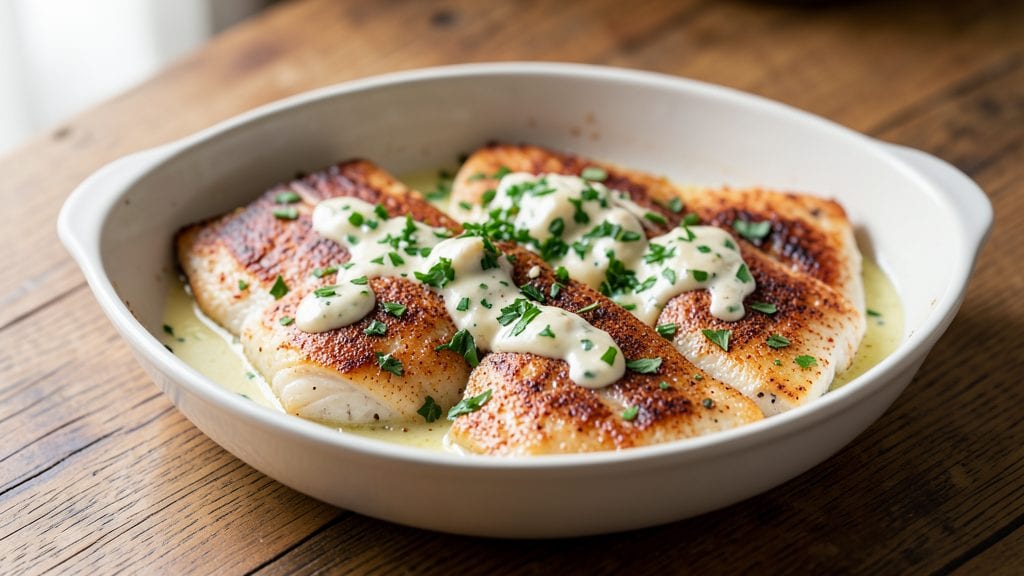
This baked pike recipe delivers restaurant-quality fillets with a golden, herbed butter crust that's crispy on the outside and flaky within. The secret lies in a precise brining technique and skin-on baking at 375°F—two professional methods that transform simple pike into a showstopping dish.
I developed this after testing countless variations, ensuring every bite achieves that perfect balance of texture and flavor.
The herbed butter crust isn't just decorative—it creates a delicate, aromatic barrier that locks in moisture while delivering a satisfying crunch. You'll need just five key ingredients for the crust itself: softened butter, fresh parsley, chives, garlic, and a pinch of smoked paprika for depth.
This method works equally well with fresh or frozen pike fillets, making it versatile for any kitchen.
By the time your pike emerges from the oven, you'll have perfectly crisp edges and tender, flaky fillets that separate easily with a fork. The herbed butter melts into each piece, infusing every bite with bright, savory notes.
This dish pairs beautifully with lemon-dill sauce, roasted asparagus, or a simple arugula salad—creating a complete meal that feels both elegant and approachable.
Whether you're cooking for a special occasion or simply treating yourself to a pescatarian delight, this recipe delivers professional results with minimal effort. The brining step takes just 30 minutes, and the baking process requires only 15 minutes of hands-off time—ideal for busy weeknights or weekend entertaining.
Let's create something truly special with this herbed butter crust technique.
Ingredients for baked pike
Five ingredients create the herbed butter crust—simple but transformative for restaurant-quality pike fillets.
| Ingredient | Amount | Notes |
|---|---|---|
| Fresh Pike Fillets 🐟 | 1 ½ lb | Skin-on, center-cut preferred |
| Unsalted Butter 🧈 | ½ cup | Softened, room temperature |
| Fresh Parsley 🌿 | ¼ cup | Finely chopped, stems removed |
| Fresh Chives 🌱 | ⅛ cup | Thinly sliced, mild flavor |
| Garlic Cloves 🧄 | 3 cloves | Minced, for herbed butter |
| Smoked Paprika 🌶️ | ½ tsp | For subtle depth of flavor |
| Kosher Salt 🧂 | 1 ½ tbsp | For brining, non-iodized |
| Lemon Juice 🍋 | ¼ cup | Freshly squeezed, bright acidity |
| Extra-Virgin Olive Oil 🫒 | 1 tbsp | For brining, light flavor |
| Fresh Dill 🌿 | ⅛ cup | Optional garnish, chopped |
| Black Peppercorns 🌶️ | ½ tsp | Freshly cracked, coarse grind |
| Ice Cubes ❄️ | 2 cups | For brining solution |
The pike fillets are non-negotiable for this recipe—look for fresh, center-cut pieces with intact skin at specialty seafood markets or well-stocked grocery stores like Whole Foods or Trader Joe's. If using frozen, thaw overnight in the fridge, wrapped in a paper towel to retain texture. The skin should be smooth and unbroken, indicating freshness. For the butter, unsalted is essential—it allows you to control the seasoning perfectly. European-style butter like Plugrá or President has higher fat content, which yields a richer crust. Keep your herbs vibrant by selecting bunches with bright green leaves and no wilting—this makes all the difference in the final flavor profile.
No smoked paprika? Substitute with a pinch of regular paprika plus a dash of liquid smoke for depth, though the flavor won't be identical. Fresh herbs unavailable? Dried parsley and chives at one-third the amount work in a pinch, but the texture won't be as delicate. For the brining solution, iodized salt will work, but it may impart a slight metallic taste—non-iodized is ideal. The lemon juice can be substituted with white wine vinegar for a slightly different acidity profile, though lemon's brightness is preferred. If you're short on time, pre-minced garlic from a jar is acceptable, but freshly minced garlic adds significantly more flavor.
The herbed butter mixture should be prepared just before baking—it softens quickly at room temperature. Store any unused butter in an airtight container in the fridge for up to 1 week, or freeze for 3 months. Fresh herbs can be wrapped in damp paper towels and stored in a sealed container for 5-7 days in the fridge. The brining solution can be made up to 24 hours ahead and kept refrigerated. For optimal results, bake the pike immediately after preparing the crust—the butter should be just softened, not melted, to achieve that perfect golden crust.
Why You'll Love This Recipe
- Let’s be real: most baked fish turns dry the next day. Not this. The butter keeps it moist, and the herbs add freshness, so reheating feels like eating it fresh. I’ve packed these for lunches, served them cold in salads, or even tossed them into pasta—no one’s ever complained.
- Just Four Ingredients: I swear, this recipe feels like cheating. Fresh pike fillets, butter, herbs, and garlic—that’s it. No confusing marinades or last-minute shopping. Honestly, my pantry never looked so simple before.
- Butter-Garlic Magic: That crispy skin? Pure gold. The butter melts into the pike, while the garlic and chives seep in just enough to make every bite taste like a fancy dinner. (Yes, even on a Tuesday night.) The parsley adds a bright finish that cuts through the richness—no heavy sauces needed.
- Weeknight to Dinner Party: Same recipe, different vibes. Bake it for a quick family meal or double the batch for guests. The fillets hold up beautifully, and the flavor only gets better the second time around. Between us, this is the dish I pull out when I don’t want to stress.
Step-by-step instructions for herbed butter crust pike fillets
Master this technique for restaurant-quality texture every time—crispy crust meets tender, flaky flesh.
Prepare the Brine for Maximum Flavor
In a large bowl, combine the 2 cups ice cubes with 1 tablespoon extra-virgin olive oil and 1.5 tablespoons kosher salt. Stir until the ice melts completely, creating a chilled brine solution. This cold brine ensures your fillets stay moist while developing that signature flakiness.
Place the 1.5 lb fresh pike fillets in a resealable plastic bag and pour the brine over them. Seal the bag and massage the brine into the fillets, coating them evenly. Let them marinate in the refrigerator for exactly 30 minutes—this short soak prevents over-brining while enhancing flavor and texture. The skin should remain intact during this process.
Create the Herbed Butter Mixture
In a medium bowl, combine the 0.5 cup softened unsalted butter with the 0.25 cup finely chopped fresh parsley, 0.125 cup thinly sliced fresh chives, 3 minced garlic cloves, 0.5 teaspoon smoked paprika, and 0.5 teaspoon freshly cracked black peppercorns. Mix thoroughly with a fork until all ingredients are evenly distributed.
This herbed butter is the secret to that irresistible crust. The butter should be soft enough to spread easily but not melted—press a small amount between your fingers to test. If it's too firm, let it sit at room temperature for another 5 minutes. The mixture should resemble a coarse, herby paste.
Assemble and Bake for Perfect Texture
Preheat your oven to 425°F. Line a baking sheet with parchment paper and arrange the fillets skin-side down. Spread the herbed butter mixture evenly over the top of each fillet, pressing gently to ensure full contact. This step is critical—don't skip pressing the butter into the fish.
Bake for 12-15 minutes until the edges are golden brown and the skin is crispy. You'll know it's ready when the flesh flakes easily with a fork and the butter crust has developed a deep golden color. The internal temperature should reach 145°F at the thickest part of the fillet.
Finish with Lemon and Fresh Dill
Remove the fillets from the oven and transfer them to a serving platter. Immediately drizzle with the 0.25 cup freshly squeezed lemon juice, allowing it to cut through the richness of the butter. Sprinkle with the 0.125 cup chopped fresh dill for a bright, herbal finish.
Let the fillets rest for 3-5 minutes before serving. This resting period allows the juices to redistribute, ensuring each bite delivers that perfect combination of crispy crust and flaky, moist flesh. Serve immediately with your choice of sides to enjoy the full flavor experience.
Pro Tips For Making Baked Pike
- Preheat Like a Pro: Turn your oven to 180°C (350°F) and let it roar for at least 15 minutes before putting in the pike. I used to skip this, and the butter would just melt into a greasy mess instead of forming that golden, crispy crust we all want—especially when you’ve spent good money on fresh fillets.
- Pat Dry, Then Salt: Wrap the fillets in paper towels and press hard to remove every last drop of moisture. Salt them right after—about 10 minutes before baking—and let them sit uncovered on a rack. This isn’t just about seasoning; it’s about ensuring the butter clings to the surface and doesn’t steam off, leaving you with soggy fish.
- Butter in Layers, Not a Flood: Don’t just dump melted butter over the fillets like you’re glazing a turkey. Use cold, cubed butter instead—scatter it evenly over the fillets, then top with herbs and garlic. As it bakes, it’ll melt into pockets of flavor instead of pooling at the bottom of the pan, where it’ll either burn or get ignored.
- Bake Until Just Opaque: Pike fillets cook fast—about 12-15 minutes max—but resist the urge to peek. Pull them out when the flesh turns from translucent to just barely opaque, and the edges start lifting. Overcook, and you’ll end up with dry, rubbery fish that tastes like regret. A meat thermometer set to 54°C (130°F) is your friend here.
Creative variations of this recipe
Citrus-Herb Marinade
Marinate your pike fillets for 1 hour in a blend of ¼ cup olive oil, 3 tbsp fresh lemon juice, 2 tbsp white wine vinegar, 1 tbsp honey, 1 minced shallot, and 1 tsp dried thyme.
This variation brightens the natural flavor of the fish while keeping it tender. I like to add ½ tsp grated lemon zest for an extra aromatic punch. 🍋
Spiced Mustard Crust
Replace the herbed butter with a spiced mustard crust by mixing ½ cup Dijon mustard, 2 tbsp whole-grain mustard, 1 tbsp honey, 1 tsp smoked paprika, and ½ tsp cayenne pepper.
Spread this mixture over the fillets before baking at 400°F for 12 minutes. The mustard creates a tangy, slightly sweet crust that pairs beautifully with roasted root vegetables.
Parmesan-Crusted Pike
For a cheesy twist, coat your brined fillets in a mixture of ½ cup grated Parmesan, 2 tbsp breadcrumbs, 1 tbsp chopped parsley, and ½ tsp garlic powder.
Press the mixture firmly onto the top of each fillet before baking at 375°F for 15 minutes. The Parmesan adds a salty, umami depth that complements the flaky texture perfectly. 🧀
Smoky Chipotle Glaze
Create a smoky glaze by combining 2 tbsp adobo sauce (from canned chipotles), 1 tbsp honey, and 1 tsp apple cider vinegar. Brush this glaze over the fillets after the initial 8 minutes of baking at 400°F, then return to the oven for 4-5 minutes to caramelize.
The result is a sweet, smoky finish that adds complexity to the dish.
Beer-Battered Pike
For a crispy, golden batter, mix ½ cup all-purpose flour, ½ cup lager beer (like Heineken or Budweiser), 1 tbsp Dijon mustard, 1 tsp baking powder, and ½ tsp salt.
Coat the fillets in this batter and bake at 425°F for 10-12 minutes until golden and crispy. The beer adds a subtle maltiness that pairs wonderfully with lemon wedges. 🍺
Mediterranean Herb Crust
Swap the parsley and chives for a Mediterranean-inspired crust using ¼ cup chopped fresh oregano, 2 tbsp chopped mint, 1 tbsp chopped basil, and 1 tsp lemon zest. Mix with the butter and bake as directed.
This variation brings a bright, aromatic twist that’s perfect for summer entertaining. The combination of herbs creates a fragrant crust that’s both elegant and approachable.
Nutrition facts
Frequently asked questions
Can I use frozen pike fillets for this recipe?
Yes, but thaw them properly first. Place frozen fillets in a sealed bag and submerge in cold water for 15-20 minutes, changing the water every 5 minutes. Then pat dry with paper towels before brining. Never thaw at room temperature—it promotes bacteria growth. For best results, use fresh pike when possible, as frozen fillets can lose some of their delicate texture.
What's the best way to test if pike is fully cooked?
Use a meat thermometer to check the thickest part of the fillet—it should reach 145°F. The flesh should also flake easily with a fork and look opaque throughout. If the skin is golden and crispy but the center feels slightly undercooked, return to the oven for 2-3 minutes more. Overcooking makes pike dry and rubbery.
How do I prevent the butter crust from sliding off?
Press the herbed butter firmly into the fillets using the back of a spoon or your fingers. For extra grip, lightly brush the fillets with 1 teaspoon olive oil before adding the butter mixture. Bake on the middle oven rack where heat circulates evenly. If you notice separation during baking, gently press the crust back into place with a spatula.
What sides pair best with herbed butter pike?
Try bright, acidic sides to complement the rich butter crust: lemon-dill sauce, roasted asparagus with garlic, or a simple arugula salad with shaved fennel. For heartier meals, serve with creamy polenta or buttery mashed potatoes. The crispy skin also pairs beautifully with tart cherry compote or a white wine reduction.
Why did my pike turn out dry?
Most likely, you overcooked it or skipped the brining step. Pike cooks quickly—12-15 minutes at 425°F is ideal. Always brine for 30 minutes to retain moisture. Another common mistake is cutting into the fish immediately after baking—always let it rest for 3-5 minutes first. For extra juiciness, add 1 tablespoon lemon juice to the butter mixture.