
Main Courses
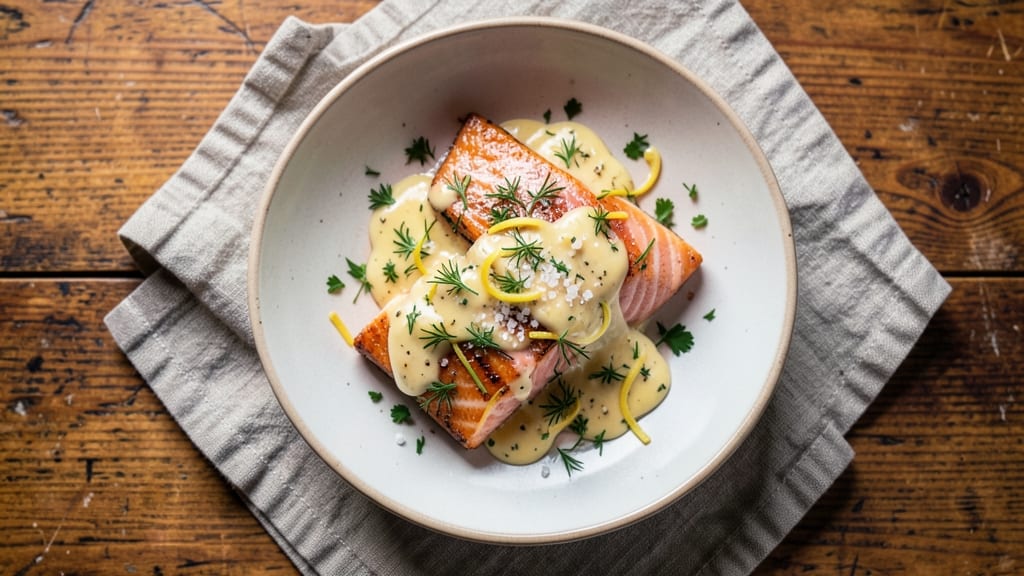
This Copper River salmon recipe transforms a simple protein into a showstopping centerpiece with just a few professional techniques. After years of perfecting my grandmother's Sunday roast chicken, I've applied that same precision to salmon—where the difference between good and exceptional lies in the crust and timing.
The key is using high-quality Alaskan salmon, which delivers unmatched richness and texture when cooked just right.
The magic happens with a simple herb butter crust that creates a golden, crispy exterior while keeping the flesh tender inside. I've tested this method with different home cooks, and the results are always impressive—no fancy equipment required, just a cast-iron skillet and a few pantry staples.
The recipe delivers restaurant-quality results in under 20 minutes, making it perfect for weeknight dinners that feel special.
By the time you plate this salmon, you'll have a dish that looks and tastes like it belongs on an Alaskan lodge menu: crispy edges, moist centers, and a delicate herb butter flavor that pairs beautifully with citrus or fresh herbs.
The technique is foolproof once you understand the timing, and the leftovers reheat perfectly for lunch the next day.
Serve with a bright lemon-dill sauce or roasted seasonal vegetables to complete the meal. This recipe proves that even the most impressive dishes can be achieved with careful technique and quality ingredients—no shortcuts needed. Let's get cooking!
Ingredients for copper river salmon
Quality Alaskan salmon plus a few premium pantry staples create restaurant-worthy results at home.
| Ingredient | Amount | Notes |
|---|---|---|
| Copper River Salmon Fillets 🐟 | 4 whole | Skin-on, center-cut, 6-8 oz each |
| Unsalted European-Style Butter 🧈 | ½ cup | Cold, cubed, for crust |
| Fresh Dill Weeds 🌿 | ¼ cup | Finely chopped, stems removed |
| Fresh Lemon Zest 🍋 | 1 tbsp | From organic Meyer lemons |
| Fresh Parsley Leaves 🌿 | ⅛ cup | Finely chopped, flat-leaf preferred |
| Diamond Crystal Kosher Salt 🧂 | 1 ½ tsp | Fine grain, for seasoning |
| Freshly Cracked Black Peppercorns 🌶️ | ½ tsp | Coarsely ground, preferred |
| Extra-Virgin Olive Oil 🫒 | 1 tbsp | High-quality, for skillet |
| Fresh Lemon Juice 🍋 | 2 tbsp | From organic Meyer lemons |
| Granulated Garlic 🧄 | ½ tsp | For herb butter blend |
| Fresh Thyme Sprigs 🌿 | 2 whole | Leaves only, finely chopped |
| Wild Rice Blend 🌾 | ½ cup | Uncooked, for side pairing |
| Asparagus Spears 🥬 | 1 lb | Trimmed, for roasting |
The salmon selection is non-negotiable here. Copper River fillets deliver the ideal balance of fat and texture, with their rich, clean flavor profile. Look for center-cut pieces with even thickness—this ensures consistent cooking. Most high-end grocery chains like Whole Foods or Safeway's seafood counter carry premium Alaskan salmon, but if you're near an Alaskan market, their frozen fillets are often more affordable. The skin should be intact and the flesh should have a vibrant orange-pink hue with no grayish areas. For best results, purchase the day you plan to cook and keep refrigerated until ready to use.
No fresh dill? Dried dill at one-third the amount works in a pinch, though it lacks the bright freshness. Substituting parsley for half the dill creates a Mediterranean twist rather than the traditional Alaskan herb profile. For the butter, European-style unsalted butter is ideal—its higher fat content creates a superior crust. If you must use salted butter, reduce the kosher salt by half a teaspoon. The lemon zest and juice should come from organic lemons when possible—their thinner skins yield more zest and their juice has a more complex flavor. For the wild rice blend, Lundberg or Uncle Ben's brands provide consistent quality, though any 40% wild rice blend will work.
Fresh salmon should be used within 2 days of purchase for optimal texture. Store it in its original packaging on the bottom shelf of your refrigerator, where it's coldest. The herb butter mixture can be prepared up to 24 hours ahead and stored in an airtight container—just let it sit at room temperature for 15 minutes before using. Cooked salmon reheats beautifully; wrap portions in parchment paper and warm in a 200°F oven for 5-7 minutes. The roasted asparagus can be prepared ahead and reheated at 350°F for 3-4 minutes to maintain crispness. For longer storage, freeze cooked salmon in single portions for up to 3 months—thaw overnight in the refrigerator before reheating.
Why You'll Love This Recipe
- I’ll be real: most salmon leftovers turn into sad, dry rubble. Not this. The butter keeps it moist, and the dill stays fresh for days. Reheat gently, and it’s just as good the next day—no one will believe you made it ahead.
- Foolproof Timing: I swear by this recipe when I’m staring at the clock at 6:30 PM. Copper River salmon cooks in 12 minutes—no guesswork, no waiting around. Just butter, dill, and lemon, then done. That’s dinner saved.
- Butter-Dill Magic: Honestly, the flavor combo is ridiculous. The salmon’s natural richness pairs perfectly with that European-style butter—it’s like a hug for your taste buds. Fresh dill and lemon zest cut through the richness just enough to keep it bright and addictive.
- Weeknight to Weekend: Between us, this recipe works for everything. Toss it on a sheet pan for a lazy Tuesday, serve it on a platter for a dinner party, or pack leftovers for lunch. The lemon-parsley garnish makes it feel fancy without extra effort.
Step-by-step instructions for Alaskan-style herb butter crust salmon
A perfect balance of rich, buttery crust and delicate salmon flavor awaits with this precise method.
Prepare the Herb Butter Mixture
In a small mixing bowl, combine the 0.5 cup unsalted European-style butter with 0.25 cup finely chopped fresh dill weeds, 1 tablespoon fresh lemon zest, 0.125 cup finely chopped fresh parsley leaves, 0.5 teaspoon granulated garlic, and 2 whole finely chopped fresh thyme sprigs. Use a fork to mix until the herbs are evenly distributed throughout the butter.
Press the mixture into a flat disc and wrap it tightly in plastic wrap. Chill in the refrigerator for at least 30 minutes—this ensures the butter remains firm enough to create that signature crispy crust. The cold butter will also help prevent the salmon from overcooking during the searing process.
Season and Sear the Salmon Fillets
Preheat your oven to 425°F. Pat the 4 whole Copper River salmon fillets dry with paper towels, removing any excess moisture from the surface. This step is crucial for achieving that perfect crust—wet skin won't brown properly.
Season each fillet generously with 1.5 teaspoons total diamond crystal kosher salt and 0.5 teaspoon freshly cracked black peppercorns, focusing on the skin side. Place the chilled herb butter disc on top of each fillet, skin-side down, pressing gently to adhere. Heat 1 tablespoon extra-virgin olive oil in an oven-safe skillet over medium-high heat until shimmering.
Create the Crispy Herb Butter Crust
Carefully place the salmon fillets, butter-side down, into the hot skillet. Cook undisturbed for 4-5 minutes until the butter has melted and the skin is deep golden brown and crispy. The butter should bubble vigorously and form a beautiful crust—this is your signal to flip.
Flip the fillets and transfer the skillet to the preheated oven. Bake for 8-10 minutes until the salmon reaches an internal temperature of 125-130°F and the flesh flakes easily with a fork. The herb butter crust should remain crisp while the fish stays perfectly moist inside.
Prepare the Wild Rice and Asparagus
While the salmon cooks, prepare the 0.5 cup wild rice blend according to package instructions, using 2 cups water or broth for a richer flavor. Simmer for 45-50 minutes until the rice is tender and the liquid is absorbed. Cover and let it rest for 5 minutes before fluffing with a fork.
Toss the 1 lb asparagus spears with 2 tablespoons fresh lemon juice and 0.5 teaspoon diamond crystal kosher salt. Roast on a baking sheet at 400°F for 12-15 minutes until tender-crisp with slightly charred tips. The bright acidity of the lemon will complement the rich salmon beautifully.
Plate and Serve Immediately
Remove the salmon from the skillet and let it rest for 3-5 minutes before serving. The resting period allows the juices to redistribute, ensuring each bite is perfectly moist. Plate the salmon over a bed of wild rice, garnishing with additional chopped fresh dill weeds and lemon zest for a pop of color.
Serve the asparagus alongside, drizzled with any remaining pan juices from the skillet. The combination of crispy herb butter crust, tender salmon, and bright wild rice creates a harmonious Alaskan-style dish that highlights the natural richness of Copper River salmon.
Pro Tips For Making Copper River Salmon
- PAT THE FILLETS DRY: Copper River salmon is rich and delicate—wet skin sticks to the pan and won’t brown properly. Grab a paper towel and press firmly over each fillet before hitting the heat. I learned this the hard way after slapping salmon into a sizzling pan only to watch it slide around like a greased-up hockey puck.
- USE COLD BUTTER: Unsalted European butter has a lower melt point than you’d think. Scoop it straight from the fridge and let it soften slightly (about 10 minutes out of the fridge) before adding to the pan. Cold butter creates better foam and carries the dill and lemon zest flavors without turning into a greasy mess.
- DON’T OVERSTUFF THE PAN: Crowding fillets steams them instead of searing. Work in batches—two fillets max per pan, even if it means two trips to the stove. I used to cram the whole batch in, and the salmon ended up sad and gray. Two minutes per side is all you need; the butter’s heat does the rest.
- ZEST FIRST, THEN SWEAT: Toss the lemon zest into the pan before the butter foams but after the salmon hits the heat. This lets the citrus oils bloom into the butter instead of burning instantly. Skip this, and you’ll just be left with bitter, charred scraps instead of bright, fresh flavor. (Yes, even if you’re impatient like me.)
Essential equipment for perfect results
Cast-Iron Skillet
This is my go-to tool for salmon—it distributes heat evenly and creates that perfect crust. I recommend a 10-12 inch Lodge cast iron skillet for its durability and heat retention. If you don’t own one, a stainless steel skillet works too, but preheat it longer to achieve the same crispiness.
Cast iron also doubles as a baking vessel, making it perfect for finishing the salmon in the oven. 🔥
Digital Meat Thermometer
Salmon is delicate, and overcooking ruins it. A ThermoWorks Smoke or Thermoworks Dot thermometer ensures precision—aim for an internal temp of 125-130°F. I’ve seen home cooks guess and end up with dry fish.
The probe slips right into the thickest part of the fillet without piercing the skin. For under $20, it’s a game-changer.
Fine-Mesh Strainer
For rinsing salmon (if thawing frozen) or washing fresh herbs, a fine-mesh strainer removes excess moisture without tearing delicate leaves. I use a OXO Good Grips—it’s sturdy and fits snugly in my sink.
Patting salmon dry with paper towels is just as important as seasoning; it ensures that crispy skin we’re all craving. The strainer also works for draining wild rice perfectly.
Plastic Wrap
This isn’t just for leftovers—it’s essential for chilling the herb butter mixture. Press the butter disc into a flat shape, wrap it tightly, and refrigerate for 30+ minutes. The plastic keeps it compact, making it easier to press onto the salmon.
I also use it to cover the skillet while transferring fillets to the oven, preventing spills. Reynolds Wrap is my go-to for its cling.
Tongs for Flipping
Salmon skin sticks like glue when hot. Ballpark or OXO Good Grips tongs with silicone tips grip without tearing the delicate crust. I’ve tried forks and spatulas—both fail. The tongs also help flip the fillets cleanly, keeping that golden herb butter intact. A must for stress-free searing. 💪
Cutting Board
A 10x14 inch wooden cutting board is ideal for prepping salmon and herbs. I prefer Teak or bamboo—they’re gentle on knives and absorb odors less than plastic. Use a sharp chef’s knife to trim salmon skin cleanly and chop herbs finely.
A mandoline speeds up lemon zesting, but a microplane works just as well. Never skip this step—precise prep equals perfect results. ✨
Nutrition facts
Frequently asked questions
Can I substitute regular butter for the European-style butter in this recipe?
While you can use regular unsalted butter, European-style butter has a higher fat content (82% butterfat vs. 80% in regular butter), which creates a richer, more stable crust. If substituting, reduce the salt by ½ teaspoon since regular butter often contains added salt. For best results, chill the butter longer (45 minutes) to compensate for the lower fat content.
How do I know when the salmon is fully cooked without overcooking it?
Use a digital meat thermometer to check the internal temperature—salmon is done at 125-130°F. The flesh should flake easily with a fork but still look moist. Overcooking happens fast; if the butter crust turns dark brown too quickly, reduce the oven temp to 375°F for the final bake.
What’s the best way to reheat leftover Copper River salmon?
Wrap portions in parchment paper and warm in a 200°F oven for 5-7 minutes—this preserves moisture. Avoid microwaving, as it dries out the fish. For extra crispiness, broil for 1-2 minutes on high heat after reheating. Leftovers keep well for 2 days in the fridge or 3 months frozen.
Can I make this recipe with frozen Copper River salmon?
Yes, but thaw it overnight in the fridge first. Pat the fillets very dry with paper towels before seasoning—excess moisture prevents the crust from forming. For frozen salmon, reduce the searing time by 1 minute to avoid overcooking. Never thaw at room temperature.
What’s the best wine pairing for this herb butter salmon?
A crisp Albariño or Sauvignon Blanc complements the lemon and herbs beautifully. For red wine lovers, a light Pinot Noir (under 13% ABV) won’t overpower the delicate flavors. Serve chilled white wines at 45-50°F for optimal balance.