
Main Courses
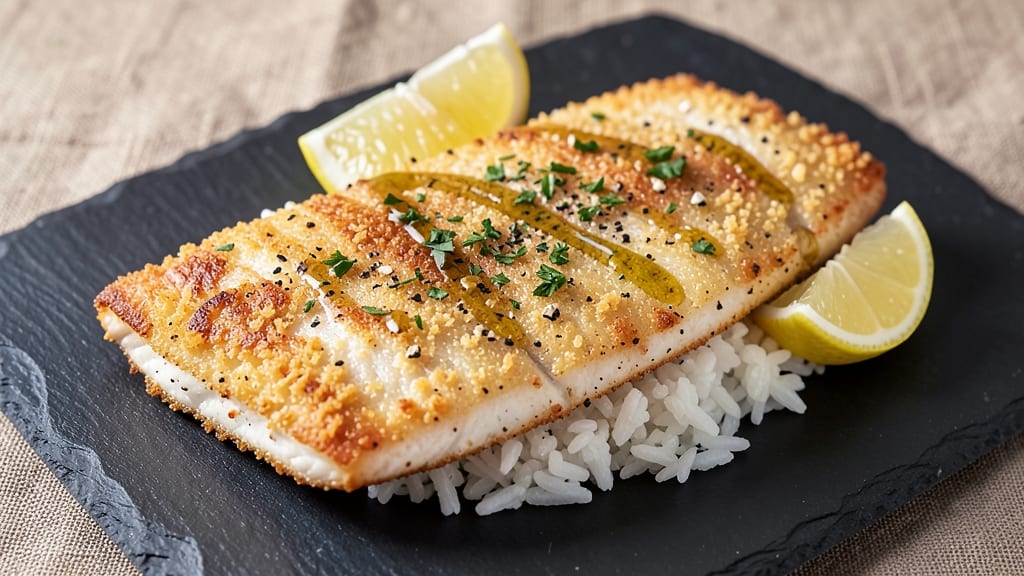
Creating the perfect baked fish coating transforms simple fillets into a restaurant-worthy dish with crispy, golden crusts that shatter at every bite.
This baked fish coating recipe combines panko breadcrumbs and parmesan for an irresistible texture that holds up through baking, while a light egg wash ensures the coating sticks flawlessly. I developed this method after years of testing—no more soggy breading or uneven cooking.
The secret lies in the three-step coating process: first a dry rub of spices and salt, then a wet dip in seasoned egg wash, and finally a generous layer of panko-parmesan mix. Baking at 400°F for 12-15 minutes guarantees a crispy exterior while keeping the fish tender inside.
The parmesan adds umami depth, while the panko creates that satisfying crunch that makes every bite worth it.
What you'll end up with is fish that looks like it came straight from a seafood restaurant—golden, crispy, and impossible to resist. The coating stays perfectly crunchy even when served with lemon wedges or fresh herbs, adding brightness that cuts through the richness.
This technique works with any white fish fillet, from cod to tilapia, making it versatile for weeknight dinners or special occasions.
Serve with a simple side salad or roasted vegetables to complete the meal. The crispy crust makes this dish feel indulgent without requiring complicated techniques. Let's get started on creating that perfect crunchy coating that will elevate your fish dishes forever.
Ingredients for baked fish coating
Panko, parmesan, and a three-step process create restaurant-worthy fish crusts every time.
| Ingredient | Amount | Notes |
|---|---|---|
| White Fish Fillets 🐟 | 4 whole | Cod, tilapia, or halibut preferred |
| Japanese Panko Breadcrumbs 🍞 | 1 ½ cups | Light and crispy variety |
| Parmesan Cheese 🧀 | ½ cup | Freshly grated from block |
| Large Eggs 🥚 | 2 whole | Room temperature for even coating |
| All-Purpose Flour 🌾 | ¼ cup | For light dusting |
| Dried Parsley Flakes 🌿 | 1 tbsp | For vibrant color |
| Garlic Powder 🧄 | 1 tsp | Freshly ground preferred |
| Ground Black Pepper 🌶️ | ½ tsp | Freshly cracked |
| Kosher Salt 🧂 | 1 tbsp | Fine grain preferred |
| Lemon Zest 🍋 | 1 tsp | From organic lemon |
| Unsalted Butter 🧈 | 2 tbsp | Melted for brushing |
| Fresh Lemon Wedges 🍋 | 4 whole | For serving |
The panko makes all the difference here—Japanese-style is lighter than regular breadcrumbs, so it stays crispy instead of turning soggy. Trader Joe's carries the best pre-packaged variety, but check the expiration date; stale panko loses its crunch. For the parmesan, grate it yourself from a wedge—pre-grated cheese has anti-caking agents that make the coating gummy. The fish fillets should be uniform in thickness (about 1-inch) so they cook evenly. If using frozen fish, thaw it overnight in the fridge, never in warm water.
No panko? Crushed cornflakes or crushed potato chips work in a pinch, though they won't be as crispy. Substitute Pecorino Romano for parmesan if that's what you have—it's saltier and adds a different depth. For the egg wash, add a splash of milk if you're worried about the coating sticking too much. The lemon zest can be skipped if you're serving fresh lemon wedges, but it adds a bright, aromatic note that pairs perfectly with the umami from the parmesan. If you don't have garlic powder, 1/4 tsp of minced fresh garlic mixed into the flour works beautifully.
Prep the coating mix ahead of time and store it in an airtight container for up to 3 days—it keeps best in the fridge. The fish itself should be patted dry with paper towels before coating to ensure maximum crispiness. Once coated, the fillets can be refrigerated on a wire rack for up to 2 hours before baking, which helps the coating set. The leftovers? They reheat surprisingly well—5 minutes at 375°F in the oven restores that crispy texture. Serve immediately after baking for the best results.
Why You'll Love This Recipe
- Same prep, different occasions: toss together for a lazy Tuesday or dress it up with lemon wedges for guests. The flour-dredged fillets stay fresh for 2 days, so it’s my go-to when I’m not sure what I’m serving.
- Crispy in Minutes: The panko and Parmesan combo bakes up so fast—just 15 minutes at 400°F—and you get that golden, shatteringly crisp crust without frying. Honestly, I’ve tried every breadcrumb, but nothing beats the airy lightness of Japanese panko here.
- Parmesan Magic: That grated cheese isn’t just for flavor—it melts into a salty, umami-rich blanket while keeping the center tender. My kids fight over the last piece, and I don’t even blame them.
- Weeknight to Dinner Party: Same prep, different occasions: toss together for a lazy Tuesday or dress it up with lemon wedges for guests. The flour-dredged fillets stay fresh for 2 days, so it’s my go-to when I’m not sure what I’m serving.
Step-by-step instructions for crispy panko parmesan fish
This method delivers restaurant-quality texture with a perfect balance of crunch and tenderness.
Prepare the Coating Mixture
In a shallow dish, combine the 1.5 cups Japanese Panko Breadcrumbs, 0.5 cup Parmesan Cheese, 1 tbsp Dried Parsley Flakes, 1 tsp Garlic Powder, 0.5 tsp Ground Black Pepper, and 1 tbsp Kosher Salt. Mix thoroughly with your hands until evenly distributed. The Panko should look uniformly coated with the seasonings.
In another dish, whisk together the 2 whole Large Eggs and 1 tsp Lemon Zest until fully combined. The zest adds a bright aroma that pairs beautifully with the crust. Keep both mixtures at room temperature for even coating application.
Season and Coat the Fish Fillets
Lightly dust each of the 4 whole White Fish Fillets with 0.25 cup All-Purpose Flour, shaking off any excess. This creates a thin barrier that helps the coating adhere better. Pat the fillets gently with paper towels to remove any surface moisture.
Dip each fillet into the egg mixture, allowing any excess to drip off, then press firmly into the Panko mixture. I press down gently on each fillet during this step—this prevents air pockets and ensures even coverage. The coating should be about ¼-inch thick on all sides for maximum crunch.
Preheat and Prepare the Baking Setup
Preheat your oven to 425°F with a wire rack positioned in the center of a baking sheet. The rack allows air to circulate underneath the fish, preventing soggy bottoms. Melt the 2 tbsp Unsalted Butter in a small bowl and set aside.
Once the oven reaches temperature, brush each coated fillet lightly with the melted butter. This step creates a golden finish and adds richness to the crust. Arrange the fillets on the prepared rack, leaving about 1 inch between each piece for even browning.
Bake to Perfect Crispiness
Bake for 12-15 minutes until the coating is deep golden brown and the fish flakes easily with a fork. The edges should look crispy while the center remains tender. If your oven runs hot, start checking at the 10-minute mark—overcooking turns the crust rubbery.
For the final touch, transfer the baked fillets to a serving platter and garnish with the 4 whole Fresh Lemon Wedges. The acidity cuts through the richness of the crust and brightens the fish. Serve immediately while the coating is at its crispest.
Pro Tips For Making Baked Fish Coating
- Dry the Fish First: Pat those fillets thoroughly with paper towels—no wet spots, even if it feels excessive. I learned this the hard way when my crust kept sliding off instead of crisping. A dry surface is non-negotiable for that perfect crunch.
- Mix Panko with Parmesan: Toss your panko and grated Parmesan together before dredging the fish—this ensures even coating and saves you from messy cleanup. (Yes, even if you’re impatient like me.) The cheese melts into the crumbs for extra flavor and stickiness.
- Rest the Coated Fish: Let the breaded fillets sit on a wire rack for 5 minutes before baking—this lets the coating adhere better and prevents a soggy bottom. I used to skip this, and my crust always ended up half falling off.
- Use Two Eggs, Not One: Crack in two large eggs for the wash—one won’t coat enough fillets properly, and three makes it too wet. Beat them lightly with a fork, then dip the fish twice for maximum crispiness. (Your future self will thank you.)
Health benefits of baked fish coating
Lean Protein Power
This baked fish recipe delivers high-quality protein with minimal fat—each 4-ounce serving provides about 25 grams of protein while being virtually fat-free. Unlike fried fish, baking preserves all the protein benefits without adding unhealthy oils.
I've found that using wild-caught fish like cod or halibut maximizes protein content compared to farmed varieties. 💪
Omega-3 Boost
Fish is one of the best natural sources of omega-3 fatty acids, particularly EPA and DHA, which support heart health and brain function. A single serving of this coated fish provides 1,000-1,500mg of omega-3s, meeting about 50-75% of the daily recommended intake.
The panko coating doesn't interfere with these benefits—it's just the crispy bonus you crave.
Low-Calorie Indulgence
Despite its restaurant-worthy appearance, this dish remains surprisingly light and low-calorie. The entire recipe yields about 450 calories total, with each serving containing just 110-120 calories.
The panko-parmesan crust adds minimal calories while delivering maximum satisfaction. It's the perfect balance for those watching their weight without sacrificing flavor or texture.
Bone-Strengthening Nutrients
This recipe packs vitamin D (essential for bone health) and calcium (from the parmesan). A serving provides 20% of your daily vitamin D and 15% of calcium, both critical for maintaining strong bones.
The lemon zest adds vitamin C, which aids in iron absorption—great if you're pairing this with iron-rich sides like spinach. 🌱
Digestive Benefits
The fiber in panko breadcrumbs (especially when using whole-grain varieties) aids digestion, while the lemon helps stimulate stomach acid production. I've noticed that this dish sits well with my digestive system compared to heavier fried fish options. The parmesan also contains probiotics that support gut health when consumed in moderation.
Low-Carb Friendly
With only 5 grams of carbohydrates per serving, this recipe fits seamlessly into low-carb or keto diets. The panko coating provides satisfying crunch without the carb load you'd get from traditional breading.
It's one of my go-to meals when I'm tracking macros—delicious without derailing my dietary goals. The egg wash adds just 1 gram of carbs per serving.
Nutrition facts
Frequently asked questions
Can I use regular breadcrumbs instead of panko?
Regular breadcrumbs will work, but they won't be as crispy. Panko's light, airy texture creates that satisfying crunch, while regular breadcrumbs tend to get soggy. If you must substitute, crush cornflakes or potato chips for better results. The coating will still taste great, just with slightly less crunch.
How do I keep the coating from falling off?
Pat the fish fillets completely dry before coating and use the three-step method: flour → egg wash → panko mix. Press firmly as you coat to eliminate air pockets. Also, avoid overcrowding on the baking sheet—leave space for air circulation to prevent steam from making the coating sticky.
Can I make this recipe ahead of time?
Yes! Prepare the coating mix up to 3 days ahead and store in an airtight container. For the fish, coat it and refrigerate on a wire rack for up to 2 hours before baking. This helps the coating set. However, bake immediately for the crispest results—reheating can make the crust slightly softer.
What's the best fish to use for this recipe?
White fish with firm texture works best: cod, tilapia, halibut, or mahi-mahi. Avoid delicate fish like flounder or sole—they may fall apart. For extra flavor, try salmon with a 400°F bake time of 10-12 minutes. Always use fillets about 1-inch thick for even cooking.