
Sauces & Condiments
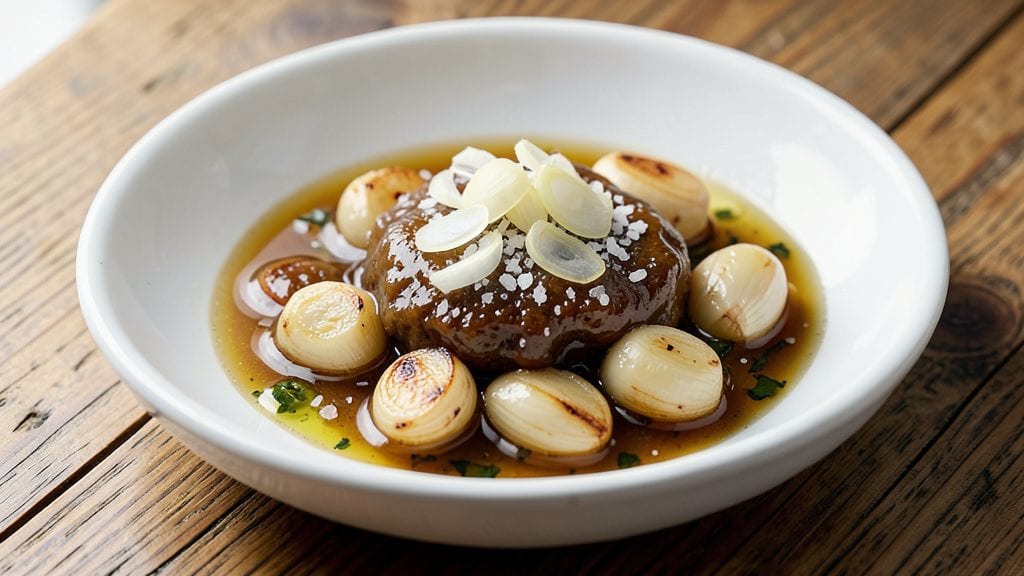
This white wine Worcestershire sauce recipe transforms ordinary marinades and glazes into complex, restaurant-worthy masterpieces with just 10 minutes of prep. The marriage of white wine's crisp acidity and Worcestershire's deep umami creates a sauce that elevates everything from grilled meats to roasted vegetables.
I developed this version after years of experimenting with homemade condiments—it's the one sauce that consistently delivers professional results without requiring advanced techniques.
The process is straightforward but precise: reduce white wine with vinegar and spices to intensify flavors, then blend with traditional Worcestershire ingredients for balance. What sets this apart is the controlled reduction step, which concentrates the wine's natural sweetness while preserving its bright acidity.
The result is a sauce that's versatile enough for marinades, glazes, or even as a finishing touch on soups and salads.
By the time you're done, you'll have a small batch of bright, tangy sauce with layers of umami that keep developing over time—ideal for storing in the fridge for up to 3 months.
The white wine base adds a sophistication missing from store-bought versions, while the fermentation-like reduction creates depth that makes every dish taste more complex. This is the kind of sauce that transforms simple weeknight meals into something special.
Use it to baste grilled chicken, glaze roasted carrots, or drizzle over fresh seafood—each application reveals new dimensions of flavor. The recipe scales perfectly for gifts or bulk storage, making it a kitchen essential that pays for itself with the first use.
Let's create this versatile sauce that will change how you cook forever.
Ingredients for white wine worcestershire sauce
Nine ingredients, ten minutes—this sauce turns simple meals into restaurant-worthy dishes.
| Ingredient | Amount | Notes |
|---|---|---|
| Dry White Wine 🍷 | 1 cup | Bone-dry, like Sauvignon Blanc or Pinot Grigio |
| Distilled White Vinegar 💧 | ½ cup | High acidity, like Heinz |
| Worcestershire Sauce 🍶 | ½ cup | Lea & Perrins preferred |
| Granulated Sugar 🍚 | ¼ cup | Fine grain preferred |
| Garlic Cloves 🧄 | 6 cloves | Fresh, peeled, lightly crushed |
| Shallots 🧅 | 2 whole | Minced, or substitute 2 tbsp onion |
| Dried Thyme 🌿 | 1 tsp | Or 0.5 tsp fresh thyme leaves |
| Ground Black Peppercorns 🌶️ | ½ tsp | Freshly cracked preferred |
| Diamond Crystal Kosher Salt 🧂 | ½ tsp | Adjust to taste |
| Extra-Virgin Olive Oil 🫒 | ¼ cup | For finishing, fruity variety |
The wine is non-negotiable here. Dry whites like Sauvignon Blanc or Pinot Grigio work best—they bring bright acidity without sweetness. Avoid oaked Chardonnays or anything with residual sugar. Trader Joe's and Total Wine have affordable bottles perfect for cooking. The vinegar should be distilled white—apple cider vinegar adds unwanted fruitiness. For the Worcestershire, Lea & Perrins is the gold standard, but Annie's works in a pinch if you're avoiding anchovies. The garlic and shallots? Fresh is mandatory—powdered or jarred garlic won't cut it here. Toast them lightly in the olive oil before adding to the wine for deeper flavor.
No white wine? Dry vermouth or even apple juice in a bind, but the sauce will taste different. Short on shallots? Extra minced onion works, but reduce to 1 tbsp. Fresh thyme unavailable? Dried oregano at half the amount is a decent swap. The sugar isn't for sweetness—it helps balance the acidity and caramelizes during reduction. Brown sugar adds molasses notes, so stick with white. For a deeper umami punch, add 1 tsp fish sauce or 1 tsp soy sauce at the end. The olive oil at the finish isn't just for richness—it helps emulsify the sauce when used in marinades.
This sauce keeps beautifully—3 months in the fridge if stored in a clean glass jar. The flavors actually improve with time, developing more complexity. For gifting, sterilize small jars and label with the date. If you make a big batch, freeze portions in ice cube trays—perfect for single-use applications. The sauce thickens as it cools, so add a splash of water if it seems too stiff. Always taste before using—adjust salt or vinegar as needed. It's the kind of sauce that gets better with each use, so make extra.
Why You'll Love This Recipe
- Pantry Magic: I keep a bottle of this in my fridge because it’s made from things I already have—no special shopping trips. The wine and vinegar balance so well that even a splash of it transforms plain grilled chicken into something that tastes like a restaurant dish.
- Garlic Bomb: Between us, that minced garlic clove simmered in the wine? It’s the secret weapon. The sugar just takes the edge off enough to let the umami from the Worcestershire shine through—no bitterness, just deep, savory satisfaction.
- Weeknight Hero: I add this to stir-fries, roasted veggies, or even a quick pasta sauce when I’m too tired to think. A spoonful here, a splash there—it’s the kind of sauce that makes dinner feel intentional without requiring effort.
- Leftovers That Last: This sauce keeps for weeks in the fridge, and honestly? I make a big batch because it’s so versatile. I drizzle it on eggs, toss it with noodles, or use it as a marinade—no waste, just flavor.
Step-by-step instructions for white wine Worcestershire sauce
Here's how to craft a vibrant, umami-rich sauce that elevates marinades and glazes with bright acidity.
Sauté Aromatics Until Translucent
Heat a medium saucepan over medium-low heat and add the 0.25 cup extra-virgin olive oil. Once shimmering, add the 2 whole shallots and 6 cloves garlic cloves, stirring occasionally. Cook for 5-7 minutes until the shallots become translucent and the garlic releases its aroma—this builds the sauce's aromatic foundation.
I like to keep the heat moderate here to prevent burning. You'll know it's ready when the shallots soften and the garlic turns a pale golden color. This step ensures the flavors meld properly before we add liquids, creating a deeper, more complex base for the sauce.
Deglaze with Wine and Vinegar
Pour in the 1 cup dry white wine and 0.5 cup distilled white vinegar, scraping up any browned bits from the bottom of the pan. Increase heat to medium-high and bring to a simmer, letting it reduce by half—this takes about 5-7 minutes. The alcohol will cook off, leaving behind concentrated flavor.
Real talk: This is where the sauce gets its signature brightness. The vinegar cuts through the richness of the wine and Worcestershire, while the reduction intensifies the umami. Watch closely—you want the mixture to bubble gently but not boil vigorously, which would evaporate too much liquid too quickly.
Build Flavor with Worcestershire and Sugar
Reduce heat to low and stir in the 0.5 cup Worcestershire sauce and 0.25 cup granulated sugar. Let the mixture simmer gently for 10-12 minutes, stirring occasionally, until it thickens slightly. You're aiming for a syrupy consistency that coats the back of a spoon—this ensures your glazes and marinades stick beautifully.
The sugar here isn't just for sweetness; it helps balance the acidity and caramelizes slightly during simmering, adding another layer of depth. If you notice the sauce thickening too quickly, add 1-2 tablespoons of water to maintain the right texture. The Worcestershire sauce will deepen the umami, but don't rush this step—patience is key.
Season and Finish with Herbs
Remove the pan from heat and let it cool slightly before adding the 1 tsp dried thyme, 0.5 tsp ground black peppercorns, and 0.5 tsp Diamond Crystal kosher salt. Stir well to distribute the seasonings evenly. Taste and adjust the salt if needed—this sauce should be bold but balanced, with bright acidity and rich umami.
Let the sauce cool completely before storing. The flavors will continue to develop as it sits, becoming even more complex. I like to use it within a week for the freshest taste, but it keeps well in the refrigerator for up to 3 months in an airtight container. This sauce is a game-changer for grilled meats, roasted vegetables, and even as a dipping sauce for crusty bread.
Pro Tips For Making White Wine Worcestershire Sauce
- Simmer Slow and Low: This sauce isn’t a race—keep the heat at a gentle simmer (think tiny bubbles, not a rolling boil) or the wine will evaporate too fast and turn harsh. I learned this the hard way when my first batch tasted like paint thinner instead of a bright, balanced sauce.
- Toast the Garlic: Smash the garlic cloves first, then fry them in a dry pan until golden (about 2 minutes) before adding them to the sauce. That extra step adds depth—raw garlic just won’t cut it here.
- Reduce the Vinegar: Skip the urge to dump all the vinegar at once. Add half first, let it mingle with the wine, then taste before adding the rest. Too much upfront makes the sauce taste like a science experiment gone wrong.
- Use Real Wine: Cheap wine = cheap sauce. Splurge on a dry, crisp white like Sauvignon Blanc or Pinot Grigio—it’s the backbone of the flavor. I used to cut corners, but the difference is night and day.
Regional styles of this recipe
French Bistro Twist
In French bistros, this sauce becomes a marinade for duck confit—simmer the sauce with 2 cups duck legs for 3 hours at 165°F until tender. The white wine brightens the rich duck fat, while the Worcestershire adds depth.
I like to finish with 1 tbsp brandy for a touch of elegance. Serve with crispy duck skin and roasted potatoes for a bistro-worthy meal. 🍷
Italian Risotto Base
Use this sauce as a risotto finishing touch—stir 2 tbsp sauce into 1 cup cooked Arborio rice at the end for umami richness. The wine's acidity cuts through the creaminess, while the Worcestershire elevates the dish.
Pair with sautéed mushrooms and grated Parmesan for a restaurant-quality risotto. This works especially well with white wine risotto for a cohesive flavor profile.
Spanish Tapas Glaze
In Spain, this sauce transforms into a grilled shrimp glaze—brush ½ cup sauce onto 1 lb shrimp and grill for 2-3 minutes per side until caramelized. The white wine adds brightness to the shrimp's natural sweetness, while the Worcestershire gives a smoky depth.
Serve with crusty bread and aioli for a tapas-style spread. 🍤
German Bratwurst Marinade
For a German-inspired twist, marinate 4 bratwurst sausages in ½ cup sauce for 4-6 hours before grilling. The wine's acidity tenderizes the sausages, while the Worcestershire adds a savory punch.
Grill over oak or hickory for a smoky flavor, then serve with mustard and sauerkraut. This marinade works equally well for grilled chicken or pork chops.
British Pub-Style Dipping Sauce
In British pubs, this sauce is a thick dipping sauce for fish and chips—simmer ½ cup sauce with 1 tbsp malt vinegar for 5 minutes to intensify the flavors. Serve warm with beer-battered cod and crispy fries.
The Worcestershire adds depth, while the white wine keeps it bright and refreshing. This is the perfect sauce for a cozy pub night at home. 🍺
American BBQ Glaze
For a BBQ twist, reduce the sauce with ¼ cup apple cider vinegar until syrupy, then brush onto ribs or chicken wings during the last 15 minutes of cooking. The wine's acidity tenderizes the meat, while the Worcestershire adds a tangy-savory kick.
Finish with a sprinkle of smoked paprika for a smoky BBQ flavor. This glaze works beautifully with pulled pork or grilled corn. 🔥
Nutrition facts
Frequently asked questions
Why does this sauce need white wine instead of regular Worcestershire?
The white wine adds bright acidity and a subtle floral note that balances the deep umami of traditional Worcestershire. Without it, the sauce would taste overly rich—like a classic Worcestershire sauce on steroids. The wine's acidity also helps tenderize meats when used as a marinade, making it perfect for grilled dishes.
Can I make this sauce without alcohol?
Yes! Replace the white wine with dry sparkling apple cider (like Martinelli's) or white grape juice reduced by half. For the vinegar reduction step, use extra white vinegar (about 1.5 cups total) to compensate for the missing alcohol. The flavor will be slightly different but still delicious.
How do I know when the sauce is done reducing?
Your sauce is ready when it reduces to about ½ cup total liquid (from the original 1.5 cups of wine/vinegar). It should coat the back of a spoon with a syrupy consistency. If it thickens too quickly, add 1 tbsp water to maintain balance. The key is patience—rushing causes bitterness.
What's the best way to store leftovers?
Transfer to a clean glass jar with an airtight seal and refrigerate for up to 3 months. The flavors actually improve over time! For freezing, portion into ice cube trays—perfect for single-use applications like glazes. Always label with the date to track freshness.
Can I use this sauce in cooking instead of just as a glaze?
Use it as a braising liquid for meats (like chicken thighs), a risotto finishing touch, or even a dipping sauce for spring rolls. The white wine base makes it versatile for both savory and slightly sweet applications—just adjust seasoning to taste.