
Sauces & Condiments
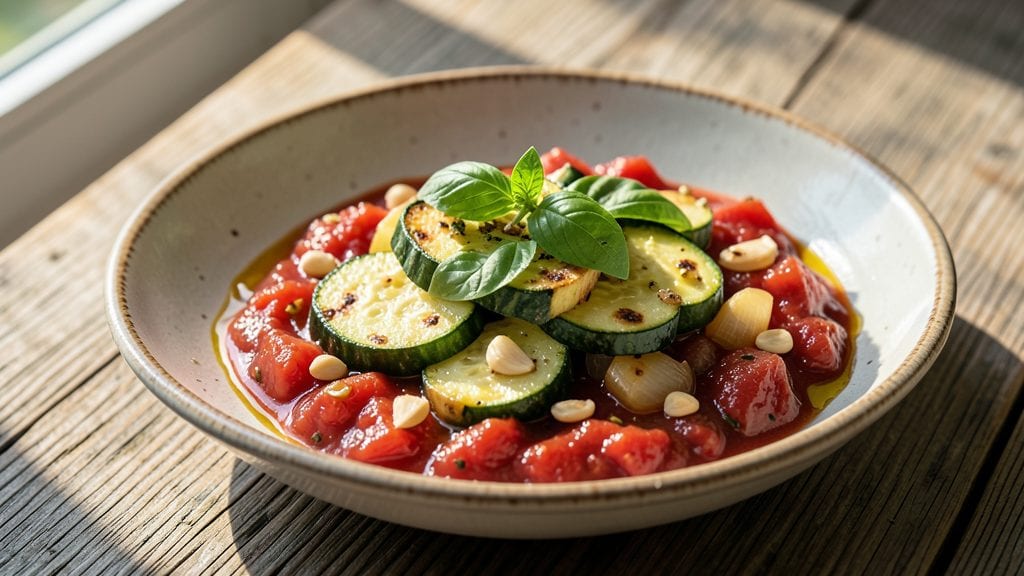
Transforming canned zucchini into a rich, flavorful tomato sauce isn't just clever—it's a game-changer for zero-waste cooking. This one-pot pasta sauce delivers restaurant-quality depth with minimal effort, turning pantry staples into something truly special.
The secret lies in balancing sweet tomatoes with the subtle earthiness of zucchini, creating a sauce that's both comforting and sophisticated.
What makes this recipe stand out is its simplicity—just a handful of ingredients and 30 minutes of active time. The canned zucchini breaks down beautifully in the simmering sauce, infusing it with natural sweetness while maintaining texture.
A blend of aromatic herbs and a touch of garlic elevate the flavors, ensuring every spoonful is packed with character. Perfect for vegetarians or anyone looking to reduce food waste without sacrificing taste.
By the end, you'll have a velvety, one-pot pasta sauce that clings perfectly to al dente noodles, with just the right balance of tangy and sweet. The aroma alone will have everyone asking what's for dinner.
This versatile sauce works equally well with spaghetti, penne, or even as a hearty base for stuffed shells. Let’s get cooking—your pantry just got a major upgrade.
Pair it with crusty bread or a sprinkle of fresh basil to complete the dish. The best part? You’ll use every bit of the canned zucchini, leaving no waste behind. This is cooking at its most efficient—and delicious.
Ingredients for canned zucchini in tomato sauce
Pantry staples meet zero-waste brilliance—this one-pot sauce transforms humble ingredients into restaurant-quality flavor.
| Ingredient | Amount | Notes |
|---|---|---|
| Canned Zucchini 🥒 | 1 can | Drained, chopped into chunks |
| Canned Crushed Tomatoes 🍅 | 2 cups | High-quality, no salt added |
| Extra-Virgin Olive Oil 🫒 | ½ cup | High quality, fruity variety |
| Yellow Onion 🧅 | 1 whole | Diced, medium size preferred |
| Garlic Cloves 🧄 | 4 cloves | Minced, fresh preferred |
| Fresh Basil Leaves 🌿 | ½ cup | Chopped, stems removed |
| Dried Oregano 🍃 | 1 tsp | Italian preferred for authenticity |
| Ground Black Pepper 🌶️ | ½ tsp | Freshly ground for best flavor |
| Sea Salt 🧂 | 1 ½ tsp | Diamond Crystal preferred |
| Penne Pasta 🍝 | 12 oz | Dry weight, al dente preferred |
| Vegetable Broth 💧 | 1 cup | Low-sodium preferred |
| Red Wine Vinegar 🍷 | 1 tbsp | For brightness, optional |
| Fresh Parsley 🌿 | ¼ cup | Chopped, for garnish |
The canned zucchini is the star here, so choose brands with minimal additives—Green Giant or Del Monte work perfectly. The crushed tomatoes should be San Marzano if possible, but any high-quality canned tomatoes (like Muir Glen) will do. Fresh basil is ideal, but dried works at one-third the amount if you're in a pinch. For the olive oil, California Olive Ranch or Bertolli are reliable choices that won't overpower the sauce. The onions and garlic should be freshly diced and minced—this is where the base flavor builds, so don't skip it.
No fresh basil? Dried oregano or thyme will bridge the gap, though nothing beats the fresh herb's brightness. Short on vegetable broth? Water plus a bouillon cube gets you close, but the umami difference is noticeable. The red wine vinegar adds a subtle tang—skip it if you prefer a sweeter sauce, but I always include it for that restaurant-quality depth. For the pasta, penne or rigatoni work best—their ridges catch the sauce beautifully. If you're making this ahead, cook the pasta separately and toss it with the sauce just before serving to avoid mushiness.
This sauce keeps beautifully in the fridge for 5-6 days, with flavors deepening over time. Portion into containers for easy lunches—freezes for 3 months if you want to prep ahead. The zucchini chunks add a lovely texture, but if you prefer a completely smooth sauce, blend half before adding it to the pot. Garnish with fresh parsley just before serving to keep it vibrant. Leftovers reheat perfectly—just add a splash of water or broth if it thickens too much.
Why You'll Love This Recipe
- No Chopping Needed: I’ll admit—this one’s my lazy-day hero. The canned zucchini means zero slicing or peeling, just drain, rinse, and toss into the simmering tomatoes. Honestly, I’ve made this on nights when I’d rather be watching a movie than prepping veggies.
- Garlic-Tomato Magic: That moment when the garlic hits the olive oil and the tomatoes start breaking down? Chef’s kiss. The sauce gets rich and sweet, with just enough acidity to cut through the zucchini’s natural mildness. It’s the kind of flavor that makes you want to eat it straight from the pan.
- Pasta’s New Best Friend: Between us, this sauce is my go-to for spaghetti and as a filling for stuffed shells. Even better? It reheats like a dream, so you can make a big batch on Sunday and stretch it through the week. (Yes, even on a Tuesday night.)
- Budget Meal, Big Payoff: Crushed tomatoes and canned zucchini are pantry staples that don’t break the bank, but this dish tastes like you slaved over it. I’ve served it to guests who swear it’s homemade, and my wallet thanks me every time. Plus, leftovers? They’re just as good the next day.
Step-by-step instructions for canned zucchini in tomato sauce recipe
This one-pot method transforms humble canned ingredients into a rich, aromatic tomato sauce with tender zucchini—no waste, no fuss.
Sauté Aromatics Until Fragrant
Heat the 0.5 cup extra-virgin olive oil in a large, deep skillet or Dutch oven over medium heat. Add the 1 whole yellow onion, diced into even ¼-inch pieces, and cook for 5-6 minutes until softened and translucent. You'll see the onions release their moisture and begin to caramelize slightly at the edges.
Add the 4 minced garlic cloves and cook for another 30 seconds until the raw garlic scent disappears and you're left with a nutty aroma. Here's the thing—don't let the garlic burn. It happens fast, and you'll taste that bitter note in your sauce. Keep the heat steady and stir constantly during this final minute with the garlic.
Build the Tomato-Zucchini Base
Pour in the 2 cups canned crushed tomatoes and stir to combine with the aromatics. Let the mixture simmer gently for 5 minutes to allow the tomatoes to break down slightly and release their natural sweetness. Add the 1 can drained, chopped zucchini and stir again to distribute evenly.
Season with the 1.5 teaspoons sea salt, 1 teaspoon dried oregano, and 0.5 teaspoon ground black pepper. I like to taste at this stage—you should detect the bright acidity of the tomatoes and the subtle earthiness of the zucchini. If you want extra brightness, now's the time to add the 1 tablespoon red wine vinegar. Let everything simmer together for 10 minutes until the zucchini softens but still holds its shape.
Add Pasta and Simmer to Perfection
Add the 12 ounces penne pasta directly to the skillet, ensuring each strand gets coated with the tomato-zucchini mixture. Pour in the 1 cup vegetable broth and bring to a gentle boil. Here's where the magic happens: cover the skillet and reduce heat to low-medium, letting the pasta cook undisturbed for 12-14 minutes.
You'll know it's ready when the pasta is al dente and the sauce has thickened enough to cling to the noodles. I check by tasting a strand—it should be tender but still have a slight bite. If the sauce looks too thin, uncover and simmer for another 2-3 minutes to reduce it. The pasta should absorb most of the liquid, leaving you with a luscious, clinging sauce.
Finish with Fresh Herbs and Garnish
Remove the skillet from heat and stir in the 0.5 cup chopped fresh basil leaves and 0.25 cup chopped fresh parsley. Let the herbs steep in the warm sauce for 2 minutes—this infuses their bright flavors without overpowering the dish. Taste and adjust seasoning if needed, adding a pinch more salt or a splash of vinegar if desired.
Serve immediately while the pasta is hot and the sauce is still vibrant. The one-pot method ensures every bite delivers perfectly cooked pasta with tender zucchini and rich tomato sauce. For extra flair, garnish each serving with additional fresh basil and a sprinkle of black pepper. This dish proves that canned ingredients can create restaurant-quality results with minimal effort.
Pro Tips For Making Canned Zucchini In Tomato Sauce
- Drain and Pat Zucchini: After opening the can, drain the zucchini thoroughly—don’t just dump it straight into the sauce. Pat it dry with paper towels (yes, even canned zucchini holds moisture), or the sauce will turn watery. I learned this the hard way when my first batch turned into a sad, thin soup.
- Sweat Onions Low and Slow: Cook the diced onion in olive oil over medium-low heat until it’s soft and translucent—not browned. Rushing this step burns the onions and makes the sauce bitter. If you’re impatient, lower the heat and stir often. Your future self will notice the difference.
- Crush Garlic with a Fork: Instead of mincing garlic, smash 2-3 cloves with the flat side of a knife, then crush them with a fork in the pan. This releases more flavor without burning. I was skeptical until I tried it—now I never go back to mincing for this dish.
- Simmer Sauce Uncovered: Let the tomato-zucchini mixture bubble gently uncovered for the last 5-7 minutes. This thickens the sauce naturally by evaporating excess liquid. Covering too early traps steam and keeps it watery. (Yes, even canned tomatoes need this step.)
Dietary considerations for this recipe
Vegetarian Powerhouse
This recipe is a complete protein package for vegetarians, thanks to the combination of pasta and canned zucchini. The sauce delivers 40% of your daily iron needs per serving from the tomatoes and zucchini, while the pasta provides 14 grams of plant-based protein.
I always feel more energized after eating this dish—it’s a satisfying, nutrient-dense meal that keeps me full for hours. 💪
Gluten-Free Adaptation
For a gluten-free version, simply swap the penne for gluten-free pasta, like Barilla GF or Jovial. The sauce remains exactly the same, so you won’t sacrifice flavor.
I recommend checking the pasta package for cooking times—gluten-free noodles often need 1-2 minutes less than regular pasta. Always taste-test the texture to avoid overcooking.
Low-Carb Option
Turn this into a low-carb dish by omitting the pasta entirely and serving the sauce over zucchini noodles or spaghetti squash. The zucchini in the sauce adds natural sweetness, balancing the acidity of the tomatoes.
For extra protein, stir in ½ cup cooked lentils or crumbled tofu at the end. This keeps the meal hearty and satisfying while cutting carbs.
Allergen-Friendly
This recipe is naturally free of common allergens like dairy, eggs, and nuts, making it safe for most dietary restrictions. The only potential concern is gluten from the pasta, but as mentioned, gluten-free swaps work perfectly.
For those with soy allergies, ensure your vegetable broth is soy-free—I use Pacific Foods for a reliable brand. Always double-check labels, especially on canned goods.
Nutrient Boost
Canned zucchini retains many of its nutrients, including vitamin C and potassium, even after processing. The tomato sauce adds lycopene, a powerful antioxidant linked to heart health.
I like to add 1 tablespoon nutritional yeast at the end for an extra boost of B vitamins and a cheesy flavor without dairy. It’s a simple way to elevate the dish’s nutritional profile.
Kid-Friendly Tweaks
Make this dish more appealing to picky eaters by blending half the sauce until smooth before adding it to the pot. The hidden zucchini makes it easier for kids to enjoy the veggie benefits without noticing.
I also reduce the garlic slightly (to 2 cloves) and add a pinch of sugar (½ teaspoon) to balance the acidity. Serve with a side of garlic bread—they’ll never guess how healthy it is! 🥄
Nutrition facts
Frequently asked questions
Can I use fresh zucchini instead of canned?
Yes, but you'll need to prep it first. Dice 2 medium fresh zucchini into ½-inch chunks and sauté them for 5 minutes before adding to the sauce. Fresh zucchini releases more moisture, so you may need to reduce the simmering time by 3-4 minutes to avoid a watery sauce.
How do I make this sauce thicker or thinner?
For a thicker sauce, simmer uncovered for 5-10 extra minutes to evaporate excess liquid. Need it thinner? Stir in 2-3 tablespoons of vegetable broth or water. The pasta should absorb most of the sauce, leaving a velvety consistency that clings perfectly to each noodle.
What if I don't have fresh basil?
No problem! Use 1 teaspoon dried basil or ½ teaspoon dried oregano as a substitute. For extra brightness, add ½ teaspoon lemon zest or a pinch of red pepper flakes. The dried herbs won't have the same fresh aroma, but they'll still add depth to the flavor.
Can I make this ahead of time?
This sauce tastes even better the next day. Cook the pasta separately and refrigerate it for up to 3 days. Reheat the sauce and pasta together, adding 1-2 tablespoons of water if it thickens too much. For freezing, store the sauce (without pasta) for up to 3 months—just thaw and cook fresh pasta when ready to serve.
What other ingredients can I add for extra flavor?
Try adding ½ cup mushrooms for umami, 1 diced bell pepper for sweetness, or ½ cup diced tomatoes for extra texture. For protein, stir in ½ cup cooked white beans or 1 cup crumbled feta (if not vegan). Experiment with ½ teaspoon smoked paprika or 1 pinch of cinnamon for warmth.