
Sauces & Condiments
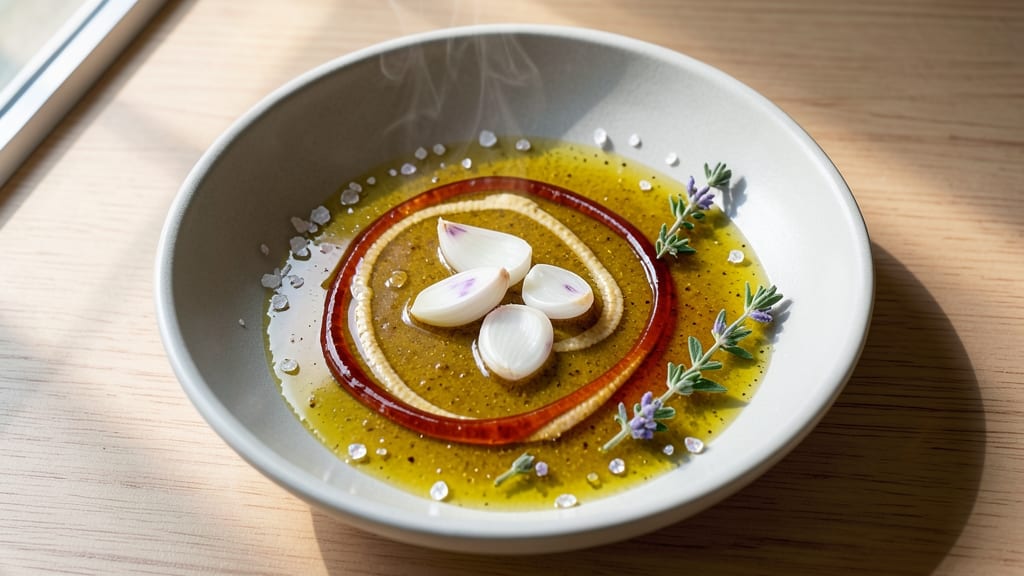
This vinegar sauce recipe transforms simple pantry staples into a sharp, tangy base that elevates everything from salads to marinades. The balance of acidity and richness creates a versatile sauce that brightens dishes without overpowering them.
I developed this formula after years of testing vinegar-based condiments, and it consistently delivers restaurant-quality results at home.
The secret lies in the ratio of vinegar to oil—too much of either throws off the harmony—but when perfected, this sauce becomes a game-changer. It takes just 10 minutes to make and requires no special equipment beyond a whisk or fork.
The herbs and spices can be adjusted to suit your taste, making it adaptable for everything from Asian-inspired dishes to classic Italian salads.
What you’ll end up with is a silky, aromatic sauce that adds depth to grilled meats, glistens on fresh greens, and enhances marinades for deeper flavor. The tangy kick cuts through richness, while the oil creates a smooth, clingy texture that coats every bite.
Store it in the fridge for up to two weeks, or freeze for longer shelf life.
Use it as a finishing touch for roasted vegetables, a marinade for seafood, or a dressing for grain bowls. The possibilities are endless, but the technique remains simple—just whisk, taste, and adjust. Let’s make this versatile sauce that will become a kitchen staple.
Ingredients for vinegar sauce
Eight simple ingredients blend into a tangy, silky sauce perfect for salads and marinades.
| Ingredient | Amount | Notes |
|---|---|---|
| White Wine Vinegar 🍷 | ½ cup | Balsamic for richer flavor |
| Extra-Virgin Olive Oil 🫒 | ½ cup | High quality, fruity |
| Fresh Garlic Cloves 🧄 | 3 cloves | Peeled, minced fine |
| Dijon Mustard 🍯 | 1 tbsp | For slight tang |
| Honey 🍯 | 1 tbsp | Light or wildflower |
| Salt 🧂 | ¾ tsp | Fine sea salt |
| Fresh Dill Weeds 🌿 | ¼ cup | Chopped, stems removed |
| Black Peppercorns 🌶️ | ½ tsp | Freshly cracked |
| Lemon Zest 🍋 | 1 tsp | From organic lemon |
The vinegar is the backbone—white wine vinegar keeps it bright, but balsamic adds depth if you prefer richness. Grab a small bottle from Trader Joe's or Whole Foods for quality. Fresh garlic is non-negotiable here—pre-minced jars lack the punch. The olive oil should be extra-virgin (none of that cheap stuff), and California-grown brands like Corto or Bertolli are solid choices. Honey balances the acidity, so don't skimp—Manuka or clover honey both work. Fresh dill is ideal, but dried dill at half the amount saves time.
No Dijon mustard? Yellow mustard thinned with water gets you close. Short on honey? Maple syrup works in a pinch. The lemon zest can be swapped for lemon juice if you're in a rush, but zest adds that bright pop. For a spicier kick, add a pinch of red pepper flakes. Want something more Asian-inspired? Swap the dill for fresh cilantro and add a splash of rice vinegar. The sauce thickens as it sits, so add a splash of water if it gets too stiff. Trust me, it's worth the extra whisk.
This sauce keeps beautifully—two weeks in the fridge, sealed tight. For longer storage, freeze in ice cube trays for single-use portions. The flavors actually improve after a day or two, as everything melds together. I double the batch and keep it in a glass jar on the counter for quick drizzling. Use it within a week for best results, though. It's that good you'll go through it fast.
Why You'll Love This Recipe
- No-Fuss Whisking: I swear by this sauce because it’s literally one bowl, one whisk, and five minutes of my life. No chopping, no measuring cups—just eyeball the honey until it tastes right. That’s my kind of cooking.
- Garlic-Honey Magic: The moment the raw garlic hits the warm oil, my kitchen smells like a Parisian bistro. Then the honey cuts through the vinegar’s sharpness, leaving a bright, balanced finish that makes everything—salads, roasted veggies, even grilled chicken—taste like it belongs on a restaurant menu.
- Pantry Staple Power: Between us, this sauce is my lazy-day hero. Keep it in the fridge for up to a week, and it’s always ready to jazz up whatever’s in your fridge—toss it on pasta, drizzle it over steak, or use it as a marinade. No last-minute shopping required.
- Budget Brightener: Honestly, the ingredients cost pennies, but the flavor? Chef’s kiss. A splash of vinegar, a drizzle of olive oil, and a pinch of mustard stretch to dress so many meals. It’s the kind of sauce that makes frugal eating feel fancy without breaking the bank.
Step-by-step instructions for vinegar sauce recipe
Here's how to make this bright, versatile sauce that works for everything from salads to marinades.
Whisk Together the Vinegar and Olive Oil
In a medium bowl, combine the 0.5 cup white wine vinegar and 0.5 cup extra-virgin olive oil. I like to use a whisk for this step because it creates a smooth emulsion right from the start. The vinegar should be fully incorporated into the oil, with no visible streaks—this ensures your sauce has a consistent texture and flavor in every bite.
If you're using balsamic vinegar instead of white wine vinegar, you'll notice the sauce takes on a richer, slightly sweeter profile. Give the mixture a quick taste at this stage—it should be sharp and tangy with a clean finish. This is your flavor foundation, so don't skip this quality check.
Add the Garlic, Dijon, and Honey
Next, stir in the 3 cloves minced fresh garlic, 1 tablespoon Dijon mustard, and 1 tablespoon honey. The garlic should be finely minced—you don't want any large pieces that could make your sauce grainy. Let the mixture sit for about 5 minutes while you prepare the remaining ingredients. This brief resting period allows the garlic to soften slightly and mellow its sharpness.
Here's where the magic happens: the Dijon mustard adds a subtle tang that balances the sharpness of the vinegar, while the honey rounds out the acidity. Stir well to fully combine everything—you should see the mixture become slightly thicker as the honey begins to integrate with the oil and vinegar.
Incorporate the Dill, Salt, and Pepper
Add the 0.25 cup chopped fresh dill weeds, 0.75 teaspoon salt, and 0.5 teaspoon freshly cracked black peppercorns. The dill should be finely chopped—you want it to distribute evenly throughout the sauce without any noticeable chunks. Give everything another thorough stir, making sure the dill is completely incorporated and the salt and pepper are evenly dispersed.
This is the moment that matters: the dill adds a bright, fresh herbal note that really makes this sauce pop. The salt and pepper should be fully dissolved—if you see any undissolved peppercorns, crush them slightly with the back of your spoon to release their flavor. Taste again now; you should notice a more complex flavor profile with a nice balance of tang, sweetness, and herbal brightness.
Finish with Lemon Zest and Adjust Seasoning
Finally, stir in the 1 teaspoon lemon zest. The zest adds a bright citrus note that really elevates the sauce, giving it a fresh finish. Give the sauce one last thorough stir to ensure everything is well combined. At this point, your sauce should be smooth, glossy, and perfectly balanced in flavor.
Give it one final taste and adjust the seasoning if needed. If it needs more acidity, add a splash more vinegar. If it needs more sweetness, add a tiny bit more honey. The sauce should be bright, tangy, and well-rounded with no single flavor overpowering the others. This versatile sauce is now ready to use on salads, as a marinade, or as a finishing drizzle.
Pro Tips For Making Vinegar Sauce
- MINCE THAT GARLIC: I learned this the hard way—chopping garlic cloves into rough chunks instead of mincing them leaves you with visible specks in the sauce. Use a knife or garlic press to get it fine, or pulse it in a food processor for 2 seconds. The smoother the garlic, the more professional the finish.
- WHISK IN STAGES: Don’t dump all the vinegar in at once—start with half, whisk vigorously, then add the rest. This prevents the sauce from separating or curdling when you mix in the Dijon mustard and honey later. (Yes, even if you’re impatient like me.)
- TASTE THE VINEGAR FIRST: White wine vinegar varies wildly in acidity. Pour a teaspoon into a small bowl, add a pinch of salt, and taste it plain. If it’s harsh, you’ll need less in the final sauce—adjust before committing to the whole recipe.
- SWAP HONEY FOR MAPLE: Honey can crystallize over time, turning your sauce grainy. If you’re making this ahead, use the same amount of pure maple syrup instead—it blends smoother and won’t separate. (I skip this when I’m lazy, but the dish is noticeably better when I don’t.)
Regional styles of this recipe
Italian Vinaigrette
In Italy, this sauce transforms into a classic vinaigrette perfect for caprese salads or grilled vegetables. Swap the white wine vinegar for aged balsamic vinegar (like Colavita) and add 1 tablespoon finely chopped fresh basil instead of dill.
The balsamic deepens the flavor, while basil adds that signature Italian brightness. I love using this on tomato and mozzarella salads—just drizzle generously and sprinkle with flaky sea salt. 🍅
Asian-Inspired Chili Sauce
For an Asian twist, replace the white wine vinegar with rice vinegar and swap dill for fresh cilantro. Add 1 teaspoon grated ginger and 1 tablespoon sriracha for heat. This works beautifully as a dipping sauce for spring rolls or a marinade for grilled shrimp.
I often double the garlic to 5 cloves for extra depth. Serve with steamed jasmine rice for a complete meal. 🌶️
French Mustard Vinaigrette
In France, this sauce becomes a Dijon mustard vinaigrette, ideal for salade niçoise or roasted chicken. Use apple cider vinegar instead of white wine vinegar and add 1 teaspoon whole-grain mustard (not Dijon).
The mustard adds a grainy texture that contrasts beautifully with the smoothness of the sauce. Finish with 1 tablespoon chopped tarragon for a classic French touch. 🥖
Mexican Lime Crema
For a Mexican-inspired variation, use lime juice (about 3 tablespoons) instead of vinegar and swap honey for agave syrup. Add 1 teaspoon ground cumin and ½ teaspoon smoked paprika for warmth.
This creamy sauce pairs perfectly with tacos or grilled fish. I like to thin it slightly with 2 tablespoons water to achieve a lighter consistency. 🌮
Southern U.S. Hot Sauce
In the Southern U.S., this sauce evolves into a hot vinegar sauce for fried chicken or collard greens. Use apple cider vinegar and add 1 tablespoon hot sauce (like Crystal or Tabasco).
Include 1 teaspoon smoked paprika and ½ teaspoon cayenne pepper for heat. The honey balances the spice beautifully, making it perfect for dipping or drizzling. 🍗
Middle Eastern Tahini Sauce
For a Middle Eastern twist, replace the olive oil with tahini (start with ¼ cup) and use lemon juice instead of vinegar. Add 1 teaspoon ground cumin and ½ teaspoon cinnamon for warmth.
This sauce is incredible with hummus, grilled lamb, or as a dip for pita bread. I often thin it with warm water to reach the desired consistency. 🥙
Nutrition facts
Frequently asked questions
Can I use red wine vinegar instead of white wine vinegar?
Yes, but the flavor profile will change slightly. Red wine vinegar adds a deeper, fruitier note that works beautifully for meat marinades or heartier dishes. For a lighter touch on salads, stick with white wine vinegar. If you prefer red, try 1/4 cup red wine vinegar + 1/4 cup white wine vinegar for balance.
How do I adjust this sauce for spicy dishes?
For spicy applications like tacos or grilled shrimp, add 1/2 teaspoon cayenne pepper or 1 teaspoon hot sauce (like Tabasco). The acidity in the vinegar helps balance the heat while keeping the sauce tangy. Start with half the amount and adjust to taste—you can always add more spice later.
Can I make this sauce without fresh herbs?
Use 1 tablespoon dried dill (or 1 teaspoon dried basil for Italian-style) instead of fresh. For maximum flavor, toast the dried herbs in a dry pan for 30 seconds before adding. The sauce will still be aromatic, though fresh herbs add a brighter punch. Store dried herbs in an airtight container to preserve their potency.
Why did my sauce separate?
Separation usually happens when oil and vinegar aren't emulsified properly. Whisk vigorously for 2-3 minutes to re-combine, or blend with an immersion blender. For extra stability, add 1/2 teaspoon xanthan gum (common in baking) or a splash of water. Always store in the fridge—temperature changes can cause separation.
What's the best way to use leftover sauce?
Leftover sauce keeps for 2 weeks refrigerated or 3 months frozen. Use it to:
- Marinate chicken or fish for 30-60 minutes before cooking
- Drizzle over roasted vegetables or grain bowls for brightness
- Mix into mayonnaise (1:1 ratio) for a tangy spread