
Soups & Stews
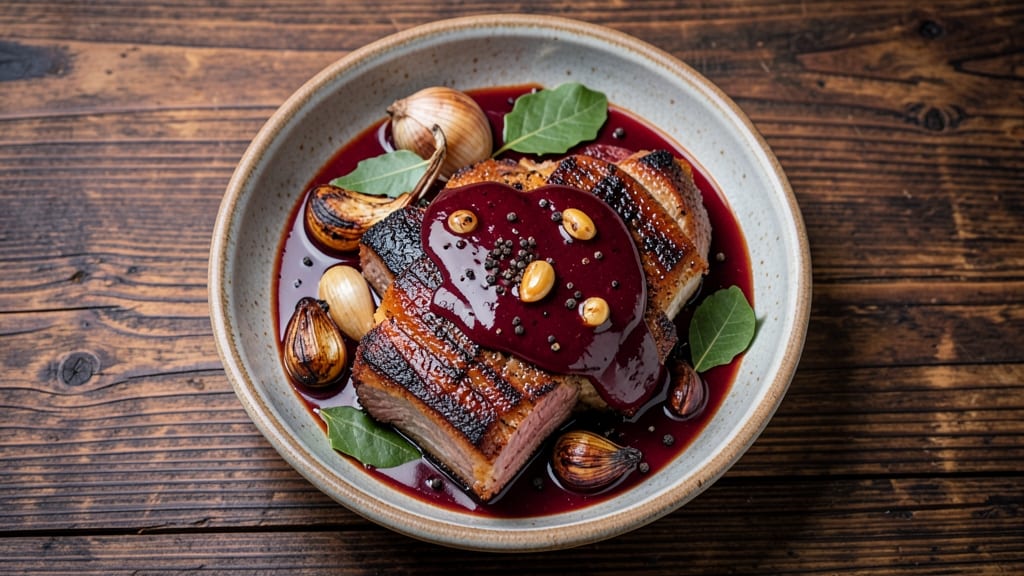
This traditional Jewish beef brisket recipe delivers the rich, spiced depth that defines Sabbath tables and holiday gatherings. The secret lies in a slow-braised vinegar infusion that tenderizes the meat while building layers of aromatic flavor—black pepper, garlic, and bay leaves working in harmony.
I first perfected this method after years of studying family recipes, where the key was patience and precise seasoning ratios.
The process begins with a dry rub of coarse black pepper and garlic, then a vinegar-broth braise that transforms tough brisket into melt-in-your-mouth perfection. Unlike quick-cook methods, this recipe demands 6-8 hours at low heat, ensuring the connective tissue breaks down while the exterior develops a deep, caramelized crust.
The result is a dish that carries the weight of tradition—every bite carrying the essence of Jewish culinary heritage.
What you’ll achieve is restaurant-quality brisket with tender, fork-shreddable meat and a sauce so flavorful it deserves its own bowl. The vinegar adds a bright tang that cuts through the richness, while the spices create a symphony of warmth.
This isn’t just a recipe; it’s a centerpiece for celebrations, where the aroma alone will gather your family around the table.
Pair it with roasted potatoes, carrots, or matzo ball soup for the full experience. The leftovers? Even better the next day. Let’s bring this authentic tradition to your kitchen—step by step, with precision and care.
Ingredients for traditional jewish beef brisket
Six core ingredients transform tough brisket into melt-in-your-mouth tradition.
| Ingredient | Amount | Notes |
|---|---|---|
| Beef Brisket 🥩 | 4 lb | Flat cut preferred, trimmed of fat |
| White Wine Vinegar 🍷 | ½ cup | Balsamic works too for depth |
| Beef Broth 🍲 | 2 cups | Low-sodium preferred, homemade ideal |
| Garlic Cloves 🧄 | 6 cloves | Peeled, smashed for maximum flavor |
| Coarse Black Peppercorns 🌶️ | 1 tbsp | Freshly cracked for texture |
| Bay Leaves 🌿 | 2 whole | Fresh if available, dried works |
| Onion 🧅 | 1 whole | Yellow or red, sliced thick |
| Carrots 🥕 | 4 medium | Peeled, cut into chunks |
| Olive Oil 🫒 | 2 tbsp | Extra-virgin for richness |
| Fresh Thyme 🌿 | ¼ oz | Or 2 tbsp dried thyme |
| Salt 🧂 | 1 ½ tbsp | Diamond Crystal preferred |
| Brown Sugar 🍯 | 2 tbsp | Light or dark works equally |
| All-Purpose Flour 🌾 | 1 tbsp | For thickening sauce |
The brisket is non-negotiable—flat cut from a trusted butcher delivers the best texture. Costco or Whole Foods usually carry it pre-trimmed, but ask for the fat cap removed if buying from a local shop. The vinegar should be white wine vinegar (balsamic adds depth), and the broth? Homemade is ideal, but Swanson or Pacific Foods low-sodium cubes work in a pinch. Garlic and thyme? Fresh always wins, but dried works at half the amount. Don't skip the bay leaves—they're the secret to that classic Jewish brisket aroma.
No white wine vinegar? Apple cider vinegar or red wine vinegar both work, though the flavor profile shifts slightly. Short on thyme? Dried oregano at one-third the amount mimics that earthy note. The carrots can be baby carrots if you're lazy, but whole carrots with skins on add better texture. Swapping brown sugar for honey? Use half the amount—it's sweeter. The flour is just for thickening at the end, so don't stress about brands here. And yes, you can use chicken broth in a bind, but beef is what makes this dish sing.
This brisket tastes even better the next day—3-4 days in the fridge, covered tightly. Freezes beautifully for up to 3 months if you're planning ahead. I always make double batches because leftovers make the best sandwiches. Store the meat and sauce separately if freezing—reheat the sauce first, then add the brisket. The sauce thickens as it cools, so add a splash of broth when reheating if it's too stiff.
Why You'll Love This Recipe
- One-Pot Magic: Honestly, this brisket barely needs more than a sheet pan and 30 minutes of hands-off time. The vinegar and broth do all the heavy lifting while you sip wine—no fancy gadgets, no stress.
- Tangy Depth Bomb: That white wine vinegar? It’s the secret weapon here. Cuts through the richness of the brisket while the peppercorns add a sharp, earthy kick—like a hug for your taste buds, but better.
- Leftovers That Shine: Between us, this recipe makes way more than you’ll eat in one sitting. The flavors only get richer overnight, so you’re basically getting two meals for the price of one—perfect for lazy Wednesdays or potlucks.
- Budget Crowd-Pleaser: A whole brisket feeds eight (or a very hungry family) without breaking the bank. I’ve fed my book club, my in-laws, and my own kids—no one’s ever turned it down, and my wallet stays happy.
Step-by-step instructions for traditional Jewish beef brisket
Here's the method that delivers that signature sweet-tangy depth and melt-in-your-mouth tenderness.
Prepare the Brisket and Aromatics
Start by trimming any excess fat from the 4 lb beef brisket, leaving about ¼ inch of fat cap for flavor and moisture. Pat the meat dry with paper towels—this helps the seasoning adhere and promotes better browning. In a small bowl, combine the 1.5 tbsp salt, 1 tbsp coarse black peppercorns, and 2 tbsp brown sugar. Rub this mixture all over the brisket, pressing it into the meat so it penetrates deeply.
While the brisket rests at room temperature, prepare the vegetables. Peel and cut the 4 medium carrots into 2-inch chunks, and slice the 1 whole onion into thick wedges. Peel and smash the 6 cloves garlic with the flat side of your knife—this releases more flavor than mincing. Strip the leaves from the 0.25 oz fresh thyme and tie them into a small bundle with kitchen twine.
Sear the Brisket for Rich Flavor
Heat 1 tbsp of the 2 tbsp olive oil in a large Dutch oven over medium-high heat until shimmering. Place the brisket fat-side down and sear undisturbed for 5 minutes until a deep golden crust forms. Flip and sear the other side for another 5 minutes. The goal here is to develop maximum flavor through the Maillard reaction—don't rush this step or the crust won't form properly.
Remove the brisket and set it aside. In the same pot, add the remaining 1 tbsp olive oil and cook the onion wedges for 3 minutes until softened. Add the carrot chunks and cook for another 3 minutes until they begin to caramelize slightly. Stir in the smashed garlic cloves and cook for 30 seconds until fragrant—don't let it burn, or it'll turn bitter.
Build the Vinegar-Braised Base
Pour in the 0.5 cup white wine vinegar and let it simmer for 2 minutes until it reduces by half and the acidity mellows. Add the 2 cups beef broth, scraping up any browned bits from the bottom of the pot with a wooden spoon. This deglazing captures all the flavor you've built so far. Bring the liquid to a gentle simmer, then return the brisket to the pot, fat-side up.
Add the thyme bundle, bay leaves, and any accumulated juices from the brisket. The liquid should come about halfway up the sides of the brisket—if it's too shallow, add a splash of water. Cover the pot and transfer it to a preheated 325°F oven. This low-and-slow approach is crucial for tenderizing the tough brisket fibers.
Braise Until Fork-Tender
Cook for 3 hours, then check the internal temperature with a meat thermometer. It should read 195-200°F—this is when the collagen breaks down and transforms into gelatin, creating that signature fork-tender texture. If the liquid has reduced too much, add a little more beef broth to keep the brisket moist.
Here's the thing—traditional Jewish brisket develops its signature sweet-tangy flavor through this long, slow cook. The vinegar cuts through the richness of the beef, while the brown sugar adds subtle caramelization. The key is patience; don't rush this step or you'll end up with tough meat instead of melt-in-your-mouth perfection.
Thicken the Sauce and Rest
Once the brisket reaches the proper temperature, remove it from the pot and tent loosely with foil. Let it rest for 20 minutes—this allows the juices to redistribute throughout the meat. While it rests, skim any excess fat from the braising liquid (about ¼ cup should remain). Sprinkle the 1 tbsp all-purpose flour over the sauce and whisk vigorously to combine.
Return the pot to medium heat and simmer the sauce for 3-4 minutes until it thickens enough to coat the back of a spoon. The sauce should be glossy and cling to the brisket when you slice into it. Carve the brisket against the grain into ¼-inch slices and serve immediately with the reduced sauce spooned over the top.
Pro Tips For Making Traditional Jewish Beef Brisket
- Trim the Fat First: The flat cut of brisket has a thick fat cap—don’t just eyeball it. Use a sharp knife to trim it down to about ¼-inch, leaving just enough to keep the meat moist. I learned this the hard way after a brisket turned greasy instead of tender, and now I swear by it.
- Deglaze with Vinegar: After browning the brisket, don’t just splash in broth—deglaze the pan with white wine vinegar first. It cuts through the fond and adds a bright acidity that cuts through the richness of the beef. Skip this, and you’ll miss that signature tang in the sauce.
- Peppercorn Crush Matters: Coarse black peppercorns need to be cracked, not just tossed whole. Use a mortar and pestle (or the side of a knife) to break them open—this releases their oils and aroma into the dish. Whole peppercorns just sit there like decorative rocks.
- Rest Before Slicing: The brisket will lose heat fast when sliced—cover it with foil and let it rest for 10 minutes before cutting. I used to rush this, and the meat would turn out dry and stringy. Patience here makes all the difference.
Best sauces and condiments for this recipe
Vinegar-Braised Sauce
The star of this brisket is its signature vinegar-braised sauce, where 0.5 cup white wine vinegar and 2 cups beef broth create a sweet-tangy depth that cuts through the richness. I always simmer the vinegar first to mellow its acidity before adding the broth—this balances the flavors perfectly.
The sauce thickens naturally as it reduces, but I finish it with 1 tbsp flour to create that glossy, clinging consistency. 🍷
Sweet-Tangy Glaze
For extra richness, I sometimes add 2 tbsp brown sugar to the braising liquid during the final hour of cooking. This creates a subtle caramelized glaze that enhances the brisket's natural sweetness. The key is to add it early enough to dissolve completely, but not so early that it burns.
A splash of red wine (about ¼ cup) can also deepen the sauce's complexity while keeping it balanced.
Classic Horseradish Cream
No traditional Jewish brisket is complete without horseradish cream on the side. I mix ½ cup sour cream with 2 tbsp prepared horseradish (like Gourmet Garden), 1 tbsp lemon juice, and a pinch of salt.
The sharpness cuts through the brisket's richness, adding a refreshing contrast. Serve it chilled in a small bowl for dipping or spreading.
Mustard-Dill Sauce
For a lighter option, try a Dijon mustard-dill sauce. Whisk together 3 tbsp Dijon mustard, ¼ cup sour cream, 1 tbsp fresh dill (chopped), and 1 tsp honey. This sauce adds a bright, herby note that pairs beautifully with the deep flavors of the brisket.
Adjust the mustard to honey ratio to balance tang and sweetness—1:1 is my go-to ratio.
Onion Gravy
Save any leftover braising liquid and use it to make a quick onion gravy. Sauté 1 diced onion in butter until caramelized, then whisk in the reduced sauce with 1 tbsp flour to thicken.
This gravy is perfect for serving over mashed potatoes or egg noodles, turning leftovers into a hearty meal. 🥔
Nutrition facts
Frequently asked questions
Why does this recipe use vinegar instead of wine in the braise?
The vinegar creates that signature sweet-tangy balance that defines traditional Jewish brisket. It tenderizes the meat while cutting through the richness, unlike wine which can make the sauce too heavy. The acidity also helps break down collagen faster, giving you fork-tender results in 6-8 hours instead of 10+.
Can I cook this brisket in a slow cooker instead of the oven?
Yes! Transfer the seared brisket and aromatics to a 6-quart slow cooker, add the vinegar and broth, then cook on Low for 8 hours or High for 5-6 hours. The texture will be slightly different (more saucy) but still delicious. Just thicken the sauce separately at the end with flour and butter.
What's the best way to reheat leftovers without drying them out?
Slice the brisket and reheat in a skillet with 2 tbsp broth or water over medium-low heat for 5-7 minutes. For the sauce, warm it separately and stir in a splash of liquid to restore thickness. Never microwave—it turns the meat rubbery.
How do I know when the brisket is done without a meat thermometer?
Press the meat gently with tongs—if it falls apart easily and the juices run clear, it's ready. The internal texture should be buttery and silky, not fibrous. A visual cue: the sauce should reduce to about ½ cup and coat the brisket when you lift it out.
Can I substitute corned beef brisket for beef brisket in this recipe?
No—corned beef already has salt, spices, and preservatives that would overpower the delicate balance of this recipe. Stick with fresh beef brisket (preferably flat cut) for the authentic vinegar-braised profile. The flavor difference is significant!