Soups & Stews
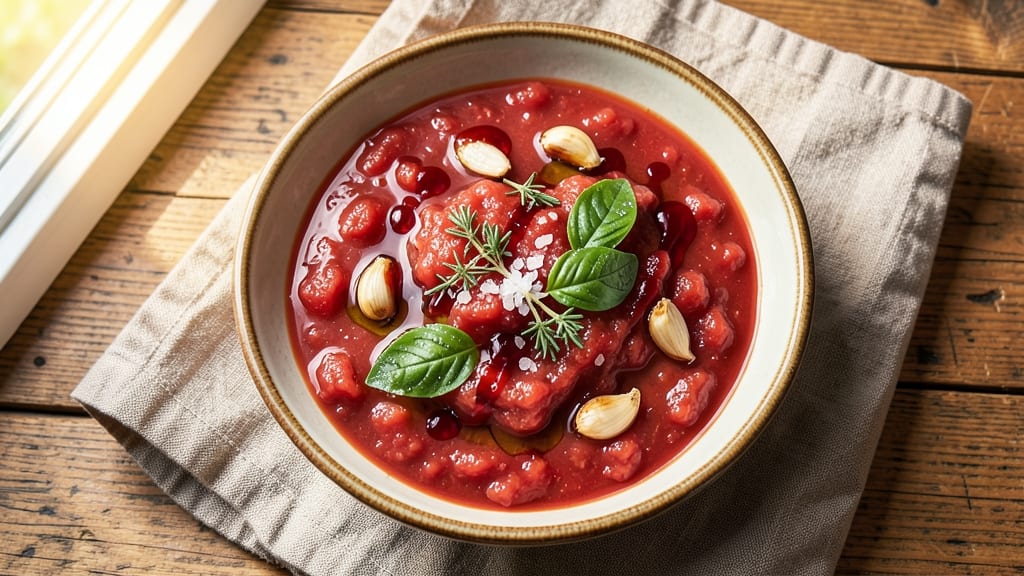
A tomato marinade recipe transforms tough cuts into melt-in-your-mouth tenderness while adding layers of bright, tangy flavor. This balanced blend of tomatoes, acid, and aromatic herbs works equally well for beef, chicken, tofu, or vegetables—making it a versatile foundation for any protein.
The key lies in the acidity, which breaks down fibers while preserving moisture, and the herbs that infuse flavor without overpowering.
What sets this marinade apart is its shelf-stable nature, thanks to the acidity that extends freshness for up to 5 days in the fridge.
You’ll use simple ingredients like canned tomatoes, olive oil, red wine vinegar, garlic, and fresh herbs, all combined in a foolproof ratio that guarantees bold flavor without bitterness. The acidity also helps tenderize, so even budget-friendly cuts become restaurant-quality.
By the time your protein has soaked up the marinade, you’ll notice the transformation: juicy, tender bites with a vibrant red hue and a perfect balance of sweet, tangy, and herby notes.
This marinade elevates grilled meats, roasted vegetables, or even tofu skewers—each bite delivers that bright acidity that cuts through richness. The best part? It’s ready in minutes and requires no special equipment.
Use it immediately for maximum impact, or store it in the fridge for later. Pair with grilled chicken, steak, or tofu for a flavor boost that turns simple meals into standout dishes. The versatility makes it a must-have in your cooking arsenal—whether you’re meal prepping or improvising on the fly.
Ingredients for tomato marinade
Simple pantry staples that turn tough proteins into juicy perfection in minutes.
| Ingredient | Amount | Notes |
|---|---|---|
| Canned San Marzano Tomatoes 🍅 | 1 can | Crushed by hand, seeds removed |
| Extra-Virgin Olive Oil 🫒 | ½ cup | High quality, fruity variety |
| Red Wine Vinegar 🍷 | ¼ cup | Balsamic works too |
| Garlic Cloves 🧄 | 4 cloves | Minced or pressed |
| Fresh Basil Leaves 🌿 | ¼ cup | Packed, stems removed |
| Fresh Oregano Leaves 🌿 | 1 tbsp | Or 1 tsp dried oregano |
| Salt 🧂 | 1 ½ tsp | Kosher or sea salt |
| Black Pepper 🌶️ | ½ tsp | Freshly ground preferred |
| Honey 🍯 | 1 tbsp | For subtle sweetness |
| Dried Thyme 🌿 | ½ tsp | Or 1 tsp fresh thyme |
The tomatoes are the heart of this marinade, so San Marzano makes all the difference—they're sweeter and less acidic than regular canned tomatoes. Trader Joe's and Whole Foods carry them, but any high-quality canned tomatoes work in a pinch. I always crush them by hand (no blender) to keep the texture chunky, which gives the marinade more body. The basil and oregano should be vibrant green—if they look wilted, skip them. Fresh herbs add brightness, but dried works if that's all you've got. For the garlic, peel and mince it fresh—pre-minced garlic has a weird aftertaste.
No red wine vinegar? Apple cider vinegar or lemon juice works just as well. Short on honey? Maple syrup or a pinch of sugar balances the acidity. The thyme can be swapped for rosemary if you're marinating beef (it pairs beautifully). If you're vegan, use agave instead of honey. For extra tenderness, add 1 tbsp soy sauce or Worcestershire—it deepens the umami. This marinade is flexible enough that you can eyeball most ingredients, but measure the vinegar and honey precisely. Too much acid can make your protein tough instead of tender.
This marinade keeps for 5 days in the fridge, sealed in a jar. The acidity acts as a natural preservative, so no need to worry about spoilage. For best results, use it within 3 days for maximum flavor. If you're prepping ahead, freeze portions in ice cube trays—just thaw before using. It's perfect for meal prep: make a big batch, store it, and use it all week. The flavors actually improve after a day or two as everything melds together.
Why You'll Love This Recipe
- Five-Ingredient Magic: The pantry already has most of it—just crack open a can of San Marzanos, crush some garlic, and toss in the rest. No shopping lists, no stress. I’ve made this while simultaneously answering emails and still had time to sip my coffee.
- Garlic-Basil Bomb: That first spoonful of marinade—bright from the vinegar, rich from the olive oil, with garlic so fresh it makes you pause—is ridiculously good. The basil? It’s the cherry on top, turning simple into something that tastes like a summer evening.
- Weeknight Swiss Army Knife: Slather it on grilled chicken for dinner, toss it with roasted veggies for lunch, or drizzle it over pasta when you’re this close to ordering takeout. Honestly, I’ve used it for everything from bruschetta to meatballs, and it never lets me down.
- Leftovers That Don’t Suck: Unlike most sauces that turn sad after Day 2, this marinade actually improves in the fridge. The flavors meld into something deeper, and I’ve pulled it out cold for sandwiches or warm for quick stir-fries—no waste, all flavor. Plus, it’s cheap enough to make twice if you’re feeling fancy.
Step-by-step instructions for tomato marinade recipe
This marinade transforms tough cuts into tender, flavorful perfection in minutes.
Crush the San Marzano Tomatoes
Open the can of San Marzano tomatoes and drain out any excess liquid, leaving you with about 1 cup of crushed tomatoes. I like to use my hands to gently press and crush the tomatoes against the side of a bowl, removing any seeds as I go. This ensures a smooth texture without any gritty bits that could dull your knife later.
For an even smoother marinade, you can also run the crushed tomatoes through a fine-mesh strainer to remove any remaining seeds or skin. The goal is to create a silky base that will coat your meat beautifully. Set the crushed tomatoes aside—they're the heart of this marinade.
Build the Flavor Foundation
In a medium bowl, combine the crushed tomatoes with the 0.5 cup extra-virgin olive oil and 0.25 cup red wine vinegar. Stir well to emulsify the mixture, breaking up any tomato chunks that might remain. The vinegar will start to brighten the tomatoes immediately, creating that signature acidic tang that tenderizes meat so effectively.
Add the 4 cloves minced garlic and 0.5 tsp dried thyme to the bowl. Let the mixture sit for 5 minutes while you prepare the fresh herbs. This brief rest allows the garlic and thyme to begin infusing their flavors into the oil, creating a more aromatic base for your marinade.
Incorporate Fresh Herbs and Seasonings
Add the 0.25 cup packed fresh basil leaves and 1 tablespoon fresh oregano leaves to the bowl. Use a wooden spoon to gently fold them in, being careful not to overmix—you want the herbs to remain mostly intact for maximum flavor impact. The fresh basil adds a bright, slightly sweet note that balances the acidity, while the oregano brings an earthy depth.
Next, stir in the 1.5 teaspoons salt and 0.5 teaspoon black pepper, along with the 1 tablespoon honey. The honey not only adds subtle sweetness but also helps to balance the acidity and create a more complex flavor profile. Taste the marinade now—it should be vibrant, tangy, and well-seasoned, with a perfect balance of sweet, sour, and savory notes.
Blend and Rest for Maximum Flavor
Transfer the marinade to a blender or food processor and blend until completely smooth. This step ensures that every bite of your meat will be infused with consistent flavor. If you prefer a slightly chunkier texture, you can skip blending and simply stir everything together with a whisk or fork, but blending guarantees that the marinade will cling to your meat more effectively.
Let the marinade rest at room temperature for 15-20 minutes before using. This resting period allows all the flavors to meld together, creating a cohesive and deeply flavorful base. The longer it sits, the more complex the flavors become—so if you have time, let it rest for up to 1 hour for even better results.
Use Immediately or Store for Later
Once the marinade is ready, you can use it immediately to tenderize and flavor your meat. For best results, marinate proteins like chicken, beef, or pork for at least 30 minutes, but up to 4 hours for maximum tenderness. The acidity in the vinegar and tomatoes will break down muscle fibers, while the olive oil and herbs will infuse the meat with rich, aromatic flavors.
If you won't be using the marinade right away, transfer it to an airtight container and store it in the refrigerator for up to 1 week. The flavors will continue to develop over time, making it even more delicious when you're ready to use it. Just give it a good stir before using to re-emulsify any separated ingredients.
Pro Tips For Making Tomato Marinade
- Crush the Garlic: After peeling, smash the cloves flat with the side of your knife—no chopping needed. This releases more flavor without the bitterness of minced garlic, and it blends right into the tomatoes instead of settling at the bottom like a lazy sediment layer.
- Simmer Low and Slow: Once the tomatoes are breaking down, drop the heat to a bare simmer—just enough to keep tiny bubbles dancing. I used to rush this, and the vinegar would turn harsh. Low heat lets the flavors marry without turning the basil into sad, wilted confetti.
- Strain the Seeds: After crushing the tomatoes, strain out the pulp through a fine-mesh sieve. The seeds make the marinade grainy and dull the acidity. (Yes, it’s extra work, but your future grilled chicken will taste like it was kissed by a sunbeam.)
- Finish with Cold Oil: Stir in the olive oil off the heat at the very end—it cools the mixture and prevents the basil from cooking into oblivion. I learned this the hard way when my marinade smelled like a sad pesto experiment. A splash of vinegar afterward balances the richness.
Troubleshooting this recipe
Acidity Overpowering
The most common issue is marinade that’s too acidic, turning your protein mushy or tough. This happens when the vinegar or lemon juice dominates—especially with delicate proteins like chicken breast.
I’ve found that ¼ cup vinegar is the sweet spot for 1 cup tomatoes, but if you’re using extra-lemon (like in citrus-heavy marinades), reduce to 2 tbsp max. Always taste before marinating: if it burns your tongue, dial it back. 🌶️
Oil Separation
If your marinade looks like a sad, oily layer floating on top, it’s not ruined—just unbalanced. The fix? Stir in 1 tsp xanthan gum or whisk in 1 tbsp cornstarch mixed with 2 tbsp water to act as a natural emulsifier.
For prevention, blend the marinade thoroughly (immersion blender works great) or whisk vigorously for 2 minutes before using. Store in a jar with a tight seal to minimize separation.
Herbs Turning Bitter
Fresh herbs like basil or oregano can turn bitter if left too long in acidic marinades. The culprit? Oxidation from exposure to air. To prevent this, store your marinade in an airtight glass jar (like a Ball mason jar) and press herbs under the surface of the oil.
Use within 3 days for peak freshness. For longer storage, freeze the marinade in ice cube trays—just thaw and stir before using.
Meat Staying Tough
Even after marinating, some cuts (like flank steak) can feel chewy if not handled properly. The fix? Don’t over-marinate. For beef, 4 hours max—longer breaks down too much collagen.
For poultry, 2 hours is ideal. After marinating, pat dry thoroughly and sear over high heat to create a crust. A quick 10-minute rest after cooking also helps redistribute juices. 💡
Flavor Fading Fast
If your marinade loses punch after 24 hours, it’s likely due to oxidized oils or herbs. Always store in the fridge (never at room temp) and use extra-virgin olive oil—it’s more stable than regular olive oil.
For extra longevity, add ½ tsp ascorbic acid (vitamin C powder) to the jar before sealing. This preserves color and flavor for up to 1 week. Taste before using—if it’s flat, boost with a splash of fresh vinegar or a pinch of salt.
Skin Irritation
Some people report skin irritation after handling tomato-based marinades, especially if they have sensitive skin. The issue is usually the garlic or vinegar. To fix this, wear nitrile gloves when handling raw marinade, and wash hands thoroughly with mild soap after.
For extra caution, add 1 tsp baking soda to the marinade—it neutralizes some of the acidity while keeping flavors intact. Always cook proteins to 165°F to kill any bacteria that might cause irritation. 🧴
Nutrition facts
Frequently asked questions
Can I use this marinade for vegetables instead of meat?
This tomato marinade works beautifully on vegetables like eggplant, zucchini, or bell peppers. The acidity helps tenderize them while adding vibrant flavor. For best results, marinate for 15-30 minutes before grilling or roasting. Just avoid over-marinating leafy greens like spinach, as they can turn mushy.
How do I adjust the marinade for spicier dishes?
Add ½ teaspoon of red pepper flakes or 1 teaspoon of hot sauce to the blend for heat. For a smoky kick, include ½ teaspoon smoked paprika or a dash of chipotle powder. Always taste before marinating—you can reduce the spice level by cutting back on vinegar or adding a pinch more honey to balance.
Can I make this marinade without fresh herbs?
Yes! Use 1 teaspoon dried basil and ½ teaspoon dried oregano instead of fresh. For thyme, swap the ½ teaspoon dried for 1 teaspoon fresh. The flavor will be slightly less vibrant, but still delicious. If you're short on honey, ½ teaspoon maple syrup works too.
Is it safe to reuse leftover marinade?
<Only if you've boiled it first! Leftover marinade that touched raw meat should be simmered for 5 minutes to kill bacteria before using as a sauce. Never reuse marinade that sat with raw poultry or seafood without cooking it. For vegetables, you can reuse the marinade without boiling if it was never in contact with raw meat.
What’s the best way to store leftovers?
Transfer any unused marinade to an airtight glass jar and refrigerate for up to 5 days. For longer storage, freeze in ice cube trays—thaw overnight in the fridge before using. The acidity helps preserve it, but always check for separation (stir well before using) and discard if it smells off.