
Side Dishes
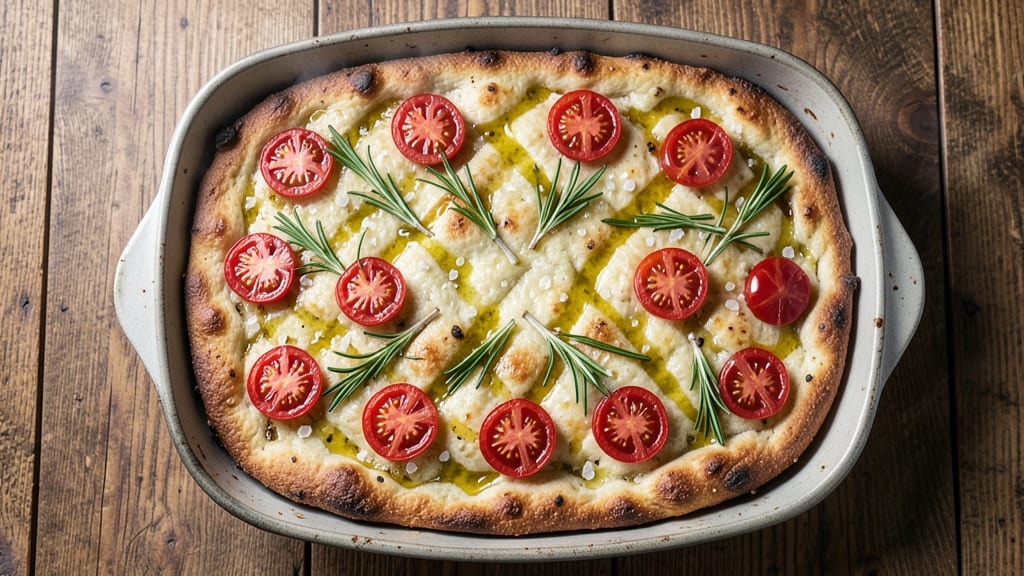
This tomato focaccia bread recipe transforms simple ingredients into a golden, herby masterpiece with pockets of fresh tomato and fragrant olive oil.
The key lies in the dough's elasticity—whether you're using a traditional yeast rise or a quick no-yeast method—and how you incorporate the tomatoes for that perfect balance of sweetness and acidity.
I've perfected this technique over years of baking, ensuring every bite delivers crispy edges and a soft, airy interior infused with Mediterranean flavors.
The beauty of focaccia lies in its versatility—you can use fresh cherry tomatoes for bright bursts of flavor or roasted tomatoes for deeper, caramelized notes. A simple olive oil infusion, combined with fresh rosemary or thyme, elevates the bread to restaurant-quality without requiring advanced skills.
The steam method during baking creates those signature pockets, while a high oven temperature ensures a crispy crust that holds up perfectly for serving.
What you’ll end up with is a loaf that’s as visually stunning as it is delicious—golden crust, herby aroma, and pockets of juicy tomato waiting to be torn into. This focaccia pairs beautifully with soups, salads, or even as a standalone appetizer.
The best part? You can adapt it to your schedule, whether you're using pre-made dough for a quick weeknight dinner or kneading from scratch for a weekend baking project.
For those who love texture, adding kalamata olives or shaved parmesan cheese before baking takes it to the next level. The recipe is designed to be foolproof, with clear steps for shaping, scoring, and baking—no guesswork, just consistent results. Let’s get started on creating your perfect focaccia.
Ingredients for tomato focaccia bread
Eight simple ingredients, one golden masterpiece—herby, crispy, tomato-pocketed focaccia you'll crave.
| Ingredient | Amount | Notes |
|---|---|---|
| Active Dry Yeast 🍞 | ¼ tsp | Or 1 packet quick-rise yeast |
| All-Purpose Flour 🌾 | 3 ½ cups | Spooned and leveled (not scooped) |
| Extra-Virgin Olive Oil 🫒 | ¾ cup | High-quality, fruity variety |
| Warm Water 💧 | 1 ¼ cups | 110°F for yeast activation |
| Kosher Salt 🧂 | 1 ½ tsp | Fine grain preferred |
| Fresh Rosemary 🌿 | ½ tsp | Finely chopped (stems removed) |
| Fresh Thyme 🌿 | ½ tsp | Leaves only, finely chopped |
| Cherry Tomatoes 🍅 | 1 lb | Halved, seeds removed |
| Flaky Sea Salt 🧂 | 2 tbsp | For finishing (Maldon preferred) |
| Coarse Black Pepper 🌶️ | 1 tsp | Freshly cracked |
| Fresh Basil Leaves 🌿 | ¼ cup | Torn, for topping (optional) |
The olive oil here isn't just flavor—it's the soul of your focaccia. Trader Joe's and Whole Foods carry excellent extra-virgin options, but any fruity, peppery oil works. Look for bottles labeled 'first cold press' or 'unfiltered' for that rich, complex taste. The yeast? Fresh is best, but if your packet says 'best by' today, it's still fine—just use it ASAP. For the tomatoes, heirloom or vine-ripened give the best flavor, but regular cherry tomatoes work too. If you're using pre-made dough, check the yeast content—some brands use more than others, so adjust your rise time accordingly.
No fresh rosemary? Dried works at half the amount, but it won't have that same piney aroma. Short on thyme? Oregano or marjoram bridge the gap, though thyme's floral note is key. For the tomatoes, roasting them first (toss with olive oil, salt, and bake at 400°F for 15 minutes) deepens their flavor—perfect if you're prepping ahead. The flaky sea salt? Maldon or Jacobsen are worth the splurge, but any flaky salt does the trick. And if you're feeling fancy, toss in kalamata olives or shaved parmesan before baking for extra texture.
This dough rises best in a warm spot—try your oven with the light on, or a warm oven turned off with a bowl of hot water inside. Once shaped, let it rest at room temp for 30-60 minutes before baking—this makes scoring easier and gives you those coveted pockets. The focaccia keeps well wrapped at room temp for 2 days, but it's best fresh. For reheating, wrap in foil and warm at 350°F for 5 minutes. Freeze shaped (unbaked) dough for up to 2 months—thaw overnight in the fridge before baking.
Why You'll Love This Recipe
- No-Yeast-Fuss Starter: Honestly, the yeast just dissolves in warm water—no kneading, no waiting. Just mix, let it rise while you make dinner, and boom, bread that’s ready when you are.
- Crispy-Top Magic: That golden, crackly crust with the soft pillowy center? All thanks to a generous drizzle of olive oil before baking. (Yes, I double-checked—worth every drop.)
- Weeknight Hero: Toss it with dinner leftovers for instant flavor, or serve it alongside pasta—no planning required. My college kid still texts me asking for the recipe.
- Budget-Friendly Staple: Five ingredients, one bowl, zero waste. The focaccia keeps for days (if it lasts that long), and the olive oil stretches further than store-bought loaves ever could.
Step-by-step instructions for tomato focaccia bread recipe
This herby tomato focaccia delivers crispy edges, airy pockets, and a burst of fresh flavors every time.
Activate the Yeast with Warm Water and Olive Oil
In a large bowl, combine the 1.25 cups warm water (about 110°F) with the 0.25 tsp active dry yeast. Let it sit for 5-10 minutes until the mixture becomes foamy and bubbly—this confirms your yeast is alive and ready to work. Add the 0.75 cup extra-virgin olive oil and whisk until fully incorporated. The oil will create pockets in your dough, giving that signature focaccia texture.
If your yeast doesn't activate within 10 minutes, it's dead—start over with fresh yeast. This is your first quality checkpoint. The mixture should look like thin honey when ready, with visible bubbles forming on the surface. I like to use a fruity olive oil here because its bold flavor pairs perfectly with the tomatoes and herbs.
Mix and Knead the Dough with Flour and Herbs
Gradually add the 3.5 cups all-purpose flour and 1.5 tsp kosher salt to the yeast mixture, stirring with a wooden spoon until a shaggy dough forms. Then add the 0.5 tsp fresh rosemary and 0.5 tsp fresh thyme, mixing until evenly distributed. The herbs will infuse the dough with incredible aroma as it bakes.
Turn the dough onto a lightly floured surface and knead for 8-10 minutes until smooth and elastic. You'll know it's ready when it springs back slowly when poked. Don't over-knead or you'll develop too much gluten, which makes focaccia dense instead of airy. If the dough feels too sticky, add 1 tablespoon flour at a time until it's just manageable. The dough should be soft but not wet.
First Rise and Shape in a Pan
Lightly oil a 9x13-inch baking pan and transfer the dough into it. Using wet hands, stretch the dough to fit the pan's dimensions—it should be about ½-inch thick in the center. Cover the pan with a clean kitchen towel and let it rise in a warm place for 1-1.5 hours until it's puffed and nearly doubled in size. You'll see the dough expand and fill the pan completely.
I always place my pan on top of my oven with the light on for 10 minutes to create a warm, humid environment that helps the dough rise faster. Press your finger gently into the dough—if it springs back slowly, it's ready. If it springs back quickly, give it another 20-30 minutes. The edges should look slightly puffy and the surface should have visible bubbles.
Create Dimples and Add Toppings
Preheat your oven to 425°F while the dough rises. Once ready, use your fingertips to dimple the dough all over, creating pockets about 1-inch apart. This is where the magic happens—the dimples allow the dough to expand beautifully and create those signature air pockets. Press firmly but not so hard that you pop the bubbles you created during rising.
Drizzle the 0.75 cup extra-virgin olive oil evenly over the dimpled dough, letting it soak in. Add the 1 lb halved cherry tomatoes, arranging them cut-side up in the dimples. Sprinkle with 2 tbsp flaky sea salt and 1 tsp coarse black pepper, then tear the 0.25 cup fresh basil leaves over the top. The tomatoes will burst open slightly during baking, releasing their juices into the dough.
Bake Until Golden and Crisp
Bake the focaccia for 25-30 minutes until the edges are deep golden brown and the top is crispy. The tomatoes should be slightly charred around the edges, and the basil leaves should be wilted and fragrant. You'll smell that incredible herby, tomatoey aroma filling your kitchen—worth every minute of waiting!
For the perfect focaccia, the internal temperature should reach 190-195°F when measured in the center. If the top browns too quickly, tent loosely with foil after 15 minutes to prevent burning while the center finishes baking. Let it cool in the pan for 10 minutes before slicing—this resting time helps the structure set and makes it easier to cut clean slices.
Pro Tips For Making Tomato Focaccia Bread
- Bloom the Yeast First: Skip mixing yeast directly into flour—it’s a rookie move. Dissolve it in warm water (110°F) with a pinch of sugar or honey for 5 minutes until frothy. This guarantees your dough rises properly instead of sitting there like a sad, flat pancake.
- Oil That Dough: Don’t just toss in olive oil—work it in. After mixing flour, water, and yeast, add the olive oil slowly while kneading. The dough should feel supple, not dry or sticky. This makes the final bread tender and rich, not tough or greasy.
- Avoid Overproofing: I learned this the hard way—dough left too long in the bowl collapses when baked. Use the "poke test": press a finger into the dough. If it springs back slowly (30–60 seconds), it’s ready. If it bounces right back, give it more time. If it stays dented, you’ve waited too long.
- Salt the Tomatoes: Sounds weird, but it works: Toss your sliced tomatoes with salt, olive oil, and herbs before pressing them into the dough. Let them sit 10 minutes to draw out moisture, then blot excess. This keeps your focaccia from turning into a soggy brick.
Regional styles of this dish
Italian Liguria Style
In Liguria, focaccia is often enriched with olive oil and studded with salted anchovies or capers for a briny contrast to the tomatoes. I like to add 1-2 finely chopped anchovies to the dough during kneading and top with 2 tbsp capers before baking.
The Mediterranean flavors here are bold—think rosemary, garlic, and lemon zest instead of thyme. Ligurian focaccia is baked in a cast-iron pan for extra crispiness, and the tomatoes are often sun-dried for concentrated sweetness. 🌊
French Provençal Twist
Provençal focaccia swaps Italian herbs for lavender and tarragon, giving it a floral, slightly sweet aroma. I recommend adding ½ tsp dried lavender to the dough and topping with 1 tbsp chopped tarragon after dimpling.
Use yellow heirloom tomatoes for their milder flavor and add 1 tbsp herbes de Provence before baking. The French version also incorporates garlic confit—mash 2 cloves into the olive oil before drizzling. This variation pairs beautifully with Provençal tapenade or whipped goat cheese. 🌿
Spanish Olive Oil Focus
Spanish focaccia, or pan de aceite, emphasizes high-quality olive oil with smoked paprika and manchego cheese. Replace rosemary with 1 tsp smoked paprika during kneading, then top with ½ cup crumbled manchego and sliced roasted red peppers.
The tomatoes here are often blistered in olive oil before adding—toss 1 lb cherry tomatoes with 1 tbsp olive oil, ½ tsp smoked paprika, and ½ tsp sea salt, then roast at 400°F for 10 minutes before placing on the dough.
The result is a smoky, cheesy focaccia with a crispy, golden crust. 🧀
Modern American Adaptation
For a quick weeknight version, I use pre-made focaccia dough (like Pillsbury or Whole Foods) and load it with burrata cheese and heirloom tomatoes. After dimpling, press ½ cup burrata into the pockets, then top with halved heirloom tomatoes and basil leaves.
Bake as directed, but reduce the time to 20-25 minutes to prevent the cheese from over-browning. Finish with flaky salt and cracked black pepper—this version is rich, creamy, and perfect for summer entertaining. 🍴
Greek-Inspired Version
Greek focaccia incorporates oregano and olives for a Mediterranean twist. Replace thyme with 1 tsp dried oregano in the dough, then top with ½ cup pitted kalamata olives and 1 tbsp chopped fresh oregano. Use grape tomatoes instead of cherry tomatoes for their tangy flavor.
After baking, drizzle with 1 tbsp extra-virgin olive oil and sprinkle with sesame seeds for a nutty crunch. This version pairs wonderfully with tzatziki or grilled lamb. 🫒
Nutrition facts
Frequently asked questions
Can I make this tomato focaccia without yeast?
Yes! For a quick version, use 1 cup self-rising flour (instead of all-purpose) and 1.5 tsp baking powder in the dough. Skip the yeast activation step and mix everything together, then shape and bake immediately at 400°F for 20-25 minutes. The texture will be denser but still delicious—perfect for busy weeknights.
What if my focaccia turns out too dense?
Over-kneading or under-rising are the most common culprits. For next time, knead only until the dough is smooth (about 8-10 minutes) and ensure it doubles in size during the 1-1.5 hour rise. If using store-bought dough, check the package for rise time adjustments. A warm oven with the light on helps speed up rising.
How do I store leftovers to keep them fresh?
Wrap cooled focaccia tightly in plastic wrap or aluminum foil and store at room temperature for up to 2 days. For longer storage, freeze slices on a tray, then transfer to a bag for up to 3 months. To reheat, wrap in foil and warm at 350°F for 5-7 minutes until crispy again.
Can I substitute other vegetables for tomatoes?
Try caramelized onions, roasted garlic, or sautéed mushrooms instead. For a sweet variation, use peaches or figs with a sprinkle of balsamic glaze after baking. Just adjust the baking time if using softer toppings (like cheese) to prevent over-browning.
Why did my tomatoes burn before the bread was fully baked?
This usually happens when the oven runs hot or the tomatoes are placed too close to the heat source. For next time, tent the focaccia loosely with foil after 15 minutes to protect the toppings while the center finishes baking. Also, try roasting the tomatoes first (toss with olive oil, salt, and bake at 400°F for 10 minutes) to deepen their flavor without burning.