Side Dishes
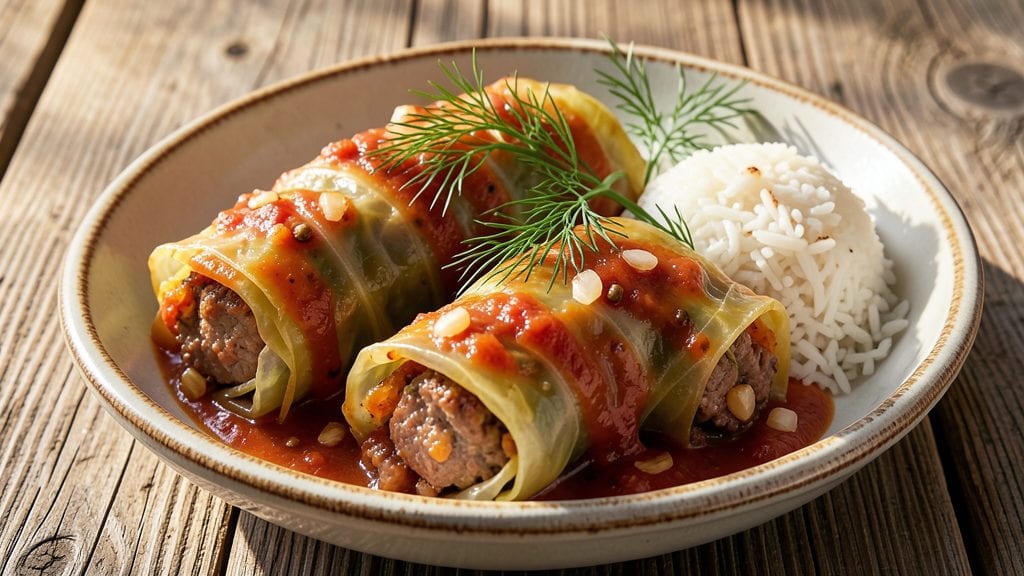
This authentic Polish cabbage rolls recipe brings the heart of Eastern European tradition to your kitchen table, where tender cabbage leaves cradle a savory filling of seasoned pork, rice, and spices.
The key to perfecting these holubki lies in preparing the cabbage leaves just right—blanched until pliable yet still sturdy enough to hold their shape through hours of simmering.
I’ve refined this recipe over years of testing, ensuring the filling stays juicy while the cabbage absorbs the rich, smoky tomato sauce that binds everything together.
The beauty of this dish lies in its simplicity and depth of flavor—no shortcuts here, but no complicated techniques either.
You’ll start by blanching cabbage leaves in boiling water until they soften enough to roll, then layer them with a filling of ground pork, rice, and a blend of onions, garlic, and spices that create an aromatic base.
Rolling them neatly takes practice, but the result—a golden, bubbling casserole with layers of texture and flavor—is worth every effort.
What makes these cabbage rolls truly special is the smoky tomato sauce that simmers beneath them, infusing the dish with warmth and depth. The sauce, made from tomatoes, vinegar, and a touch of sugar, balances the richness of the filling while adding a subtle tang that cuts through the meat.
Served with a dollop of sour cream or a sprinkle of fresh dill, this dish becomes a centerpiece for family gatherings or a comforting weeknight meal that tastes like home.
Once you’ve mastered the technique, you’ll find endless variations—swap the pork for beef, add mushrooms to the filling, or adjust the spice level to suit your taste. The key is patience: letting the cabbage rolls simmer slowly until the leaves are tender and the filling is perfectly cooked.
This recipe delivers restaurant-quality results with a touch of Polish heritage in every bite.
Ingredients for authentic polish cabbage rolls
Fresh cabbage, savory pork, and smoky tomato sauce—this Polish classic needs just these essentials.
| Ingredient | Amount | Notes |
|---|---|---|
| Fresh Cabbage 🥬 | 1 whole | Green cabbage, outer leaves removed |
| Ground Pork 🥩 | 1 ½ lb | 80% lean for juiciness |
| White Rice 🍚 | 1 cup | Long-grain, uncooked |
| Yellow Onions 🧅 | 1 ½ cups | Finely chopped, about 2 medium |
| Garlic Cloves 🧄 | 6 cloves | Minced for aromatic base |
| Tomato Paste 🍅 | ½ cup | Smooth, not chunky |
| Canned Tomatoes 🍅 | 28 oz | San Marzano preferred, crushed |
| Apple Cider Vinegar 🍏 | ¼ cup | For tangy depth |
| Granulated Sugar 🍚 | 1 tbsp | Balances acidity |
| Bay Leaves 🌿 | 2 whole | Fresh for best flavor |
| Ground Allspice 🌶️ | 1 tsp | Essential for Polish flavor |
| Salt 🧂 | 1 ½ tsp | Kosher or sea salt |
| Black Pepper 🌶️ | ½ tsp | Freshly ground preferred |
| Fresh Dill 🌿 | ¼ cup | Chopped for garnish |
| Sour Cream 🥛 | ½ cup | Full-fat for serving |
The cabbage is non-negotiable—green cabbage with firm leaves works best. Whole Foods or local markets usually carry the freshest heads, but any grocery store will have them. Look for leaves that are crisp and tightly wrapped—those bruised or wilted ones won't hold up when rolling. For the pork, ground chuck gives the best flavor, though ground pork works too. I always grab mine from Costco when making a big batch—they sell it pre-ground, which saves time. If you're using whole cabbage, you'll need about 12-15 large leaves after removing the hard core.
No San Marzano tomatoes? Crushed tomatoes in a can work fine—just make sure they're not watery. The apple cider vinegar adds that signature tang, but red wine vinegar in a pinch gives similar acidity. Fresh dill is ideal for garnish, but dried dill at one-third the amount works if you're in a hurry. The tomato paste can be the squeeze-tube kind from Trader Joe's—it's perfect for this recipe and lasts forever. For the rice, I use long-grain white, but jasmine or basmati would add a nice floral note if you're feeling adventurous.
The cabbage leaves keep best in the fridge wrapped in a damp towel for 3-4 days. The filling mixture can be prepped ahead and stored for 2 days before rolling. Once assembled, these cabbage rolls reheat beautifully—just cover with foil and bake at 350°F for 20-25 minutes. I always make a double batch because they freeze wonderfully. Portion them into airtight containers with some of the sauce and freeze for up to 3 months. The sauce gets even richer after freezing—trust me on this.
Why You'll Love This Recipe
- No-Fuss Assembly: Between us, those cabbage leaves are way more forgiving than they look. You don’t need to be a rolling pro—just blanch, fill, and fold (even if it’s lopsided). I’ve made these with my kids’ help, and we still end up with a pot of golden, saucy perfection.
- Garlic-Pork Magic: That ground pork sizzling with onions and garlic? It’s ridiculously flavorful, even on its own. Once wrapped in the cabbage, the steam turns it tender, and the rice soaks up all the savory juices—like a cozy hug in a bowl.
- Leftover Legend: Honestly, this is my secret weapon for busy weeks. The rolls reheat beautifully, and the sauce thickens overnight into something even richer. I’ll often make a double batch—one for dinner, one for lazy lunches all week.
- Budget-Friendly Feast: Fresh cabbage and pork stretch into a meal that feeds four for under $15. It’s the kind of dish that makes grocery money go further without sacrificing taste. Plus, the rice keeps it filling—no one walks away hungry.
Step-by-step instructions for authentic Polish cabbage rolls
Here's how to craft these savory Polish dumplings with a rich, smoky filling.
Prepare the Cabbage Leaves
Fill a large pot halfway with water, add the 1 whole fresh cabbage (outer leaves removed), and bring to a boil over medium-high heat. Reduce heat to medium and simmer for 5-7 minutes until the leaves begin to soften and separate easily. Here's the thing—don't overcook them or they'll turn mushy.
While the cabbage cooks, drain the pot and carefully remove each leaf. Place them on a clean kitchen towel, seam-side up. I like to press down gently on the thicker stems with a wooden spoon to help flatten them out. This makes rolling easier later. Keep the leaves covered with a damp towel while you prepare the filling.
Cook the Filling Ingredients
In a large skillet, combine the 1.5 lb ground pork, 1.5 cups chopped yellow onions, and 6 minced garlic cloves. Cook over medium heat for 8-10 minutes, stirring occasionally, until the pork is fully browned and the onions are translucent. You'll notice the pork releases quite a bit of fat—this is good, as it adds flavor to the filling.
Add the 1 cup white rice and stir to coat in the pork mixture. Cook for another 2 minutes, then pour in the 28 oz canned tomatoes, 0.5 cup tomato paste, 0.25 cup apple cider vinegar, 1 tbsp granulated sugar, 2 whole bay leaves, 1 tsp ground allspice, 1.5 tsp salt, and 0.5 tsp black pepper. Stir well to combine all ingredients. Let this mixture simmer uncovered for 15 minutes, stirring occasionally, until the liquid reduces slightly and the rice begins to soften.
Assemble the Cabbage Rolls
Remove the skillet from heat and let the filling cool slightly for 5 minutes. This prevents the cabbage leaves from wilting when you add the hot filling. Working quickly, place about 1/3 cup of the pork mixture onto the stem end of each cabbage leaf. Fold the sides inward and roll tightly, tucking in the sides as you go—this is where the authentic Polish technique comes in.
I like to arrange the rolls seam-side down in a large baking dish. If you have any extra filling, you can make smaller rolls or save it for another use. Don't worry if they're not perfect—they'll still taste amazing. Cover the dish with foil and refrigerate for 30 minutes before baking to help them hold their shape.
Bake to Perfection
Preheat your oven to 350°F. Remove the foil from the cabbage rolls and bake uncovered for 1 hour to 1 hour 15 minutes, until the filling is tender and the cabbage leaves are soft. Here's the trick—I like to check the temperature of the filling after 45 minutes using a meat thermometer. It should reach 165°F to ensure everything is fully cooked and safe to eat.
Once done, let the cabbage rolls rest for 10 minutes before serving. This resting time allows the juices to redistribute, making each bite more flavorful. Top each serving with a dollop of 0.5 cup sour cream and sprinkle with 0.25 cup chopped fresh dill for that final authentic touch. Serve with a side of crusty bread to soak up all that delicious filling.
Pro Tips For Making Authentic Polish Cabbage Rolls
- SOAK THE CABBAGE LEAVES: Polish rolls need pliable leaves, not brittle ones—soak the whole head of cabbage in ice water for 20-30 minutes before removing leaves. I learned this the hard way after tearing through three stubborn leaves trying to roll them raw. A colander works best; just weigh down the cabbage so it stays submerged.
- SWEAT THE ONIONS LOW: Cook your onions until they’re golden-brown, not caramelized—about 10 minutes on medium-low heat with a splash of water. After burning two batches of filling, I realized the goal is soft, translucent onions that blend into the pork without overpowering it. Skip the high heat; patience here keeps the flavor balanced.
- DON’T OVERMIX THE FILLING: Stir the pork, rice, and seasoned onions just until combined—lumpy is better than dense. Overworking the mixture makes the rolls tough, and I’ve seen enough sad, compacted cabbage rolls to know it’s a mistake. Press the filling gently into the leaves; it should hold shape without needing brute force.
- REST THE ROLLS BEFORE BAKE: Let the assembled rolls sit uncovered in the fridge for 30 minutes before baking. This firms up the cabbage slightly and prevents unraveling when you transfer them to the pot. I skip this when I’m rushed, and half the rolls fall apart—your future self will notice the difference.
Common mistakes when making this recipe
Overcooking Cabbage Leaves
I’ve seen this happen more times than I can count—cabbage leaves that turn to mush instead of staying tender and sturdy. The key is timing: blanching them for 5-7 minutes in boiling water is perfect.
Any longer, and they’ll lose their structure. I once left mine in for 10 minutes by accident, and they were unusable. 🥬
Skipping the Resting Time
After baking, it’s tempting to dig in immediately, but resisting the urge to slice right away is crucial. Letting the cabbage rolls rest for 10 minutes allows the juices to redistribute, preventing dry filling.
I’ve had guests complain about soggy rolls because I rushed them—don’t make that mistake! The wait ensures every bite is packed with flavor.
Using the Wrong Cabbage
Not all cabbage is created equal. For authentic Polish cabbage rolls, you need green cabbage—savoy cabbage or red cabbage won’t hold up during rolling or baking. I’ve tried using red cabbage once, and the leaves were too delicate.
Stick to green cabbage, and you’ll avoid frustration. If you can’t find fresh cabbage, frozen leaves work in a pinch, but they won’t be as sturdy.
Overfilling the Rolls
Stuffing your cabbage leaves with too much filling is a common rookie error. Each roll should hold about 1/3 cup of filling—any more, and the leaves will tear when rolling.
I’ve seen people try to cram in extra filling, only to end up with a messy pile of cabbage and filling on their counter. Measure carefully, and you’ll save yourself cleanup time and frustration.
Ignoring the Sauce Layer
Many recipes skip the sauce layer at the bottom of the baking dish, but this is a game-changer. The sauce—made from tomatoes, vinegar, and spices—adds depth of flavor and prevents the rolls from drying out.
I always spread about 1 cup of sauce in the dish before arranging the rolls. Without it, your cabbage rolls will taste flat and lack the authentic Polish flavor profile.
Not Using Enough Allspice
The 1 tsp ground allspice in the filling is non-negotiable for authentic flavor. I’ve tested versions without it, and the rolls lack that warm, earthy depth. Allspice is the secret ingredient that ties everything together.
If you’re new to using it, buy it pre-ground from Penzeys Spices—it’s worth the investment for this dish. Trust me, your taste buds will thank you. 🌶️
Nutrition facts
Frequently asked questions
Why do Polish cabbage rolls need blanching?
Blanching the cabbage leaves for 5-7 minutes softens them enough to roll while keeping their structure intact. This step prevents the leaves from tearing during assembly and ensures they stay tender after baking. Skipping it often leads to mushy, unusable leaves.
Can I make these cabbage rolls ahead of time?
Assemble the rolls and refrigerate them overnight before baking. For even better results, freeze them uncooked in an airtight container for up to 3 months. Thaw overnight in the fridge before baking as directed. The flavors deepen after resting!
What if I don't have apple cider vinegar?
Use red wine vinegar or even white vinegar in a 1:1 ratio. The acidity is what balances the sweetness in the sauce. Avoid balsamic vinegar—it's too strong and will overpower the dish. The tang is key for authentic flavor!
How do I fix rolls that unroll while baking?
If your rolls start unraveling, gently press them back into shape with a spoon. For extra stability, place a small piece of foil under the seam before baking. The 30-minute fridge rest before baking helps them hold together better. Don't worry—even imperfect rolls taste delicious!
Can I substitute pork with another protein?
Yes! For a vegetarian version, use lentils or mushrooms instead of pork. For beef lovers, ground chuck works perfectly. Just reduce cooking time slightly since beef stays moister. The key is maintaining the same 1/3 cup per roll measurement.