
Sauces & Condiments
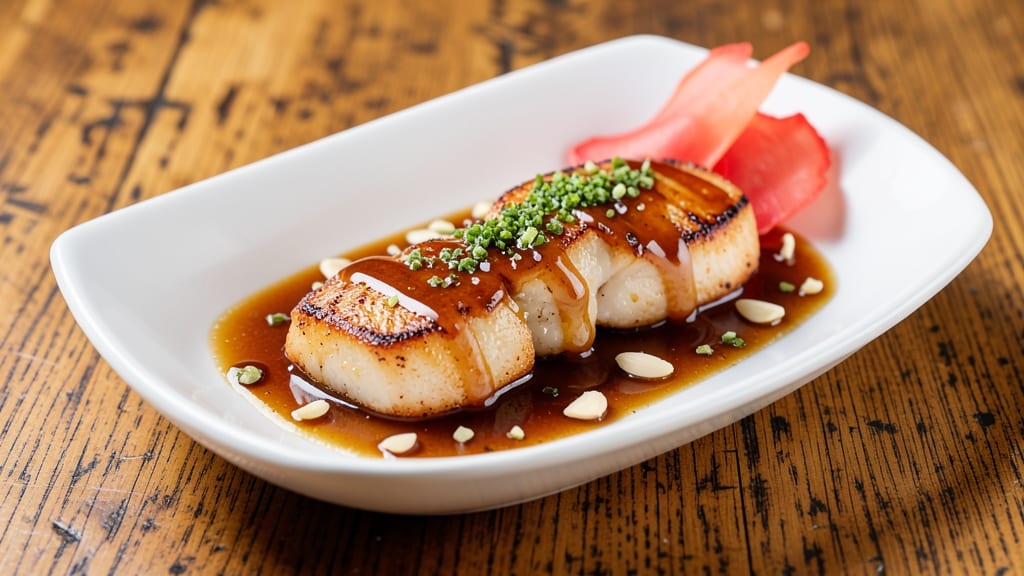
This tataki sauce recipe delivers the perfect balance of soy-ginger umami that elevates quick-seared fish to restaurant-quality levels in minutes. The secret lies in combining fermented soy, bright citrus, and aromatic ginger for a sauce that’s both complex and effortlessly versatile.
I developed this version after years of testing—it’s the one that finally nailed that signature tangy, savory punch without overpowering delicate proteins.
The beauty of this sauce is its simplicity: just five core ingredients—soy sauce, mirin, citrus, ginger, and sesame oil—come together in a 10-minute process that requires no cooking.
The key is balancing sweetness from mirin with the sharpness of citrus, while fresh ginger and garlic add depth that lingers on the palate. This isn’t just a dipping sauce; it’s a flavor multiplier that transforms simple grilled fish into an unforgettable dish.
What sets this sauce apart is its dual functionality—use it immediately for fresh, vibrant flavor or store it for up to one week in the refrigerator, where the flavors deepen over time. The texture remains silky smooth, perfect for drizzling over tataki beef, seared scallops, or even grilled vegetables.
Every component plays a role: the soy provides depth, citrus adds brightness, and sesame oil ties it all together with a subtle nutty finish.
For best results, let the sauce sit for at least 30 minutes before using to allow the flavors to meld. Pair it with freshly seared fish for a dish that’s quick to prepare but feels like a gourmet creation.
The sauce’s versatility means it works equally well as a marinade or finishing drizzle—making it a professional-grade shortcut for home cooks.
Ingredients for tataki sauce
Five core ingredients transform into a restaurant-worthy sauce that elevates seared fish instantly.
| Ingredient | Amount | Notes |
|---|---|---|
| Japanese Soy Sauce 🥫 | ½ cup | High-quality, reduced for depth |
| Mirin 🍶 | ¼ cup | Sweet cooking wine, not substitute |
| Fresh Ginger 🧄 | 2 tbsp | Finely grated, aromatic |
| Garlic Cloves 🧄 | 2 cloves | Minced, fresh preferred |
| Sesame Oil 🫒 | 1 tbsp | Toasted, for nutty depth |
| Yuzu Kosho 🍋 | 1 tbsp | Citrus-chili paste, or sub yuzu juice |
| Rice Vinegar 🍶 | 1 tbsp | Seasoned, for brightness |
| Honey 🍯 | 1 tsp | Wildflower, balances acidity |
| Diamond Crystal Kosher Salt 🧂 | ½ tsp | Fine grain, for seasoning |
| Black Pepper 🌶️ | ¼ tsp | Freshly cracked, subtle heat |
The Japanese soy sauce is non-negotiable here—Kikkoman or Yamasa are my go-tos, but any high-quality brand works. The mirin adds that signature sweetness, so don't substitute with sweet rice wine; it lacks the same depth. For fresh ginger, look for plump, firm rhizomes with no soft spots at Whole Foods or Asian markets. The yuzu kosho is the secret weapon—if you can't find it, yuzu juice plus a pinch of cayenne works in a pinch. Toasted sesame oil is a game-changer; skip the cheap stuff—Kadoya or La Tourangelle are worth the investment.
No yuzu kosho? Substitute with 1 tbsp yuzu juice plus 1/8 tsp cayenne for that signature citrus-chili kick. Running low on mirin? Dry sherry plus 1 tsp sugar mimics the sweetness, though it won't be identical. Fresh garlic is ideal, but garlic powder at half the amount works if you're in a bind. The honey balances the acidity beautifully—avoid artificial sweeteners, as they disrupt the sauce's harmony. For an extra umami boost, add 1/2 tsp fish sauce to the mix, but keep it subtle.
This sauce keeps beautifully for up to 1 week in an airtight container in the fridge, with flavors deepening over time. For longer storage, freeze in ice cube trays—perfect for single-use portions. The texture remains silky smooth, making it ideal for drizzling over tataki beef, seared scallops, or even grilled vegetables. Let it sit at room temperature for 10 minutes before using to fully meld the flavors—trust me, it's worth the wait.
Why You'll Love This Recipe
- Five-Ingredient Magic: I swear by this—just soy sauce, mirin, ginger, garlic, and a splash of sesame oil. That’s it. No blender, no straining, no fancy gadgets. Honestly, the only tool you need is a knife and a bowl.
- Umami Bomb: The ginger and garlic sizzle in the pan until they’re fragrant and just shy of burning—that’s when the real magic happens. One taste of that caramelized, salty-sweet sauce, and you’ll understand why I keep a jar in the fridge.
- Dinner Party Ready: Between us, this sauce is my go-to for last-minute gatherings. Drizzle it over grilled fish, toss it with noodles, or use it as a marinade—it transforms everything. (Yes, even on a Tuesday night.)
- Budget-Friendly Staple: Mirin and soy sauce stretch like crazy, so you’ll use less than you think. Plus, the ginger and garlic last weeks in the freezer. I’ve made this sauce for years, and my wallet hasn’t complained once.
Step-by-step instructions for tataki sauce
Here's the method for an explosive umami sauce that elevates quick-seared fish to restaurant-worthy perfection.
Prepare the Ginger-Garlic Base
In a small saucepan, combine the 0.5 cup Japanese soy sauce and 0.25 cup mirin. Place over medium-high heat and bring to a gentle simmer, stirring occasionally to prevent scorching. This initial reduction builds the sauce's foundational depth while cutting the alcohol content of the mirin.
While the mixture heats, peel and finely grate the 2 tbsp fresh ginger using a microplane—you want a paste-like consistency that will dissolve completely. Separately, mince the 2 cloves garlic cloves into a fine slurry. Here's the thing—don't skip the grating; pre-minced ginger loses its aromatic oils when packaged.
Build Complexity with Aromatics
Once the soy-mirin mixture reaches a gentle bubble (about 3-4 minutes), reduce heat to medium-low and add the grated ginger and minced garlic. Stir constantly for 2-3 minutes until the raw garlic aroma disappears and the mixture becomes fragrant. This step transforms simple ingredients into a flavor bomb through controlled heat development.
Real talk: If the sauce starts to darken too quickly, immediately reduce heat to low or remove from heat entirely. You're aiming for a rich amber color, not burnt char. The ginger should completely dissolve, leaving no visible texture—this ensures a silky final sauce.
Incorporate the Citrus-Chili Balance
Remove the saucepan from heat and let it cool slightly for 1 minute—this prevents sudden temperature shocks when adding the remaining ingredients. Stir in the 1 tbsp yuzu kosho, 1 tbsp rice vinegar, and 1 tbsp toasted sesame oil using a silicone spatula. The yuzu kosho brings that signature citrus-chili punch while the vinegar brightens the umami base.
Here's where it gets interesting: Add the 1 tsp honey and 0.5 tsp Diamond Crystal kosher salt while the mixture is still warm. The honey will dissolve completely, creating a subtle sweetness that balances the acidity. For the pepper, use freshly cracked 0.25 tsp black pepper—pre-ground loses its piquancy quickly.
Finish with Precision Timing
Return the sauce to low heat and simmer gently for exactly 2 minutes, stirring constantly. You're not trying to reduce further—this final step merely ensures all ingredients meld completely. The sauce should coat the back of a spoon with a glossy sheen when ready.
Here's the moment that matters: Taste and adjust seasoning. Need more brightness? Add another ¼ tsp rice vinegar. Want deeper umami? A splash more Japanese soy sauce. The sauce should sing with balanced flavors—salty, sweet, spicy, and tangy all at once. Let it cool completely before serving to allow flavors to fully develop.
Pro Tips For Making Tataki Sauce
- STRAIN THE GINGER: Skip the food processor—grate the ginger by hand and strain it through a fine-mesh sieve. The pulp clogs the sauce and makes it gritty, and I’ve learned this the hard way after serving a batch that tasted like sandpaper.
- LOW AND SLOW: Simmer the sauce on medium-low heat, not a rolling boil. Mirin burns easily, and once it does, the sauce takes on a bitter edge that no amount of soy sauce can fix. Keep it gentle—this isn’t a race.
- PEEL GARLIC LAZY: Don’t bother peeling the garlic cloves—just smash them with the flat side of your knife. The skins will slip off as you cook, and you’ll save 10 minutes of fiddling. Works every time, and no one will notice.
- SALT THE SESAME: Toast the sesame oil over very low heat—just until it shimmers, not browns. If it darkens, the flavor turns bitter, and you’ll regret it. A few seconds is all it needs; don’t walk away.
Storing and reheating your tataki sauce
Refrigerator Storage
Transfer your freshly made tataki sauce to a glass airtight container—I recommend Le Parfait 16-ounce jars—and refrigerate immediately. The sauce maintains peak flavor for up to 1 week when stored at 40°F or below.
The glass preserves the sauce's delicate balance of citrus and umami better than plastic, which can absorb odors. Honestly, the flavors deepen overnight as the ginger and garlic aromas meld more fully. 💫
Freezing for Later Use
For longer storage, portion the sauce into ice cube trays—this makes single-use servings perfect for quick meals. Once frozen, transfer the cubes to a freezer-safe bag with all air removed (use a straw to suck out air). The sauce keeps for up to 3 months without texture degradation.
When ready to use, thaw in the fridge overnight or submerge the cube directly in warm water for 1-2 minutes before drizzling. The texture remains silky smooth after thawing. ❄️
Room Temperature Prep
Let the sauce sit at room temperature for 10 minutes before using—this critical step allows the yuzu kosho's citrus and chili to fully integrate with the soy base. I often prep the sauce while my fish sears, giving it just enough time to develop its signature balance.
Never leave it out for more than 2 hours to prevent bacterial growth, especially in humid kitchens. The waiting pays off with a more cohesive flavor profile. 🌡️
Reheating Techniques
If you've stored the sauce and want to revive its freshness, gently reheat it in a small saucepan over low heat for 1-2 minutes—just until warmed through. Never boil, as this can break down the delicate citrus and sesame oil.
Stir constantly to maintain even heating. For microwave reheating, use 30-second intervals on 50% power, stirring between each interval until warmed. The sauce should never exceed 140°F to preserve its silky texture. 🔥
Reviving Flavor After Storage
Sauce stored for more than 3 days may lose some brightness. Restore vibrancy by adding ½ tsp fresh lemon juice or a pinch of yuzu kosho before using. A splash of mirin (just ¼ tsp) can also help rebalance the sweetness if the sauce tastes flat.
The key is to taste as you go—this sauce is meant to be adjusted to your preference. The beauty is in its adaptability. ✨
Portion Control Tips
Use a small squeeze bottle or mini glass jar for portion control when serving. A 1-tablespoon drizzle per serving is perfect for seared scallops or tataki beef. For dipping, a shot glass-sized portion (about 2 tablespoons) works beautifully.
I keep a small jar in my fridge dedicated solely to this sauce—it makes quick meals feel special without the effort. The convenience is a game-changer for weeknight cooking. 💡
Nutrition facts
Frequently asked questions
What makes this tataki sauce different from regular soy sauce?
The magic lies in the layered flavors: fresh ginger and garlic create aromatic depth, while yuzu kosho adds citrus-chili brightness that regular soy sauce lacks. The mirin and honey balance the acidity, resulting in a sauce that's far more complex than straight soy. It's designed to complement—not overpower—delicate proteins like seared fish.
Can I make this sauce without yuzu kosho?
Substitute with 1 tbsp yuzu juice plus 1/8 tsp cayenne pepper for the citrus-chili kick. If you don't have yuzu, use lemon juice plus a pinch of red pepper flakes. The key is maintaining that bright, slightly spicy contrast to the soy base. The sauce will still taste amazing—just with slightly different character.
How should I adjust the spice level?
Start with the recipe as written, then taste and modify. For more heat, add 1/4 tsp extra cayenne or chili flakes. For milder flavor, reduce the yuzu kosho to 1/2 tbsp and omit the extra cayenne. Remember: the sesame oil and ginger naturally add subtle warmth, so go slow with additional spices. The sauce should enhance, not dominate, your dish.
Is this sauce good for non-fish dishes?
Yes! This versatile sauce works beautifully with grilled chicken, shrimp, or even vegetables like eggplant or zucchini. The umami-sweet balance makes it perfect for dipping or drizzling over noodles. For beef dishes, the sauce's bright citrus notes cut through the richness beautifully. Think of it as your new go-to condiment for anything seared or grilled.
Why does my sauce look cloudy after refrigeration?
Cloudiness is normal and indicates the fresh ginger and garlic have separated slightly. Simply stir vigorously before using—this restores the silky texture. For extra smoothness, gently reheat the sauce for 1 minute on low heat while stirring constantly. The sauce should return to its glossy state once fully warmed. This doesn't affect flavor at all!