
Sauces & Condiments
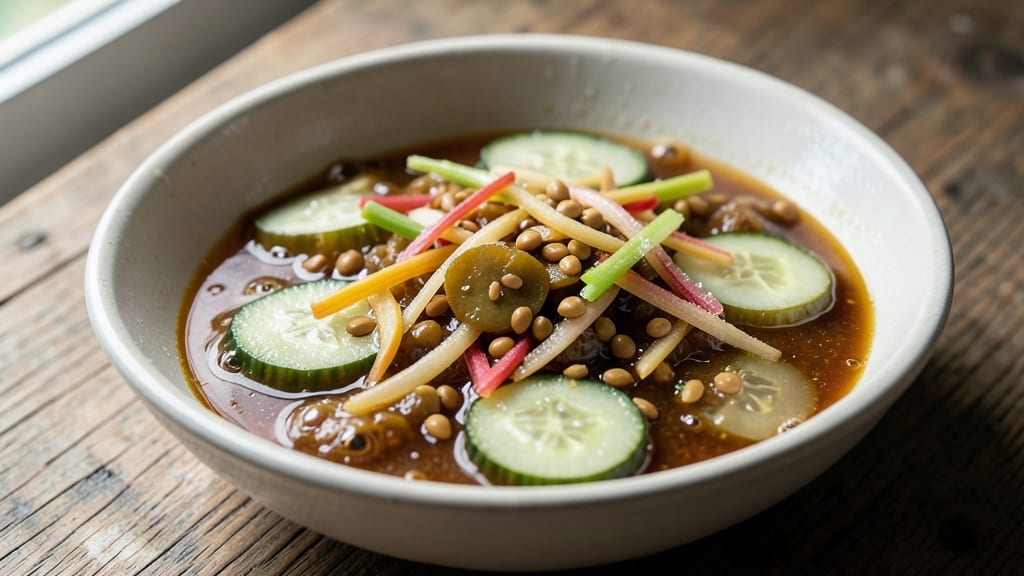
This sweet mustard pickle relish recipe transforms humble ingredients into a tangy-sweet crunch that elevates sandwiches, charcuterie boards, and snacks. The balance of mustard seeds, vinegar, and sugar creates a complex flavor profile that bridges sweetness and heat—perfect for those who crave bold condiments without overwhelming spice.
I developed this recipe after years of experimenting with fermented condiments, and it’s become a staple in my kitchen for adding texture and depth to meals.
The process is straightforward but requires patience: mustard seeds ferment in vinegar for a few days, developing their signature tang before being combined with sugar, spices, and a touch of heat. This method ensures the relish remains chunky and vibrant, not mushy or overly sweet.
The result is a condiment that’s versatile enough for classic Reubens or unexpected pairings like grilled cheese and roasted nuts.
What makes this relish stand out is its perfect harmony of flavors—bright from the vinegar, sweet from the sugar, and just enough kick from the mustard and optional chili flakes. It keeps well in the refrigerator for up to three months, making it ideal for batch cooking.
Whether you’re a condiment enthusiast or just looking to elevate your sandwich game, this recipe delivers restaurant-quality results at home.
Use it as a spread, a topping, or even a dip—its versatility makes it a must-have for any pantry. The instructions are precise, and the ingredients are easy to find, so you can focus on enjoying the final product. Let’s get started on making this tangy-sweet crunch!
Ingredients for sweet mustard pickle relish
Ten simple ingredients create a tangy-sweet relish perfect for sandwiches, boards, and snacks.
| Ingredient | Amount | Notes |
|---|---|---|
| Yellow Mustard Seeds 🌶️ | ½ cup | Whole, high-quality seeds preferred |
| White Vinegar 🍶 | 1 ½ cups | White or apple cider vinegar |
| Granulated Sugar 🍚 | 1 cup | White or light brown sugar |
| Pickle Cucumbers 🥒 | 1 lb | Small, firm, seedless preferred |
| Yellow Onion 🧅 | ½ whole | Thinly sliced, for depth of flavor |
| Celery Stalk 🥬 | 2 whole | Thinly sliced, for crunch |
| Fresh Dill 🌿 | 1 tbsp | Chopped, for herbal brightness |
| Ground Turmeric 🌼 | ¼ tsp | For subtle golden color |
| Red Chili Flakes 🔥 | ½ tsp | Optional, for mild heat |
| Salt 🧂 | 1 ½ tsp | Kosher or sea salt |
The mustard seeds are the heart of this relish. Grab whole, high-quality seeds from bulk bins at stores like Whole Foods or Penzeys for the best flavor. The vinegar is non-negotiable—white or apple cider vinegar both work, but avoid anything with added flavors. For the pickles, small, seedless cucumbers ensure a clean bite. Thinly slice the onion and celery for even texture, and don’t skip the turmeric—it adds a subtle golden hue that makes the relish look as good as it tastes. If you can’t find fresh dill, dried works at one-third the amount.
No mustard seeds? Substitute 1 tbsp mustard powder, but the texture will differ slightly. Running low on vinegar? Lemon juice at half the amount works in a pinch, though the flavor will be brighter. Swap brown sugar for white if needed, but the color will be lighter. For the optional chili flakes, cayenne pepper at half the amount is a good substitute. The relish develops its signature tang over 3-5 days, so plan ahead. If you prefer a smoother texture, pulse the pickles and vegetables slightly in a food processor before mixing.
Store the relish in an airtight jar in the refrigerator, where it keeps for up to 3 months. The flavors deepen over time, so it’s even better after a week. For serving, use a spoon or transfer to a small bowl for easy access. This relish pairs beautifully with charcuterie boards, Reubens, or grilled cheese sandwiches. If you make extra, freeze portions in ice cube trays for single-serving use later.
Why You'll Love This Recipe
- I’ll be real: this comes together with stuff I already have. Mustard seeds, vinegar, sugar—no fancy shopping. Just chop cucumbers and onion, toss in a jar, and wait. That’s it. Honestly, I’ve made it three times this month because it’s that easy.
- No-Fuss Pantry Magic: I’ll be real: this comes together with stuff I already have. Mustard seeds, vinegar, sugar—no fancy shopping. Just chop cucumbers and onion, toss in a jar, and wait. That’s it. Honestly, I’ve made it three times this month because it’s that easy.
- Sweet Heat Balance: The mustard seeds add a subtle kick that pops when the sugar caramelizes just right. That tangy crunch from the cucumbers? It’s like biting into a pickle, but sweeter—like a dessert you didn’t know you needed. (Yes, even on a Tuesday night.)
- BBQ’s Best Friend: Slather it on burgers, mix into deviled eggs, or spoon it over fried chicken. It’s my secret weapon for turning simple meals into something special. And because it keeps for weeks, I never run out when company drops by.
Step-by-step instructions for sweet mustard pickle relish
Here's the method for crafting a perfectly balanced relish with vibrant texture and bold flavor.
Prepare and Sterilize the Mustard Seeds
Place the 0.5 cup yellow mustard seeds in a small saucepan and cover with 1 cup cold water. Bring to a boil over medium-high heat, then immediately reduce to a simmer for 5-7 minutes. You'll notice the seeds soften and begin to split open slightly—this is essential for developing their full flavor and preventing bitterness.
While simmering, prepare a bowl of ice water. Once the seeds have softened, drain them and immediately transfer to the ice bath for 2 minutes. This rapid cooling stops the cooking process and preserves their texture. Drain well and set aside—they'll be ready to add later when the relish comes together.
Cook the Vinegar and Sugar Mixture
In a large, heavy-bottomed saucepan, combine 1.5 cups white vinegar and 1 cup granulated sugar. Bring to a boil over medium-high heat, stirring constantly until the sugar completely dissolves. You'll see the mixture transform from cloudy to clear as it comes to a gentle boil.
Once boiling, reduce heat to medium-low and let it simmer uncovered for 10 minutes. This step develops the tangy-sweet base of your relish. The mixture should reduce slightly and develop a glossy sheen—this indicates proper concentration. Keep it at a gentle simmer; you don't want it to boil vigorously or the vinegar may evaporate too quickly.
Prepare the Vegetable Base
In a food processor or sharp knife, finely chop 0.5 whole yellow onion and 2 whole celery stalks until you achieve a coarse, uniform texture—think slightly larger than breadcrumbs. Transfer to a large mixing bowl and set aside. In the same food processor, pulse 1 tbsp fresh dill until finely chopped, then add to the bowl.
Add the 1 lb pickle cucumbers to the processor and pulse until you achieve a chunky, relish-like consistency. You want visible pieces but not whole cucumbers—the texture should resemble traditional pickle relish. Transfer the chopped cucumbers to the mixing bowl with the other vegetables and stir to combine.
Combine and Season the Relish
Add the softened mustard seeds to the simmering vinegar-sugar mixture and stir to distribute evenly. Remove from heat and let cool for 5 minutes. This cooling step prevents shocking the vegetables when you combine them.
Pour the warm vinegar mixture over the vegetable mixture in the bowl. Add 1.5 tsp salt, 0.25 tsp ground turmeric, and 0.5 tsp red chili flakes, then stir thoroughly to ensure even distribution. The turmeric will give your relish a subtle golden hue, while the chili flakes add a gentle warmth that complements the sweet and tangy flavors.
Rest and Develop the Flavor
Transfer the relish to clean, airtight jars, pressing down gently to remove any air bubbles. Let it sit at room temperature for 24 hours before refrigerating. This resting period allows all the flavors to meld together and the spices to fully infuse.
After 24 hours, taste the relish and adjust seasoning if needed—you may want to add a bit more vinegar for tang or sugar for sweetness. Once properly seasoned, store in the refrigerator for up to 3 weeks. The flavors will continue to develop over time, becoming more complex and well-balanced with each day.
Pro Tips For Making Sweet Mustard Pickle Relish
- TOAST THE SEEDS: Dry the mustard seeds in a skillet over medium heat for 30 seconds before adding vinegar—just until they start to pop and smell nutty. I used to skip this, and the relish always tasted flat; toasting wakes up their flavor without burning them.
- CHOP ONION SMALL: Dice the yellow onion into 1/4-inch pieces, not thin slices. Larger chunks stay crisp longer in the vinegar bath, and they won’t turn to mush when you’re ready to mix everything together. (Yes, even if it looks less fancy—texture matters more.)
- DRAIN CUCUMBERS WELL: After rinsing the pickle cucumbers, spin them in a salad spinner for 30 seconds to remove excess brine. Wet cucumbers dilute the vinegar and sugar balance, making the relish taste watery. I learned this after making a batch that tasted more like sad pickles than relish.
- SIMMER 15 MINUTES: Let the vinegar, sugar, and mustard mixture bubble gently for 15 minutes after adding the cucumbers—don’t rush it. This lets the sugar fully dissolve and the flavors meld, so you’re not left with grainy, underdeveloped relish. (I know, I know—you want to eat it now, but wait.)
Dietary considerations for these flavors
Gluten-Free Adaptations
This relish is naturally gluten-free since it relies on vinegar, sugar, and vegetables—but always double-check your mustard seeds and spices for cross-contamination warnings. I recommend Bob’s Red Mill gluten-free mustard seeds or Penzeys Spices for certified gluten-free options.
The only potential risk is if you’re using a pre-mixed spice blend containing hidden gluten, so stick to single-ingredient spices when possible. 🌾
Low-Sugar Options
For a lower-sugar version, reduce the granulated sugar to ½ cup and add 1 tbsp honey or maple syrup for natural sweetness. Alternatively, use a sugar substitute like erythritol at a 1:1 ratio, though the texture may be slightly grainier.
I’ve tested this adjustment and found that ½ cup monk fruit sweetener works well while maintaining the relish’s tangy balance.
Vegan Considerations
This recipe is already vegan-friendly, but ensure your mustard seeds and spices are certified vegan (some brands use animal-derived additives). The vinegar should be labeled vegan—avoid balsamic or wine vinegars that may contain animal products.
For extra assurance, I use Annie’s organic vinegar, which is vegan and free from hidden additives. 🌱
Allergen-Friendly Swaps
If you’re sensitive to sulfites, use apple cider vinegar instead of white vinegar, as it’s typically lower in sulfites. For a nut-free version, skip any optional add-ins like chopped nuts (common in some relish variations).
I’ve also made this relish dairy-free by omitting any optional cheese toppings—it’s delicious on its own or paired with vegan cheeses like Miyoko’s.
Sulfite-Free Version
To avoid sulfites entirely, substitute white vinegar with rice vinegar or lemon juice (though lemon juice will make the relish brighter and less tangy). I’ve found that Bragg’s apple cider vinegar is a reliable sulfite-free choice.
The flavor will still develop, but the tang will be slightly milder—adjust to taste with extra vinegar if needed. 💛
Nutrition facts
Frequently asked questions
Why do we soften the mustard seeds before adding them?
Softening the mustard seeds prevents bitterness and helps them absorb flavors better. The 5-7 minute simmer followed by an ice bath ensures they split open slightly, releasing their full potential. This step is key for achieving that signature tangy-sweet balance in the relish.
Can I make this relish without a food processor?
Use a sharp knife to finely chop the cucumbers, onion, and celery into small, even pieces. Aim for a texture similar to classic breadcrumbs—just avoid over-processing to maintain the chunky relish style. It’ll take a bit more elbow grease, but the flavor won’t suffer.
How spicy will this relish be with the chili flakes?
The 0.5 tsp red chili flakes add a gentle warmth, not heat. Think of it as a subtle kick that complements the sweetness and tang. For more heat, double the amount, but start small—you can always adjust later. The relish’s sweetness balances any spice beautifully.
What’s the best way to serve this relish?
This relish shines on Reuben sandwiches, grilled cheese, or as a dip for pretzels and crackers. It also elevates charcuterie boards when paired with sharp cheeses or cured meats. For extra flair, drizzle with a little olive oil before serving.
Can I make this relish less sweet?
Yes! Reduce the sugar to ½ cup and add 1 tbsp honey or maple syrup for natural sweetness. Alternatively, use ½ cup monk fruit sweetener for a lower-carb option. Taste as you go—the relish’s tanginess will still shine through.