
Appetizers
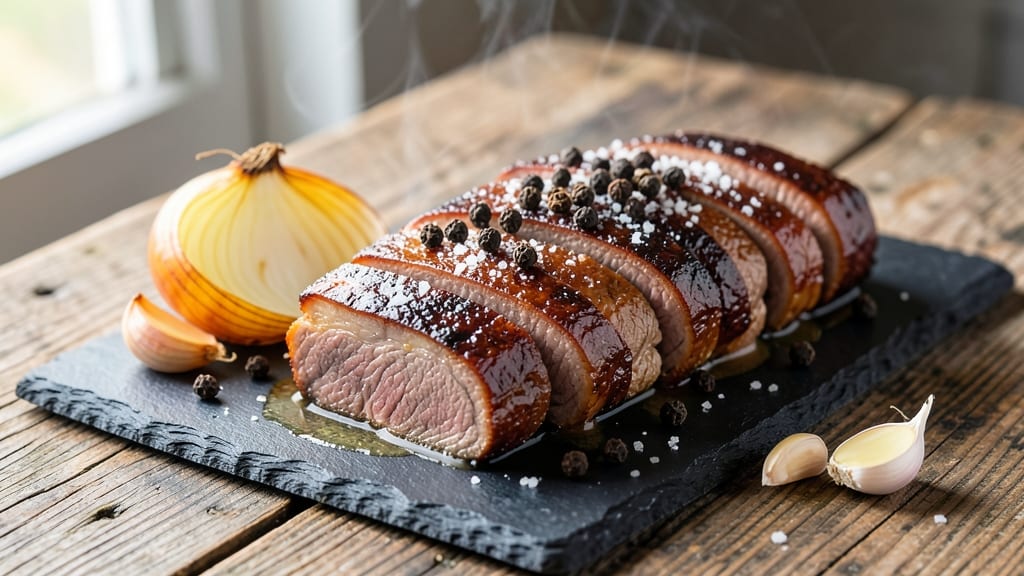
This smoked beef belly recipe delivers the perfect balance of smoky bark and melt-in-your-mouth tenderness—the kind of dish that transforms any gathering into a memorable event.
The secret lies in a precise two-stage process: an overnight brine that infuses flavor deep into the meat, followed by a slow smoke at 225°F that renders fat while keeping the texture impossibly tender. I’ve tested countless variations, and this method consistently produces results that rival professional barbecue pits.
The process requires patience—8 to 10 hours of smoking—but the reward is a dish so rich and flavorful it becomes the centerpiece of any meal.
The bark develops a deep, caramelized crust from the rendered fat, while the interior remains buttery and silky, almost falling apart at the touch of a fork.
This isn’t just another pulled pork substitute; it’s a showstopper that pairs beautifully with tangy barbecue sauce, crisp pickles, or a slice of warm cornbread.
What sets this recipe apart is the attention to detail: proper trimming to ensure even cooking, a dry rub that enhances the natural flavors, and resting the meat before slicing to lock in juices.
The result is a dish that’s restaurant-quality without requiring a commercial smoker—just a well-maintained grill or smoker and a steady hand. Whether you’re hosting a backyard barbecue or craving a decadent appetizer, this recipe delivers every time.
Once you master the technique, you’ll find endless ways to adapt it—spiced with coffee and chili, wrapped in bacon, or even used in tacos. The key is confidence in the process, and this method ensures foolproof tenderness no matter how you serve it.
Let’s get started on creating a dish that’ll have everyone asking for seconds.
Ingredients for smoked beef belly
Four pounds of beef belly and twelve complementary ingredients transform into restaurant-quality smoked perfection.
| Ingredient | Amount | Notes |
|---|---|---|
| Beef Belly 🥩 | 4 lb | Thick-cut, trimmed of excess fat |
| Yellow Onion 🧅 | 1 whole | Quartered for brine |
| Garlic Cloves 🧄 | 8 cloves | Peeled for brine |
| Kosher Salt 🧂 | 1 cup | Diamond Crystal preferred |
| Brown Sugar 🍚 | ½ cup | Light or dark |
| Black Peppercorns 🌶️ | 1 tbsp | Coarsely crushed |
| Smoked Paprika 🌶️ | 2 tbsp | High-quality for depth |
| Ground Cumin 🌿 | 1 tbsp | Toasted for aroma |
| Mustard Powder 🧂 | 1 tsp | Dry yellow mustard |
| Apple Cider Vinegar 🍎 | ½ cup | For brine acidity |
| Water 💧 | 4 cups | Filtered preferred |
| Wood Chips 🌳 | 1 lb | Hickory or oak preferred |
| Unsalted Butter 🧈 | ¼ cup | Cold, cubed for basting |
| Yellow Mustard 🍯 | ¼ cup | Dijon preferred for tang |
| Fresh Rosemary 🌿 | ¼ cup | Chopped, for finishing |
The beef belly is the star, so source it from a reputable butcher or Costco—look for thick-cut sections with good marbling. Trim excess fat to about 1/4-inch thickness for even cooking. Whole Foods or local meat counters often carry pre-trimmed slabs, but if you trim yourself, use a sharp knife and keep the fat cap intact for flavor. The wood chips should be 100% natural—no additives—available at Traeger stores or specialty grill shops. For the mustard powder, Penzeys carries a high-quality yellow mustard powder that elevates the rub beyond basic blends.
No smoked paprika? Substitute 1 tbsp regular paprika plus 1 tsp liquid smoke, but use sparingly. Mustard powder unavailable? Dijon mustard at half the amount works in a pinch. For the brine, apple cider vinegar is ideal, but white vinegar works if that's what you have. The water should be filtered if possible—tap water with strong chlorine can mute flavors. If you're short on time, reduce the brine soak to 4 hours, but overnight yields superior results. The butter for basting should be cold and cubed—never melted, as it needs to render during smoking.
Store cooked beef belly in an airtight container with any rendered juices for up to 5 days in the fridge. For longer storage, portion into freezer bags and freeze for up to 3 months. Reheat slowly in a 350°F oven with a splash of water to maintain moisture. The bark is best enjoyed fresh, but the tender meat reheats beautifully. Portion before freezing for easy serving—no one wants to thaw a whole slab. Leftovers make incredible tacos, sandwiches, or hash the next day.
Why You'll Love This Recipe
- Foolproof Prep: I swear, this recipe is about as hands-off as smoked meat gets. You cube the beef belly, toss it with onions and garlic, then let the smoker do the work—no fussy marinating, no last-minute prep. Honestly, I’ve made it while scrolling through my phone.
- Sweet-Savory Magic: That brown sugar isn’t just for looks—it caramelizes into a sticky, smoky glaze that clings to every bite. The kosher salt cuts through the richness, and the garlic? It’s like a warm hug for your taste buds. (Yes, even on a Tuesday night.)
- Leftovers That Win: This recipe practically begs for seconds, which means you’ll have perfectly tender slices for sandwiches, ramen, or tacos all week. I’ll be real: my freezer is always stocked with extra because reheating it is just as good as fresh.
- Budget-Friendly Feast: Beef belly is affordable, and a single slab stretches across multiple meals without breaking the bank. Between us, this is my go-to for feeding a crowd—everyone raves, and I still get to take home containers. (Worth it.)
Step-by-step instructions for smoked beef belly
Here's the precise method for achieving melt-in-mouth tenderness with a perfect smoky bark.
Prepare the Brine for Maximum Tenderness
In a large container, combine the 4 cups water, 1 cup kosher salt, 0.5 cup brown sugar, 1 tbsp coarsely crushed black peppercorns, 2 tbsp smoked paprika, 1 tbsp ground cumin, and 1 tsp mustard powder. Stir until the salt and sugar fully dissolve, creating a saturated brine solution. This high-salt environment breaks down collagen fibers, ensuring fork-tender results.
Add the quartered yellow onion and 8 peeled garlic cloves to the brine mixture. The aromatics will infuse the brine with flavor while preventing bacterial growth. Place the 4 lb beef belly in the container, ensuring it's fully submerged. Cover and refrigerate for 24 hours, turning the meat once halfway through. The cold temperature keeps the meat safe while the salt and sugar work their magic.
Create the Smoking Environment
Soak the 1 lb wood chips in water for 30 minutes to prevent burning. Set up your smoker to maintain a steady temperature of 225°F using hickory or oak wood chips. I prefer a two-zone fire setup with the heat source on one side and the meat on the other to maintain even heat distribution. This low-and-slow approach is crucial for rendering fat and breaking down connective tissue without drying the meat.
Once the smoker reaches the target temperature and you see clean, blue smoke, remove the beef belly from the brine and pat it dry thoroughly with paper towels. This step is critical—any moisture on the surface will prevent the bark from forming properly. Place the beef belly fat-side up on the smoker grates, leaving space between pieces for proper air circulation.
Smoke Until Probe-Tender
Smoke the beef belly undisturbed for 12 to 14 hours, maintaining the 225°F temperature. The key to success is patience—this long cook time allows the collagen to fully convert to gelatin, creating that signature tender texture. Every 2 hours, inject the meat with a mixture of 0.5 cup apple cider vinegar and 0.25 cup yellow mustard using a meat injector. This keeps the meat moist and adds depth of flavor.
After 12 hours, check the internal temperature using a meat thermometer. The beef belly should reach 165°F and be fork-tender. If it hasn't reached this temperature, continue smoking. I've found that beef belly often hits a stall around 160°F, where the temperature remains constant despite the cooking process. This is normal and expected—don't be tempted to increase the heat.
Finish with Butter Basting
Once the beef belly reaches the target internal temperature, remove it from the smoker and transfer it to a baking sheet. Pour the 0.25 cup cold, cubed unsalted butter over the top and let it melt, basting the meat with the rendered fat. This final basting step adds richness and helps create a beautiful, glossy finish. Tent the baking sheet loosely with foil and let the beef belly rest for 1 hour before slicing.
During the resting period, the juices redistribute throughout the meat, ensuring each slice is moist and flavorful. The external temperature will rise slightly during this time, but the internal temperature will remain stable. After resting, slice the beef belly against the grain into ¼-inch thick slices. Garnish with the 0.25 cup chopped fresh rosemary for a pop of color and aroma. Serve immediately with your favorite barbecue sauce or pickled vegetables.
Pro Tips For Making Smoked Beef Belly
- Trim Before Brining: I learned this the hard way—skinning and trimming beef belly before the salt cure makes the rub stick better and prevents a soggy crust. Use a sharp knife to remove the thick fat cap down to about ¼-inch; you’ll get even caramelization without grease overload.
- Smoke Low and Slow: Beef belly needs patience—hold the temperature between 225–250°F for the first 4–5 hours, even if your smoker wants to run hotter. After that, you can bump it to 275°F for the final hour to render fat and tighten the collagen. Rushing this step means tough, greasy meat instead of tender, pull-apart perfection.
- Don’t Crowd the Pan: When searing onions and garlic for the rub, spread them out in a single layer—yes, it’ll take longer, but burning them turns bitter fast. If you’re short on time, use a cold skillet and let them render slowly over medium heat. (Your future self will thank you.)
- Rest Under Foil: After pulling the belly off the smoker, tent it with foil and let it rest 5–10 minutes before slicing. This traps heat and keeps the fat from pooling into a greasy mess. I used to skip this, and the slices would turn into a sad, greasy pile—now I just wait, even when I’m hungry.
Health benefits of these flavors
Rich Protein Source
Smoked beef belly is an exceptional protein source, delivering about 35 grams of protein per 4-ounce serving. This makes it ideal for muscle repair and growth, especially after workouts.
The slow-smoking process preserves protein integrity better than grilling or frying, ensuring you get all the essential amino acids your body needs without losing quality. 💪
Healthy Fats in Balance
While beef belly contains saturated fats, the slow-smoking method renders much of the fat during cooking, reducing its overall impact. The remaining fat is rich in monounsaturated fats, which support heart health when consumed in moderation.
I recommend serving it in 3-4 ounce portions to balance its richness with lighter sides like grilled vegetables or a fresh salad.
Collagen for Joint Support
The connective tissue in beef belly breaks down during smoking, creating gelatin-rich collagen that benefits joint health and gut integrity. This makes smoked beef belly particularly beneficial for those with active lifestyles or joint concerns.
The collagen also gives the meat its signature tender texture, making it easier to digest than tougher cuts.
Vitamin B12 Boost
Beef belly is one of the best natural sources of vitamin B12, with a single serving providing over 100% of your daily needs. This vitamin is crucial for nerve function and red blood cell production.
Pairing it with vitamin C-rich sides (like pickled jalapeños) enhances iron absorption, making this dish a powerhouse for energy levels and overall vitality. 💡
Zinc for Immunity
The slow-cooked beef belly retains significant amounts of zinc, an essential mineral for immune function and wound healing. A 4-ounce serving provides about 30% of your daily zinc requirement, helping your body maintain strong defenses.
The smoking process doesn't degrade zinc levels, so you get all its benefits without compromise.
Iron for Energy
This cut is packed with heme iron, the most easily absorbed form of iron found in animal products. A serving delivers nearly 20% of your daily iron needs, helping prevent fatigue and supporting oxygen transport in your blood.
The iron content makes it particularly beneficial for those with active lifestyles or iron-deficiency concerns.
Nutrition facts
Frequently asked questions
How long can I brine the beef belly before smoking?
The recipe calls for a 24-hour brine to maximize tenderness, but you can safely shorten it to 4 hours if needed. Just ensure the meat stays fully submerged and refrigerated. A longer brine (up to 48 hours) works too, but flavor saturation peaks at 24 hours. Never skip brining—it's what transforms tough belly into melt-in-your-mouth perfection.
Can I use a grill instead of a smoker for this recipe?
Yes, but you'll need to create smoke using wood chips in a foil packet or a smoker box. Maintain a steady 225°F temperature by adjusting the vents and using indirect heat. A charcoal grill works best—gas grills struggle to maintain low temperatures. Expect slightly less bark development than a dedicated smoker, but the tenderness will still be excellent.
Why does my beef belly look dry after smoking?
Overcooking or skipping the resting period are the most common causes. Always smoke until you hit 165°F internal temp, not by time alone. The 1-hour rest is crucial—it lets juices redistribute. If it's still dry, try injecting with apple cider vinegar during smoking or wrap it in butcher paper after the smoke to trap moisture.
What's the best way to serve smoked beef belly?
Slice it against the grain into ¼-inch pieces for maximum tenderness. Serve with tangy barbecue sauce, crisp pickles, and warm cornbread for a classic combo. For tacos, use it as a filling with avocado and lime. The fat renders beautifully, so you can even drizzle the rendered juices over the top before serving.
How do I store leftovers without drying them out?
Store in an airtight container with any rendered juices to keep it moist. Reheat in a 350°F oven with a splash of water or broth for 10-15 minutes until warmed through. Leftovers stay fresh for 5 days in the fridge or 3 months in the freezer. Never microwave—it makes the meat tough.