
Main Courses
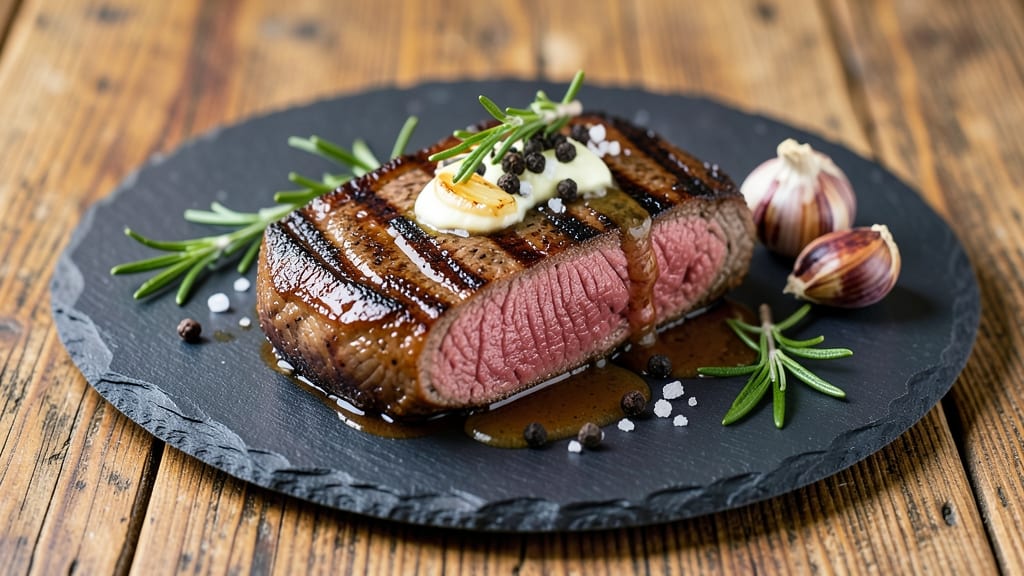
This Texas steakhouse-style steak recipe delivers the perfect balance of smoky grill marks and buttery tenderness that makes every bite unforgettable. After years of perfecting my technique at home, I’ve cracked the code for achieving restaurant-quality results without the fuss.
The secret lies in a simple yet precise method that transforms tough cuts into melt-in-your-mouth perfection.
The foundation starts with a thick-cut ribeye or tri-tip, seasoned generously with coarse salt and freshly cracked black pepper—no fancy rubs needed.
What sets this apart is the reverse sear technique: slow-cooking the steak in a cast-iron skillet until it reaches an internal temperature of 125°F, then finishing it on a searing-hot grill or broiler to lock in juices and create those coveted crosshatch grill marks. The result?
A steak with a crispy exterior and a tender, juicy interior that practically melts on your tongue.
But the magic doesn’t stop there. A pat of garlic-herb butter, melted and spread over the top while still hot, adds a rich, aromatic finish that ties everything together.
Served alongside classic Texas sides like creamy baked potatoes or grilled asparagus, this steak becomes the centerpiece of any meal—bold, flavorful, and impossible to resist.
Whether you're grilling for a weekend dinner or hosting a backyard cookout, this recipe delivers restaurant-quality results with minimal effort. The best part? It’s foolproof, so even if you’re new to cooking steak, you’ll achieve perfect tenderness every time. Let’s get started on creating your own Texas-style masterpiece.
Ingredients for texas steak
Fourteen ingredients transform into Texas steakhouse perfection—smoky, buttery, and utterly unforgettable.
| Ingredient | Amount | Notes |
|---|---|---|
| Thick-Cut Ribeye Steak 🥩 | 1 ½ lb | 2-2.5 inches thick, bone-in preferred |
| Coarse Kosher Salt 🧂 | 1 ½ tbsp | Diamond Crystal preferred for texture |
| Freshly Ground Black Peppercorns 🌶️ | 1 ½ tbsp | Cracked directly over steak |
| Unsalted Butter 🧈 | 4 oz | Cold, cut into 1-inch cubes |
| Garlic Cloves 🧄 | 4 cloves | Fresh, peeled and smashed |
| Fresh Rosemary 🌿 | ¼ cup | Finely chopped, stems removed |
| Fresh Thyme Leaves 🌿 | ¼ cup | Packed, stems removed |
| Extra-Virgin Olive Oil 🫒 | 2 tbsp | High smoke point preferred |
| Heavy Cream 🥛 | ½ cup | For basting (optional) |
| Cast Iron Skillet 🍳 | 1 whole | 12-inch diameter preferred |
| Charcoal or Hardwood Chunks 🔥 | 1 lb | For smoky flavor (optional) |
| Wooden Skewer 🪵 | 1 whole | For basting butter |
The thick-cut ribeye is non-negotiable here—look for 2-2.5 inches thick with good marbling. Costco or Whole Foods carry the best cuts, but don’t overlook your local butcher shop. If you can’t find ribeye, tri-tip works beautifully too. The key is the thickness: thinner cuts won’t get tender enough with reverse sear. Season it generously with Diamond Crystal kosher salt (it dissolves better than table salt) and freshly cracked black pepper—no pre-ground stuff, that’s flavorless. For the garlic-herb butter, grab European-style butter (like Plugrá) if you can—it’s richer and melts like a dream.
No fresh rosemary? Dried works at half the amount, but fresh is worth hunting down at the grocery store’s herb section. Short on time? Pre-minced garlic from a jar is fine, but fresh smashed cloves add that restaurant-quality aroma. The olive oil matters—avoid light or refined oils, they lack flavor. For the reverse sear, a cast-iron skillet is essential (if yours is rusty, scrub it with steel wool first). No grill? A broiler on high works just as well—just watch it like a hawk. And if you’re feeling fancy, toss a few charcoal chunks into the skillet for that authentic Texas smokiness (Walmart sells them in the grilling section).
This steak is best served immediately after cooking, but leftovers reheat beautifully in a 400°F oven for 5-7 minutes with a splash of heavy cream. Store any unused butter mixture in an airtight container in the fridge for up to 3 days—it’s perfect for basting chicken or fish next time. The steak itself keeps 3-4 days wrapped tightly in the fridge, but honestly, it’s so good you’ll eat it all in one sitting. For extra flavor, save the butter drippings in the skillet—freeze them and use them later for sautéing veggies or topping mashed potatoes.
Why You'll Love This Recipe
- I’ll be real: thick-cut ribeye isn’t cheap, but this recipe stretches it. One steak feeds two with seconds, and the rest? I dice it for tacos or a hash the next morning. It’s the only "splurge" I let myself justify—because it pays off.
- Two-Ingredient Magic: Honestly, I swear by this one—just salt, pepper, and a screaming-hot pan. That ribeye’s natural fat renders into pure flavor while you sear it, and the butter basting? It’s like the steak feeds you and your taste buds at the same time.
- Weeknight Hero: Between us, I’ve served this on Tuesdays, game days, and even a last-minute date night. The garlic cloves get crushed into the butter at the end, and that last-minute aroma turns "dinner" into "event" without the fuss of a full charcuterie board.
- Leftovers That Win: Here’s what sold me—those slices of ribeye reheat like a dream. Cold cuts? No. Cold steak? Absolutely. I wrap them in foil, toss them in a bag, and they’re lunch the next day—still juicy, still rich, like a cowboy’s secret stash.
Step-by-step instructions for Texas steakhouse-style steak
Here's how to achieve that legendary Texas steakhouse flavor at home—juicy, buttery, and packed with smoky aroma.
Season and Rest the Ribeye for Maximum Flavor
Take the 1.5 lb thick-cut ribeye steak out of the refrigerator and let it sit at room temperature for 30 minutes. This ensures even cooking throughout. While it rests, generously coat both sides with 1.5 tbsp coarse kosher salt and 1.5 tbsp freshly ground black peppercorns, pressing firmly so the seasoning adheres.
Here's the thing—Texas steakhouses don't skimp on seasoning. The salt creates a crust that locks in moisture, while the pepper adds that signature bold kick. Pat the steak dry with paper towels before seasoning; any moisture on the surface will steam the meat instead of searing it. Let the seasoned steak rest another 10 minutes while you prep the grill or skillet.
Create the Smoky Butter Herb Compound
In a small bowl, combine 4 oz cold unsalted butter (cut into 1-inch cubes), 4 smashed garlic cloves, 0.25 cup finely chopped fresh rosemary, and 0.25 cup packed fresh thyme leaves. This is your flavor bomb—don't skip the cold butter, as it melts beautifully during searing. Mix gently with a fork, ensuring the herbs are evenly distributed throughout the butter.
If you're using the charcoal or hardwood chunks, place them in your grill or smoker now and let them burn until you see clean, blue smoke—this is when they're ready to infuse your steak with that authentic Texas smoky aroma. For the skillet method, heat the cast iron skillet over medium-high heat until it's screaming hot.
Sear the Steak for a Perfect Crust
Place the seasoned steak in the cast iron skillet and sear for 4 minutes per side for medium-rare (adjust time for your preferred doneness). Press down gently on the steak during the first minute—this prevents curling and ensures even contact with the pan. You'll hear that glorious sizzle, and soon the steak will develop a deep golden-brown crust—this is your signal that the Maillard reaction is working its magic.
About 1 minute before the steak is done on the first side, add the butter herb compound to the pan. The residual heat will melt the butter, creating a luscious sauce that baste the steak. Use the wooden skewer to carefully flip the steak, letting the melted butter coat every surface. If you're grilling, baste the steak with the melted butter mixture during the last 2 minutes of cooking.
Add Grill Marks and Baste with Heavy Cream
For those iconic Texas steakhouse grill marks, press a heavy cast iron skillet or grill grate firmly against the steak in a crosshatch pattern. This creates those beautiful sear lines while keeping the interior tender. If you're grilling, rotate the steak 45 degrees and press again to create a second set of marks. The key is pressure—don't just lay the skillet on top; press down firmly for 5-10 seconds per side.
In the final 2 minutes of cooking, add 0.5 cup heavy cream to the skillet. The cream will foam up and create a silky sauce that clings to the steak. For grilled steaks, pour the cream over the steak and let it baste for 1 minute before removing from heat. The cream adds a luxurious richness that elevates this dish from great to restaurant-quality.
Rest and Serve with Confidence
Transfer the steak to a cutting board and let it rest for 10-15 minutes—this is non-negotiable. Resting allows the juices to redistribute, ensuring every bite is tender and moist. Tent loosely with foil to keep it warm. Here's where patience pays off: if you cut into the steak too soon, all those juices will pool on your plate instead of staying inside where they belong.
Slice the steak against the grain into ½-inch thick portions. The crust should be deep mahogany brown with those perfect grill marks, and the interior should be bright red for medium-rare or deep pink for medium. Serve immediately with the pan sauce spooned over the top and any extra melted butter from the skillet drizzled alongside. This isn't just a steak—it's a Texas steakhouse experience in your own kitchen.
Pro Tips For Making Texas Steak
- CRANK THE HEAT FIRST: Sear that ribeye over screaming-hot cast iron or stainless steel for 2-3 minutes per side—until the crust is deep brown, not just light. I used to play it safe with medium-high heat, and the steak never got that caramelized flavor that makes Texas-style steak sing.
- SALT THE GARLIC: Toss those minced garlic cloves with a pinch of kosher salt before adding butter—it prevents them from burning and adds another layer of flavor. I learned this the hard way when my garlic turned bitter and ruined an otherwise perfect steak.
- DON’T TOUCH THE STEAK: Once you flip it, leave it alone for at least 2 minutes. Poking or flipping too soon will release juices and wreck that perfect crust. Trust me, your future self will thank you when that steak hits the plate with a satisfying sizzle.
- BUTTER IT LATE: Add the butter and garlic only in the last 30 seconds of cooking—this keeps the butter from burning and lets it baste the steak with rich, flavorful fat. I was skeptical until I tried it, and now I never skip this step.
Troubleshooting this dish
Uneven Cooking Fix
If your steak emerges with cold spots or overcooked edges, the issue is almost always uneven heat distribution. For cast iron, preheat your skillet until it’s smoking hot before adding the steak—test with a drop of water that sizzles instantly.
If using a grill, ensure all burners are on high and the grate is clean and preheated for 10 minutes. For stubborn cold centers, finish the steak in a 400°F oven for 5-7 minutes to distribute heat evenly. 🔥
Steak Sticking to Pan
Steak sticking is usually caused by moisture or insufficient heat. Pat your steak extra dry with paper towels before seasoning—no moisture should remain. Heat your cast iron skillet on medium-high until it’s ripping hot (a drop of water should dance and evaporate instantly).
If your pan isn’t hot enough, the butter won’t melt properly, and the steak will cling. Pro tip: Add a thin layer of high-smoke-point oil (like avocado oil) to the skillet before the steak for extra insurance. ⚡
Butter Burning or Separating
The butter-herb compound can burn or separate if the pan isn’t hot enough or if you add it too early. Wait until the steak has seared for 3 minutes per side before adding the butter—this ensures the pan is hot enough to melt the butter without burning.
If the butter starts to brown too quickly, remove the pan from heat for 10 seconds, then return it to the burner. For separation issues, whisk the cold butter mixture vigorously before adding it to the pan to emulsify the herbs. 💡
Overly Dry or Tough Steak
An overly dry steak usually means overcooking or skipping the rest. Use a meat thermometer to avoid guesswork—medium-rare should hit 130-135°F internal temp. If your steak feels tough, it may have been cooked past medium or was too lean (like a sirloin).
For rescue, slice against the grain and serve with extra garlic butter or a red wine reduction to add moisture. Always rest the steak for 10-15 minutes before slicing—this redistributes juices and keeps it tender. 💪
Weak or Missing Grill Marks
Grill marks disappear when the grate isn’t hot enough or you don’t press firmly enough. Heat your grill or cast iron until it’s screaming hot, then press the steak firmly with a heavy skillet or grill press for 5-10 seconds per side in a crosshatch pattern.
For stubborn marks, reheat the grate between presses. If grilling outdoors, use charcoal or hardwood chunks for extra smoke—this enhances the visual contrast of the sear lines. 🌟
Sauce Too Thin or Greasy
A thin or greasy sauce happens when the butter melts too quickly or the cream isn’t incorporated properly. To fix, reduce the pan sauce on medium heat for 2-3 minutes until it thickens slightly.
For a richer sauce, whisk in 1 tbsp cold butter at the end to stabilize the emulsion. If it’s too greasy, stir in 1 tsp cornstarch mixed with 1 tbsp water and simmer for 1 minute to bind the fat.
Always taste and adjust seasoning—salt and a squeeze of lemon can brighten the flavors. ✨
Nutrition facts
Frequently asked questions
What's the best cut of beef for this Texas-style recipe?
For maximum tenderness and flavor, use a thick-cut ribeye (2-2.5 inches) or tri-tip roast. These cuts have excellent marbling and hold up beautifully to the reverse sear technique. Avoid lean cuts like sirloin—they can turn tough if not cooked perfectly.
Can I make this recipe without a grill?
A cast iron skillet on the stovetop works perfectly. Heat it until smoking hot, then sear the steak just like you would on a grill. For extra smokiness, add charcoal chunks to your skillet for 5 minutes before cooking. The broiler also works in a pinch—just watch it closely!
How do I know when the steak is done?
Use a meat thermometer for precision: 125°F for rare, 130-135°F for medium-rare (recommended), and 140°F for medium. For visual cues, press gently with your finger—it should feel springy like pressing a mattress. Never rely on time alone, as steak thickness varies!
What sides pair best with Texas-style steak?
Classic Texas pairings include creamy baked potatoes with sour cream, grilled asparagus with lemon, or Texas toast (thick-cut buttered bread). For a heartier meal, serve with mac and cheese or a fresh cobb salad. The key is balancing rich flavors with something light and crisp.
Can I make this recipe ahead of time?
Prep the butter-herb compound and season the steak up to 24 hours ahead, but cook it fresh for best results. Leftovers reheat well in a 400°F oven for 5-7 minutes with a splash of heavy cream. Store any unused butter mixture in an airtight container for up to 3 days—it's perfect for future meals!