Main Courses
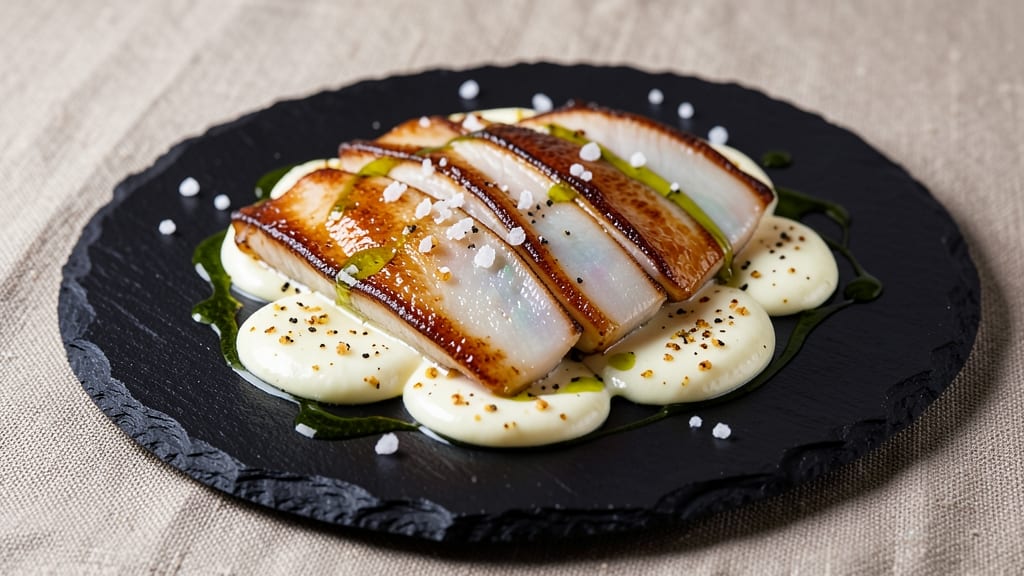
A simple abalone recipe brings ocean-fresh luxury with minimal effort—pan-seared until golden with buttery garlic crunch. This recipe transforms delicate abalone into a restaurant-worthy dish using just five key ingredients and 15 minutes of active time.
The secret lies in proper preparation and high-heat searing to create that coveted crispy exterior while keeping the interior tender.
What makes this abalone recipe truly simple is the technique: a quick marinade in garlic butter followed by rapid searing in a hot pan. Unlike more complicated preparations, this method requires no special equipment beyond a sturdy skillet and a sharp knife.
The result is abalone with crispy edges and a velvety interior, elevated by the aromatic garlic butter that clings to every bite.
By the time you plate this dish, you'll have a presentation that feels elegant yet effortless—golden abalone slices fanned on a plate with a drizzle of the remaining garlic butter.
The rich umami flavor of abalone pairs beautifully with steamed vegetables or a simple arugula salad, making this dish equally impressive for date night or a weeknight dinner.
Whether you're cooking for two or preparing a special occasion meal, this recipe delivers professional-quality results with minimal fuss. The key is confidence in the cooking process—once you master the searing technique, you'll never go back to complicated abalone preparations again.
Ingredients for simple abalone
Five premium ingredients transform delicate abalone into a restaurant-quality dish with crispy edges and velvety interior.
| Ingredient | Amount | Notes |
|---|---|---|
| Abalone 🦪 | 1 lb | Fresh, meat removed from shell |
| Unsalted Butter 🧈 | ½ cup | Cold, cut into 8 pieces |
| Garlic Cloves 🧄 | 6 cloves | Fresh, thinly sliced |
| Extra-Virgin Olive Oil 🫒 | 2 tbsp | High-quality, fruity variety |
| Diamond Crystal Kosher Salt 🧂 | 1 ½ tsp | Fine grain for delicate seasoning |
| Freshly Ground Black Pepper 🌶️ | ½ tsp | Cracked over finished dish |
| Lemon Zest 🍋 | 1 tsp | Brightens the garlic butter |
| Fresh Parsley 🌿 | ¼ cup | Chopped, for garnish |
The abalone is the star—opt for fresh, whole abalone from specialty seafood markets or high-end grocers like Whole Foods or Sprouts, where the pieces are properly cleaned and ready to cook. Look for vibrant color and firm texture; avoid any that smells fishy or appears slimy. If working with frozen abalone, thaw overnight in the fridge—never at room temperature. The butter should be cold and unsalted (like Plugrá or Land O'Lakes) to create that signature crunch during searing. For garlic, pearls from the outer cloves yield the most flavor—avoid the inner, milder ones. The olive oil matters too; California Avocado's single-origin oils elevate the dish without overpowering.
No fresh abalone? High-quality frozen works if properly thawed, though texture may vary slightly. Substitute butter with ghee for a richer, nutty depth, though traditionalists will insist on butter's unmatched flavor. For garlic, garlic powder at half the amount is a pinch-hitter, but fresh is non-negotiable for that aromatic punch. The lemon zest can be swapped for orange zest if you prefer a sweeter profile, though lemon's acidity cuts through the richness beautifully. As for parsley, dried works in a bind but fresh leaves add vibrant color and a bright finish—worth the extra minute to chop. If you're feeling adventurous, add a pinch of smoked paprika to the garlic butter for subtle complexity.
Abalone cooks in 15 minutes total, so prep everything ahead. The garlic butter keeps for 3 days in the fridge if stored in an airtight container, though it's best used immediately for peak flavor. For leftovers—unlikely with this elegant dish—store in an airtight container for up to 2 days. The abalone itself is best served immediately after searing, as the texture degrades with time. Garnish with parsley and a generous crack of black pepper just before serving to maintain that restaurant-fresh presentation. Double the garlic butter if feeding a crowd—it disappears fast.
Why You'll Love This Recipe
- Five-Ingredient Magic: I swear, this recipe feels like cheating—just abalone, butter, garlic, olive oil, and salt. That’s it. No fancy sauces or last-minute shopping runs.
- Butter-Garlic Bliss: The moment you melt butter into that abalone with garlic? Pure satisfaction. The richness of the butter cuts through the oceanic depth, while the garlic adds a punch that makes every bite feel like a little celebration.
- Weeknight to Dinner Party: Honestly, I’ve served this for both my lazy Tuesday nights and my in-laws’ Sunday brunch. The same simple prep works—just adjust the plating. (Pro tip: a sprinkle of flaky salt at the end sells it every time.)
- Leftovers That Don’t Suck: Unlike so many seafood dishes, this abalone stays just as good the next day. I’ll reheat slices in a pan with a splash of olive oil—still tender, still delicious, zero regret.
Step-by-step instructions for simple abalone recipe
Abalone rewards patience with its delicate texture and rich flavor. This method delivers a crisp exterior and tender interior with minimal fuss.
Prepare the Abalone and Seasoning
Begin by carefully removing the abalone meat from its shell using a sharp knife. Pat the meat completely dry with paper towels—this step is critical for achieving that perfect sear. The abalone should be about ½-inch thick pieces, trimmed evenly for consistent cooking.
In a small bowl, combine the 1.5 teaspoons of Diamond Crystal Kosher Salt and 0.5 teaspoon of Freshly Ground Black Pepper. Gently rub this mixture over both sides of the abalone, pressing lightly to help the seasoning adhere. Let the seasoned abalone rest at room temperature for 15 minutes while you prepare the garlic butter.
Create the Garlic Butter Compound
Cut the 0.5 cup of Unsalted Butter into 8 equal pieces and place them in a cold skillet over low heat. Add the 6 thinly sliced Garlic Cloves and allow the butter to melt slowly, stirring occasionally to prevent burning. The garlic should infuse the butter without browning—this usually takes about 3-4 minutes.
Once the butter is completely melted and the garlic is fragrant, remove the skillet from heat and stir in the 1 teaspoon of Lemon Zest. This bright citrus note cuts through the richness of the butter and abalone. Keep the garlic butter warm while you finish searing the abalone.
Sear the Abalone to Perfection
Heat 2 tablespoons of Extra-Virgin Olive Oil in a separate skillet over medium-high heat until shimmering. Add the abalone pieces and cook undisturbed for 2-3 minutes per side until they develop a deep golden-brown crust. The abalone releases easily when properly cooked—don't lift it prematurely.
During the last 30 seconds of cooking, add 4 pieces of the garlic butter to the skillet, tilting to coat the abalone evenly. The residual heat will finish melting the butter while basting the meat. Transfer the abalone to a warm plate and tent loosely with foil to keep warm.
Finish with Garlic Butter and Garnish
Return the skillet with remaining garlic butter to low heat and let it melt completely, scraping up any browned bits from the bottom. Pour this fragrant butter over the abalone, coating each piece generously. The abalone should glisten with the golden butter, indicating perfect execution.
Sprinkle the 0.25 cup of chopped Fresh Parsley evenly over the abalone and serve immediately. The parsley adds a fresh contrast to the rich flavors while enhancing presentation. Each bite should deliver a crisp exterior, tender interior, and layers of garlic butter flavor.
Pro Tips For Making Simple Abalone
- Sear the Abalone Hard: Don’t treat abalone like delicate fish—get it screaming hot in a dry pan first. I learned this the hard way when mine turned out chewy; now I crank the heat to medium-high and let it develop a crust for 2-3 minutes per side before adding butter. The butter will pool and baste it afterward, but that initial sear locks in flavor.
- Mince Garlic Like Snow: Whole garlic cloves in abalone? Nope. Pulse them in a food processor until they’re almost paste-like—just slightly textured. I used to chop them fine, but this way they melt into the butter without leaving harsh bits. (Yes, even if you’re impatient like me, skip the mincer—it’s faster than you think.)
- Salt the Butter First: Toss the unsalted butter with a pinch of kosher salt before adding garlic—about ½ teaspoon per 2 tablespoons. I was skeptical until I tried it: the butter gets evenly seasoned, and the abalone absorbs the salted richness instead of tasting flat. (Your future self will notice the difference.)
- Rest It Under Foil: As soon as the abalone comes out of the pan, tent it loosely with foil and let it sit for 5 minutes. I used to plate it immediately, and the juices would pool messily. This gives the butter time to set, keeping the abalone moist and the sauce clinging to it—no extra drizzling needed.
Wine and beer pairings for this recipe
White Wine Pairings
For this buttery garlic abalone, I reach for dry Chardonnay from California’s Sonoma Coast—its crisp acidity and subtle oak notes stand up to the richness beautifully. A 2021 La Crema Chardonnay (around $45) offers bright citrus and mineral undertones that complement the lemon zest in the dish.
If you prefer something lighter, a Sauvignon Blanc from New Zealand, like Kim Crawford Sauvignon Blanc ($20), brings zesty grapefruit and herbal notes that cut through the butter’s richness.
Crisp Beer Matches
A Belgian Witbier like Hoegaarden ($12) is my go-to beer pairing—its coriander and orange peel flavors mirror the lemon zest in the garlic butter while the effervescence cleanses the palate between bites.
For a local option, try a German Helles Lager such as Weihenstephaner Original ($10), which offers a malty balance without overpowering the delicate abalone.
Sparkling Wine Elevation
If you’re celebrating, dry sparkling wine like La Marca Prosecco ($15) adds a luxurious touch with its bright acidity and green apple notes. The bubbles enhance the dish’s elegance, making it feel like a special occasion without sacrificing the abalone’s natural flavors.
Avoid sweet sparkling wines—they’ll clash with the savory richness.
Red Wine Exception
For adventurous palates, a light Pinot Noir from Oregon, such as Domaine Serene Pinot Noir ($35), works surprisingly well. Its red fruit and earthy undertones pair with the abalone’s umami depth, though I’d only recommend this for those who prefer red wine with seafood.
The key is to choose a low-tannin, high-acid example to avoid bitterness.
Non-Alcoholic Options
For a refreshing non-alcoholic pairing, a sparkling water with lemon twist keeps the dish’s brightness intact. Alternatively, a ginger beer like Feather’s adds a spicy kick that contrasts the abalone’s richness. I also love unsweetened iced tea with mint—the herbal notes complement the garlic butter beautifully.
Nutrition facts
Frequently asked questions
Is abalone difficult to cook for beginners?
Not with this recipe! The key is patience with the sear—just 2-3 minutes per side over medium-high heat creates that perfect crispy crust. Most mistakes come from moving the abalone too soon or not drying it thoroughly. The garlic butter technique makes it foolproof for first-timers.
Can I substitute butter with another fat?
While butter creates that signature crunch, you can use ghee (for richer flavor) or olive oil (for a lighter version). For best results, combine 2 tbsp olive oil with 4 tbsp melted butter to mimic the texture. Avoid margarine—it lacks the flavor and mouthfeel.
How do I know when abalone is fully cooked?
The abalone is done when it reaches an internal temperature of 145°F and develops a deep golden-brown crust. It should release easily from the pan and have a slight springiness when pressed gently. Overcooking makes it tough, so 2-3 minutes per side is ideal.
What sides pair best with this abalone dish?
Light, fresh sides complement the richness: try steamed asparagus with lemon, sautéed spinach with garlic, or a simple arugula salad with a balsamic vinaigrette. For carbs, wild rice pilaf adds texture without overpowering the abalone.
Can I make this recipe ahead of time?
Freshly seared abalone is best served immediately, but you can prep components ahead: marinate the abalone for up to 4 hours in the fridge, or make the garlic butter 3 days in advance (store in an airtight container). Reheat gently in a skillet before serving.