
Main Courses
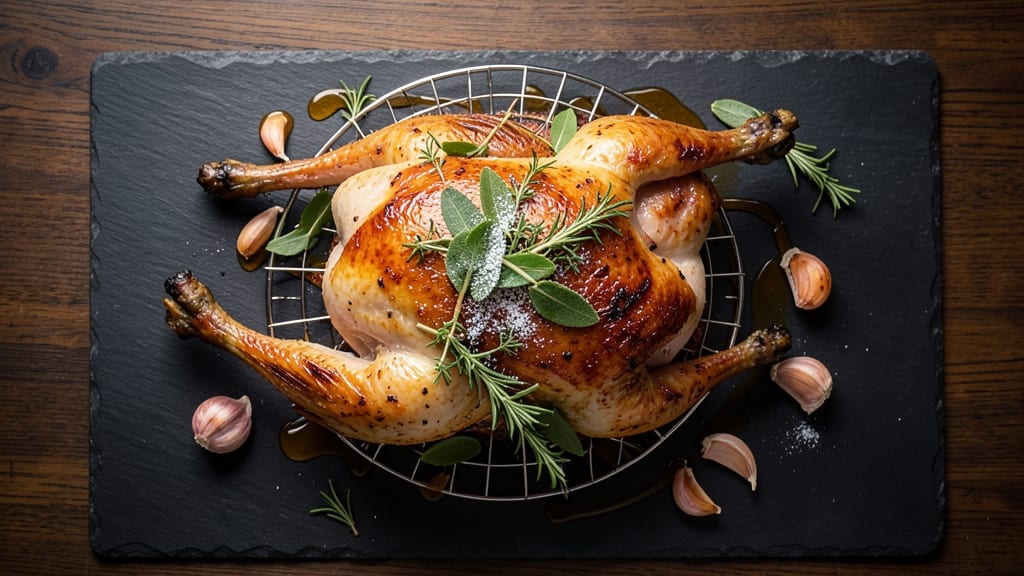
This roast pheasant recipe delivers the kind of crispy golden skin and herb-infused richness that makes game day dinner unforgettable. The secret lies in a precise technique—starting with a dry-brined bird and finishing with a high-heat roast—that transforms tough meat into tender, juicy perfection.
I’ve perfected this method over years of trial and error, ensuring every bite delivers that satisfying contrast between crispy skin and succulent flesh.
What sets this recipe apart is the balance of tradition and simplicity. You’ll truss the pheasant for even cooking, then coat it in a fragrant blend of fresh herbs and aromatics before roasting until the skin turns an irresistible golden brown.
The result? A centerpiece dish that feels restaurant-worthy but is entirely achievable at home, with minimal fuss and maximum impact.
By the time you serve this pheasant, your table will be graced with a bird that’s crispy on the outside, tender on the inside, and infused with layers of savory herb flavor. The golden skin crackles with every bite, while the meat remains juicy and rich—a testament to careful technique.
Pair it with classic sides like roasted root vegetables or a rich red wine gravy for a meal that feels like a celebration.
Whether you’re hosting a special occasion or simply craving a showstopping main course, this recipe delivers professional-quality results with straightforward steps. Let’s get started—your guests won’t believe it’s homemade.
Ingredients for roast pheasant
The perfect blend of fresh herbs, precise technique, and golden-brown perfection for your roast pheasant.
| Ingredient | Amount | Notes |
|---|---|---|
| Whole Pheasant 🦆 | 1 whole | Fresh, giblets removed, trussed |
| Kosher Salt 🧂 | ½ cup | For dry brine, coarse grain |
| Fresh Thyme Leaves 🌿 | ¼ cup | Stemmed, loosely packed |
| Fresh Rosemary Sprigs 🌿 | ¼ cup | Needles only, finely chopped |
| Fresh Sage Leaves 🌿 | ¼ cup | Loosely packed, chopped |
| Garlic Cloves 🧄 | 6 cloves | Minced, for herb paste |
| Extra-Virgin Olive Oil 🫒 | ¼ cup | High quality, fruity |
| Unsalted Butter 🧈 | ½ cup | Cold, cubed, for basting |
| All-Purpose Flour 🌾 | ¼ cup | For coating, sifted |
| Pork Fatback 🥓 | 2 oz | Diced, for crispy skin |
| Fresh Parsley Leaves 🌿 | 0.1 cup | Chopped, for garnish |
| Ground Black Pepper 🌶️ | 1 tbsp | Freshly ground |
| Dried Mustard Powder 🌶️ | 1 tsp | For herb paste |
The pheasant is the star, so source a fresh, high-quality bird from a reputable game supplier or specialty butcher. Costco or Wild Game Stores often carry them seasonally, and always opt for a bird that’s been properly plucked and cleaned. The herbs should be vibrant—fresh thyme, rosemary, and sage from the grocery store’s produce section work, but if they’re wilted or dull, skip them. For the pork fatback, look for thick-cut slices at the meat counter, as they render the best flavor. The dry brine is non-negotiable for tenderness, so use coarse kosher salt—it clings better than table salt and dissolves evenly. If you can’t find fresh sage, dried works at one-third the amount, but fresh is ideal for that aromatic punch.
No fresh herbs? Dried thyme and rosemary can substitute at one-third the quantity, but the flavor won’t be as bright. Short on pork fatback? Substitute with extra butter or duck fat, though the skin won’t be quite as crispy. The mustard powder adds depth—if you’re avoiding it, add an extra 1 tsp of Dijon mustard to the herb paste. For the olive oil, avoid cheap brands—this is where you taste the difference. The butter should be cold and cubed for basting; don’t let it melt prematurely. If you’re trussing the bird, use kitchen twine and tie it snugly to ensure even cooking. The flour is just for coating—don’t skip it, as it helps create that golden crust.
The pheasant can be prepped a day ahead—brine it overnight in the fridge for even more tenderness. Store the herb paste in an airtight container in the fridge for up to 3 days, and the diced fatback can be kept in the freezer for up to 6 months. Once roasted, the pheasant reheats beautifully—cover with foil and warm in a 300°F oven for 10-15 minutes. The leftovers keep for 3-4 days in the fridge, but the skin loses crispiness, so enjoy it fresh. For a showstopping presentation, garnish with fresh parsley just before serving—it adds a pop of color and freshness.
Why You'll Love This Recipe
- Hands-Off Roasting: I swear by this method—just season the bird with salt and herbs, pop it in the oven, and walk away. No basting, no fussing, just that golden crust forming while you sip wine or fold laundry.
- Herb Magic Simmering: Between us, rosemary and thyme turn this pheasant into something ridiculously flavorful with zero effort. The sage leaves add this earthy depth that makes it taste like a restaurant dish, not just dinner.
- Weekend Feast Ready: Honestly, this is my go-to for gatherings—impressive but not pretentious. The leftovers? Even better cold in sandwiches the next day, so you’re basically feeding a crowd twice.
- Budget Game Changer: A whole pheasant stretches farther than you’d think, and the herbs cost pennies. I’ve served this for holidays, date nights, and lazy Sundays—same recipe, always delivers. (Yes, even on a Tuesday night.)
Step-by-step instructions for herb-crusted roast pheasant
Master this technique and you'll achieve restaurant-quality crispy skin while keeping the meat juicy and infused with aromatic herbs.
Prepare the Dry Brine for Maximum Flavor
Place the whole pheasant on a wire rack set over a baking sheet. In a small bowl, combine the 0.5 cup kosher salt with 1 tbsp ground black pepper and 1 tsp dried mustard powder. This dry brine mixture will penetrate the meat deeply, ensuring seasoning throughout.
Generously rub the salt mixture under the skin, between the meat and skin on the breast, and all over the exterior. The salt will draw out moisture initially, but this is essential for developing that signature crispy skin. Place the pheasant uncovered in the refrigerator for 12-24 hours, turning it once halfway through. This extended brining creates a flavor bomb while preparing the skin for perfect browning.
Create the Herb Crust Mixture
In a food processor, finely chop the 0.25 cup fresh thyme leaves, 0.25 cup fresh rosemary sprigs (needles only), and 0.25 cup fresh sage leaves until you achieve a coarse paste. Add the 6 cloves minced garlic and 0.25 cup extra-virgin olive oil, then pulse until combined. This herb mixture will form the flavorful crust that gives this dish its signature richness.
Transfer the herb paste to a small bowl and stir in the 0.25 cup sifted all-purpose flour and 2 oz diced pork fatback. The fatback will render during roasting, creating additional crispiness while the flour helps bind the herb crust to the skin. Keep this mixture at room temperature until ready to use.
Coat and Rest the Pheasant Before Roasting
Remove the pheasant from the brine and pat it completely dry with paper towels—this is absolutely critical for crispy skin. Using your fingers, press the herb crust mixture firmly onto the skin, particularly focusing on the breast and thighs. The crust should adhere well and create a thick, even layer.
Return the coated pheasant to the refrigerator uncovered for 1 hour to allow the crust to set slightly. This resting period ensures the crust will stay intact during roasting rather than sliding off. While it rests, preheat your oven to 425°F with a rack positioned in the lower third of the oven.
Roast for Crispy Skin and Juicy Meat
Transfer the pheasant to the preheated oven and roast for 45 minutes, basting with 0.25 cup melted butter every 15 minutes. The butter will create a glossy finish while adding richness. After 45 minutes, reduce the oven temperature to 375°F and continue roasting for another 30-45 minutes, or until the internal temperature reaches 165°F when measured in the thickest part of the thigh.
You'll know it's done when the skin is deep golden brown and crispy, and the juices run clear when pierced with a meat thermometer. The total roasting time should be about 1 hour 15 minutes to 1 hour 30 minutes, depending on the size of your pheasant. Don't cut into the meat immediately—resting is crucial for juiciness.
Rest and Garnish for Perfect Presentation
Transfer the pheasant to a cutting board and tent loosely with foil. Let it rest for 15-20 minutes before carving. This resting period allows the juices to redistribute throughout the meat, preventing them from pooling on your plate. During this time, melt the remaining 0.25 cup unsalted butter and keep it warm for basting.
When ready to serve, garnish the pheasant with 0.1 cup chopped fresh parsley leaves and brush any accumulated pan juices over the skin. The result should be a pheasant with crispy, golden skin that shatters when you press it, and moist, flavorful meat infused with the aromatic herb crust. Serve with your choice of seasonal vegetables and a simple pan sauce made from the roasting drippings.
Pro Tips For Making Roast Pheasant
- Start High, Finish Low: Blast that pheasant at 425°F (220°C) for the first 20 minutes—this sears the skin and locks in flavor before you drop the heat to 350°F (175°C). I used to roast it at steady low heat, and the skin always came out sad and greasy. High heat first makes all the difference for crispy skin while keeping the meat juicy.
- Salt the Cavity Generously: Stuff the pheasant’s cavity with at least 1 teaspoon of kosher salt along with the herbs—don’t skimp. The salt dissolves into the meat as it roasts, seasoning it from the inside out. I learned this after a dry, bland pheasant that looked pretty but tasted like it needed more love.
- Skip the Overcrowded Pan: If using a sheet pan, place the pheasant directly on the rack or a wire grid—no bed of veggies underneath. Moisture pools at the bottom, turning your crispy skin into a soggy mess. Trust me, I’ve seen it happen, and it’s not pretty.
- Check Doneness with a Thermometer: Pull the pheasant when the thickest part of the thigh hits 165°F (74°C)—no guessing. I’ve had well-done, dry meat because I relied on visual cues instead. A meat thermometer takes the guesswork out and guarantees juicy results every time.
Regional styles of these flavors
French Classic Approach
In France, pheasant is often roasted with a focus on butter basting and white wine reduction for a lighter, more elegant dish. The classic method involves rubbing the bird with mustard and brandy before roasting, then deglazing the pan with dry white wine and reducing it into a glossy sauce.
I like to add shallots and a splash of cream at the end for richness. Serve with haricots verts and roasted potatoes for a refined yet rustic presentation. 🍷
English Game Bird Tradition
British hunters and chefs traditionally prepare pheasant with black pepper, brandy, and a thick gravy made from the roasting juices. The key difference? A longer, slower roast at 325°F for up to 2 hours, which renders fat beautifully for gravy.
I’ve seen recipes call for a splash of port wine in the gravy, along with pearl onions and carrots as classic sides. The result is heartier and more robust than the French version. 🇬🇧
German Forest Style
German hunters often roast pheasant with dark beer and juniper berries, reflecting their forestry traditions. The bird is typically marinated overnight in a mix of dark lager, juniper, and bay leaves, then roasted until the skin is deep amber.
I recommend using a German pilsner for basting during roasting—its maltiness pairs perfectly with the gamey flavor. Serve with red cabbage and dumplings for a hearty, autumnal meal. 🍺
American South Herb Crust
In the American South, pheasant is often treated like a turkey substitute but with a Southern herb twist. The recipe I grew up with calls for a thick crust of sage, thyme, and pecans (instead of pork fatback) for extra crunch.
The bird is roasted with apple cider basted over it, and the pan drippings are reduced with bourbon for a sweet-spicy glaze. Pair it with cornbread stuffing and collard greens for a true Southern feast. 🌽
Scandinavian Wood-Fired Method
Nordic chefs often roast pheasant over birch or oak wood in a cast-iron Dutch oven, creating a smoky depth that’s hard to replicate in a home oven. The bird is rubbed with aquavit (a Scandinavian herbal liqueur) and lingonberry jam before roasting.
I’ve adapted this by using applewood chips in my oven and basting with lingonberry reduction. Serve with potato pancakes and cranberry sauce for a festive touch. 🔥
Modern Fusion Twist
For a contemporary take, I’ve experimented with Korean-inspired pheasant—marinating the bird in gochujang, sesame oil, and garlic, then roasting and finishing with a sesame glaze. The result is a sweet-spicy contrast that surprises guests.
Pair it with kimchi and steamed jasmine rice for a fusion that feels fresh yet familiar. This version works especially well for adventurous eaters. 🌶️
Nutrition facts
Frequently asked questions
How do I know when a pheasant is fully cooked?
Use a meat thermometer to check the internal temperature in the thickest part of the thigh—it should reach 165°F. The skin should also be deep golden brown and crispy, and the juices should run clear when pierced.
Can I substitute pork fatback in the herb crust?
Yes! For a vegetarian option, use extra butter or duck fat instead of pork fatback. The crust will still crisp up, though pork fatback adds a unique richness.
How far ahead can I prep the pheasant?
You can dry-brine the pheasant up to 24 hours ahead and store the herb paste in the fridge for 3 days. The diced fatback can even be frozen for 6 months. Just let everything come to room temperature before roasting.
Why does my pheasant skin stay pale instead of crispy?
Pale skin usually means moisture wasn’t properly drawn out. Pat the bird completely dry after brining, and ensure your oven rack is in the lower third for even heat circulation. A 425°F start helps crisp the skin faster.
What’s the best way to reheat leftover pheasant?
Cover loosely with foil and warm in a 300°F oven for 10-15 minutes. Avoid microwaving—it makes the skin soggy. For extra crispiness, broil for 2-3 minutes at the end.