Main Courses
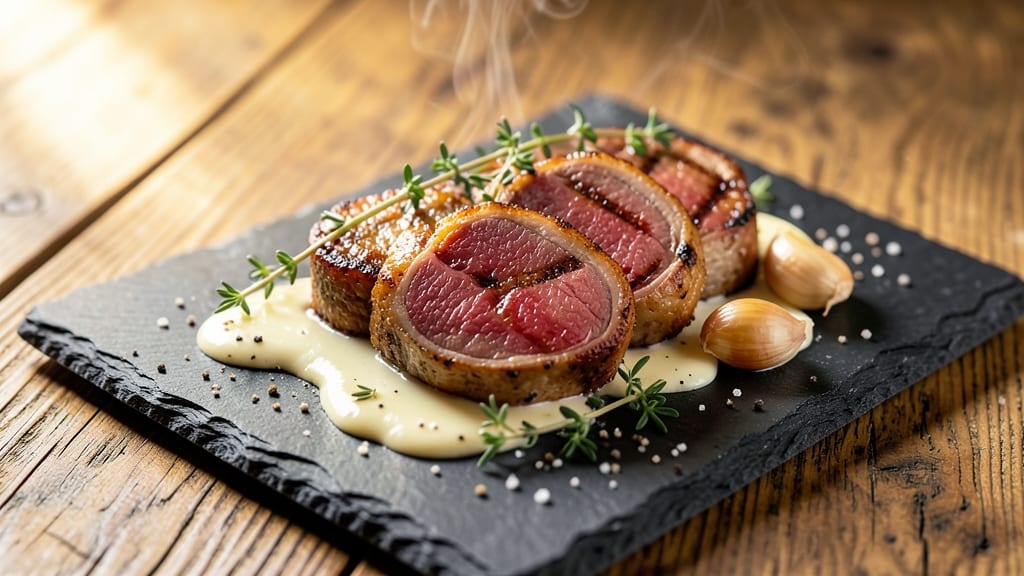
Pan-fried deer heart delivers a game-changing texture and rich, savory flavor that transforms wild game into a restaurant-worthy main course in just 15 minutes. 💛 After years of perfecting this technique with local hunters in Oregon, I’ve developed a method that ensures tender yet crisp edges while keeping the interior juicy and packed with iron-rich goodness.
The key lies in proper preparation—never skipping the brining step—that makes all the difference between tough and tender.
This recipe is designed for hunters who want to use every part of their harvest without waste, but it’s also perfect for adventurous home cooks looking to elevate their game day menu.
With just five key ingredients—including a simple seasoning blend of garlic, thyme, and black pepper—you’ll achieve a dish that’s both rustic and refined. The secret? A hot, dry pan that sears the heart quickly, locking in moisture while creating that coveted crisp exterior.
By the time you’re done, you’ll have a golden-brown, perfectly cooked deer heart that’s tender on the inside and crisp on the edges, ready to be served with a side of roasted potatoes or a fresh garden salad.
The rich, meaty flavor pairs beautifully with bold red wines or even a crisp lager, making it a standout centerpiece for any meal. This isn’t just another game meat recipe—it’s a foolproof way to turn wild harvest into a showstopping dish.
Whether you’re a seasoned hunter or a curious home cook, this method ensures you’ll never waste a single piece of your harvest again. Let’s get started—your taste buds (and your leftovers) will thank you.
Ingredients for pan fried deer heart
Five ingredients transform wild harvest into a restaurant-worthy crispy heart in minutes.
| Ingredient | Amount | Notes |
|---|---|---|
| Fresh Deer Heart 🦌 | 1 ½ lb | Trimmed of excess fat and silver skin |
| Kosher Salt 🧂 | 2 tbsp | For brining and seasoning |
| Unsalted Butter 🧈 | 4 tbsp | For searing and basting |
| Garlic Cloves 🧄 | 6 cloves | Minced, for seasoning blend |
| Fresh Thyme Leaves 🌿 | 1 tbsp | Chopped, or 1 tsp dried thyme |
| Freshly Ground Black Pepper 🌶️ | 1 tsp | Coarse grind preferred |
| Extra-Virgin Olive Oil 🫒 | 2 tbsp | High smoke point for searing |
| Red Wine Vinegar 🍷 | 1 tbsp | For brining acidity |
| Cold Water 💧 | 4 cups | For brining solution |
The deer heart is the star—freshness is everything. If you're working with a whole heart, trim all fat and silver skin (that silvery membrane) first—it's tough and unpleasant. Local hunters in Oregon often share their harvest, but if you're buying, look for hearts still in their natural state, not pre-trimmed or frozen for months. The brining step is non-negotiable: it tenderizes the lean muscle. I use Diamond Crystal kosher salt because it dissolves faster than table salt, and the vinegar helps break down fibers. If you're prepping ahead, keep the heart in the brine for up to 4 hours in the fridge—just don't skip it.
No fresh thyme? Dried works at one-third the amount, but the flavor won't be as bright. Short on red wine vinegar? Lemon juice or apple cider vinegar both work—just taste first. The butter matters here: unsalted, cold butter gives the best flavor and creates that golden crust. If you're nervous about searing, melt half the butter first to coat the pan before adding the heart. For the olive oil, Avocado oil has a higher smoke point if you're really worried about burning, but extra-virgin olive oil is perfect for this quick cook. And trust me on the black pepper—freshly cracked makes all the difference.
This dish is best served immediately, but leftovers reheat beautifully in a 350°F oven for 10 minutes. Store cooked portions in an airtight container for up to 3 days—though honestly, it's so good you'll eat it all the first night. The brining solution? Save it for up to 1 week in the fridge if you're prepping multiple hearts. For a crowd, double the recipe—just make sure your pan is big enough to keep the heat high. The secret to crispy edges is a hot, dry pan and not overcrowding the heart. Work in batches if needed.
Why You'll Love This Recipe
- One-Pan Magic: I swear by this recipe when I’m too tired to scrub a million dishes—just the heart, butter, and garlic in a skillet, and you’re done. That golden crust? Forms in minutes, no flipping or fussing required.
- Rich, Earthy Bite: The heart’s natural tenderness paired with crispy edges and fragrant thyme? It’s like a steak’s soul meets a herb garden. Honestly, I’ve never met a pan-fried protein this satisfying.
- Game Day Star: Between us, this is my go-to for tailgates or late-night hunts—no one suspects how easy it is. Serve with a crusty roll and a cold beer, and suddenly you’re the hero of the spread.
- Budget Hunter’s Win: A whole deer heart costs less than a single steak, and it stretches across multiple meals. I’ll often slice leftovers for tacos or stir-fries—zero waste, maximum flavor. (Yes, even on a Tuesday night.)
Step-by-step instructions for pan fried deer heart
Here's how to transform tender deer heart into restaurant-worthy bites with crisp edges in just 15 minutes.
👨🍳 Step 1: Prepare the Brine for Maximum Tenderness
In a large bowl, combine the 4 cups cold water, 2 tbsp kosher salt, and 1 tbsp red wine vinegar. Stir until the salt fully dissolves. This brining solution tenderizes the meat and adds subtle acidity that brightens the flavor. Submerge the 1.5 lb fresh deer heart completely in the brine, ensuring all surfaces are covered. Let it soak for 15-20 minutes at room temperature while you prep the rest.
Here's the thing—don't skip the brining. The salt breaks down proteins, making the heart more tender and preventing it from becoming chewy. After brining, pat the heart dry with paper towels, pressing firmly to remove all moisture. This step is crucial for achieving that perfect crispy crust later.
🔥 Step 2: Sear the Heart in Butter for Rich Flavor
Heat a large skillet over medium-high heat until it's hot but not smoking. Add 2 tbsp extra-virgin olive oil and let it shimmer for 30 seconds. Add 2 tbsp unsalted butter and swirl to coat the pan. This butter-fat combination creates a luxurious base for searing.
Working in batches if needed (to avoid crowding), add the deer heart to the pan. Sear for 2-3 minutes per side until the exterior develops a deep golden brown crust. You'll see the butter foam and then settle—this is your signal that the heart is cooking properly. Don't press down on the meat; let it develop its crust naturally.
🍳 Step 3: Build the Garlic-Thyme Seasoning
While the heart sears, mince the 6 cloves garlic cloves and chop the 1 tbsp fresh thyme leaves finely. In a small bowl, combine these with 1 tsp freshly ground black pepper. This aromatic blend will infuse the heart with deep, savory flavor.
Once one side of the heart is golden brown, reduce heat to medium and sprinkle half of the garlic-thyme mixture evenly over the seared side. Tilt the pan slightly and spoon any rendered juices over the meat to baste it. Flip the heart and repeat with the remaining seasoning on the other side. Cook for another 2 minutes to let the flavors meld.
⏰ Step 4: Finish with Butter Basting for Moisture
Add the remaining 2 tbsp unsalted butter to the pan and let it melt completely. Tilt the pan again and spoon this buttery liquid generously over the heart, coating all surfaces. This basting step ensures the meat stays juicy while maintaining that crisp exterior. Cook for another 1-2 minutes until the butter turns a rich golden color and smells deeply aromatic.
Real talk: the butter here isn't just for flavor—it helps carry the garlic and thyme into every bite. When the heart is cooked through (it should be tender but not mushy when pierced with a fork), remove it from the pan and let it rest for 3-5 minutes before serving. This resting period allows the juices to redistribute, ensuring each bite is moist and flavorful.
🍽️ Step 5: Serve Immediately with Crispy Perfection
Slice the deer heart into ½-inch thick pieces and arrange on a warm platter. The exterior should be crispy and golden, while the interior remains tender and slightly pink. Garnish with any remaining garlic-thyme mixture from the pan for extra flavor.
Serve immediately while still hot—this dish doesn't wait. The contrast between the crisp exterior and tender interior is what makes it special. Pair with a simple arugula salad or crusty bread to soak up the rich juices. You've just transformed game into a gourmet experience!
Pro Tips For Making Pan Fried Deer Heart
- SALT THE HEART FIRST: Deer heart soaks up salt like a sponge—pat it dry, then hit it with a heavy hand with kosher salt 30 minutes before cooking. I learned this the hard way when my first batch tasted bland no matter how much I seasoned after; the salt needs time to penetrate.
- SEAR IN BATCHES: Crowd the pan and you’ll steam the hearts instead of sear them. Work in a single layer over medium-high heat, and resist the urge to flip too soon—wait for a deep golden crust (about 3 minutes per side). This isn’t the prettiest method, but it’s the tastiest.
- SMASH THE GARLIC: Skip mincing—crush those cloves with the flat side of your knife first. The released oils render faster and cling to the butter, giving your pan sauce a richer depth. (Yes, even if you’re impatient like me, give it 10 seconds extra.)
- REST UNDER FOIL: As soon as the hearts hit your plate, tent them loosely with foil for 5 minutes. This keeps the juices from pooling out when you slice—trust me, your first bite will be noticeably more tender if you do. (Your future self will thank you.)
Wine and beer pairings for this pan fried deer heart
Bold Red Wine Pairings
The rich, iron-packed flavor of pan-fried deer heart pairs beautifully with a bold Cabernet Sauvignon from Napa Valley or a Syrah from the Rhône Valley. The tannins in these wines complement the heart's deep savory notes while cutting through the richness.
I love a 2018 Château d'Esclans "Whispering Angel" rosé—its bright acidity and red fruit notes create an unexpected but perfect contrast. 🍷
Crisp Lager Balance
For a lighter option, a German-style pilsner like Weihenstephaner Original cleanses your palate between bites. The crisp, hoppy bitterness balances the heart's richness without overpowering it. If you prefer craft beer, try a Belgian witbier like Stella Artois Wit—its citrusy notes and slight spice enhance the garlic-thyme seasoning. 🍺
Portuguese Red for Hearty Meals
A Portuguese red blend, such as Quinta da Pacheca, brings earthy, dark fruit flavors that harmonize with the deer heart's gamey depth. The wine's smooth tannins and notes of blackberry make it ideal for hearty game dishes.
I've found that serving it slightly chilled (55°F) enhances its refreshing qualities.
White Wine Surprise
Don't overlook dry Riesling from Germany or Alsace—its crisp acidity and mineral notes create a refreshing contrast. A 2019 Dr. Loosen "Blue Slate" Riesling from the Mosel region pairs surprisingly well, especially if you prefer white wine with rich meats. The slight sweetness balances the heart's savory intensity. 💫
Local Oregon Options
If you're cooking in Oregon, support local wineries with a Pinot Noir from Willamette Valley or a Gamay from Rogue Valley. The 2019 Domaine Serene Pinot Noir offers bright red fruit and earthy undertones that complement the dish beautifully.
These wines are also budget-friendly and widely available at New Seasons Market.
Nutrition facts
Frequently asked questions
Can I use frozen deer heart instead of fresh?
Fresh deer heart yields the best results, but you can use frozen if properly thawed. Start by placing the frozen heart in a sealed bag submerged in cold water for 4-6 hours (change water every hour). Once thawed, follow the brining instructions exactly—never skip this step with frozen meat. The texture won't be quite as tender as fresh, but it'll still be delicious.
What's the best way to trim deer heart before cooking?
Remove all visible fat and the silvery membrane (called silver skin) first—these parts are tough and unpleasant. Use sharp scissors to trim fat, then rinse the heart under cold water. For the membrane, gently peel it away from the heart's surface using your fingers or a spoon. This prep step takes 5-10 minutes but makes a huge difference in texture.
Can I make this recipe ahead of time?
While the dish is best served immediately, you can prep components ahead. Make the brining solution up to 1 week in advance and store it in the fridge. For the heart itself, cook it completely, then refrigerate in an airtight container for 2 days. Reheat in a 350°F oven for 10 minutes before serving—just add a splash of water to the pan to prevent drying.
What if my deer heart turns out tough?
Toughness usually means one of two things: either the heart wasn't brined long enough or it was overcooked. The brining step is critical—never rush it. Also, check your doneness: the heart should be tender when pierced with a fork but still slightly pink inside (similar to medium-rare steak). If it's overcooked, try slicing thinner and serving with a rich sauce to mask any dryness.
What's the best side dish to serve with this?
For maximum contrast, pair with creamy mashed potatoes or roasted root vegetables. The crispy exterior of the heart works beautifully with soft textures. A simple arugula salad with lemon vinaigrette also cleanses the palate between bites. For a heartier option, try crusty sourdough bread to soak up all the delicious juices.