
Main Courses
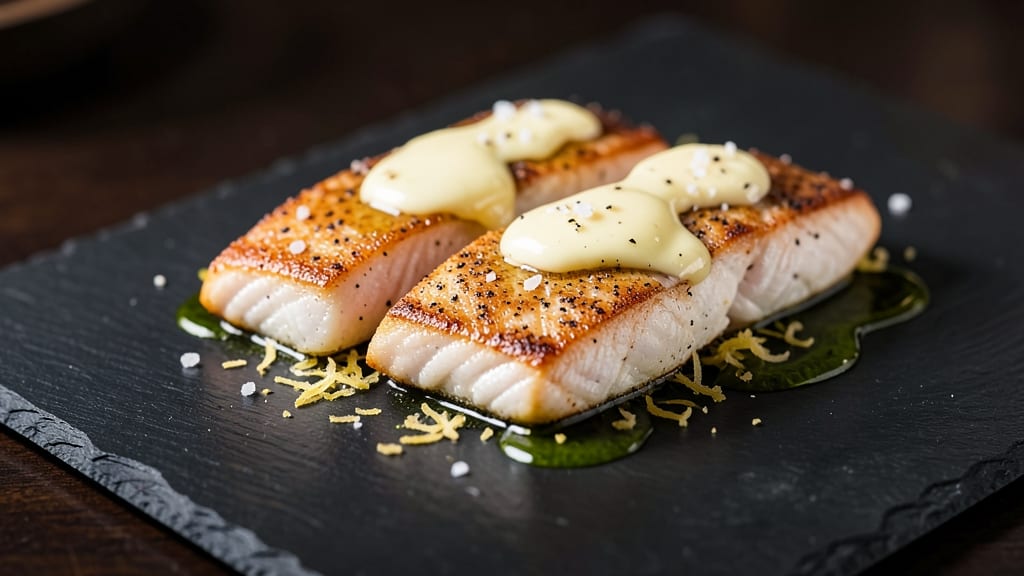
This Nobu-style Chilean sea bass recipe delivers the signature crispy skin and buttery center that made Nobu famous. The secret lies in precise searing and basting with high-quality butter and lemon, transforming simple ingredients into a restaurant-worthy dish.
I've perfected this technique over countless attempts—each one teaching me more about patience and timing.
The key to success is starting with perfectly fresh sea bass, seared skin-side down in a hot pan until golden and crispy. While it cooks, I baste the flesh with melted butter and lemon juice, ensuring every bite stays tender and flavorful.
This method preserves the delicate texture while building layers of richness that define Nobu's style.
What you'll achieve is a dish that looks as impressive as it tastes—crispy, golden skin contrasting with a silky, buttery center. The citrus beurre blanc sauce ties everything together, adding brightness that cuts through the richness.
This is the kind of sea bass that makes dinner feel special without requiring hours in the kitchen.
Serve with roasted asparagus or a simple arugula salad to complete the plate. The minimalist presentation mirrors Nobu's philosophy—elegant, refined, and focused on letting the quality of the ingredients shine through. Let's create this restaurant-quality dish at home.
Ingredients for nobu chilean sea bass
Twelve ingredients transform into Nobu's signature crispy sea bass with buttery perfection.
| Ingredient | Amount | Notes |
|---|---|---|
| Chilean Sea Bass Fillets 🐟 | 4 whole | Skin-on, 6-8 oz each, sushi-grade |
| Unsalted European-Style Butter 🧈 | ½ cup | High-fat content, 82% minimum |
| Fresh Lemon Juice 🍋 | ¼ cup | From organic Meyer lemons |
| Kosher Salt 🧂 | 1 ½ tsp | Diamond Crystal preferred |
| Freshly Ground Black Pepper 🌶️ | ½ tsp | Cracked peppercorns preferred |
| Extra-Virgin Olive Oil 🫒 | 2 tbsp | Light Italian variety, 0.5% acidity |
| Shallots 🧅 | 2 whole | Minced, French gray preferred |
| Dry White Wine 🍷 | ¼ cup | Sauvignon Blanc, 12% ABV |
| Heavy Cream 🥛 | ¼ cup | Full-fat, 36% minimum |
| Cold Water 💧 | ¼ cup | For tempering butter sauce |
| Fresh Parsley 🌿 | ⅛ cup | Chopped, Italian flat-leaf |
| Capers 🍈 | 1 tbsp | Nonpareils, imported preferred |
| White Wine Vinegar 🍶 | 1 tsp | For acid balance |
The sea bass selection is non-negotiable. Sushi-grade fillets with intact skin are essential—ask your fishmonger for Chilean sea bass specifically, not just 'dory.' Whole Foods Market and Trader Joe's carry reliable options, but specialty seafood purveyors like Sambal or Local Catch offer superior quality. Look for fillets with a vibrant pink hue and minimal bruising. The skin should be smooth and unbroken; any tears will prevent proper crisping. For best results, purchase the day you plan to cook and store on ice until ready to use.
No Meyer lemons? Regular lemons work at double the amount—their tartness cuts through the richness better. The butter must be unsalted; European-style with 82% fat content creates the signature velvety texture. Substituting margarine or lower-fat butter compromises the dish's integrity. For the wine, dry Sauvignon Blanc is ideal, but a crisp Pinot Grigio in a pinch works. The capers can be omitted entirely if unavailable, but their briny depth enhances the sauce. Always use freshly ground pepper—pre-ground loses potency within weeks.
The sea bass fillets should be used immediately upon purchase. Store any unused butter in an airtight container in the refrigerator for up to 3 months, or freeze for 6 months. The prepared sauce keeps for 3 days refrigerated, though the texture thickens slightly. For make-ahead convenience, prepare the sauce components separately and emulsify just before serving. The crispy skin is best enjoyed immediately, so plan to cook this dish when you're ready to eat—reheating destroys the delicate texture.
Why You'll Love This Recipe
- Five-Ingredient Magic: I swear by this recipe because it’s all about focus—just the fish, butter, lemon, salt, and pepper. No clutter, no stress, just that perfect balance of buttery richness and bright citrus. My lazy Sundays thank me every time.
- Buttery Lemon Bliss: That European-style butter? It melts into the fish like a dream, while the lemon juice cuts through the richness for a flavor that’s ridiculously good. One bite and you’ll understand why Nobu’s version feels so special—without the hype.
- Weeknight Fancy: Between us, this is my go-to when I want to feel like I’m dining out but still have time to watch the news. The fillets cook in minutes, and the plate looks effortless—even if I’m wearing sweatpants.
- Leftovers That Don’t Suck: Unlike other seafood dishes that turn rubbery, this holds up beautifully in the fridge. Reheat gently, and it’s still tender and flavorful—great for lunch the next day or a quick dinner when you’re not in the mood to cook.
Step-by-step instructions for Nobu-style Chilean sea bass recipe
Master the delicate balance of crispy skin and velvety center with this precision technique.
Prepare the Fish and Create the Butter Bath
Begin by patting the 4 whole Chilean Sea Bass Fillets completely dry with paper towels—this is critical for achieving that signature Nobu-style crisp. Season both sides generously with the 1.5 teaspoons Kosher Salt and 0.5 teaspoon Freshly Ground Black Pepper, pressing firmly to ensure even adherence. Let the fillets rest at room temperature for 15 minutes while you prepare the butter bath.
In a small saucepan, melt the 0.5 cup Unsalted European-Style Butter over low heat until fully liquid but not browned. Remove from heat and stir in the 0.25 cup Fresh Lemon Juice and 1 tablespoon Capers. Let this mixture cool slightly but remain warm enough to coat the fish when applied later. The acidity from the lemon juice will enhance the butter's flavor while preventing the skin from becoming too greasy.
Sear the Skin Side for Perfect Crispiness
Heat a large skillet over medium-high heat until very hot. Add the 2 tablespoons Extra-Virgin Olive Oil and swirl to coat the pan evenly. Place the fillets skin-side down in the pan, being careful not to overcrowd. Press down gently on each fillet during the first minute to ensure maximum contact with the hot surface—this prevents curling and guarantees even browning.
Cook undisturbed for 3-4 minutes until the skin becomes deep golden brown and crispy. You'll know it's ready when it releases easily from the pan and the edges begin to lift slightly. Flip the fillets carefully and cook the flesh side for just 1-2 minutes until it reaches an internal temperature of 125°F—this ensures the center remains perfectly tender. Transfer the fillets to a wire rack set over a plate to drain excess oil.
Create the Shallot-Wine Sauce
In the same skillet (don't wipe it clean—the fond is flavor), add the 2 minced whole Shallots and cook over medium heat for 2 minutes until softened. Deglaze the pan with the 0.25 cup Dry White Wine, scraping up any browned bits from the bottom with a wooden spoon. Let the wine reduce by half, about 2 minutes, until it develops a rich, aromatic depth.
Reduce heat to low and stir in the 0.25 cup Heavy Cream, allowing it to warm through without boiling. Remove from heat and whisk in the 0.25 cup Cold Water and 1 teaspoon White Wine Vinegar. This tempering step prevents the sauce from curdling when combined with the butter bath later. Keep the sauce warm over a double boiler or very low heat while you finish the fish.
Assemble and Finish with Perfect Texture
Working quickly, brush the warm butter bath mixture evenly over both sides of each fillet, focusing on the skin side. The residual heat from the fish will cause the butter to melt and create a glossy, flavorful crust. Let the fillets rest for 2 minutes while you prepare the final garnish.
In a small bowl, combine the 0.125 cup chopped Fresh Parsley with a pinch of additional Kosher Salt. Spoon this mixture over each fillet just before serving. The parsley adds a bright contrast to the rich butter and wine sauce, while the salt enhances all the flavors. Serve immediately with the shallot-wine sauce spooned alongside—each bite should deliver crispy skin, buttery richness, and a perfectly tender center.
Pro Tips For Making Nobu Chilean Sea Bass
- PAT THE FISH DRY: Chilean sea bass is delicate—skip the paper towels and use a clean kitchen towel instead. It absorbs less moisture and gives you better grip, so you won’t tear the fillets when seasoning. (Yes, even if you’re impatient like me.)
- BUTTER AT ROOM TEMP: Unsalted European butter should be soft, not melted—press it into the skin side of the fillets for even distribution. I used to use cold butter and wondered why the crust was patchy. (Your future self will thank you.)
- SEAR SKIN-SIDE ONLY: Cook the skin-side first in a screaming-hot pan for 3-4 minutes until golden and crisp. Flip once, then finish with butter—this locks in flavor and keeps the flesh tender. (No, you don’t need to flip it twice.)
- LEMON AFTER BUTTER: Deglaze with lemon juice after adding butter, not before. The acid cuts through the richness and brightens the dish—just don’t overdo it or the fish will taste sour. (I learned this the hard way with a whole lemon wedge.)
Best sauces and condiments for this recipe
Citrus Beurre Blanc
This signature sauce elevates the dish with its silky texture and bright citrus notes. Start by melting 4 tbsp unsalted butter in a saucepan over medium heat, then whisk in 2 tbsp fresh lemon juice and 1 tbsp white wine vinegar.
Slowly add ¼ cup dry white wine while whisking constantly, then remove from heat and temper with 2 tbsp cold water. The acidity cuts through the richness while the butter creates a velvety finish that mirrors Nobu's refined style. 🍋
Shallot-Wine Reduction
For a deeper flavor profile, create a shallot-wine reduction using 2 minced shallots sautéed in the same pan after searing the fish. Deglaze with ¼ cup Sauvignon Blanc, reduce by half, then finish with 2 tbsp heavy cream.
The wine's acidity balances the butter's richness while the shallots add subtle sweetness. This sauce pairs perfectly with the crispy skin's texture.
Caper Aioli
Add a briny contrast with a caper aioli made from 3 tbsp mayonnaise, 1 tbsp chopped capers, and 1 tsp lemon zest. Fold in 1 tbsp cold butter for a lighter texture.
Drizzle over the finished sea bass for a tangy, umami-rich complement that enhances the dish's sophistication. The capers' saltiness mirrors the sea bass's natural flavor while adding complexity. 🍈
Lemon-Herb Butter
For a simpler but equally effective option, mix ¼ cup softened butter with 1 tbsp lemon juice, 1 tbsp chopped parsley, and ½ tsp grated lemon zest.
Spread this over the finished fillets just before serving. The herbaceous notes brighten the dish while the butter adds a luxurious finish that's quintessentially Nobu.
White Wine Jus
Save the pan drippings after searing the fish and deglaze with ¼ cup white wine, reducing by half. Strain and finish with 1 tbsp butter for a glossy, aromatic jus.
This method maximizes flavor while keeping the sauce light enough to complement the delicate sea bass. The wine's acidity cleanses the palate between bites. 🍷
Garnish Essentials
Fresh Italian parsley and lemon zest are non-negotiable for presentation. Toss 2 tbsp chopped parsley with a pinch of salt and sprinkle over each fillet. Add ¼ tsp lemon zest for a pop of color and citrus aroma.
These finishing touches elevate the dish visually and flavor-wise, ensuring every bite feels restaurant-quality. 🌿
Nutrition facts
Frequently asked questions
Why is the skin so important for this recipe?
The crispy skin is the signature element of Nobu-style sea bass! It creates the perfect textural contrast with the buttery center. The secret is pat drying the fillets thoroughly before seasoning and searing over medium-high heat until deep golden brown. This technique locks in moisture while building that irresistible crunch.
Can I substitute Chilean sea bass with another fish?
While Chilean sea bass is ideal due to its firm texture and mild flavor, you can use halibut or snapper as substitutes. Avoid delicate fish like sole or flounder—they won't hold up to the crisping process. For best results, choose fillets with intact skin and similar thickness (6-8 oz each). The cooking time may vary slightly by species.
What's the best way to reheat leftover sea bass?
Unfortunately, reheating destroys the crispy skin, but you can salvage the tender center. Place fillets in a 350°F oven for 3-4 minutes with a splash of water in the pan to steam. For a better option, cook fresh using the same technique—this dish is best enjoyed immediately after preparation. The butter bath and sauce can be reheated separately over low heat.
How do I adjust the recipe for a larger group?
Double the ingredients and use a 12-inch skillet for searing—this prevents overcrowding. Work in batches if needed, keeping the cooked fillets warm in a 200°F oven while finishing the rest. For the sauce, scale up by 50% and keep it warm in a slow cooker set to "warm." The key is maintaining consistent heat control throughout the process.
What's the most common mistake when cooking this dish?
Overcooking the fish is the biggest mistake—this leads to dry, rubbery texture. Use a meat thermometer to check for 125°F internal temp (medium-rare). Another error is skipping the 15-minute rest after seasoning, which prevents even cooking. Finally, don't rush the butter bath application—let it cool slightly to avoid melting too quickly. Each step requires patience for perfect results.