
Snacks
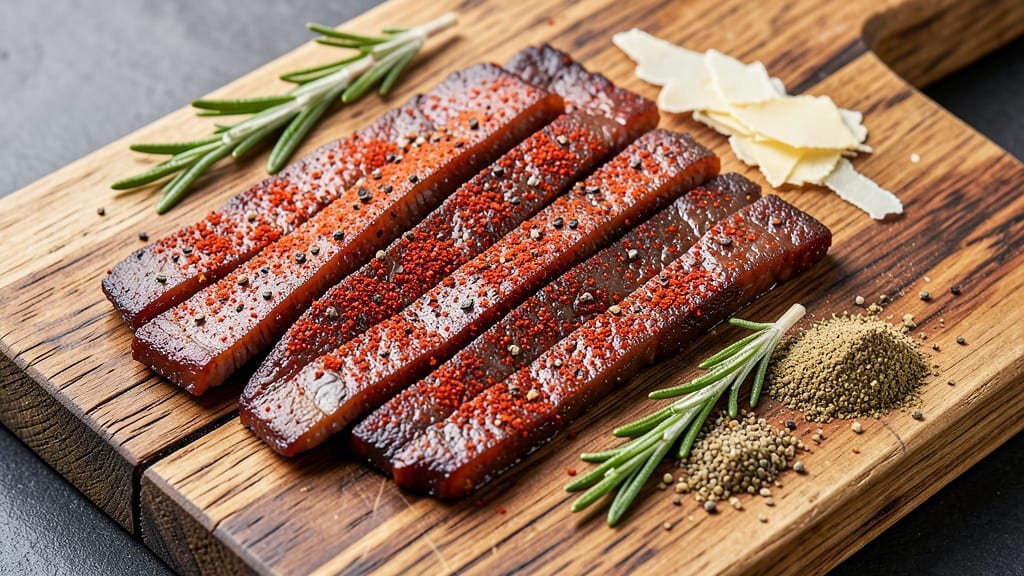
Making no-sugar beef jerky that’s packed with smoky flavor and satisfying chew is simpler than you’d expect—no refined sugar needed. This method transforms lean beef into a protein-rich snack with bold spices and natural sweetness from monk fruit or erythritol, all while keeping it safe to store for months.
The key lies in precise slicing, a balanced marinade, and controlled drying to lock in flavor without moisture.
What sets this recipe apart is the 3-hour process that delivers restaurant-quality results at home. You’ll need just a few pantry staples: high-quality beef, a blend of spices (smoked paprika, garlic powder, and black pepper), and a sugar substitute to enhance umami without the sugar crash.
The marinade infuses deeply, while the drying method—whether oven or dehydrator—ensures a perfect chewy texture every time.
By the end, you’ll have smoky, spice-infused jerky with a clean taste and satisfying bite, ideal for snacks, hiking, or meal prep. The absence of sugar doesn’t mean sacrificing flavor—just a deeper, more complex profile that stands out.
Whether you’re avoiding sugar for health reasons or simply craving a bold, no-frills snack, this method delivers.
For those with dietary restrictions, this recipe easily adapts to keto, paleo, or diabetic-friendly needs while still satisfying even the pickiest jerky lovers. Let’s get started with a step-by-step guide that ensures foolproof results every time.
Ingredients for no sugar beef jerky
Lean beef, bold spices, and natural sweeteners transform into restaurant-quality jerky without refined sugar.
| Ingredient | Amount | Notes |
|---|---|---|
| Lean Beef Top Round 🥩 | 2 lb | Thinly sliced against grain, 1/4-inch thick |
| Smoked Paprika 🌶️ | 2 tbsp | High-quality, non-GMO preferred |
| Garlic Powder 🧄 | 1 tbsp | Freshly ground for optimal flavor |
| Black Pepper 🌶️ | 1 tbsp | Freshly cracked for potency |
| Ground Cumin 🌿 | 1 tbsp | Toasted for deeper aroma |
| Onion Powder 🧅 | 1 tbsp | Finely ground for smooth texture |
| Monk Fruit Sweetener 🍯 | ¼ cup | Granulated, sugar-free alternative |
| Apple Cider Vinegar 🍎 | ¼ cup | Raw, unfiltered preferred |
| Worcestershire Sauce 🍶 | 1 tbsp | Gluten-free if needed |
| Salt 🧂 | 1 tbsp | Diamond Crystal kosher preferred |
| Liquid Smoke 🔥 | ½ tbsp | Food-grade, hickory flavor |
| Ground Cayenne Pepper 🌶️ | ½ tsp | Adjust for heat preference |
| Black Liquorice Root Powder 🍃 | ½ tsp | Optional, for depth of flavor |
| Water 💧 | 1 cup | Filtered for best results |
The lean beef top round is non-negotiable for texture—look for well-marbled cuts at Whole Foods or your local butcher shop. Pre-sliced packages from Costco or Sam's Club save time, but slicing against the grain yourself ensures a perfect chew. Freshly ground spices like smoked paprika and cumin from Penzeys Spices elevate flavor beyond store-bought blends. Monk fruit sweetener, available at Trader Joe's or health food stores, provides sweetness without the sugar crash, while apple cider vinegar from Bragg adds tang and preservation properties.
No monk fruit? Erythritol works equally well, though the flavor profile differs slightly. Substitute liquid stevia at half the quantity, but expect a more bitter aftertaste. Short on Worcestershire? Coconut aminos mimic the umami depth, though the flavor won’t be identical. For a smokier profile without liquid smoke, add an extra 1/2 tbsp of smoked paprika>. The black liquorice root powder is optional but adds a sophisticated depth—omit if you prefer a cleaner taste. Always measure spices by weight for consistency, especially when scaling recipes.
Store the marinade in an airtight container in the fridge for up to 5 days, though it’s best used fresh. Sliced beef can marinate for 12-24 hours in the refrigerator before drying, but longer marinating risks over-softening the meat. Once dried, store jerky in a vacuum-sealed bag or airtight container with a desiccant packet to maintain crispness for 6-12 months at room temperature. For optimal texture, avoid refrigerating the finished jerky—moisture is the enemy of that perfect chew.
Why You'll Love This Recipe
- No-Fuss Prep: The beef slices just need a quick trim—no fancy cuts, no peeling, no chopping. I slice the top round against the grain while chatting with my dog, and boom, ready to go.
- Smoky Kick: That smoked paprika? It’s the star. Deep, earthy, with just enough garlic and cumin to make your taste buds wake up. Honestly, it’s the kind of flavor that lingers—like a good memory.
- Snack Attack: Perfect for hiking, lunchboxes, or when you’re staring at an empty fridge at 3 PM. I keep a batch in the freezer for those moments when I need something fast but still feel like a real meal.
- Budget Hero: Lean beef on sale? Grab it. A handful of spices? You already have them. This jerky costs me pennies per serving, and it lasts for weeks—no waste, no guilt, just pure protein power.
Step-by-step instructions for smoky spice-infused beef jerky
Mastering this sugar-free jerky requires precision in slicing and marinating for maximum flavor and texture.
Prepare the Beef with Surgical Precision
Begin by slicing the 2 lb lean beef top round against the grain into strips exactly ¼-inch thick. Use a sharp boning knife and work methodically—uneven thickness leads to inconsistent drying. As you slice, arrange the strips in a single layer on a baking sheet lined with parchment paper. This prevents overlapping and ensures even exposure to the marinade.
Place the sliced beef in a large resealable plastic bag designed for food storage. The bag's flexibility makes mixing easier than a rigid container. Here's the thing—don't skip this step. Thin, even slices are non-negotiable for properly chewy jerky that doesn't turn out tough or rubbery.
Create the Sugar-Free Marinade
In a medium bowl, combine the 0.25 cup monk fruit sweetener, 0.25 cup apple cider vinegar, 1 tbsp Worcestershire sauce, 0.5 tbsp liquid smoke, 0.5 tsp ground cayenne pepper, and 0.5 tsp black liquorice root powder. Whisk vigorously until the sweetener fully dissolves—any undissolved granules will create bitter spots on the jerky. This blend delivers the signature sweetness without sugar while adding depth through the vinegar's tang and liquid smoke's smokiness.
Next, incorporate the dry spices: 2 tbsp smoked paprika, 1 tbsp garlic powder, 1 tbsp black pepper, 1 tbsp ground cumin, 1 tbsp onion powder, and 1 tbsp salt. Mix until the spices are evenly distributed throughout the liquid. The combination of these spices creates a complex flavor profile that mimics traditional sugar-based jerky while keeping it sugar-free. Pour the 1 cup water into the bowl and stir once more to combine all ingredients thoroughly.
Marinate for Maximum Flavor Absorption
Pour the marinade over the beef strips in the plastic bag, ensuring every strip is completely coated. Seal the bag tightly and massage it gently with your hands to distribute the marinade evenly. Place the bag in the refrigerator and marinate for at least 12 hours, though I recommend 24 hours for deeper flavor penetration. The longer marinating time allows the spices and liquid smoke to fully infuse the beef without adding sugar.
Real talk: Don't rush this step. The marinade needs time to break down the muscle fibers and tenderize the beef slightly. After marinating, remove the beef from the bag and pat it dry with paper towels. This drying step is crucial—it creates a better surface for the spices to adhere to and promotes more even drying during the cooking process.
Dry the Jerky to Perfect Texture
Preheat your oven to 175°F. Line two baking sheets with wire racks and place them in the oven to preheat as well. Arrange the marinated beef strips in a single layer on the racks, ensuring they don't touch each other. This spacing allows air to circulate freely around each piece, which is essential for even drying.
Place the baking sheets in the oven and dry the jerky for 3 hours, flipping the strips every 45 minutes. The goal is to dry the jerky until it's pliable but no longer sticky to the touch. You'll know it's ready when the jerky has a leathery texture and can be easily separated from the rack without sticking. This low-and-slow approach prevents the jerky from becoming tough or chewy.
Cool and Store for Long-Lasting Enjoyment
Remove the jerky from the oven and let it cool completely on the racks. This cooling process is important—it allows the jerky to set properly and develop its final texture. Once cooled, transfer the jerky to an airtight container or resealable bag. Store it in a cool, dry place or in the refrigerator for up to 2 weeks, or freeze for up to 6 months to preserve its quality.
The finished jerky should be flexible yet firm, with a rich smoky flavor and no detectable sweetness. Each piece should have a deep, complex flavor from the spices and liquid smoke, balanced by the tang of the apple cider vinegar. This method ensures you achieve a sugar-free jerky that's every bit as satisfying as traditional versions.
Pro Tips For Making No Sugar Beef Jerky
- Trim the Fat First: Lean top round is already lean, but any visible fat or silver skin will make your jerky greasy and uneven. Grab kitchen shears and trim it down—this isn’t the time to be lazy. I used to skip this and ended up with jerky that tasted like it was swimming in oil.
- Marinate Overnight (No Excuses): The spices—smoked paprika, cumin, garlic powder—need time to penetrate that tough beef. At least 12 hours, preferably 24. I know, I know, you’re eager to dehydrate, but rushing this step means flavor that’s stuck on the surface. Trust me, your taste buds will notice.
- Preheat Your Dehydrator: Cold meat + hot dehydrator = uneven cooking and potential bacteria growth. Set it to 160°F (or the max safe setting for your model) and let it run for 10-15 minutes before loading the slices. I learned this the hard way when my first batch came out raw in the middle.
- Slice Thin and Even: No thicker than ¼-inch—any thicker and the outside burns before the center dries. Use a sharp knife or mandoline, and angle the blade slightly for uniform slices. I used to eyeball it, and half my jerky ended up chewy. Precision pays off here.
Regional styles of this dish
Texas-Style Bold
In Texas, beef jerky takes on a bold, smoky, and slightly sweet profile without sugar—think mesquite-infused with a touch of chipotle heat. Swap the monk fruit sweetener for 1 tbsp erythritol and add 1 tsp chipotle powder to the marinade.
Use hickory liquid smoke (like Barbecue Science) for that iconic Texas BBQ campfire flavor. The key is a longer marinade—48 hours—to let the spices penetrate deeply. 🔥
Carolina Smoky Heat
Carolina-style jerky leans into vinegar-based tang and cayenne kick, perfect for those who love heat. Replace apple cider vinegar with white vinegar and add 1 tbsp hot sauce (like Crystal or Tabasco) to the marinade.
Boost the ground cayenne pepper to 1 tsp and include ½ tsp mustard powder for a tangy depth. Dry the jerky at 165°F for 4 hours—the lower temp preserves the spice intensity. 🌶️
Southwest Chili-Lime Twist
For a bright, zesty variation, blend 1 tbsp lime zest and 1 tbsp lime juice into the marinade alongside the monk fruit. Add 1 tsp ground coriander and ½ tsp cinnamon for warmth.
Use orange juice instead of apple cider vinegar to balance the acidity. This version pairs perfectly with guacamole or salsa—ideal for game day or tacos. 🍋
Midwest Classic Spice
The Midwest favors simplicity and warmth, so this version skips sweetener entirely and focuses on savory depth. Use 1 tbsp soy sauce (or coconut aminos) instead of Worcestershire and add ½ tsp ground cloves for a subtle holiday spice note.
The marinade should include 1 tbsp brown sugar substitute (like Lakanto) for a caramelized finish. Dry at 170°F for 3.5 hours for a firmer chew. 🌾
Hawaiian Tropical Infusion
This version brings pineapple and coconut to the jerky game—unexpected but delicious. Add ½ cup pineapple juice (reduced to ¼ cup) to the marinade and 1 tsp coconut aminos for umami. Include ½ tsp ground ginger and ½ tsp turmeric for warmth.
Dry at 160°F for 4 hours to retain moisture from the tropical flavors. Serve with teriyaki sauce for a fusion twist. 🌺
Italian Herb & Garlic
For an herb-forward take, replace smoked paprika with 1 tbsp dried oregano and 1 tbsp dried basil. Add 2 minced garlic cloves (or 1 tsp garlic powder) and ½ tsp fennel seeds for an Italian touch.
Use white balsamic vinegar instead of apple cider and reduce the salt to ½ tbsp. This version pairs beautifully with olive oil and crusty bread. 🧄
Nutrition facts
Frequently asked questions
Can I use erythritol instead of monk fruit sweetener?
Erythritol works perfectly as a 1:1 substitute for monk fruit in this recipe. It has zero calories and won't affect blood sugar, though it has a slightly different texture when dissolved. For best results, whisk it vigorously to prevent graininess in the marinade. The flavor profile will be similar but slightly more neutral than monk fruit's caramel notes.
Why does my jerky turn out rubbery instead of chewy?
Rubbery jerky usually means one of two things: either the slices were too thick (¼-inch is ideal) or they didn't dry long enough. Always slice against the grain and dry at 175°F for 3 hours minimum. Check doneness by testing flexibility—it should bend but not feel sticky. If using a dehydrator, aim for 165°F for 4-5 hours instead.
How do I make this recipe keto-friendly?
This recipe is already keto-approved since it contains no sugar or high-carb ingredients! Just verify your Worcestershire sauce is sugar-free (check labels) and ensure your sweetener is keto-compliant (monk fruit or erythritol qualify). The beef and spices are naturally keto, and the fat content remains low while preserving protein. For extra fat, consider adding 1 tsp coconut oil to the marinade.
Can I use a slow cooker instead of an oven?
Not recommended for jerky—slow cookers don't provide enough airflow for proper dehydration. The high humidity creates a steamy environment that prevents moisture evaporation. For best results, stick to an oven at 175°F or a dehydrator set to 165°F. If you're set on a slow cooker, try the "sauté" function on high for 4-5 hours with the lid off, but expect less consistent results.
What's the best way to store homemade jerky?
For maximum shelf life, store in an airtight container with a desiccant packet (like silica gel) to absorb moisture. Keep it in a cool, dark place—it'll last 6-12 months this way. Refrigeration shortens shelf life to 2 weeks, while freezing extends it to 6 months. Never store it in the fridge unless you plan to eat it within 10 days, as condensation can ruin the texture.