Sauces & Condiments
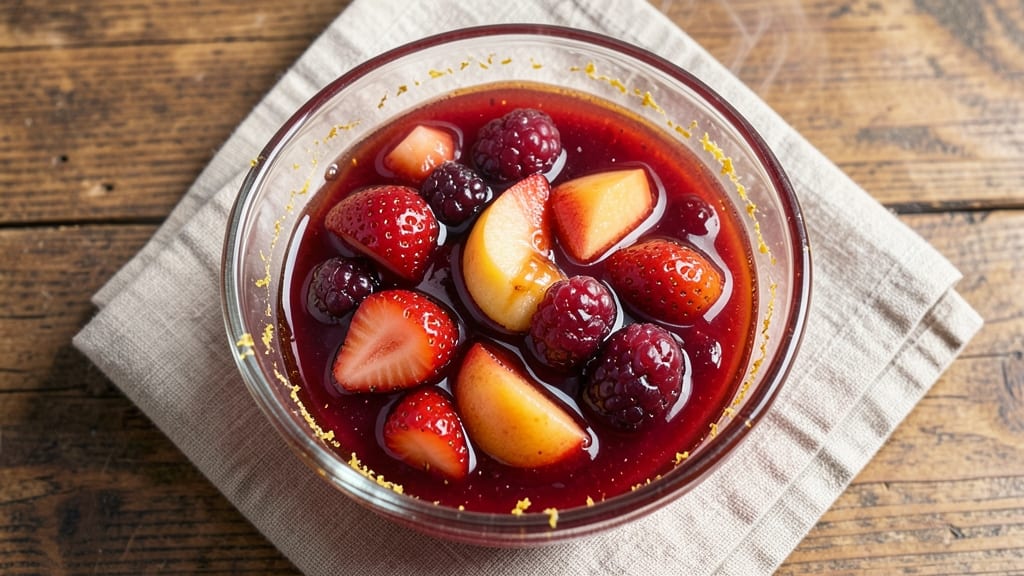
Creating a low-sugar Sure Jell freezer jam that tastes like summer in every bite is simpler than you think—no cooking required. I perfected this recipe after years of experimenting with diabetic-friendly preserves, and the results are spreadable, fruit-forward perfection that won't spike blood sugar.
The secret lies in balancing fruit acidity with just enough pectin to set properly in the freezer without added sugar.
This method transforms fresh berries, stone fruits, or even citrus into jam that stays stable for months in your freezer. I use erythritol or monk fruit sweetener to maintain flavor without the sugar crash, while Sure Jell provides that signature gel texture.
The process takes just 10 minutes of active work, making it ideal for busy weekdays or when you need to preserve a bumper crop from your garden. My daughter Lily calls it "magic in a jar"—and she's not wrong.
What you’ll end up with is a vibrant, spreadable preserve with bright fruit flavors and a smooth, velvety consistency. The texture is perfect for toast, yogurt, or even as a glaze for meats, and it keeps its freshness for up to 12 months in the freezer.
No more worrying about sugar overload or ruined batches—this recipe delivers professional results every time. Let’s get started with the exact ratios and techniques that make it foolproof.
One of the best parts? This method works with any fruit—strawberries, peaches, or even mixed berries—so you can tailor it to what’s fresh at your local farmers market. I’ve tested it with everything from tart cherries to sweet mangoes, and the pectin holds up beautifully.
The key is proper fruit preparation and timing, which I’ll walk you through step by step. Ready to make jam that’s as healthy as it is delicious?
Ingredients for low sugar sure jell freezer jam
Eight simple ingredients transform fresh fruit into vibrant, no-sugar jam—no cooking required.
| Ingredient | Amount | Notes |
|---|---|---|
| Sure Jell (Powdered Pectin) 🍯 | 3 tbsp | Unsweetened, powdered variety |
| Erythritol Sweetener 🍬 | ¼ cup | Granulated, monk fruit works too |
| Lemon Juice 🍋 | ¼ cup | Freshly squeezed, not bottled |
| Fresh Fruit (Strawberries, Raspberries, or Peaches) 🍓 | 3 cups | Chopped into small pieces |
| Water 💧 | ¼ cup | Boiling for pectin activation |
| Vanilla Extract 🌸 | 1 tsp | Pure vanilla for flavor depth |
| Ground Ginger 🌶️ | ½ tsp | Optional, for warmth |
| Citric Acid 🍋 | ¼ tsp | Preservative, extends shelf life |
The pectin is non-negotiable here. Sure Jell unsweetened powder is your best bet—it dissolves perfectly and gives that classic jam texture. I grab mine from Walmart or Kroger in the canning aisle, but check the bulk bins at Whole Foods if you want organic. Fresh fruit is key too—overripe berries turn mushy. Look for bright, firm strawberries or peaches at your local farmers market. If using tart cherries, toss in an extra 1/4 cup erythritol to balance the flavor. The citric acid might sound fancy, but it’s just a tiny box at the store—keeps your jam fresh for months.
No erythritol? Monk fruit sweetener or allulose works 1:1, but check the brand—some are more powdery. Short on lemon juice? Lime juice or extra citric acid does the trick. Want more depth? Swap vanilla for almond extract or a pinch of cinnamon. The ginger is optional but adds a nice kick—fresh grated works too. For fruit, frozen berries in a pinch (thaw and drain well). The jam tastes best with freshly chopped fruit, but prepped fruit from the freezer section saves time. Just avoid pre-sliced strawberries—they’re often soggy.
This jam sets in the freezer like magic. Portion into 4-ounce jars or silicone molds for easy use. Freezes for up to 12 months—test one jar after 3 months to check texture. Thaw in the fridge overnight before spreading. For a smoother texture, blend briefly after freezing. The citric acid helps prevent mold, but store in the coldest part of your freezer. I label mine with the date and fruit type—Lily’s Strawberry Jam, 2024—so I don’t forget what’s in there.
Why You'll Love This Recipe
- Fridge-Friendly Magic: I swear by this recipe because it turns summer fruit into jam without the mess of canning. Just toss chopped berries or peaches with Sure Jell, erythritol, and lemon juice—boil it once, freeze it, and you’ve got perfect jam for months. No jars to sterilize, no waiting for water baths.
- Bright & Sweet: The erythritol keeps it sugar-light but still ridiculously flavorful—especially with strawberries or peaches. That lemon juice punch cuts through the fruit’s natural tartness, so every spoonful tastes fresh, not cloying. (Yes, even my kids ask for seconds.)
- Freezer Flex: This jam plays well with everything. Spread it on toast, dollop it into yogurt, or use it as a glaze for grilled chicken. It’s my go-to for gift baskets, too—just grab a frozen block, thaw it, and pour. No weird aftertaste, no weird texture.
- Budget Bright Spot: Sure Jell and erythritol stretch further than store-bought jam, and you’re using whatever fruit’s on sale. A single batch of peach jam lasts me through winter, and I’ve never once regretted making it. Plus, no weird preservatives—just real fruit and a little science.
Step-by-step instructions for low sugar Sure Jell freezer jam
Here's the straightforward method for creating vibrant, low-sugar jam that requires no cooking.
Combine Fruit and Liquid Ingredients
In a large mixing bowl, add the 3 cups of chopped fresh fruit. Stir in the 0.25 cup of lemon juice, making sure each piece is coated. This acidity helps activate the pectin later. Add the 0.25 cup of boiling water and the 0.25 cup of erythritol sweetener, mixing thoroughly until the sweetener dissolves completely.
Here's the thing—using boiling water is crucial. It helps dissolve the sweetener and activates the pectin for proper gelling. If you skip this step, your jam might end up too runny. The mixture should look like a thick fruit purée at this stage, with no visible liquid pooling at the bottom.
Add Pectin, Preservative, and Seasonings
In a small bowl, whisk together the 3 tablespoons of Sure Jell powdered pectin, 0.5 teaspoon of ground ginger (if using), and 0.25 teaspoon of citric acid. Sprinkle this mixture evenly over the fruit preparation. Let it sit for 2 minutes to allow the pectin to begin hydrating—this is when the magic starts happening.
Next, add the 1 teaspoon of vanilla extract and mix everything together until completely combined. The mixture should look uniform with no dry spots remaining. I know it seems like a lot of dry ingredients, but trust me, they'll dissolve completely when we stir in the final component.
Mix Until Fully Incorporated
Using a wooden spoon or silicone spatula, stir the mixture vigorously for 2-3 minutes. You'll notice it starts to thicken as the pectin activates. Keep stirring until it reaches a consistency similar to thick applesauce—it should coat the back of a spoon and hold its shape when you lift it.
This is the moment that matters: the jam should be thick enough to hold its shape but still pourable. If it's too thick, add 1 tablespoon of water at a time until you reach the right consistency. If it's too thin, you can try adding a bit more pectin (up to 1 additional tablespoon), but be careful not to overdo it as this can make the jam grainy.
Pour and Freeze for Perfect Texture
Transfer the jam mixture to freezer-safe containers, leaving about ½ inch of headspace at the top. Smooth the surface with a spatula to create an even layer. Place the containers in the freezer and let them freeze completely for at least 4 hours, or until solid to the touch.
Once frozen, you can transfer the jam to heavy-duty freezer bags if you prefer. When ready to use, simply slice off a piece and let it thaw in the refrigerator for about 1 hour. The texture will be similar to traditional jam—thick, spreadable, and perfectly sweetened without the sugar overload.
Thaw and Enjoy Your Creation
To use, remove the desired amount from the freezer and let it thaw in the refrigerator overnight. The jam will soften and become spreadable. If it's too firm, you can microwave it for 10-15 seconds to loosen it up. Store any unused portions back in the freezer for up to 1 year.
You'll love how this jam maintains its vibrant color and fresh fruit flavor without the high sugar content. The ginger adds a subtle warmth that pairs beautifully with the fruit's natural sweetness. This method works equally well with strawberries, raspberries, or peaches—just adjust the preparation time slightly based on your fruit choice.
Pro Tips For Making Low Sugar Sure Jell Freezer Jam
- Weigh Your Fruit: Skip the eyeball guess—raspberries and peaches especially vary in density. Use a kitchen scale for 12 oz of fruit (not drained weight) to guarantee the right pectin-to-fruit ratio. I learned this the hard way when my first batch turned out too runny because I underestimated how much those juicy strawberries would yield.
- Boil Water First: Heat your water to a full rolling boil before adding lemon juice and pectin. Cold water slows the reaction, and you’ll end up with a jam that’s less firm and more likely to separate. I used to add everything at once, and my jams always had that sad, watery texture—until I started pre-boiling.
- Dissolve Pectin Fully: Sprinkle Sure Jell over the boiling water-juice mix while stirring vigorously, then let it simmer for 1 full minute. If you see any powdery bits, you’re risking a gummy mess. I was skeptical—doesn’t pectin just mix in?—but now I double-check with a spoon to make sure it’s fully dissolved.
- Freeze in Flat Layers: Pour the hot jam into silicone molds or shallow containers, then smooth the top with a wet spatula. Freezing in thin, even layers prevents ice crystals and makes thawing faster. I used to pack it into jars like salsa, and half the time it’d freeze in a lump—now it thaws in perfect, spreadable sheets.
Best sauces and condiments for this dish
Classic Pairings
This low-sugar jam shines on sourdough toast—the crusty texture contrasts perfectly with the jam’s velvety spread. I like to warm the bread in a toaster oven for 2-3 minutes at 350°F to enhance its flavor.
For a breakfast twist, try it on Greek yogurt with a sprinkle of toasted walnuts and a drizzle of local honey from Portland’s farmers markets. The tartness of the jam cuts through the yogurt’s creaminess beautifully. 🥖
Sweet Glazes
Use this jam as a glaze for grilled chicken or pork chops—simmer ½ cup jam with 1 tbsp Dijon mustard and 1 tbsp balsamic vinegar for 5 minutes on medium heat. Brush the mixture onto proteins during the last 10 minutes of grilling.
The acidity in the jam tenderizes the meat while adding a fruity depth. I love this technique for summer BBQs in my backyard.
Cheese Board Magic
Elevate your cheese board by pairing this jam with aged cheddar, brie, or goat cheese. The low-sugar profile lets the cheese flavors shine without overpowering them.
I arrange 3 oz each of cheddar and brie on a slate board, add 5-6 slices of pear or apple, and serve with the jam in a small bowl. The contrast of creamy cheese and tart jam is unbeatable. Add a few crackers or sliced baguette for crunch.
Dessert Enhancements
Stir 1-2 tbsp of this jam into whipped cream for a light, fruity topping on pancakes or ice cream. For a no-bake dessert, layer it between graham crackers and coconut cream in a trifle dish.
The jam’s natural sweetness balances the coconut’s richness. I also use it as a filling for thumbprint cookies—just press a spoonful into the center before baking.
Savory Surprises
Try this jam as a glaze for roasted vegetables like carrots or Brussels sprouts. Toss the veggies in 1 tbsp olive oil, roast at 400°F for 20 minutes, then drizzle with 1 tbsp jam and 1 tsp fresh thyme.
The sweet-tart combo caramelizes beautifully. It’s a game-changer for holiday dinners when you want something beyond traditional jams.
Beverage Pairings
Pair this jam with sparkling water and a squeeze of lime for a refreshing summer drink. The effervescence cleanses the palate between bites. For coffee lovers, spread a thin layer on toasted brioche and serve with a cappuccino—the jam’s acidity cuts through the bitterness.
I also enjoy it with chilled white wine like a crisp Sauvignon Blanc from Oregon’s Willamette Valley.
Nutrition facts
Frequently asked questions
Why does this recipe use boiling water instead of cold?
The boiling water activates the pectin and helps dissolve the sweetener completely. This ensures proper gelling and prevents a runny texture. Think of it as jumpstarting the thickening process—without it, your jam might end up too thin or grainy.
Can I use regular sugar instead of erythritol?
Yes, but the recipe won't be low-sugar anymore! If you use regular sugar, reduce the amount to 1/4 cup and adjust the pectin ratio to 4 tbsp (follow Sure-Jell's instructions for sugar variations). The texture will be similar, but the sweetness level will be much higher.
How do I fix jam that didn't set properly?
If your jam is too runny, try adding 1 tsp more pectin and 1 tbsp lemon juice, then mix well. If it's too thick, thin it with 1 tbsp water. For best results, work quickly—once the pectin activates, you have about 10-15 minutes to adjust the consistency before freezing.
What fruits work best for this no-cook method?
This recipe works beautifully with berries (strawberries, raspberries), stone fruits (peaches, plums), and even citrus (orange or lemon). Tart fruits like cherries or cranberries need extra sweetener—add 1/4 cup more erythritol for balance. Avoid overly watery fruits like watermelon or pineapple without adjusting the pectin ratio.
How long does it take to thaw before spreading?
For best texture, thaw overnight in the fridge. If you're in a hurry, microwave for 10-15 seconds (stir halfway) or place the container in warm water for 5-10 minutes. Never microwave longer than needed—it can make the jam too soft and watery.