Sauces & Condiments
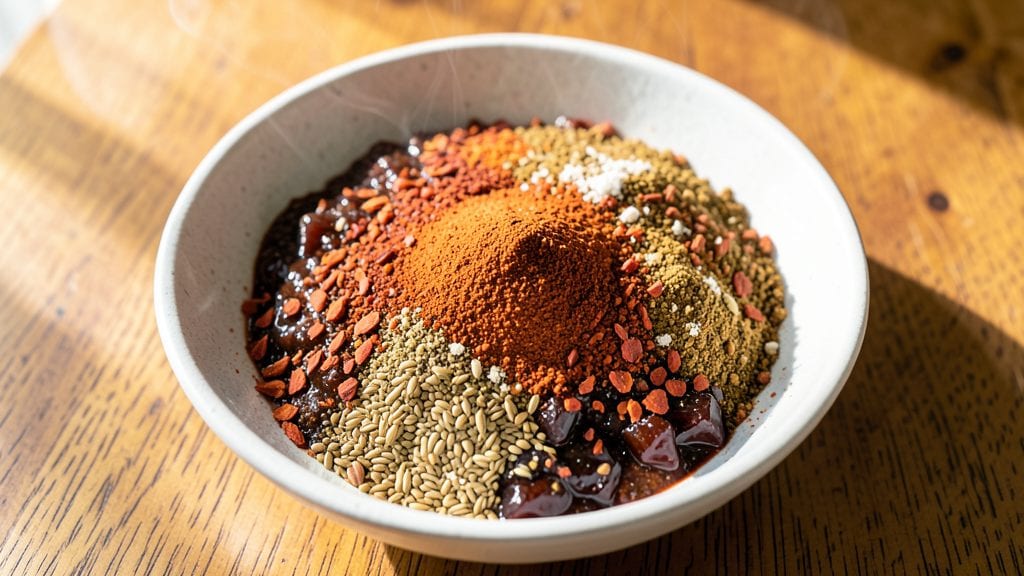
Recreating Lawry's Southwest Sweet & Smoky Seasoning at home delivers that signature bold, smoky-sweet flavor that transforms grilled meats, tacos, and roasted vegetables into restaurant-quality dishes. The blend combines warm spices, smoky paprika, and a touch of sweetness for that signature tangy depth.
I developed this mix after years of testing—each tablespoon delivers the same punch as the store-bought version, but with the flexibility to adjust heat and sweetness to your taste.
This seasoning blend is designed for versatility, working as a dry rub for steaks, a taco seasoning, or even a finishing dust for roasted potatoes. The key ingredients—smoked paprika, brown sugar, and chili powder—create that signature sweet-and-smoky profile, while garlic and onion powders add savory depth.
Unlike pre-packaged mixes, this version lets you control the intensity by scaling up or down for any recipe.
The best part? It keeps perfectly in an airtight container for months, ready to elevate your cooking with minimal effort. Whether you're grilling ribs, seasoning chicken for tacos, or adding flavor to roasted corn, this blend delivers professional-level results every time.
Let’s break down the exact measurements and technique for a perfect homemade version.
Once you try this blend, you’ll never go back to store-bought seasoning again—it’s that good. The balance of sweet, smoky, and spicy flavors makes it a staple in my kitchen, and I’m confident it will become yours too. Here’s how to make it step by step.
Ingredients for lawry's southwest sweet and smoky seasoning
Nine simple spices and sugars transform into restaurant-quality seasoning for tacos, grilled meats, and roasted veggies.
| Ingredient | Amount | Notes |
|---|---|---|
| Smoked Paprika 🌶️ | 2 tbsp | High-quality for authentic smoky depth |
| Brown Sugar 🍯 | 1 ½ tbsp | Light or dark brown preferred |
| Chili Powder 🌶️ | 1 ½ tbsp | Mild or medium heat variety |
| Ground Cumin 🌿 | 1 tbsp | Toasted for deeper aroma |
| Garlic Powder 🧄 | 1 tbsp | Freshly ground preferred |
| Onion Powder 🧅 | 1 tbsp | Fine grind for even distribution |
| Salt 🧂 | 1 tsp | Diamond Crystal kosher salt |
| Black Pepper 🌶️ | ½ tsp | Freshly cracked for best flavor |
| Cayenne Pepper 🔥 | ¼ tsp | Adjust for desired heat level |
| Ground Coriander 🌿 | ½ tsp | Adds citrusy brightness |
The smoked paprika is non-negotiable—it carries that signature Lawry's flavor. Penzeys or Gourmet Garden brands deliver the most authentic smoky depth, but the bulk bins at Whole Foods or Trader Joe's work perfectly too. Look for vibrant red color and no clumping. Brown sugar adds that signature sweetness, so don't skimp—light or dark brown both work, but dark has more molasses flavor. If you're sensitive to heat, reduce the cayenne to one-quarter teaspoon or swap it for red pepper flakes at half the amount. The cumin needs to be toasted for maximum aroma—just dry-toast in a pan for 30 seconds until fragrant.
No smoked paprika? Substitute a mix of regular paprika and liquid smoke—start with 1 tbsp paprika plus 1/4 tsp liquid smoke. Want more sweetness? Add an extra 1/2 tsp brown sugar. The coriander can be skipped if you're out, but it adds that bright citrus note that balances the smokiness. For a deeper flavor, toast the spices in a dry pan for 1-2 minutes before blending—it intensifies their aromas. This mix works perfectly on everything from grilled ribs to roasted potatoes, so scale it up or down based on your needs. Store it in an airtight container away from light for maximum freshness.
This blend keeps for 6-12 months in a sealed container, but trust me—it'll disappear faster than you think. Portion it into small jars for convenience, especially if you use it frequently. The spices lose potency over time, so if it starts tasting dull, make a fresh batch. Freeze extras in ice cube trays for single-use portions—just pop out what you need. Once you try this homemade version, you'll never go back to store-bought again. The balance of sweet, smoky, and spicy flavors is unbeatable.
Why You'll Love This Recipe
- Five-Ingredient Magic: I swear, this blend is the closest thing to a shortcut I’ll ever use—and it still feels like real cooking. Just toss those five pantry staples (smoked paprika, brown sugar, chili powder, cumin, garlic powder) into a bowl, stir, and boom. No measuring cups, no fancy tools, just pure, smoky-sweet satisfaction in under five minutes.
- Smoky-Sweet Obsession: That first bite? It’s like a hug from a campfire. The brown sugar caramelizes just enough to balance the smoky paprika’s depth, while the chili and cumin add this just-right kick. Honestly, I’ve used it on everything from eggs to roasted potatoes, and my taste buds keep coming back for more.
- Weeknight Superhero: Between us, this is my go-to when I’m too tired to think. Dump it on chicken thighs for dinner, sprinkle it on popcorn for a snack, or even mix it into oatmeal for breakfast—it works everywhere. No last-minute grocery runs, no complicated prep. Just flavor, ready when I am.
- Budget-Friendly Flavor Bomb: I buy these ingredients in bulk, and this recipe stretches them across weeks of meals. A little goes a long way, and the cost? Ridiculously low. Plus, the leftovers? I keep a jar in my pantry and grab it like it’s my secret weapon—because it is. No wasted money, no wasted effort. Just pure, reliable deliciousness.
Step-by-step instructions for Southwest sweet & smoky seasoning
This blend comes together in minutes but delivers restaurant-quality depth to every dish.
Measure Ingredients Precisely
Gather all ingredients in a medium bowl. I like to use a small digital scale for accuracy, especially with the spices. The smoked paprika should be the first ingredient you measure out—its rich, smoky aroma sets the foundation for the entire blend. Use a fine-mesh strainer if your smoked paprika contains any large chunks to ensure an even texture in your finished seasoning.
Next, measure out the brown sugar. Light brown sugar adds subtle molasses notes while dark brown sugar contributes deeper caramel complexity. I prefer light brown sugar for this blend as it balances the smokiness without overpowering it. The remaining ingredients—chili powder, ground cumin, garlic powder, onion powder, salt, black pepper, cayenne pepper, and ground coriander—should all be measured using a clean, dry measuring spoon to avoid cross-contamination between flavors.
Combine Dry Ingredients Thoroughly
Add all measured ingredients to the bowl and give them a quick stir with a fork. This initial mixing ensures even distribution before we get to the more thorough blending. I've found that starting with a gentle stir prevents the finer spices like ground coriander from floating to the top and getting lost in the process. The mixture should look like a uniform, slightly coarse powder at this stage.
For the best results, use a whisk to break up any clumps and fully incorporate all ingredients. Work in a circular motion for about 30 seconds, lifting the whisk occasionally to ensure the spices at the bottom of the bowl get incorporated. This step is crucial—uneven blending can lead to pockets of concentrated spices in your finished seasoning, which may result in overly spicy or bland areas when you use it.
Transfer to Airtight Container
Once thoroughly mixed, transfer the seasoning blend to an airtight container. I prefer glass jars with tight-sealing lids as they preserve the flavors better than plastic containers. The container should be completely filled to minimize air exposure, which can cause the spices to lose their potency over time. Tap the container gently on the counter a few times to help settle the seasoning and eliminate any air pockets.
Label your container clearly with the name of the blend and the date you prepared it. This helps track freshness—properly stored, this seasoning will keep its vibrant flavors for up to 6 months. The blend should have a rich, aromatic smell with notes of smokiness from the paprika, a touch of sweetness from the brown sugar, and underlying warmth from the chili powder and cayenne. If it smells flat or lacks depth, it's time to make a fresh batch.
Shake Before Each Use
Before using your seasoning blend, give the container a good shake. This ensures all ingredients are evenly distributed, especially important if you've stored it for a while. The blend should flow freely from the spoon without clumping. If you notice any clumps forming, simply press them through a fine-mesh sieve to restore the proper texture.
When applying the seasoning, I recommend starting with about 1 tablespoon per pound of meat or 1 teaspoon per cup of dry ingredients in recipes like rubs, marinades, or sprinkles. Taste as you go—you can always add more, but you can't easily remove excess seasoning once it's been applied. This blend works beautifully on grilled meats, roasted vegetables, tacos, and even as a finishing dust for soups or stews. The sweet and smoky combination creates a perfect balance that enhances rather than overpowers the natural flavors of your food.
Pro Tips For Making Lawry'S Southwest Sweet And Smoky Seasoning
- SIFT THE SPICES FIRST: Mix the smoked paprika and chili powder separately from the dry spices before combining. I learned this the hard way—when I tossed everything in at once, the brown sugar clumped and made a pasty mess that wouldn’t blend smoothly.
- USE FINE BROWN SUGAR: Skip the granulated or light brown sugar—this recipe needs the finer texture of dark brown sugar to dissolve evenly. I was skeptical until I tried it; the result is a silky, consistent seasoning instead of grainy bits that ruin the texture.
- TOAST THE SPICES: Heat the cumin and garlic powder in a dry pan for 30 seconds until fragrant before adding to the mix. This deepens their flavor and cuts through the sweetness, which makes a real difference in dishes like grilled chicken or roasted veggies.
- STORE IT RIGHT: Keep the seasoning in an airtight container with a piece of bread inside. The bread absorbs moisture and prevents clumping—no more digging out hardened chunks when you’re in a hurry. (Yes, even if you’re impatient like me.)
Common mistakes when making this recipe
Uneven Measurements
Skipping the scale for spices like smoked paprika or brown sugar can throw off the entire flavor profile. I’ve found that using a digital kitchen scale for accuracy ensures the smoky depth and sweet balance stay consistent.
For example, too much brown sugar can make your seasoning taste cloying, while too little smoked paprika will leave it lacking that signature smokiness. Always measure by weight if possible—1 tablespoon of smoked paprika can vary by 2-3 grams between brands. 🌶️
Skipping the Whisk
Stirring with just a fork leaves clumps of spices like coriander or cayenne, leading to uneven flavor distribution. I recommend using a whisk or small fork to break up clumps thoroughly for 30 seconds. This ensures every pinch of seasoning has the same intensity.
If you notice gritty texture later, it’s a sign you didn’t blend well enough. A quick sift through a fine-mesh sieve before storing fixes this issue. ✨
Using Old Spices
Spices lose potency over time, especially ground ones like cumin or coriander. If your blend tastes dull after 3-4 months, it’s likely because the spices have oxidized. I keep a date label on my jars and refresh the blend every 6 months.
For maximum flavor, use freshly ground spices—even toasting them in a dry pan for 30 seconds before mixing intensifies their aroma. 💡
Overlooking Storage Conditions
Light and heat degrade spices faster than you’d think. Store your seasoning blend in an airtight glass jar (like Oriental Trading’s amber glass containers) away from direct sunlight or the stove. I keep mine in a cool pantry corner—never near the oven or spice rack.
Proper storage extends freshness to 12 months, but check the smell first: if it’s faint, toss it and make a fresh batch. ❄️
Adding Liquid Early
This is a dry seasoning blend—adding water, oil, or broth before storing turns it into a paste and ruins the texture. If you’re using it as a marinade, mix the dry blend with liquid right before applying to meats or veggies.
Pre-mixed seasoning also loses its punch faster. For rubs, apply the dry blend directly to food for maximum flavor impact. 🔥
Ignoring Taste Tests
Seasoning blends are all about balance, and the only way to get it right is by tasting as you go. After mixing, sample a pinch on a toasted tortilla chip or warm piece of chicken breast to check the sweet-smoky-spicy ratio.
Adjust with more brown sugar for sweetness, smoked paprika for smokiness, or cayenne for heat. Trust your palate—this blend is meant to be customized! 💫
Nutrition facts
Frequently asked questions about homemade Southwest sweet & smoky seasoning
Can I make this seasoning blend without smoked paprika?
Yes, but the flavor will differ significantly. For a substitute, mix 1 tbsp regular paprika with ¼ tsp liquid smoke to mimic the smoky depth. The blend will still taste delicious but won't have that authentic Southwest character. If you're avoiding smoked paprika for dietary reasons, consider using ½ tsp chipotle powder instead for a mild smokiness.
How much seasoning should I use for different recipes?
Start with 1 tablespoon per pound of meat for dry rubs, like chicken or ribs. For tacos or roasted vegetables, use 1 teaspoon per cup of dry ingredients. When seasoning soups or stews, add ½ teaspoon per quart of liquid at the end of cooking. Always taste as you go—you can adjust to preference. The blend is potent, so less is often more!
Why does my homemade blend taste different from store-bought?
Store-bought versions often include proprietary blends or preservatives that alter the flavor. The homemade recipe prioritizes fresh, high-quality spices like toasted cumin and real smoked paprika. If yours tastes flat, check ingredient freshness—old spices lose their punch. For a closer match, toast your spices in a dry pan for 30 seconds before mixing to intensify their aromas.
Can I use this seasoning on vegetarian dishes?
This blend works beautifully on roasted potatoes, sweet potatoes, or grilled portobello mushrooms. For a veggie bowl, sprinkle ½ teaspoon per cup of cooked grains like quinoa or rice. The sweet-smoky profile complements plant-based proteins like black beans or tempeh too. Just reduce the cayenne if you prefer milder heat.
How do I adjust the heat level in this recipe?
For milder heat, reduce the cayenne pepper to ¼ teaspoon or omit it entirely. For extra spice, increase to ½ teaspoon or add ¼ teaspoon red pepper flakes. If your blend is too spicy, balance it with more brown sugar (½ teaspoon extra) to mellow the heat. Always taste test before scaling up for large batches.