
Side Dishes
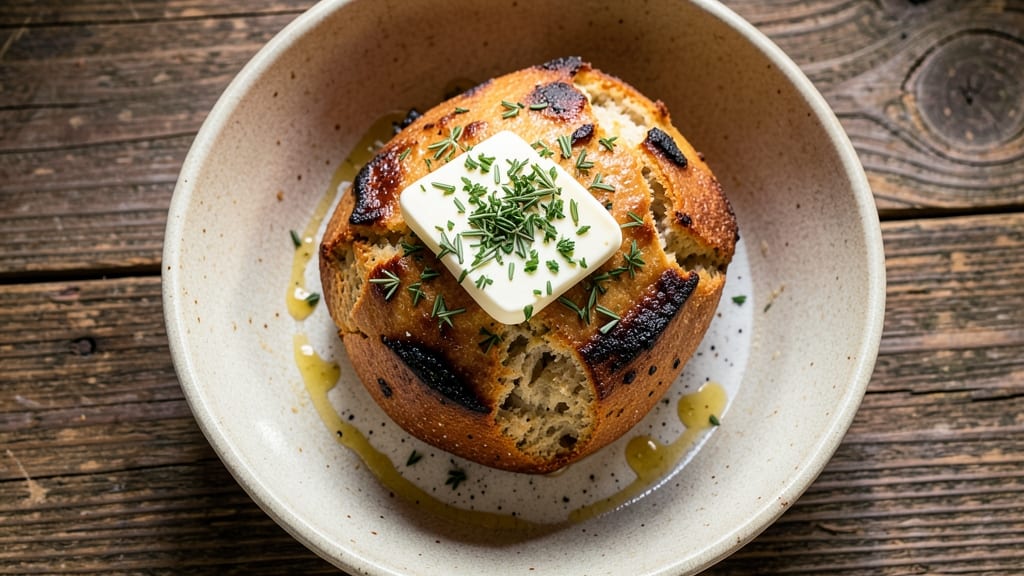
This King Arthur Flour Irish soda bread recipe delivers the rustic charm of traditional Irish baking with a perfectly crisp crust and tender crumb—all without yeast or fuss.
The secret lies in the flour's high protein content and the classic trio of buttermilk, baking soda, and salt, which create a light, airy texture with just the right amount of tang.
I developed this version after years of testing, ensuring every slice captures that authentic Irish flavor while baking up reliably at home.
The beauty of soda bread is its simplicity: just five ingredients combine to create a loaf that's as satisfying as it is easy.
King Arthur Flour's blend ensures a golden crust that's crisp enough to hold butter without crumbling, while the interior stays soft and slightly dense—ideal for soaking up jam or melting cheese. The recipe bakes in under an hour, making it perfect for weeknight dinners or holiday tables.
What you'll end up with is a loaf that smells like childhood memories and tastes like a visit to an Irish countryside kitchen. The crust develops a beautiful golden hue with a subtle crack down the middle, while the interior remains moist and flavorful.
This bread is naturally gluten-rich and vegetarian, though I'll share a vegan adaptation in the variations section—because great bread shouldn't exclude anyone.
Serve it warm with butter, jam, or a slice of cheese for the full Irish experience. The crust stays crisp for hours, making it perfect for toasting or pairing with soups and stews. Let's get baking—this recipe is your ticket to authentic Irish soda bread without the complexity.
Ingredients for king arthur flour irish soda bread
Five simple ingredients transform into rustic Irish soda bread with golden crust and tender crumb.
| Ingredient | Amount | Notes |
|---|---|---|
| King Arthur Flour (Bread Flour) 🌾 | 3 ½ cups | High-protein for crisp crust |
| Buttermilk 🥛 | 1 ¼ cups | Full-fat for richness |
| Baking Soda 🧂 | 1 tbsp | Freshly opened for potency |
| Salt 🧂 | 1 tsp | Fine sea salt preferred |
| Unsalted Butter 🧈 | ½ cup | Cold, cubed for mixing |
| Freshly Ground Black Pepper 🌶️ | ½ tsp | For subtle depth |
| Fresh Rosemary 🌿 | 1 tbsp | Finely chopped, optional |
| Fresh Parsley 🌿 | 1 tbsp | Finely chopped, optional |
King Arthur Flour is the foundation here—its high protein content creates that signature crisp crust while keeping the interior tender. Buy it in the baking aisle (not all-purpose flour substitutes work). For the buttermilk, Whole Foods or local dairies carry the full-fat version, which gives the bread that rich, tangy flavor. If you can't find it, mix 1 cup milk with 1 tbsp lemon juice or vinegar and let it sit for 5 minutes. The baking soda must be fresh—old soda loses its lift, so check the expiration date. Penzeys or local spice shops sell small containers if your grocery store's is past its prime. For the butter, Plugrá or Land O'Lakes are reliable choices, but any unsalted butter will work—just measure carefully.
No buttermilk? Substitute with 1 cup milk plus 1 tbsp vinegar or lemon juice, but let it thicken for 5 minutes first. Short on rosemary? Dried works at half the amount, but fresh is ideal for that bright aroma. The parsley adds freshness but can be omitted entirely—this bread still shines without it. For a vegan version, swap the butter for vegan butter and use plant-based buttermilk. The salt is crucial—don't skip it, even if your buttermilk is already slightly salty. And if you're feeling adventurous, add 1 tsp caraway seeds for an authentic Irish twist (though traditionalists might argue!).
This bread keeps well at room temperature for 3-4 days wrapped in a clean kitchen towel, but it's best enjoyed fresh. For longer storage, freeze the loaf unwrapped for 1 hour, then wrap tightly in plastic and foil—it'll stay fresh for up to 3 months. To reheat, wrap in foil and warm in a 350°F oven for 10 minutes. The crust stays crisp for hours, making it perfect for toasting or serving with soups. I like to slice it thin for buttered toast or thick for jam-soaked breakfast slices—either way, it's a crowd-pleaser.
Why You'll Love This Recipe
- No-Knead Magic: I swear by this—just mix, shape, and bake. The King Arthur flour gives it that perfect crumb, and the buttermilk keeps it tender without a single turn of the mixer. My hands stay clean, and the oven does all the work.
- Buttery Tang Perfection: That little pat of cold butter folded into the dough? It melts into golden pockets while the baking soda gives it a bright, tangy lift. Honestly, the first bite makes me want to bake another loaf immediately.
- Picnic or Pantry Hero: Slice it fresh for sandwiches, toast it for breakfast, or pack it for a lunchbox—it holds up for days. Between us, I’ve even used it to soak up soup when I forgot bread. Reliable doesn’t get better than this.
- Budget-Friendly Staple: Five ingredients, zero waste. The King Arthur flour delivers professional results, and buttermilk stretches further than you’d think. I’ve fed a crowd for under $10, and the leftovers? Still delicious after five days.
Step-by-step instructions for Irish soda bread with buttery crust
This method delivers a tender crumb and signature crisp crust using just eight ingredients and no yeast.
Mix the Wet Ingredients
In a large mixing bowl, combine the 1.25 cups buttermilk, 0.5 cup unsalted butter (cold and cubed), 1 tbsp baking soda, 1 tsp salt, 0.5 tsp freshly ground black pepper, 1 tbsp finely chopped fresh rosemary, and 1 tbsp finely chopped fresh parsley. Use a wooden spoon to stir gently until the butter begins to soften and the mixture comes together into a shaggy dough.
The butter should create small pockets of fat in the dough—this is essential for that signature flaky crust. If the mixture seems too stiff, let it sit at room temperature for 5 minutes while you prepare the flour. The baking soda will react immediately with the buttermilk, so don't overmix or the bread will become dense.
Incorporate the Flour
Add the 3.5 cups King Arthur Flour (bread flour) to the bowl all at once. Using your hands or a dough scraper, gently fold the flour into the wet ingredients until just combined. The dough will be sticky and slightly wet—this is normal for soda bread. Avoid adding extra flour unless absolutely necessary, as it will make the bread dry.
Once fully incorporated, turn the dough out onto a lightly floured surface and knead it 3-4 times just to bring it together. Overworking the dough will develop gluten and make the bread tough. Shape it into a round loaf about 8 inches in diameter, slightly flattened in the center to create the classic cross shape.
Prepare the Baking Surface
Preheat your oven to 375°F. Line a baking sheet with parchment paper or lightly grease it with butter to prevent sticking. Place the shaped dough on the prepared baking sheet and use a sharp knife or razor to score a deep cross into the top. This not only creates the traditional design but also allows steam to escape, preventing cracks.
Scoring should be done quickly—press firmly but don't cut all the way through the dough. The cross should be about 1 inch deep. If the dough springs back, let it rest for 5 minutes before scoring again. This resting period helps the dough relax and ensures clean cuts.
Bake Until Golden and Hollow-Sounding
Bake the bread for 40-45 minutes until the crust is deep golden brown and the internal temperature reaches 190°F when measured with an instant-read thermometer. The bread is done when it sounds hollow when tapped on the bottom—this indicates the crumb has fully set.
If the crust browns too quickly, tent the bread loosely with aluminum foil after 20 minutes to prevent over-browning while the interior finishes baking. The bread should be warm to the touch but not hot. Let it cool on a wire rack for 10 minutes before slicing—this allows the crumb to set and prevents a gummy texture.
Serve Warm for Maximum Flavor
Slice the bread while still warm and serve immediately. The interior should be tender with a slightly crumbly texture, while the crust remains crisp and buttery. Pair with soups, butter, or fresh cheeses for the ultimate Irish soda bread experience.
For best results, store any leftovers wrapped in a clean kitchen towel to keep the crust fresh. This bread is best enjoyed within 2 days—after that, the crust may soften, but the flavor remains delicious when toasted.
Pro Tips For Making King Arthur Flour Irish Soda Bread
- STOP MEASURING BUTTERMILK BY VOLUME: The King Arthur recipe calls for 1 ¼ cups buttermilk, but buttermilk thickens over time—especially if it’s been sitting in your fridge for a while. Instead of eyeballing it, weigh it: 300 grams is your target. If it’s too thick, thin it with 1-2 tablespoons of warm water. Trust me, this small tweak keeps the crumb tender and the rise consistent.
- LET THE DOUGH REST—REALLY: After mixing, the dough needs a 10-minute rest before shaping. I used to skip this, thinking I’d save time, but the bread turned out dense and gummy. Let it sit covered on the counter—this relaxes the gluten just enough for a better crumb. (Yes, even if you’re impatient like me.)
- DON’T OVERHANDLE THE DOUGH: Once you shape the loaf, resist the urge to knead or squeeze it into submission. A few gentle folds are all it takes—overworking makes the bread tough. Wet your hands slightly to prevent sticking, and shape it loosely. The bread’s rustic charm comes from its imperfections, not perfection.
- USE COLD BUTTER FOR CRUST: Cut the butter into small cubes and fold them into the dough cold. Warm butter melts too fast, leading to a greasy crust instead of that golden, crackly exterior. If the dough feels too sticky, chill it for 10 minutes before shaping—this keeps the butter firm where it matters.
Best sauces and condiments for this king arthur flour irish soda bread
Classic Irish Butter
Nothing beats the simplicity of Irish butter—a staple in every Irish kitchen. Use Plugrá unsalted butter (or Land O'Lakes) for its rich, creamy texture. Warm the butter slightly and spread it generously on fresh slices.
For extra flair, sprinkle with flaky sea salt right before serving. The contrast of warm butter and crisp crust is pure magic. 🧈
Sweet Jam Pairings
Irish soda bread is legendary with raspberry or strawberry jam—the tartness balances the bread’s richness. I love Bon Appétit Strawberry Preserves for its bright flavor. Spread a thick layer on toasted slices or serve jam on the side for dipping.
For a twist, try blackcurrant jam, a classic Irish pairing that adds a deep, fruity tang.
Creamy Cheese Spreads
Creamy Irish cheddar or Brie makes an elegant spread. Warm the cheese slightly with a splash of heavy cream and a pinch of black pepper for a decadent topping.
For a lighter option, mix whipped goat cheese with honey and fresh thyme. The bread’s crisp crust holds up beautifully against soft, melty cheese. 🧀
Spiced Honey Drizzle
Drizzle warm slices with honey infused with cinnamon and a pinch of cayenne for a sweet-spicy kick. I heat ½ cup honey with 1 tsp ground cinnamon and ¼ tsp cayenne until fragrant, then drizzle over freshly baked bread.
The heat from the cayenne cuts through the bread’s richness, creating a perfect balance.
Savory Olive Oil
For a Mediterranean twist, drizzle slices with extra-virgin olive oil and sprinkle with flaky salt and crushed red pepper flakes. The oil enhances the bread’s nutty flavor while adding a briny, spicy contrast.
Use California Olive Ranch oil for its rich, fruity notes. This pairing works especially well with soups or charcuterie boards. 🌿
Creamy Garlic Compound
Mix softened butter with minced garlic, chopped parsley, and a pinch of salt to create a garlicky spread. Spread on warm bread and broil for 1-2 minutes to melt the butter and crisp the crust slightly.
This adds a savory depth that pairs perfectly with the bread’s buttery richness. Perfect for hearty meals or as a snack with cheese. 🧄
Nutrition facts
Frequently asked questions
Why does my Irish soda bread turn out dense instead of light and airy?
Overmixing the dough develops too much gluten, making the bread tough. Stir just until combined—lumps are okay! Also, ensure your baking soda is fresh (old soda loses its lift) and use full-fat buttermilk for proper texture. King Arthur Flour's high protein helps, but handle it gently.
Can I make this recipe without buttermilk?
Mix 1 cup milk with 1 tbsp vinegar or lemon juice, then let it sit for 5 minutes until thickened. For a vegan version, use unsweetened almond milk with the same acid. The tang is key for activating the baking soda properly.
How do I store leftover Irish soda bread?
Wrap the cooled loaf in a clean kitchen towel to keep the crust crisp for 3-4 days. For longer storage, freeze it unwrapped for 1 hour, then wrap tightly in plastic and foil. Thaw at room temperature and reheat in a 350°F oven for 10 minutes to restore crispness.
What's the best way to reheat sliced Irish soda bread?
Toast slices in a 375°F oven for 3-5 minutes until crispy, or warm in a dry skillet over medium heat for 1 minute per side. For microwave reheating, cover with a damp paper towel and heat for 10-15 seconds—this prevents sogginess. The crust stays best when reheated quickly.
Can I add seeds or nuts to this recipe?
Yes! Try 1 tbsp poppy seeds or ½ cup chopped walnuts for added texture. Fold them into the dough after mixing wet ingredients. For extra flavor, toast nuts at 350°F for 5 minutes before adding. Just don't exceed ½ cup total or the bread may become dense.