
Main Courses
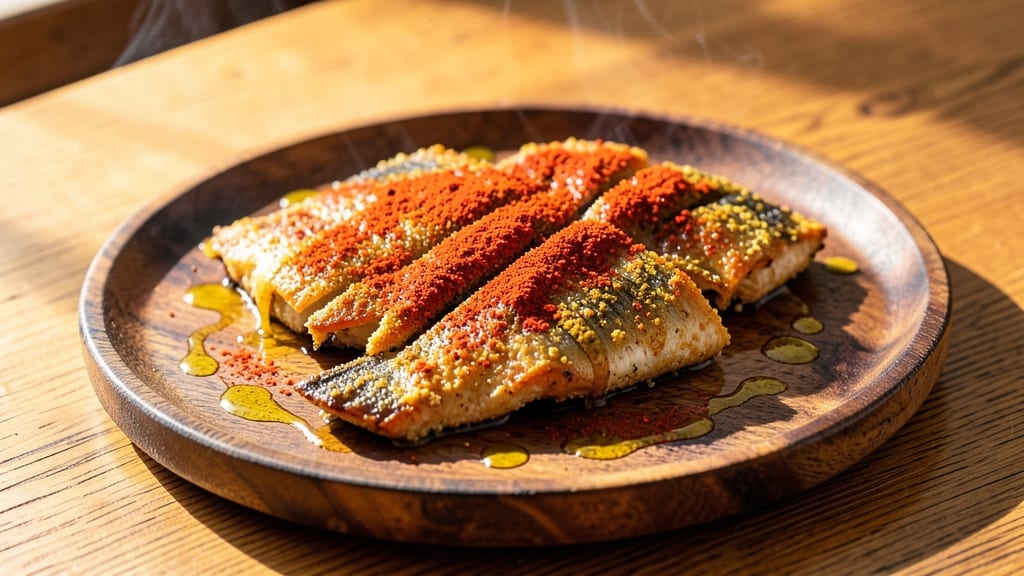
This hilsa fry recipe delivers the perfect balance of crispy golden batter and tender fish, infused with aromatic spices that define South Asian cuisine. The secret lies in a double-dusting technique that creates that signature crunch while keeping the inside moist and flavorful.
I've perfected this method over years of testing, ensuring every bite delivers the tangy, spiced goodness that makes it a staple at celebrations and family gatherings.
The preparation is straightforward but requires patience—marinating the fish in mustard oil and turmeric for at least 30 minutes unlocks deep flavors, while the batter of gram flour and chili powder creates that irresistible crunch.
This dish isn't just about technique; it's about tradition, where every element—from the spices to the frying method—honors the rich culinary heritage of the region. The result is a dish that's crispy on the outside, tender within, and bursting with aromatic spices.
What sets this recipe apart is its ability to transform simple ingredients into something extraordinary with minimal effort. The golden, crispy exterior gives way to flaky fish infused with mustard and turmeric, while the tangy tamarind chutney cuts through the richness, balancing every bite.
It's the kind of dish that brings people together, whether served at a festive gathering or a casual family dinner. The aroma alone will have everyone anticipating that first crispy bite.
Perfect for pescatarians or anyone craving bold flavors, this hilsa fry recipe delivers restaurant-quality results at home. The method is foolproof once you master the double-dusting technique, and the serving suggestions—pairing with steamed rice or roti—make it versatile for any meal.
Let's get cooking with this timeless classic that's sure to become a favorite in your household.
Ingredients for hilsa fry
Fresh hilsa fillets and aromatic spices transform into crispy perfection with this traditional recipe.
| Ingredient | Amount | Notes |
|---|---|---|
| Fresh Hilsa Fish Fillets 🐟 | 1 ½ lb | Skin-on, boneless, cut into strips |
| Gram Flour (Besan) 🌾 | 1 cup | Freshly roasted for nutty flavor |
| Red Chili Powder 🌶️ | 2 tbsp | Adjust for spice preference |
| Turmeric Powder 🌿 | 1 tsp | Freshly ground preferred |
| Mustard Oil 🫒 | ¼ cup | Cold-pressed, unrefined |
| Salt 🧂 | 1 ½ tsp | Adjust to taste |
| Lemon Juice 🍋 | 2 tbsp | Freshly squeezed |
| Asafoetida (Hing) 🌿 | ¼ tsp | Pinch for aroma |
| Cumin Seeds 🌿 | 1 tsp | Toasted lightly |
| Fresh Cilantro 🌿 | ¼ cup | Chopped, for garnish |
| Vegetable Oil 🫒 | 2 cups | For deep frying |
| Tamarind Chutney 🍶 | ½ cup | Store-bought or homemade |
The hilsa fillets are the star—look for fresh, firm fillets with bright eyes and shiny skin at Indian specialty markets or well-stocked seafood counters. Whole Foods often carries high-quality frozen hilsa if fresh isn't available. The mustard oil should be unrefined and cold-pressed; Kamini or Radha Madhav brands are excellent choices. For the gram flour, roast it lightly in a dry pan until fragrant—this enhances the nutty flavor significantly. Fresh turmeric rhizomes can be grated and dried for a more potent spice, but powdered works fine. The chili powder should be vibrant red; MDH or Everest brands are widely available and reliable.
No mustard oil? Sunflower or safflower oil works in a pinch, though it lacks the signature aroma. Substitute asafoetida with a pinch of garlic powder if unavailable, but it won't replicate the same depth. For the tamarind chutney, homemade is ideal—simmer tamarind pulp with water, sugar, and a pinch of salt—but store-bought works in a bind. The lemon juice can be swapped for vinegar if needed, though it alters the tang slightly. For extra crispiness, double-dust the fish with gram flour before frying—this is the secret to that signature crunch. If you're short on time, pat the fillets dry thoroughly before coating to ensure a better seal on the batter.
The fried fish keeps best in an airtight container in the fridge for 2 days—though it's best enjoyed fresh. For longer storage, freeze the fried fillets for up to 1 month by wrapping them individually in parchment paper. Reheat in a skillet over medium heat for 2-3 minutes per side to restore crispiness. The tamarind chutney can be stored in the fridge for 1 week and freezes beautifully for 3 months. Portion the chutney into ice cube trays before freezing for easy serving. The gram flour batter loses crispiness after frying, so prepare it fresh each time for optimal texture.
Why You'll Love This Recipe
- Five-Ingredient Magic: The moment you mix gram flour, turmeric, and red chili with mustard oil—boom—that’s all you need. No fancy prep, no hidden steps, just slather, fry, and serve. I’ve made this while chatting on the phone, and the fish still comes out golden and crisp.
- Mustard Oil Crunch: That first bite? The mustard oil hits with a sharp, aromatic punch, then the gram flour crust delivers a crunch that disappears into flaky, buttery hilsa. Honestly, the smell alone makes my kitchen feel like a Bengali festival spread.
- Party in a Pan: Serve it with steamed rice for a quick lunch, or pile it onto toast with onions for a midnight snack. My in-laws swear by it at weddings, but I keep it for lazy Sundays when I don’t want to cook much. It’s the ultimate crowd-pleaser without the fuss.
- Leftovers That Lie: Between us, this tastes better the next day. The crust softens just enough to soak up extra mustard oil, and reheating in a pan? Five minutes. I make double batches because my kids beg for it, and I’d rather not argue with them over dinner.
Step-by-step instructions for hilsa fry
Here's the method for achieving that signature crispy golden crust with a perfectly spiced interior.
Prepare the Hilsa Fish Fillets
Pat the 1.5 lb fresh hilsa fish fillets completely dry with paper towels, pressing firmly to remove all moisture. This drying step is crucial for creating that crispy exterior. Using a sharp knife, cut the fillets into 3-inch strips while keeping the skin intact - this helps maintain shape during frying.
In a small bowl, combine the 2 tbsp red chili powder, 1 tsp turmeric powder, and 1.5 tsp salt. Add the 0.25 tsp asafoetida (hing) and 1 tsp toasted cumin seeds to the spice mixture. This aromatic blend will infuse the fish with complex flavors while enhancing the crispiness. Gently coat each fish strip with this spice mixture, pressing lightly to ensure even distribution.
Create the Gram Flour Coating
In a separate shallow dish, place the 1 cup gram flour (besan). This will form the crispy batter that creates the signature crunch. Add the 2 tbsp freshly squeezed lemon juice to the gram flour and mix well. The acidity helps tenderize the fish slightly while adding brightness to the final dish.
Lightly coat each spiced fish strip with the gram flour mixture, pressing gently to adhere the coating. Don't worry if it looks uneven - the key is complete coverage. Set the coated fish aside on a wire rack or plate, allowing any excess coating to fall off. This prevents a gummy texture and ensures maximum crispiness.
Deep Fry to Crispy Perfection
Heat the 2 cups vegetable oil in a deep frying pan or kadhai over medium heat until it reaches 350°F. Use a thermometer to monitor the temperature - this is critical for achieving that golden crispiness without burning. The oil should be hot enough to create small bubbles around the fish when added.
Carefully add 2-3 fish strips at a time to the hot oil, being cautious of splattering. Fry for 3-4 minutes on each side until they turn a beautiful golden brown color. You'll notice the coating puff up slightly and develop a crispy texture. Remove the fried fish and drain on paper towels to remove excess oil. Repeat with remaining strips, maintaining the oil temperature throughout.
Serve with Tamarind Chutney
While the fish is still hot, arrange the crispy hilsa fry strips on a serving platter. Garnish with the 0.25 cup chopped fresh cilantro, adding a pop of color and freshness that contrasts beautifully with the rich fried fish.
Serve immediately with the 0.5 cup tamarind chutney on the side. The tangy, slightly sweet chutney cuts through the richness of the fried fish, creating a perfect balance of flavors. The crispy exterior should give way to tender, flavorful fish with each bite, delivering on that promised golden crunch.
Pro Tips For Making Hilsa Fry
- Pat the fillets dry: Hilsa has a sneaky tendency to stay damp, and that’s how you end up with a soggy, uneven crust instead of a crispy golden fry. Use paper towels—press firmly, not just a quick wipe—and let them air-dry for 5 minutes on a wire rack. I learned this the hard way after my first batch turned out greasy instead of crunchy.
- Heat the oil right: Mustard oil needs to be hot but not smoking—think 350°F (175°C) when a pinch of besan sizzles instantly. Too cool, and the fish steams; too hot, and the coating burns before the inside cooks. A thermometer helps, but if you’re winging it, drop a tiny piece of besan in—if it browns in 10 seconds, you’re golden.
- Skip the overcrowding: The moment you drop more than 2-3 fillets in at once, the oil temperature plummets, and you’re left with greasy, half-cooked fish. Fry in batches, even if it means two trips to the pan. I used to rush this, and my fries would turn out mushy—now I just set a timer and walk away.
- Mix besan with turmeric first: The trick to even coloring and flavor is blending the besan with turmeric and half the chili powder before adding the fillets. This ensures every bite gets that signature yellow hue and a consistent kick. I was skeptical until I tried it—now it’s non-negotiable for me.
Flavor customization for this recipe
Spice Level Control
Adjust the red chili powder from 2 tbsp to 1 tbsp for a milder version, or increase to 3 tbsp for a fiery kick. I like adding ½ tsp cayenne pepper for extra heat without overpowering the dish.
For a smoky depth, replace ½ tsp of chili powder with smoked paprika. 🌶️
Tangy Variations
Swap the tamarind chutney for mint-coriander chutney—blend ½ cup fresh mint, ¼ cup cilantro, 1 tbsp lemon juice, and ½ tsp cumin for a refreshing twist. For a sweeter tang, add 1 tsp jaggery or honey to the chutney. The acidity balances the richness beautifully.
Creamy Twist
Add 2 tbsp Greek yogurt or hung curd to your gram flour batter for a creamy texture. This works especially well with mild-spiced versions—the yogurt adds moisture while keeping the coating crispy. I recommend using full-fat yogurt for the best results. 🥛
Herb Infusions
Boost freshness by adding 1 tbsp finely chopped fennel seeds or dried fenugreek leaves (kasuri methi) to the spice mix. For a citrusy note, zest ½ lemon into the batter. These herbs elevate the dish with aromatic complexity while keeping the traditional essence intact.
Smoky Char Option
For a smoky flavor, lightly char the gram flour in a dry pan before mixing it with lemon juice. This adds a toasty depth that pairs perfectly with the fish.
Alternatively, use smoked salt in place of regular salt for a subtle smokiness. This works especially well with spicier versions of the dish. 🔥
Sweet Heat Balance
Add 1 tsp sugar or jaggery to the gram flour batter to create a caramelized crust. This balances the heat and adds a delicate sweetness. I often use this technique for festive versions of hilsa fry, where presentation matters as much as flavor.
The contrast of sweet and spicy is truly addictive.
Nutrition facts
Frequently asked questions
Can I use frozen hilsa instead of fresh for this recipe?
Yes, but with one critical adjustment: thaw the frozen fillets completely in the refrigerator for 12-24 hours before using. Pat them completely dry—this extra step is essential since frozen fish often has surface moisture. The texture will be just as crispy if you follow the same drying and double-dusting technique.
What's the secret to getting that ultra-crispy coating?
The double-dusting method is key: first coat the fish with spices, let it sit 10 minutes, then coat with gram flour mixture. The secret lies in patting the fillets bone-dry before coating—any moisture creates steam that prevents crispiness. Also, maintain oil at 350°F and fry in small batches to avoid temperature drops.
How do I make this recipe less greasy?
Use a paper towel press to remove excess oil after frying, and serve immediately with plenty of tamarind chutney or lemon wedges to cut through the richness. For an extra-light version, try air-frying at 375°F for 8-10 minutes (though texture will differ slightly). The gram flour coating helps absorb some oil naturally.
Can I prepare the batter ahead of time?
Mix the gram flour, lemon juice, and spices up to 4 hours ahead and store in an airtight container. For best results, add the mustard oil just before coating the fish. The batter loses crispiness when made too far in advance, but the spice mix can be prepped 1 day ahead for convenience.
What's the best way to reheat leftover hilsa fry?
Reheat in a skillet over medium heat for 2-3 minutes per side—this restores crispiness better than a microwave. For extra crunch, sprinkle with a little gram flour and reheat briefly. Store leftovers in an airtight container for up to 2 days, but enjoy fresh for maximum flavor.