
Main Courses
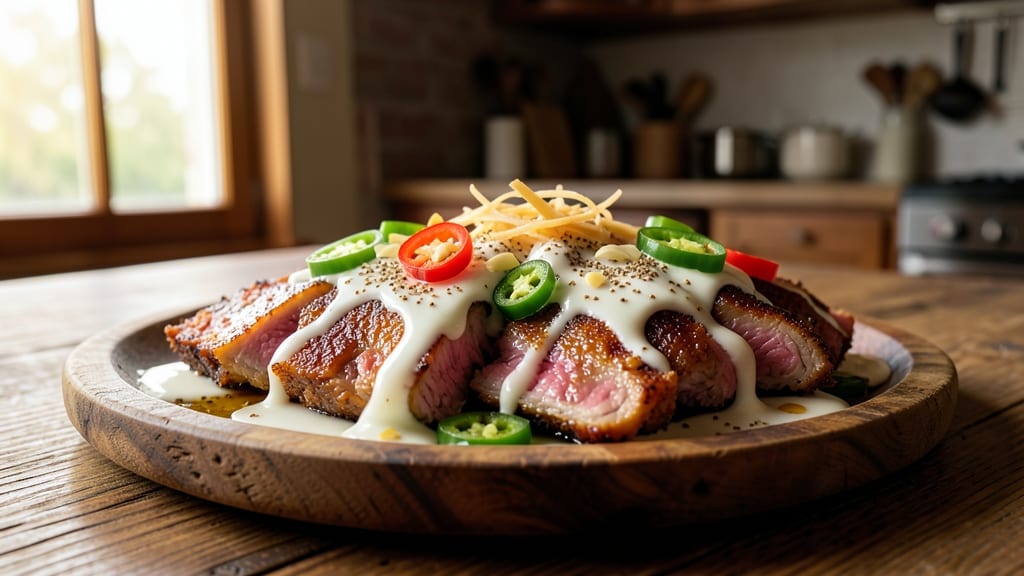
Mastering mutton kaleji fry delivers that crispy crunch and juicy core that makes it a standout dish in South Asian cuisine. The secret lies in tenderizing the mutton overnight with yogurt and spices, then frying it just right to achieve that perfect texture contrast.
I've perfected this recipe after years of experimenting with marination times and frying techniques.
What sets this dish apart is the balance between the crispy exterior and tender interior, achieved through precise frying and careful handling. The marination not only tenderizes the meat but also infuses it with aromatic flavors that develop overnight.
This method ensures every bite delivers both texture and depth of flavor.
By following these steps, you'll create restaurant-quality mutton kaleji fry with golden-brown edges and succulent meat inside. The dish pairs beautifully with mint chutney or a side of raita, making it a complete meal. Let's get started on this flavorful journey that will elevate your cooking repertoire.
This recipe serves four and can be prepared in about 24 hours (including marination time) with an active cooking time of 30 minutes. The key to success lies in patience during the marination and careful temperature control while frying.
Once mastered, this dish will become a staple in your collection of perfect South Asian recipes.
Ingredients for mutton kaleji fry
Fourteen ingredients expertly balanced for that signature crispy crunch and succulent mutton texture.
| Ingredient | Amount | Notes |
|---|---|---|
| Mutton Kaleji (Mutton Cheeks) 🥩 | 1 ½ lb | Fresh, trimmed of excess fat |
| Plain Yogurt 🥛 | 1 cup | Full-fat, unsweetened |
| Garlic Cloves 🧄 | 8 cloves | Peeled, finely minced |
| Ginger 🌿 | 1 tbsp | Fresh, grated |
| Green Chilies 🌶️ | 4 whole | Slit lengthwise, deseeded |
| Ground Cumin Seeds 🌿 | 1 tbsp | Toasted, freshly ground |
| Ground Coriander 🌿 | 1 tbsp | Freshly ground preferred |
| Turmeric Powder 🧂 | ½ tsp | Freshly ground preferred |
| Red Chili Powder 🌶️ | 1 tbsp | Adjust for heat preference |
| Garam Masala 🌶️ | 1 tsp | Freshly ground preferred |
| Lemon Juice 🍋 | 2 tbsp | Freshly squeezed |
| Vegetable Oil 🫒 | 3 cups | High smoke point preferred |
| Salt 🧂 | 1 ½ tsp | Diamond Crystal kosher salt |
| Fresh Cilantro 🌿 | ¼ cup | Chopped, for garnish |
The mutton kaleji is the star—opt for fresh, high-quality pieces from a trusted butcher, as frozen or pre-marinated versions compromise texture. Local halal butchers or specialty South Asian markets (like Patel Brothers) carry the best cuts. Look for cheeks with minimal fat; trim excess carefully to ensure even cooking. The yogurt should be full-fat and unsweetened, as reduced-fat versions won't tenderize properly. Greek or Indian-style plain yogurt works best, but avoid flavored varieties. For spices, MTR or Everest brands are reliable for consistent quality, though freshly ground spices elevate the dish significantly.
No fresh cilantro? Dried coriander leaves at half the amount suffice, though fresh adds vibrant aroma. Green chilies too spicy? Substitute with 2 tbsp mild green chili powder or omit entirely for a milder profile. The garam masala is non-negotiable—store-bought blends work, but a homemade mix of cinnamon, cardamom, cloves, and black peppercorns (toasted and ground) delivers superior depth. For the oil, vegetable or canola oil with a high smoke point prevents burning during frying. Lemon juice can be substituted with white vinegar at half the amount in a pinch, though fresh lemon brightens the marination.
Marinated mutton keeps in the refrigerator for up to 24 hours, though overnight marination yields optimal tenderness. The fried kaleji holds for 3-4 days in an airtight container, though texture degrades after 2 days. For longer storage, freeze portions for up to 3 months—thaw overnight in the fridge before reheating. Reheat gently in a skillet with a splash of water to restore moisture. Garnish with fresh cilantro just before serving to preserve its vibrant color and aroma.
Why You'll Love This Recipe
- Same recipe, two vibes: serve with roti for a lazy Sunday or slice thin for kebabs at your next gathering. Honestly, it’s my go-to for both.
- Few Ingredients, Big Payoff: I swear by this one—just yogurt, garlic, ginger, and green chilies to transform tough kaleji into something tender and addictive. No fancy pantry staples, no stress.
- Crispy-Tender Magic: That first bite? The outside crackles, the inside melts—like a hug for your taste buds. The yogurt marinade does all the work while you sip chai.
- Weeknight & Party Star: Same recipe, two vibes: serve with roti for a lazy Sunday or slice thin for kebabs at your next gathering. Honestly, it’s my go-to for both.
Step-by-step instructions for mutton kaleji fry
Here's the method to achieve that signature crispy exterior with a succulent, melt-in-your-mouth interior.
Prepare the Mutton Kaleji for Deep Frying
Begin by trimming the 1.5 lb mutton kaleji of any remaining fat or connective tissue, leaving only the clean cheek meat. This step is crucial for even cooking and maximum crispiness. Cut each cheek into 4 even pieces (about 6-8 ounces each), ensuring they're roughly the same thickness—this prevents uneven cooking.
In a large bowl, combine the 1 cup plain yogurt, 1 tbsp grated ginger, 8 cloves minced garlic, 4 slit green chilies, 1.5 tsp salt, 0.5 tsp turmeric powder, 1 tbsp ground cumin seeds, and 1 tbsp ground coriander. Mix thoroughly to create a smooth marinade. Coat each mutton piece evenly in this mixture, pressing gently to ensure the marinade adheres to all surfaces. Let it marinate for at least 2 hours (or overnight for deeper flavor penetration).
Create the Double-Fry Technique for Maximum Crispiness
Heat 1 cup vegetable oil in a deep, heavy-bottomed pot over medium heat until it reaches 325°F—this lower temperature ensures the mutton cooks through without burning. Gently lower the marinated mutton pieces into the oil using a slotted spoon, ensuring they don't overlap. Fry for 12-15 minutes, turning occasionally, until the mutton is fully cooked through (internal temperature should reach 160°F). The exterior will be lightly browned but not yet crispy.
Remove the mutton and set it aside on a wire rack. This resting period allows excess oil to drain while maintaining moisture inside. Now, increase the oil temperature to 375°F—this higher heat is what creates that signature crispy texture. Working in batches, fry the mutton again for 4-5 minutes until it develops a deep golden-brown crust. The contrast between the crispy exterior and tender interior is what makes this dish exceptional.
Finish with Spiced Lemon and Garnish
In a small bowl, whisk together 2 tbsp lemon juice, 1 tbsp red chili powder, and 1 tsp garam masala. Once the mutton is crispy, transfer it to a serving platter and immediately drizzle with this spiced lemon mixture. The acidity cuts through the richness while adding brightness and depth of flavor. Toss gently to coat evenly.
Garnish with 0.25 cup chopped fresh cilantro just before serving. The herb adds a fresh contrast to the rich, spiced mutton. Serve immediately while the exterior remains crispy and the interior stays juicy. This dish is best enjoyed fresh, as the texture begins to soften within minutes of leaving the fryer.
Pro Tips For Making Mutton Kaleji Fry
- CUT KALEJI THINLY: I learned this the hard way—thick slices of kaleji stay chewy no matter how long you fry them. Use a sharp knife and slice against the grain into ¼-inch pieces. If you’re impatient like me, freeze the kaleji for 30 minutes first—it makes slicing cleaner and more uniform.
- MARINATE IN YOGURT LONGER: The yogurt marinade isn’t just for flavor—it tenderizes the kaleji. Let it sit for at least 2 hours (overnight if possible). I used to rush it and ended up with tough, rubbery bites. The acid works best when given time to break down the collagen.
- DON’T OVERCROWD THE PAN: Kaleji needs room to sizzle, not steam. Fry in batches if your pan is small—overcrowding turns the yogurt marinade into a soggy mess instead of a crispy crust. A hot pan with a little oil (just enough to coat) is your friend here.
- BLANCH GINGER-GARLIC PASTE: Sounds weird, but it works: blend the ginger and garlic with a splash of water, then fry this paste for 2 minutes before adding the kaleji. This removes the raw bite and deepens the flavor. Skip this, and the dish tastes undercooked, even if the kaleji is perfectly fried.
Flavor customization for mutton kaleji fry
Spice Level Control
Adjust the heat to your preference by modifying the green chilies and red chili powder. For a mild kick, reduce to 2 green chilies and ½ tbsp red chili powder.
If you love spice, add 6 green chilies and 2 tbsp red chili powder, plus ½ tsp cayenne pepper to the marinade. I find 4 green chilies and 1 tbsp red chili powder strike the perfect balance for most palates. 🌶️
Smoky Char Flavor
For a smoky depth, add 1 tsp smoked paprika to the marinade or sprinkle ½ tsp smoked sea salt on the fried kaleji before serving.
I also recommend finishing with a dash of chaat masala (about ½ tsp) for a tangy, smoky aroma that pairs beautifully with the crispy texture. This works especially well if you're serving it with mint chutney.
Citrus Variations
Swap lemon juice for orange juice (same amount) to add a sweet, citrusy twist that complements the richness. For a tangier finish, use lime juice instead—just reduce to 1 tbsp to avoid overpowering the dish.
I’ve also experimented with yuzu juice (a Japanese citrus) for a subtly floral note that elevates the dish to gourmet levels.
Herb and Aroma Boost
Incorporate 1 tbsp finely chopped mint into the marinade for a refreshing herbal note that’s common in Pakistani-style kaleji fry. Alternatively, add 1 tsp fenugreek leaves (kasuri methi) to the spiced lemon finish for a nutty, earthy depth.
Fresh herbs like cilantro stems (not just leaves) add extra aroma—chop and mix into the marinade for maximum impact.
Sweet and Savory Fusion
Balance the richness with a touch of sweetness by adding 1 tbsp honey or 1 tsp jaggery to the marinade. For a caramelized finish, toss the fried kaleji in 1 tbsp brown sugar before the final fry—this creates a sticky, glossy crust that’s irresistible.
I’ve also drizzled 1 tsp date syrup over the dish post-frying for a luxurious touch. 💫
Nutrition facts
Frequently asked questions
What makes mutton kaleji fry different from regular mutton dishes?
The key difference lies in the double-frying technique that creates a crispy exterior while keeping the interior juicy. Kaleji (mutton cheeks) are marinated overnight in yogurt and spices, then fried twice at different temperatures (325°F then 375°F) for that signature texture contrast. Regular mutton dishes like curries or roasts focus on tenderness without the crispy element.
Can I substitute mutton kaleji with another cut of meat?
While kaleji is ideal due to its collagen-rich texture, you can use beef cheeks or lamb shoulder in a pinch. For best results, choose cuts with connective tissue that will break down during marination. Avoid lean cuts like sirloin—they lack the fat needed for crispiness. If using beef, reduce marination time to 12 hours to prevent over-tenderizing.
Why does my mutton kaleji fry turn out greasy?
Greasiness usually happens from one of three issues: overcrowding the fryer (reduces oil temperature), not draining properly after the first fry, or using too much oil. Always fry in batches, let pieces rest on a wire rack between fries, and use 3 cups total oil (not per piece). The double-fry method should leave you with crispy, not greasy, results.
How do I reheat mutton kaleji fry without losing crispiness?
Reheat in a skillet over medium heat for 2-3 minutes per side with 1 tbsp oil—just enough to restore the crispy crust. Avoid microwaving or oven reheating, which makes the exterior soggy. For extra crunch, sprinkle with 1 tsp breadcrumbs before reheating. Store in an airtight container for up to 3 days (best eaten within 2 days).
What are the best sides to serve with mutton kaleji fry?
Traditional pairings include mint chutney (to cut the richness), cucumber raita (for cooling contrast), or steamed basmati rice. For a modern twist, try roasted garlic naan or a mango-lime salad. The crispy texture stands up well to both creamy and fresh accompaniments—just avoid heavy sauces that would make it soggy.