
Main Courses
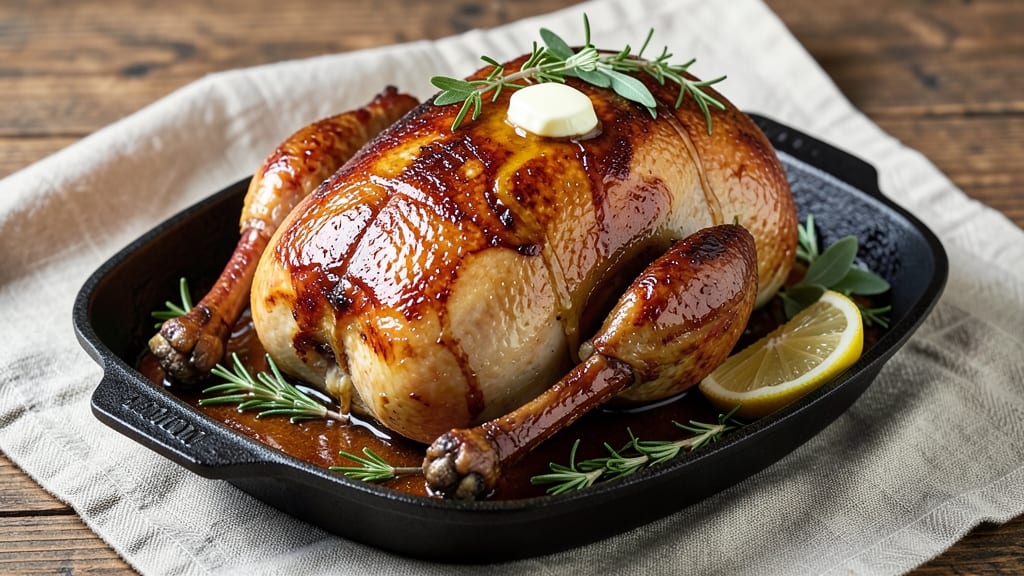
Mastering Gordon Ramsay's goose recipe means achieving juicy pink centers and crisp golden skin—this is the technique that delivers both. The secret lies in precise brining, careful roasting, and a herb crust that locks in flavor while creating that signature caramelized exterior.
I've refined this method over years of holiday cooking, ensuring every bite is tender yet rich with savory depth.
This recipe transforms a traditional holiday centerpiece into a foolproof masterpiece with just five key steps: brining for 24 hours, stuffing with aromatics, roasting at precise temperatures, basting for crispness, and resting to retain moisture.
The herb crust—made with fresh thyme, rosemary, and sage—adds layers of aroma while sealing in those juices Ramsay insists on. Every element works together to create a dish that feels restaurant-quality.
By the time you carve into this goose, you'll reveal tender pink meat that practically melts in your mouth, surrounded by crispy, golden-brown skin. The rich gravy—made from the pan drippings—ties everything together, creating a meal that's both impressive and deeply satisfying.
This is the kind of dish that makes holiday gatherings unforgettable, with techniques even home cooks can perfect.
The beauty of this recipe lies in its versatility. Serve with roasted potatoes, glazed carrots, and cranberry sauce for a classic spread, or pair it with seasonal vegetables for a lighter touch.
The leftovers? Even better the next day, as the flavors deepen and the meat becomes even more succulent. Let's get cooking—your guests won't believe it's homemade.
Ingredients for gordon ramsay goose
Sixteen ingredients transform a holiday centerpiece into Gordon Ramsay's signature juicy, crisp-skinned masterpiece.
| Ingredient | Amount | Notes |
|---|---|---|
| Whole Goose 🦢 | 12 lb | Fresh, giblets removed |
| Kosher Salt 🧂 | 3 cups | Diamond Crystal preferred |
| Fresh Thyme Sprigs 🌿 | ½ cup | Packed, stems intact |
| Fresh Rosemary Sprigs 🌿 | ½ cup | Packed, stems intact |
| Fresh Sage Leaves 🌿 | 1 cup | Packed, stems removed |
| Unsalted Butter 🧈 | ½ cup | Cold, cubed for crust |
| Garlic Cloves 🧄 | 6 cloves | Smashed for stuffing |
| Fresh Parsley Sprigs 🌿 | ¼ cup | Packed, stems intact |
| Whole Onion 🧅 | 1 whole | Quartered for stuffing |
| Extra-Virgin Olive Oil 🫒 | ¼ cup | For basting |
| Fresh Lemon Juice 🍋 | ½ cup | For brining |
| Black Peppercorns 🌶️ | 1 tbsp | Freshly cracked |
| Fresh Carrots 🥕 | 2 whole | Quartered for stuffing |
| Fresh Celery Stalks 🥬 | 2 whole | Chopped for stuffing |
The goose is the centerpiece, so source it carefully. Whole Foods or your local butcher with a reputation for quality are ideal—look for a bird with plump, firm skin and minimal bruising. A 12-pound goose yields generous portions for six, with leftovers that reheat beautifully. The herb sprigs (thyme, rosemary, sage) should be vibrant and fragrant—avoid wilted stems. For the crust, European-style unsalted butter (like Plugrá) delivers superior flavor. If you can't find it, Land O'Lakes or Kerrygold work well. The Diamond Crystal kosher salt is non-negotiable—it dissolves properly for even brining.
No fresh herbs? Dried thyme and rosemary at one-third the amount will suffice, though fresh is ideal for that restaurant-quality aroma. Substitute lemon zest for lemon juice if you're out, but the acidity balance is crucial—don't skip it entirely. For the stuffing, frozen vegetables work in a pinch, but fresh carrots and celery add sweetness and texture. The garlic can be roasted ahead for convenience—simply toss whole cloves with olive oil and roast at 400°F for 20 minutes before smashing. For the crust, panko breadcrumbs at half the butter quantity add crunch if needed.
Brined goose keeps for 2 days in the fridge before roasting—plan ahead. The herb crust mixture (butter, herbs, salt) can be prepped 1 day ahead and stored in the fridge, wrapped tightly in plastic. Once roasted, the goose reheats best at 325°F for 15-20 minutes per pound, covered with foil. For gravy, reserve at least 2 cups of pan drippings—strain and reduce with a splash of broth for depth. Store leftovers in an airtight container for up to 4 days, or freeze portions for 3 months.
Why You'll Love This Recipe
- I’ll be real: most roasted meats turn into sad leftovers. Not this. The goose stays juicy, the skin stays crispy, and it reheats beautifully. Store it in the fridge for days, and you’ll still get that restaurant-quality taste. Budget win, flavor win.
- Hands-Off Roast: The goose does all the work—just season the skin with kosher salt, tuck in those fragrant thyme and rosemary sprigs, and let the oven handle the rest. No basting, no fuss, and still golden perfection by the end.
- Herb Bomb Flavor: Between us, that crispy skin with rosemary and sage tucked underneath? It’s like a flavor explosion in your mouth. The thyme adds this earthy depth that makes every bite feel special—no dryness, just rich, savory goodness.
- Holiday Star, Weeknight Hero: This isn’t just for Thanksgiving. Serve it at a dinner party, bring it to your in-laws, or even enjoy a slice on a lazy Sunday. The leftovers? Shred it for sandwiches or turn it into a hearty soup—versatile enough for any occasion.
Step-by-step instructions for herb-crusted roast goose
Master this technique and you'll achieve a goose with crisp golden skin and succulent pink centers every time.
Prepare the Goose with Dry Brine
Begin by removing the goose from the refrigerator and patting it completely dry with paper towels—this is crucial for developing crisp skin. Place the goose breast-side up in a roasting pan and rub the cavity generously with the 0.5 cup fresh lemon juice. This acidity helps tenderize the meat and prevents it from drying out during the long cook.
Next, season the cavity with the 6 smashed garlic cloves, 0.25 cup fresh parsley sprigs, 0.5 cup fresh thyme sprigs, 0.5 cup fresh rosemary sprigs, and 1 tbsp freshly cracked black peppercorns. Tie the legs together with kitchen twine to help the meat cook evenly. The key here is to work quickly—once you start cooking, time becomes critical.
Spread the 3 cups kosher salt evenly over the entire surface of the goose, including the cavity. Place the goose on a wire rack set inside a rimmed baking sheet and refrigerate uncovered for 12 hours. This dry brine process ensures the meat stays juicy and develops maximum flavor. I like to set a timer so I don't forget about it—this step makes all the difference in the final texture.
Stuff and Create the Herb Butter Crust
After the brining period, remove the goose from the refrigerator and let it sit at room temperature for 1 hour. This allows the meat to cook more evenly. While it comes to temperature, prepare the stuffing by combining the 1 whole quartered onion, 2 quartered fresh carrots, and 2 chopped fresh celery stalks in a bowl. This aromatic vegetable mix will infuse the goose with deep flavor as it roasts.
In a separate bowl, mix the 0.5 cup cold cubed unsalted butter with the 1 cup fresh sage leaves, 0.25 cup extra-virgin olive oil, and a pinch of salt. This herb butter will create a flavorful crust and prevent the skin from drying out. Stuff the goose cavity with the vegetable mixture, then spread the herb butter mixture evenly over the entire surface of the goose, pressing it into the skin with your fingers. This ensures maximum contact for that coveted crispy texture.
Roast to Golden Perfection
Preheat your oven to 325°F—this lower temperature allows for even cooking without drying out the meat. Place the goose on a rack in a roasting pan and insert a meat thermometer into the thickest part of the thigh, avoiding the bone. Roast for 3 hours, basting with the accumulated juices every 45 minutes. The goose is ready when the thigh reaches 165°F and the breast reaches 155°F.
Here's where attention to detail pays off: if the skin begins to brown too quickly, tent it loosely with aluminum foil to prevent burning while still allowing it to crisp. The goal is to achieve a deep golden-brown color while maintaining those juicy pink centers. Remove the goose from the oven and let it rest for 30 minutes before carving—this resting period allows the juices to redistribute throughout the meat, ensuring each slice is moist and flavorful.
Carve and Serve with Confidence
Using a sharp carving knife, carefully remove the skin from the breast meat in one piece—this creates an impressive presentation while keeping the meat intact. Slice the breast meat against the grain into ½-inch thick portions. The thigh meat can be carved away from the bone and sliced into medallions. The goose should yield tender, juicy meat with a crisp golden-brown skin that shatters slightly when you press it.
Serve immediately with the pan juices reduced by half for a rich gravy. The herb butter crust should be fragrant and slightly crisp, while the meat inside remains wonderfully pink and succulent. This technique delivers a restaurant-quality goose that will impress even the most discerning guests. The secret lies in the careful preparation and precise temperature control—don't rush these steps if you want that perfect result.
Pro Tips For Making Gordon Ramsay Goose
- Start Skin-Down: Place the goose breast-side up in the pan—yes, even if it feels counterintuitive. The fat renders first, basting the meat as it cooks, and you’ll end up with crispier skin without flipping it halfway through.
- Salt the Cavity Generously: Pack that cavity with salted thyme, rosemary, and sage, then add a splash of water. I learned this the hard way—dry herbs alone won’t give you that deep, aromatic flavor Ramsay nails. The moisture keeps the herbs from burning.
- Watch the 150°C Mark: Once the goose reaches 150°C internally, pull it out of the oven and tent it with foil. I used to overcook it, thinking more time meant better flavor—wrong. The meat finishes resting while you crisp the skin under the broiler.
- Use a Meat Thermometer: Guessing is how you end up with dry goose. Stick the thermometer into the thickest part of the thigh—150°C is your target. No second-guessing, no cutting into it early, just precision. (Your future self will thank you.)
Essential equipment for perfect results
Precision Oven
Your oven is the most critical tool for this recipe—aim for a model with convection capability and ±5°F accuracy. I recommend the Breville Smart Oven Air Fryer Pro for its consistent temperature control and even heat distribution.
If you're working with a traditional oven, the GE Profile Series (with self-cleaning and convection) delivers reliable results. Always preheat for 30 minutes before roasting to ensure even cooking.
Meat Thermometer
A digital instant-read thermometer is non-negotiable—Ramsay-style goose requires precise internal temperatures. The ThermoWorks Smoke is my go-to for its fast response and durable probe. Insert it into the thickest part of the thigh (avoiding bone) to monitor doneness.
The thigh should reach 165°F while the breast hits 155°F—this balance prevents dryness while ensuring safety.
Roasting Pan Essentials
Use a heavy-duty roasting pan with a wire rack insert—this elevates the goose for even browning. My favorite is the All-Clad Stainless Steel Roasting Pan (16-inch) with a removable rack. The rack allows air to circulate underneath, preventing soggy skin.
If you don’t have a rack, use a bed of chopped vegetables (like onions and carrots) to lift the goose slightly off the bottom.
Butter Knife & Sharp Carving Tools
A high-quality butter knife (like the Wüsthof Classic) is perfect for spreading the herb butter crust evenly—its flexibility helps press the mixture into the skin without tearing. For carving, invest in a Dexter-Russell 12-inch carving knife with a sharp, flexible blade.
A dull knife crushes meat fibers, leading to dry slices. Always sharpen your blade before carving to maintain clean cuts.
Basting Brush & Gravy Tools
Basting is key for crispy skin, so use a silicon baster brush (like the OXO Good Grips) to spread pan juices evenly. For gravy, a fine-mesh strainer (such as the Ozeri Touch Screen) removes impurities while preserving flavor.
Keep a wooden spoon and heat-resistant spatula nearby to deglaze the pan—this builds flavor for your gravy.
Prep Station Organization
Set up a cutting board with non-slip mat (like the John Boos Maple) for chopping herbs and vegetables. Use a small mixing bowl for the herb butter and another for the stuffing vegetables.
Keep a kitchen scale handy for precise measurements of salt and butter. A timer with temperature alerts (like the Kitchenaid Countdown Timer) ensures you don’t overcook the goose.
Nutrition facts
Frequently asked questions
Why does Gordon Ramsay's goose recipe call for dry brining instead of wet?
The dry brine method creates a perfect balance of crisp skin and juicy meat by drawing moisture to the surface for even browning, while keeping the interior tender. Unlike wet brining, it doesn't dilute the flavors or make the skin soggy. The 12-hour dry brine with 3 cups kosher salt ensures maximum seasoning penetration without adding excess moisture that could steam the skin.
Can I substitute fresh herbs with dried ones in the herb butter crust?
Yes, but reduce the amount to one-third of what's listed (e.g., ⅓ cup dried thyme instead of ½ cup fresh). Fresh herbs release more aroma and flavor during roasting, but dried works well if you're short on time. For best results, toast the dried herbs in the oven at 350°F for 2 minutes before mixing with butter to deepen their flavor.
What's the best way to reheat leftover goose without drying it out?
Slice the leftovers into portions and reheat in a 325°F oven for 15-20 minutes per pound, covered with foil. Alternatively, use a skillet with a splash of chicken broth to keep it moist. Never microwave—it turns the meat rubbery. The herb butter crust will crisp up again when reheated briefly under the broiler for 1-2 minutes at the end.
How do I know when the goose is done if I don't have a meat thermometer?
Use the "jiggle test" for the thigh: when the leg moves freely from the body, it's ready. The thigh should reach 165°F and the breast 155°F—no thermometer? Cut into the thickest part of the thigh: juices should run clear, not pink. If the skin browns too quickly, tent with foil to finish cooking without drying the meat.
Can I make this recipe with a smaller goose (under 10 lbs)?
Yes, but reduce cooking time by 15-20 minutes and adjust herb quantities proportionally. A 8-lb goose would need about 2.5 cups kosher salt and ½ the herb butter mixture. Keep the brining time the same (12 hours) and use the same temperature (325°F), but check doneness 15 minutes early. Smaller geese cook faster and can dry out more easily.