
Main Courses
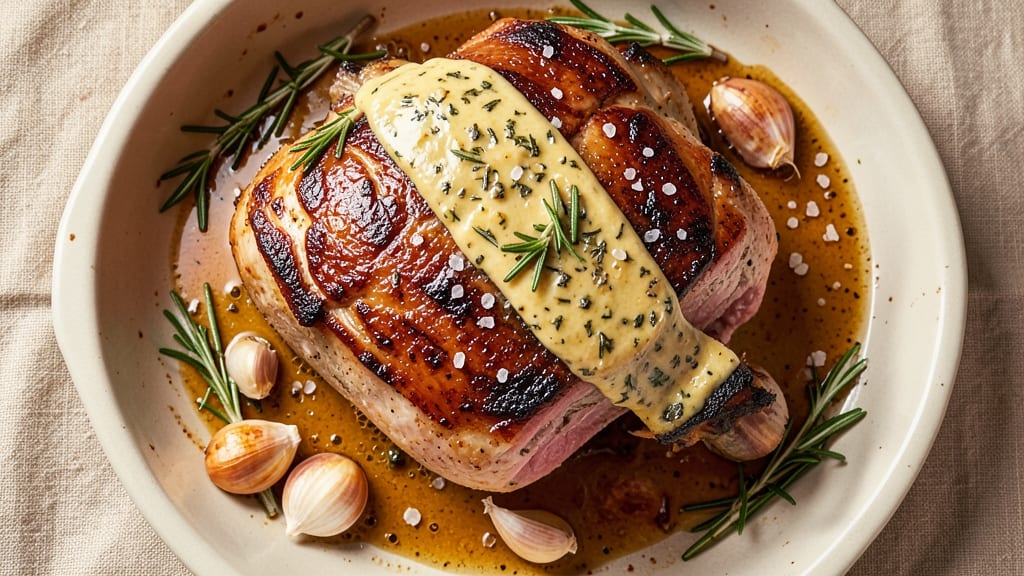
A roast semi-boneless leg of lamb delivers restaurant-quality results with a crispy herbed crust and juicy pink centers that melt in your mouth. This technique transforms a simple roast into a centerpiece-worthy dish that impresses without requiring advanced skills.
The secret lies in precise seasoning and temperature control—no guesswork, just foolproof execution.
What sets this recipe apart is the balance of flavors: rosemary, garlic, and Dijon mustard create a fragrant crust that locks in moisture while keeping the interior tender.
Unlike traditional recipes that call for hours in the oven, this method achieves perfect doneness in about 90 minutes at 325°F, ensuring you stay on schedule without sacrificing quality.
By the time you carve into this roast, you’ll have a juicy, aromatic centerpiece with a golden, herb-infused exterior that’s impossible to resist. The internal temperature of 135°F guarantees that signature pink hue while maintaining tenderness.
Pair it with roasted potatoes and a bold red wine reduction for a complete meal.
This recipe is designed for confidence—whether you're hosting a dinner party or treating yourself to a special meal. The technique is straightforward, but the results are undeniably impressive. Let’s get started on creating your perfect roast.
Ingredients for roast semi boneless leg of lamb
The perfect roast starts with these 13 ingredients—simple but powerful for restaurant-worthy lamb.
| Ingredient | Amount | Notes |
|---|---|---|
| Semi-Boneless Leg of Lamb 🐑 | 4 lb | Bone-in preferred for flavor |
| Fresh Rosemary 🌿 | ½ cup | Finely chopped sprigs, stems removed |
| Garlic Cloves 🧄 | 8 cloves | Minced for even distribution |
| Dijon Mustard 🍯 | 2 tbsp | High-quality for authentic flavor |
| Extra-Virgin Olive Oil 🫒 | ¼ cup | For crust and basting |
| Kosher Salt 🧂 | 1 ½ tbsp | Diamond Crystal preferred |
| Freshly Ground Black Pepper 🌶️ | 1 tbsp | Cracked peppercorns preferred |
| Red Wine 🍷 | ½ cup | Dry, bold variety like Cabernet |
| Fresh Thyme 🌿 | ¼ cup | Leaves only, stems removed |
| Unsalted Butter 🧈 | ½ cup | Cold, cubed for basting |
| Fresh Lemon Juice 🍋 | 2 tbsp | From 1 small lemon |
| Yellow Onion 🧅 | 1 whole | Thinly sliced for garnish |
| Fresh Parsley 🌿 | ¼ cup | Chopped, for garnish |
The lamb is the star, so bone-in is key—it stays juicier and more flavorful. Costco or Whole Foods have great cuts, but any butcher will trim it for you. Look for a piece with good fat marbling around the edges—this keeps it tender. If you can't find semi-boneless, a regular leg works too, just remove the bone yourself. The rosemary? Fresh is non-negotiable here—dried just won't cut it. Grab a big bunch and use half now, save the rest for other dishes.
No fresh rosemary? Dried at one-third the amount works in a pinch, but trust me, fresh is worth the trip to the market. Running low on red wine? Dry white or beef broth works for basting—just skip the deglazing. The Dijon mustard adds depth, but whole-grain mustard works if that's what you've got. For the crust, olive oil matters—use something fruity and peppery, not that mild stuff. And if you're feeling fancy, swap the butter basting for garlic-infused oil—just mix minced garlic into melted butter before adding it.
This roast reheats beautifully—just warm in the oven with a splash of water. Keeps 3-4 days in the fridge, wrapped tightly. For leftovers, slice thin and serve with a warm red wine reduction or extra roasted veggies. The crust gets crispier after resting, so let it sit 10 minutes before carving. And save the bones! They make amazing broth for another meal.
Why You'll Love This Recipe
- Foolproof Prep: I swear by this—just rub the lamb with rosemary, garlic, and olive oil, then let the oven do the work. No fancy prep, no stress, and the mustard adds that tangy kick without extra effort.
- Crispy-Creamy Magic: That rosemary crust? Irresistible. The outside gets golden and fragrant while the inside stays tender—every bite is a balance of earthy, herby, and slightly sweet. (Yes, even my picky husband finishes his plate.)
- Weeknight or Weekend: Serve it sliced thin for a weeknight dinner with roasted potatoes, or let it rest and carve it for a fancy weekend meal. Same recipe, two totally different vibes—no extra steps, just flexibility.
- Leftovers That Win: The lamb stays juicy for days, and the flavor only gets better. I pack it for lunches or toss it into grain bowls—no one ever complains, and I save money by stretching one roast into multiple meals.
Step-by-step instructions for roast semi-boneless leg of lamb
Here's how to transform a simple leg of lamb into a showstopper with crispy herbed crust and melt-in-your-mouth pink centers.
Prepare the Herb Butter and Season the Lamb
In a small bowl, combine the 0.5 cup unsalted butter, 0.5 cup finely chopped fresh rosemary, 0.25 cup minced garlic cloves, 2 tbsp Dijon mustard, 1.5 tbsp kosher salt, and 1 tbsp freshly ground black pepper. Mix until evenly combined and form into a log shape. Wrap tightly in plastic wrap and chill for 30 minutes—this keeps the butter firm for easy handling.
Remove the semi-boneless leg of lamb from the refrigerator and let it sit at room temperature for 1 hour. Pat it dry thoroughly with paper towels, then rub the chilled herb butter all over the surface, pressing it into the meat so it adheres well. This step is crucial for that signature herbed crust and juicy interior.
Sear the Lamb for Maximum Flavor
Preheat your oven to 325°F. Heat a large oven-safe skillet over medium-high heat and add 0.25 cup extra-virgin olive oil. Once the oil shimmers, place the lamb fat-side down and sear for 8-10 minutes until the surface is deeply golden brown. This initial sear locks in juices and creates a flavorful crust.
Flip the lamb and sear the other side for another 8-10 minutes. Transfer the skillet to the preheated oven and roast for 2 hours. The lamb is now halfway to perfect doneness, with the exterior sealed and the interior starting to tenderize. Here's where patience pays off—don't rush this step.
Deglaze and Baste for Moisture
After 2 hours, remove the lamb from the oven and place it on a cutting board. Pour 0.5 cup red wine into the skillet, scraping up all the browned bits with a wooden spoon. Let it simmer for 2-3 minutes until reduced by half, then return the skillet to the oven.
Add the 0.5 cup cubed unsalted butter to the skillet and baste the lamb every 20 minutes for the remaining 1-1.5 hours of cooking. This basting ensures the meat stays moist and develops that irresistible herbed crust. The lamb is done when the internal temperature reaches 145°F for medium-rare, or 160°F for medium doneness.
Rest and Slice for Perfect Texture
Once the lamb reaches your desired internal temperature, transfer it to a cutting board and tent loosely with foil. Let it rest for 20-30 minutes—this allows the juices to redistribute throughout the meat. Skipping this step results in dry slices, and we're going for juicy perfection.
Slice the lamb against the grain into ½-inch thick portions. Garnish with thinly sliced yellow onion and 0.25 cup chopped fresh parsley for a pop of color and freshness. Serve immediately with a squeeze of 2 tbsp fresh lemon juice over the top to brighten the flavors.
Pro Tips For Making Roast Semi Boneless Leg Of Lamb
- Trim the Fat First: That white fat cap on the lamb? Cut it down to about ¼-inch thick before roasting—it’ll render faster and crisp up beautifully, not turn into a greasy mess. I used to leave it thick, and the crust would always fight me.
- Smash Those Garlic Cloves: Skip the mincing—crush the garlic cloves with the flat side of your knife first. They’ll release flavor faster and stick to the lamb better when you rub in the mustard and rosemary. Trust me, this makes a real difference.
- Don’t Rush the Mustard Rub: Let the Dijon sit on the lamb for at least 30 minutes before roasting—it needs time to penetrate the meat and form that sticky, flavorful crust. I learned this the hard way when my lamb tasted like it was missing something.
- Check Temp Mid-Roast: Use a meat thermometer and pull the lamb when it hits 130°F (medium-rare). It’ll rise another 10°F while resting—no guessing, no overcooking. After burning one batch by eyeballing it, I never risked it again.
Flavor customization for this recipe
Herb Variations
Swap the rosemary for 1 tbsp fresh thyme and 1 tbsp fresh oregano for a Mediterranean twist. Add 1 tsp ground cumin and ½ tsp smoked paprika to the herb butter for a smoky depth.
I find this works especially well with a 4-lb leg—the spices penetrate beautifully during the long roast. 🌿
Spice Level Boost
For heat lovers, mix 1 tbsp harissa paste into the herb butter or sprinkle 1 tsp crushed red pepper flakes over the seared crust. Add ½ tsp cayenne to the basting butter for gradual heat development. I recommend starting with ½ tsp—you can always add more later.
Citrus Infusion
Zest 1 lemon and 1 orange into the herb butter for a bright, aromatic crust. Add 2 tbsp orange juice to the red wine deglaze for a citrus-forward reduction. This works especially well with a 325°F roast—citrus helps cut through the richness beautifully. 🍊
Sweet-Savory Balance
Add 1 tbsp honey or 1 tbsp maple syrup to the herb butter for a caramelized crust. I like to use Penzeys Old Bay seasoning (½ tsp) for a subtle sweet-spicy contrast. This pairing shines with a 160°F internal temp—the sweetness caramelizes perfectly during basting.
Global Twists
For a Moroccan-inspired version, add 1 tsp ground coriander and ½ tsp cinnamon to the herb butter. Deglaze with ½ cup chicken broth instead of wine.
For a Greek touch, use 1 tbsp dried oregano and ½ tsp dried mint in the crust. Both work beautifully with the same 325°F roasting method.
Cheese Crust Option
Mix ½ cup crumbled feta into the herb butter for a tangy crust. Sprinkle ¼ cup breadcrumbs over the seared lamb before roasting for extra texture. This works best with a 145°F internal temp—the cheese adds richness without overpowering the lamb's natural flavor. 🧀
Nutrition facts
Frequently asked questions
What's the best internal temperature for medium-rare lamb?
For that signature juicy pink center, aim for 135°F using a meat thermometer. This ensures the lamb stays tender while achieving perfect doneness. Remember, lamb carries more fat than beef, so it stays moist at slightly lower temperatures than other red meats.
Can I use a regular leg of lamb instead of semi-boneless?
Yes! Simply remove the bone yourself before roasting. The cooking time remains the same, but you may need to adjust your oven rack position to accommodate the shape. Pro tip: Wrap the bone in foil before roasting to prevent it from burning while the meat cooks.
Why does my lamb turn out dry?
Overcooking is the #1 culprit—lamb dries out quickly once it hits 160°F. Always use a meat thermometer and remove it 5°F before your target temp. The 20-minute rest is crucial too—this lets juices redistribute instead of pooling on your plate.
What's the best way to reheat leftover roast lamb?
Slice thin and reheat in a skillet with 1 tbsp butter and 2 tbsp red wine over medium-low heat for 3-4 minutes. Never microwave—it turns the meat rubbery. For whole leftovers, wrap tightly and bake at 300°F until warmed through (15-20 minutes).
How far ahead can I prep the herb butter?
Make it 2 days ahead—just keep it chilled until ready to use. For best flavor, let it sit at room temp for 30 minutes before applying to the lamb. If you forget, no worries—just use it straight from the fridge, but pat the lamb extra dry first for better adhesion.