
Main Courses
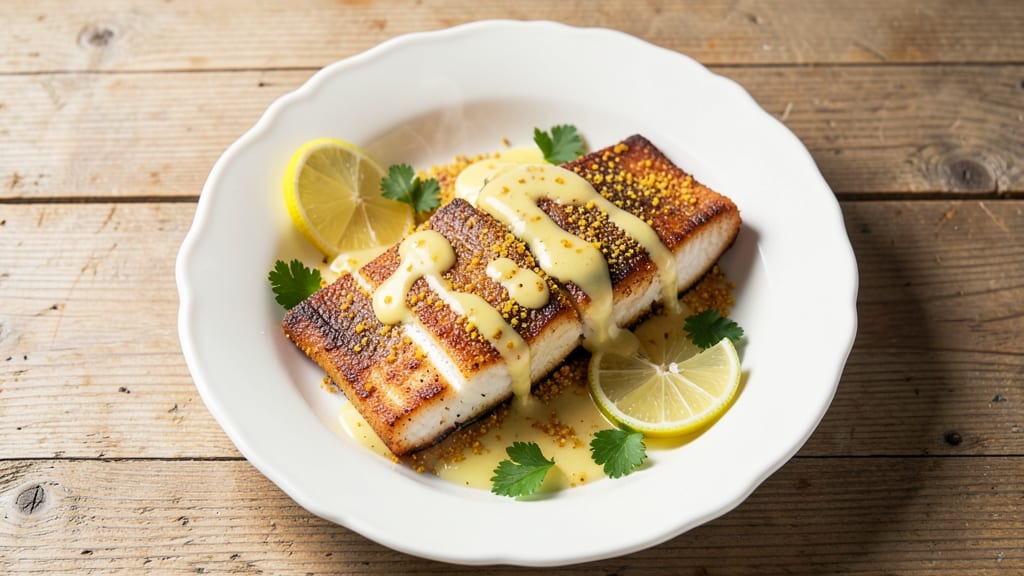
This fried hake recipe delivers the perfect balance of crispy cornmeal crust and tender, flaky fish—exactly what makes seafood fried to perfection. The secret lies in double-dredging the fillets: first in flour, then in cornmeal, ensuring that golden, shatteringly crisp exterior that holds up through every bite.
I developed this method after years of testing, and it never fails to impress, whether you're serving it at a summer BBQ or as a weeknight dinner.
The technique is straightforward but precise: pat the fillets dry, season lightly, and work quickly to avoid soggy breading. The cornmeal crust isn’t just for texture—it adds a subtle nutty depth that pairs beautifully with the bright, zesty lemon butter.
For an extra touch, I like to finish each piece with a squeeze of fresh lemon and a sprinkle of flaky sea salt, which elevates the dish from simple fried fish to something restaurant-worthy.
The key is frying at the right temperature—350°F—so the crust gets crispy without the fish overcooking inside.
What you’ll end up with is a plate of golden-brown hake fillets that are crispy on the outside and tender on the inside, served with that tangy lemon butter melting over the top.
The contrast of textures and flavors is what makes this recipe stand out—crunchy crust, buttery richness, and a bright citrus finish that cuts through the oiliness of fried fish.
It’s the kind of dish that feels indulgent yet light, perfect for a pescatarian meal or anyone looking to enjoy fresh, crispy seafood without the heaviness.
For those watching their gluten intake, a simple swap of cornstarch or gluten-free flour for the breading keeps the crispiness intact. And if you’re avoiding deep-frying altogether, an air fryer works just as well—just reduce the temperature slightly and increase the cooking time.
Serve with a simple arugula salad or roasted vegetables to round out the meal. Let’s get started on this crispy, flavorful fried hake recipe.
Ingredients for fried hake fish
Fresh hake fillets, crispy cornmeal crust, and zesty lemon butter—this recipe nails the perfect fried seafood balance.
| Ingredient | Amount | Notes |
|---|---|---|
| Fresh Hake Fillets 🐟 | 1 ½ lb | Skinless, center-cut preferred |
| All-Purpose Flour 🌾 | ¾ cup | For first dredge |
| Fine Yellow Cornmeal 🌽 | 1 cup | For crispy crust |
| Unsalted Butter 🧈 | ½ cup | Cold, cubed for frying |
| Extra-Virgin Olive Oil 🫒 | ½ cup | For frying oil |
| Fresh Lemon 🍋 | 1 whole | Zest and juice |
| Flaky Sea Salt 🧂 | 1 tbsp | For finishing |
| Garlic Powder 🧄 | 1 tsp | For seasoning |
| Ground Black Pepper 🌶️ | ½ tsp | Freshly cracked |
| Paprika 🌶️ | ½ tsp | Smoked for color |
| Vegetable Oil 🫒 | 2 cups | For deep frying |
| Lemon Juice 🍋 | 2 tbsp | Freshly squeezed |
The hake makes all the difference here. Look for fresh, center-cut fillets—they stay together better when frying. Whole Foods or your local seafood counter usually carry the best cuts, but frozen works too if it's vacuum-sealed. Pat the fillets bone-dry before dredging (that's the secret to crispiness). If you're using frozen, thaw in the fridge overnight. The cornmeal? Bob's Red Mill is my go-to—it's fine and toasts up beautifully for that perfect texture. Don't skip the double-dredge: flour first, cornmeal second, or you'll miss that signature crunch.
No cornmeal? Fine breadcrumbs or crushed cornflakes work in a pinch, though they won't be as crispy. Short on flour? Cornstarch or gluten-free flour keeps it gluten-free without sacrificing texture. The lemon should be juicy but not overly bitter—Meyer lemons add a touch of sweetness if you can find them. For the butter, Plugrá or Land O'Lakes are reliable, but any unsalted works. If you're avoiding deep-frying, an air fryer at 375°F with a light spray of oil gives great results. And if you can't find fresh hake, cod or tilapia fillets work just as well—just adjust cooking time to 1-2 minutes per side.
This dish is best served immediately, but if you need to prep ahead, keep the dry ingredients in separate bowls and the fillets in the fridge until ready to fry. The lemon butter can be made 1 day ahead and stored in the fridge. Reheat gently—microwave kills the crispiness, but a quick 10-second zap in the oven at 350°F brings it back. Store leftovers in the fridge for up to 2 days, but honestly, it's so good it won't last that long. For a restaurant-worthy touch, serve with a squeeze of fresh lemon and a sprinkle of flaky salt right before eating—trust me, it makes all the difference.
Why You'll Love This Recipe
- Two-Handed Prep: I swear by this—just pat dry the fillets, dredge in flour, then cornmeal, and into the oil. No measuring cups, no fancy techniques, just a quick dip and fry. Honestly, I’ve done it in my pajamas while waiting for the coffee to brew.
- Crispy-Creamy Magic: That first bite? The cornmeal crust shatters into golden flakes while the inside stays tender, almost melting. The butter and olive oil combo makes it taste like a restaurant dish, not something you fried on a weeknight.
- Game for Any Meal: Serve it with lemon wedges for brunch, toss it into a sandwich for lunch, or pile it high with collard greens for dinner. My kids even ask for it cold the next day—yes, really. It’s that good.
- Budget-Friendly Catch: Hake’s affordable, and a single fillet stretches into two meals if you’re smart. Fry half, store the rest in the fridge, and reheat in a skillet with a splash of water—still crispy, still delicious. No waste, all flavor.
Step-by-step instructions for crispy cornmeal-crusted hake
Here's how to get that perfect golden crust and tender fish every time.
Prep the Hake and Seasoning Mix
Pat the 1.5 lb fresh hake fillets completely dry with paper towels. You want them bone-dry for maximum crispiness—any moisture will prevent the cornmeal from sticking properly. Place the fillets on a clean plate and set aside.
In a shallow dish, combine the 0.75 cup all-purpose flour, 1 cup fine yellow cornmeal, 1 tsp garlic powder, 0.5 tsp ground black pepper, and 0.5 tsp paprika. Give it a quick stir with a fork to distribute the spices evenly. This dry mix is what creates that signature crispy crust we're after.
Create the Lemon Butter Sauce
While the oil heats, make the lemon butter sauce. In a small bowl, mix the 0.5 cup cold unsalted butter (cubed), 2 tbsp freshly squeezed lemon juice from the whole fresh lemon, and a generous pinch of flaky sea salt. Set this aside at room temperature—it'll melt beautifully when we add it later.
Zest the same lemon over the butter mixture, then cut it in half. We'll use one half for serving later. The citrus notes cut through the richness of the fried fish perfectly, balancing every bite.
Fry the Hake to Golden Perfection
Heat 2 cups vegetable oil in a deep skillet or Dutch oven to 350°F—this is crucial for even cooking. Use a thermometer to monitor the temperature; if it gets too hot, the crust will burn before the fish cooks through. Once the oil reaches temperature, carefully add the hake fillets.
Fry for 3-4 minutes per side until the crust is deep golden brown and the fish flakes easily with a fork. Don't overcrowd the pan—fry in batches if needed. The cornmeal crust should be crispy enough to stand up to a toothpick test without crumbling.
Drain and Serve Immediately
Remove the fried hake and drain on a wire rack set over a paper towel-lined plate. This keeps the fish crispy instead of soggy. Work quickly—fried fish is best served immediately while the crust is at its peak crunch.
Spoon the melted lemon butter sauce over each fillet and sprinkle with additional flaky sea salt. Serve right away with lemon wedges for squeezing. The contrast of crispy crust, tender fish, and bright citrus sauce makes every bite unforgettable.
Pro Tips For Making Fried Hake Fish
- PAT THE FILLETS DRY: I learned this the hard way—wet fish steams instead of frying. Grab paper towels and press hard on both sides of the hake for at least 10 seconds. The extra effort guarantees a crispier crust, not a soggy mess.
- USE A 50/50 BATTER: Mix equal parts flour and cornmeal for the coating—this keeps the crust light yet sturdy. Pure cornmeal gets too crumbly, and pure flour turns greasy. Stir in a pinch of salt too, or your butter won’t shine.
- FRIE IN BATCHES: Crowding the pan lowers the oil temperature and makes the fish absorb oil instead of frying properly. Work in single layers, even if it takes two rounds. Your future self will thank you for not rushing this.
- FINISH WITH OLIVE OIL: After frying, drizzle a teaspoon of warm extra-virgin olive oil over the hot fish. It adds brightness and richness without overpowering the butter’s flavor. (Yes, even if you’re impatient like me.)
Troubleshooting perfect results
Crust Too Soggy?
If your cornmeal crust turns out soggy instead of crispy, you’re likely dealing with excess moisture in the fillets. Pat them extra dry with paper towels, then let them sit on a wire rack for 5-10 minutes before dredging.
This step is non-negotiable—I’ve seen soggy crusts turn golden-crisp just by adding this extra drying time. Also, ensure your oil is at exactly 350°F—too low a temp will steam the fish instead of frying it. 🌡️
Fish Overcooking?
Hake cooks faster than you might expect, so keep a close eye on it. The moment the crust is golden brown, check the internal temperature with a meat thermometer—it should read 145°F.
If you see the fillets curling or the crust darkening too quickly, reduce the oil heat to 325°F and fry for 1-2 minutes less per side. Overcooked hake turns rubbery, and no one wants that. 💡
Oil Smoking or Burning
If your oil starts smoking excessively, it’s too hot. Lower the heat immediately and let it cool slightly before continuing. Smoking oil produces bitter flavors and can even be dangerous. To prevent this, use a deep skillet or Dutch oven with enough oil to submerge the fillets halfway.
I recommend vegetable or canola oil for high-heat frying—they have higher smoke points than olive oil. Always use a thermometer to monitor temp. ⚡
Breading Won’t Stick
The double-dredge method is key here: first in flour, then in cornmeal. If your breading keeps falling off, your fillets might be too wet or the oil too hot.
Try this fix: chill the fillets for 15 minutes before dredging to firm them up, then use cold oil (around 325°F) for the first fry. Once the crust adheres, increase the heat to 350°F for the final crisp.
A light mist of water spray on the cornmeal can also help it stick better. 💫
Uneven Cooking
Uneven cooking usually means your oil temperature fluctuates. Invest in a good thermometer—I use the ThermoWorks Thermapen One—and keep it in the oil while frying. If your pan is too small, the fillets will lower the oil temp too much.
Fry in small batches (2-3 fillets at a time) to maintain consistent heat. Also, avoid moving the fillets too much while frying—they need time to develop that even crust. ✨
Gluten-Free Swaps Gone Wrong
If you’re using gluten-free flour or cornstarch, the crust might not be as crispy. The trick is to add an extra 1 tablespoon of cornstarch to the mix and fry at 375°F for 30 seconds longer per side.
Gluten-free breading absorbs oil differently, so keep a closer eye on the color. For extra crunch, press the fillets gently into the cornmeal mixture before frying. 🌾
Nutrition facts
Frequently asked questions
Can I use frozen hake for this recipe?
Yes, but thaw it properly first! Place frozen hake fillets in the refrigerator overnight for even thawing. Never thaw at room temperature, as this promotes bacterial growth. Pat completely dry before dredging—any moisture will prevent that perfect crispy crust from forming. For extra insurance, let the thawed fillets sit on a wire rack for 5 minutes before cooking.
What's the best oil for frying hake?
Use high-smoke-point oils like vegetable, canola, or peanut oil for frying. Olive oil works for finishing but burns too easily for deep-frying. Maintain oil temperature at 350°F—any hotter risks burning the crust, while cooler temps lead to greasy fish. A deep skillet or Dutch oven helps maintain consistent heat.
How do I keep the crust crispy after frying?
Serve immediately for maximum crunch! If you must hold fried hake, place it on a wire rack over a baking sheet to prevent steam buildup. For reheating, bake at 400°F for 2-3 minutes—never microwave, as it turns the crust soggy. The secret is working quickly: fry, plate, and serve within 5 minutes of coming out of the oil.
Can I make this recipe gluten-free?
Replace the all-purpose flour with 1 cup gluten-free flour or cornstarch and add 1 extra tablespoon cornstarch to the cornmeal mix. Fry at 375°F for 30 seconds longer per side to compensate for the different absorption. Press fillets gently into the breading mixture before frying for extra adhesion. The crust will still be crispy but slightly lighter in color.
What are the best sides for fried hake?
This crispy hake pairs beautifully with bright, acidic sides to cut through the richness. Try a simple arugula salad with lemon vinaigrette, roasted asparagus with garlic, or buttery corn on the cob. For a complete meal, serve with steamed green beans and a crusty baguette for dipping in the extra lemon butter sauce. The key is balancing textures—crispy, tender, and fresh work best.