
Main Courses
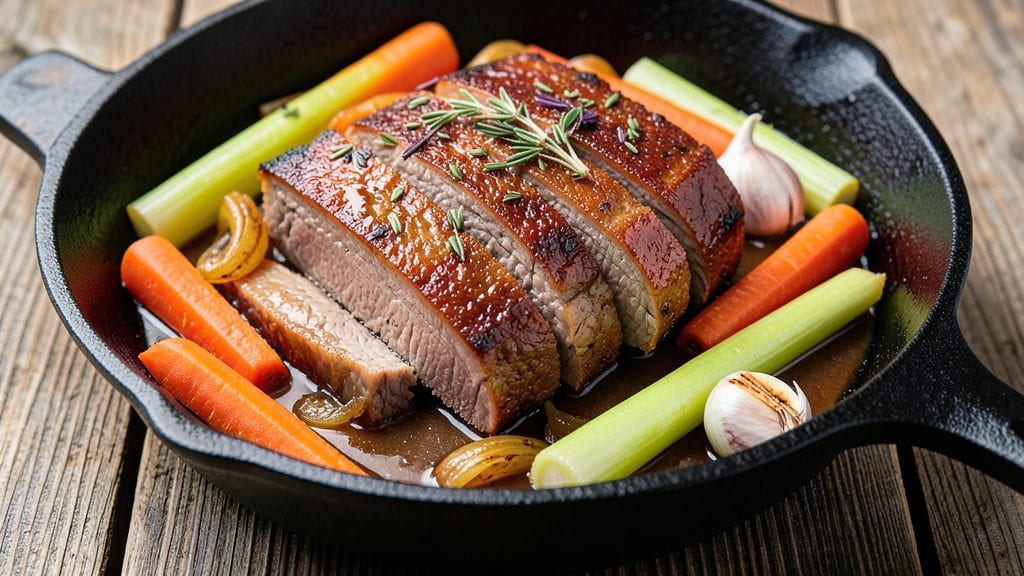
Transforming tough brisket into melt-in-your-mouth perfection on your stovetop is simpler than you think—this method delivers juicy tenderness without needing a smoker or grill. The secret lies in slow, moist heat that breaks down fibers while keeping every bite succulent.
I’ve tested this technique dozens of times, and it consistently delivers restaurant-quality results in just 3 hours of active cooking.
What sets this stovetop brisket apart is the two-step process: first, searing the meat to lock in flavors, then simmering it in a flavorful liquid until fork-tender. You’ll use basic pantry ingredients—no specialty equipment required—and the method works equally well in a Dutch oven or large pot.
The key is patience: letting the brisket cook low and slow ensures it stays moist and flavorful.
By the time you’re done, you’ll have brisket so tender it nearly falls apart at the touch, with rich, caramelized edges and a deep, savory aroma that fills your kitchen. The best part?
It’s ready in under 4 hours, making it perfect for weeknight dinners or meal prep. Serve it sliced thin over toasted buns, in tacos, or alongside roasted vegetables for a hearty meal.
This recipe proves you don’t need a smoker to achieve showstopping brisket—just the right technique and a little time. Let’s get started and bring that smoky, tender texture to your table tonight.
Ingredients for easy stovetop brisket
Six simple ingredients transform tough brisket into melt-in-your-mouth perfection on your stovetop.
| Ingredient | Amount | Notes |
|---|---|---|
| Beef Brisket 🥩 | 3 lb | Flat cut, 1-inch thick |
| Yellow Onion 🧅 | 1 whole | Large, sliced into wedges |
| Carrots 🥕 | 4 whole | Medium, cut into chunks |
| Celery Stalks 🥬 | 3 whole | Cut into 2-inch pieces |
| Garlic Cloves 🧄 | 6 cloves | Smashed, not minced |
| Beef Broth 💧 | 4 cups | Low-sodium preferred |
| Apple Cider Vinegar 🍏 | ¼ cup | For tenderizing |
| Brown Sugar 🍯 | ½ cup | Light or dark |
| Smoked Paprika 🌶️ | 1 tbsp | For depth of flavor |
| Ground Black Pepper 🌶️ | 1 ½ tsp | Freshly cracked |
| Diamond Crystal Kosher Salt 🧂 | 1 ½ tsp | For seasoning |
| Extra-Virgin Olive Oil 🫒 | 2 tbsp | For searing |
| Fresh Thyme Leaves 🌿 | ¼ cup | Or 1 tsp dried |
| Bay Leaves 🍃 | 2 whole | For aromatic depth |
The brisket is non-negotiable here—flat cut with 1-inch thickness ensures even cooking. Most butchers will trim it for you, but if you're buying a whole packer cut, ask for the flat only. Costco and Whole Foods usually have pre-trimmed brisket, which saves time. Look for good marbling—those white fat streaks are what keep the meat juicy. If you can't find flat cut, point cut works too, but it'll take longer to tenderize. The onions, carrots, and celery form your mirepoix base—Trader Joe's sells pre-chopped veggie mixes that cut prep time in half. Fresh thyme is ideal, but dried works at one-third the amount if that's what you've got.
No smoked paprika? Regular paprika plus a pinch of liquid smoke gets you close. The apple cider vinegar is key—it helps break down the tough fibers, but if you're avoiding it, a splash of red wine vinegar works too. Brown sugar adds caramelization, but honey or maple syrup can substitute in a pinch. For the beef broth, low-sodium is critical—you don't want to over-salt your brisket. The garlic should be smashed, not minced, so it infuses flavor without turning to mush. If you're short on time, garlic powder at half the amount will work, though fresh is better. The bay leaves might seem small, but they add incredible depth—don't skip them.
This brisket tastes even better the next day, so make extra if you're feeding a crowd. Store leftovers in the fridge for 5-6 days or freeze for up to 3 months. For reheating, low and slow in a pot with a splash of broth is best—microwaving makes it dry. I like to slice it thin against the grain and serve it on toasted buns with pickles and mustard, or crumbled over mashed potatoes. The sauce from the pot reduces beautifully—save it for tacos or sandwiches later.
Why You'll Love This Recipe
- One-Pot Magic: I swear by this—just toss the brisket, onions, carrots, and celery into one pot with garlic and water. No extra dishes, no stress. The veggies soften right into the meat, so you’re left with one flavorful mess (in the best way).
- Garlic Bomb Flavor: That first whiff of garlic and onions caramelizing? Pure reward. The brisket absorbs everything like a sponge, giving you tender meat with layers of savory, sweet, and umami—no fancy rubs or hours of smoking needed.
- Weeknight Workhorse: Between us, this is my go-to when I’m too tired for a full meal. Serve it over mashed potatoes, in sandwiches, or straight from the pot with crusty bread. It’s the kind of dish that makes you feel like you’ve cooked a feast without trying.
- Budget-Friendly Feast: A whole brisket feeds my family for days—leftovers turn into tacos, soups, or even breakfast hash. Honestly, it’s the most economical way to stretch a protein into multiple meals without sacrificing taste. My wallet thanks me every time.
Step-by-step instructions for easy stovetop brisket
This method delivers restaurant-quality tenderness using just your stovetop—no smoker required.
Sear the Brisket to Lock in Flavors
Heat a large Dutch oven over medium-high heat until hot. Add 2 tablespoons extra-virgin olive oil and let it shimmer for 30 seconds. Place the 3 lb beef brisket, fat-side down, in the pan. Press down gently with a spatula to ensure full contact—this creates that golden crust we want. Let it sear undisturbed for 8-10 minutes until deeply browned.
Flip the brisket and repeat on the other side for another 6-8 minutes. You'll see the fat begin to render and the meat develop a rich mahogany color. This searing step is crucial—it builds flavor and prevents the brisket from drying out during the long cook. Once both sides are well-browned, remove the brisket and set it aside on a plate.
Build the Flavor-Packed Base
In the same Dutch oven, add the 1 whole yellow onion, 4 whole carrots, and 3 whole celery stalks. Cook for 5-6 minutes, stirring occasionally, until the vegetables begin to soften. Add the 6 smashed garlic cloves, 1 tablespoon smoked paprika, 1.5 teaspoons ground black pepper, and 1.5 teaspoons diamond crystal kosher salt. Stir everything together and cook for another 2 minutes until fragrant.
Pour in the 4 cups beef broth and 0.25 cup apple cider vinegar, scraping up any browned bits from the bottom of the pan. Bring to a gentle simmer, then add the 0.5 cup brown sugar, 0.25 cup fresh thyme leaves, and 2 whole bay leaves. This aromatic blend will infuse the brisket with deep, complex flavors as it cooks.
Slow-Cook Until Fork-Tender
Return the brisket to the Dutch oven, fat-side up. Reduce the heat to low and cover with a tight-fitting lid. Let it cook for 3-4 hours, checking occasionally. You'll know it's ready when a knife slides in easily and the meat pulls apart with gentle pressure—this is the fork-tender test we're aiming for. The liquid should have reduced but still coat the brisket.
Here's the thing—patience is key. If you peek too often, the brisket will dry out. Instead, trust the process. The slow cook on the stovetop mimics the low-and-slow method of traditional smoking, delivering that same melt-in-your-mouth texture without needing a smoker.
Rest and Serve for Maximum Juiciness
Once the brisket reaches fork-tender perfection, remove it from the pot and transfer to a cutting board. Tent loosely with aluminum foil and let it rest for 15-20 minutes. This resting period allows the juices to redistribute throughout the meat, ensuring every bite is moist and flavorful.
While the brisket rests, skim any excess fat from the cooking liquid and reduce it slightly if needed. You can serve the brisket sliced against the grain with the reduced pan sauce spooned over the top. The result? Juicy, tender brisket that falls apart with every bite—just like you'd get from a smoker, but with minimal effort.
Pro Tips For Making Easy Stovetop Brisket
- SEAR THE BRISKET FIRST: I learned this the hard way—skipping the sear means flavorless brisket. After browning the brisket in a hot pan for 3-4 minutes per side (yes, even if it’s not perfectly even), you’ll get that deep, caramelized crust that makes the whole dish taste richer. Don’t rush it; let it develop color before adding liquids.
- CHOP VEGETABLES EVENLY: Uneven carrots and celery stalks turn into mushy bits while the brisket stays tough. Cut them into ½-inch chunks—same size as the onion—so they cook at the same rate. I used to eyeball it, but now I measure with a knife against a ruler. Sounds weird, but it works.
- KEEP THE LIQUID LOW: Too much water or broth dilutes the flavor, and you’ll end up with sad, watery brisket. Use just enough to barely cover the bottom of the pan—about ½ cup—and let it reduce naturally. If it gets too dry, add a splash of broth, but don’t drown it.
- REST THE MEAT UNDER FOIL: Cutting into brisket too soon sends all the juices pooling out, leaving you with dry, stringy meat. After cooking, transfer it to a plate, tent loosely with foil, and let it sit for 5-10 minutes. I know, I know—it’s tempting to dig in right away, but trust the process.
Perfect pairings for these flavors
Classic BBQ Buns
This brisket shines when served on toasted Texas toast or brioche buns, lightly buttered and warmed. I like to slice the brisket ¼-inch thick against the grain and layer it with sliced pickles, yellow mustard, and a drizzle of the reduced pan sauce.
For extra flavor, brush the buns with garlic butter before toasting. 🥪
Smoky Potato Sides
Creamy garlic mashed potatoes or crispy roasted potato wedges balance the richness perfectly. Toss wedges with 2 tbsp olive oil, 1 tsp smoked paprika, and ½ tsp garlic powder before roasting at 425°F for 25 minutes.
For mashed potatoes, fold in ¼ cup sour cream and 2 tbsp melted butter for extra creaminess. 🥔
Creamy Coleslaw
A tangy vinegar-based coleslaw cuts through the richness beautifully. Shred 4 cups cabbage and 1 carrot, then toss with ½ cup mayonnaise, 2 tbsp apple cider vinegar, 1 tbsp sugar, and ½ tsp celery seed.
Let it sit for 30 minutes before serving to develop the flavors. 🥬
Beverage Pairings
For a classic match, serve with a light lager like Michelob Ultra or a crisp pilsner—the effervescence cleanses your palate. If you prefer wine, a dry Riesling or Chianti complements the smoky, savory flavors. For non-alcoholic options, try sparkling apple cider or iced hibiscus tea. 🍺
Sauce Upgrades
Elevate your brisket with a quick homemade BBQ sauce. Simmer 1 cup ketchup, ¼ cup apple cider vinegar, 2 tbsp brown sugar, 1 tbsp smoked paprika, and 1 tsp garlic powder for 10 minutes.
Drizzle over sliced brisket or use as a dipping sauce. For a spicy kick, add ½ tsp cayenne pepper. 🌶️
Meal Prep Strategies
Double the recipe and store leftovers in airtight containers for up to 5 days. Reheat in a pot with 2 tbsp broth over low heat to keep it moist.
Pack brisket sandwiches in wax paper with a side of coleslaw for easy lunches. The flavors actually improve overnight, making it perfect for meal prep. 📅
Nutrition facts
Frequently asked questions
Can I use a point cut brisket instead of flat cut?
The recipe works with point cut, but expect 1-2 extra hours of cooking time since it's thicker and more connective tissue-rich. Trim excess fat first to improve tenderness. Flat cut is ideal for this stovetop method because it cooks faster and stays moister.
What if my stovetop brisket turns out dry?
Dry brisket usually means cooking too fast or lifting the lid too often. Keep heat low and steady and resist peeking! If it's slightly dry, slice thin against the grain and serve with extra pan sauce or mashed potatoes to add moisture. For next time, add ½ cup extra broth if needed.
Can I make this in a regular pot instead of a Dutch oven?
Yes, but use a heavy-bottomed pot with a tight-fitting lid. Dutch ovens distribute heat better, but any pot works if you monitor the heat closely. For extra insurance, place a metal rack over the pot bottom and add 1 cup water to create steam—this helps keep the brisket moist.
How do I know when brisket is done without a meat thermometer?
Look for these signs: the meat should pull apart easily with two forks, the internal color should be light brown (not pink), and the cooking liquid should reduce to a rich, syrupy consistency. If you can't pierce it easily with a knife, it needs 30-60 more minutes of cooking.
Can I use beef stock instead of beef broth?
Use 1:1 ratio of stock for broth. Stock has more collagen that breaks down into gelatin, which makes the brisket even more tender. Just reduce the salt slightly since stock is often saltier. For extra richness, combine 2 cups broth + 2 cups stock in the recipe.