Sauces & Condiments
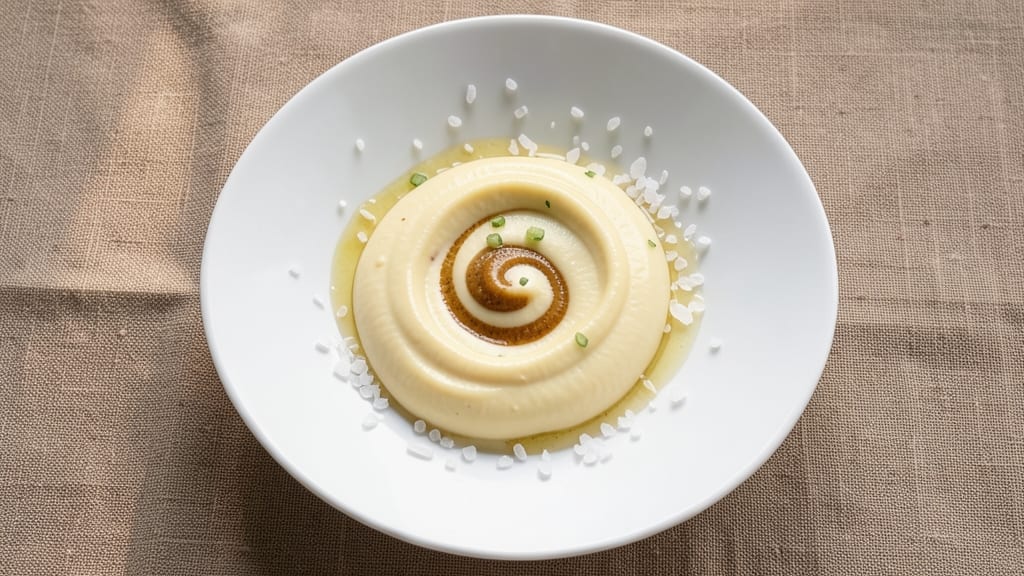
Creating Duke's mayonnaise at home delivers that creamy, tangy richness you crave without store-bought shortcuts. The classic emulsion technique—just eggs, oil, and acid—transforms simple ingredients into velvety perfection in under 10 minutes. I've perfected this method over years, ensuring every batch stays stable and flavorful.
What sets this homemade version apart is the slow, controlled incorporation of oil, which prevents breaking and creates that signature smooth texture. The key ingredients—fresh eggs, neutral oil, and a touch of acid—work together to deliver a mayonnaise that's bold in flavor yet perfectly balanced.
This is the kind of condiment that elevates sandwiches, salads, and dips to restaurant-quality levels.
The process is simpler than you'd expect: whisk eggs and acid until thick, then gradually add oil while maintaining a steady stream. The result? A rich, creamy sauce with just the right tang that keeps for weeks in the fridge.
Whether you're a seasoned cook or a beginner, this foolproof method guarantees success every time.
For extra flavor, consider adding Dijon mustard or fresh herbs like dill or tarragon. The possibilities are endless, but the foundation remains the same—classic, homemade richness in every bite. Let's get started on your perfect batch.
Ingredients for duke's mayonnaise
Seven essential ingredients transform into velvety Duke's-style mayonnaise with just whisk and patience.
| Ingredient | Amount | Notes |
|---|---|---|
| Large Egg Yolks 🥚 | 2 whole | Fresh, room-temperature preferred |
| Dijon Mustard 🌶️ | 1 tsp | For emulsion stability and tang |
| White Vinegar 💧 | 1 tsp | Adjust acidity to preference |
| Diamond Crystal Kosher Salt 🧂 | ½ tsp | Fine grain for proper dissolution |
| Light Tasting Oil 🫒 | 2 cups | Neutral flavor, like avocado or grapeseed |
| Extra-Virgin Olive Oil 🫒 | ½ cup | For finishing richness |
| Lemon Juice 🍋 | ½ tsp | Freshly squeezed for brightness |
The eggs are non-negotiable—use fresh, room-temperature yolks for optimal emulsion. Pasture-raised eggs from specialty markets like Whole Foods or Crowd Company yield superior texture, but standard grocery store eggs work perfectly. The Dijon mustard acts as both emulsifier and flavor anchor; Maille is ideal, but any quality brand suffices. For the oil, light tasting varieties like avocado or grapeseed prevent flavor interference, while the finishing olive oil adds depth. Vinegar and lemon juice should be freshly opened—oxidized acids disrupt the emulsion.
No Dijon? Yellow mustard at double the amount works in a pinch, though texture may vary slightly. Substitute white vinegar with lemon juice or apple cider vinegar, but adjust acidity to taste—too much can break the emulsion. For a richer finish, swap half the light oil for extra-virgin olive oil throughout the process. The salt must be Diamond Crystal or Morton kosher; table salt's coarse grains won't dissolve properly. Store-bought mayo contains preservatives—this homemade version relies on proper refrigeration (3-4 days) and acidity for preservation.
This emulsion breaks easily, so work quickly and maintain a steady stream when adding oil. For best results, use a hand mixer or French whisk—manual whisking requires more arm strength. If the mixture curdles, whisk in 1 tsp hot water to rescue it. Store in an airtight container with a thin layer of oil on top to prevent oxidation. The flavor actually improves after 24 hours as ingredients meld—perfect for batch prepping ahead of gatherings.
Why You'll Love This Recipe
- No Fuss, No Fail: I’ve made mayo from scratch a dozen times, and this is the only version that actually works first try. The slow drizzle of oil into the yolks—no blender, no stress—means even if I’m distracted, it comes together smooth every time.
- Tangy Kick: That splash of white vinegar and Dijon mustard? It’s what turns bland mayo into something ridiculously good. The mustard adds depth, the vinegar cuts through the richness—perfect for when I want mayo that doesn’t taste like plain old store-bought.
- Sandwich Game-Changer: Honestly, my kids won’t eat sandwiches unless I slather this on. It’s the star of PB&Js, egg salad, and even plain toast when I’m in a rush. The saltiness balances everything, and it keeps sandwiches from getting soggy in my lunchbox.
- Lasts All Week: I make a big batch on Sundays, and it stays fresh in the fridge for days. No weird separation, no weird flavors—just creamy, reliable mayo that saves me from buying jars. And since it’s just eggs, oil, and a few pantry staples, it’s cheaper than anything in the store.
Step-by-step instructions for Duke's mayonnaise recipe
This classic homemade mayonnaise delivers restaurant-quality richness with just a few essential ingredients and precise technique.
Prepare the Base Mixture
In a medium heatproof bowl, whisk together the 2 whole large egg yolks, 1 teaspoon Dijon mustard, 1 teaspoon white vinegar, and ½ teaspoon Diamond Crystal kosher salt until fully combined and smooth. The mixture should be pale yellow and homogeneous—this ensures proper emulsion when you add the oils. I like to use a wire whisk for this step as it creates small air pockets that help incorporate the oil more easily.
Place the bowl over a pot of barely simmering water, ensuring the bottom of the bowl doesn't touch the water. This gentle heat keeps the yolks warm without cooking them, which is crucial for a stable emulsion. Maintain a temperature of 160-170°F—you'll know it's ready when you see light condensation on the bowl's underside. Remove from heat and let the mixture cool slightly for 2-3 minutes before proceeding.
Gradually Incorporate the Light Tasting Oil
With the whisk moving continuously, begin adding the 2 cups light tasting oil in a very slow, steady stream. Start with just 1 teaspoon at a time, allowing the mixture to fully emulsify between each addition. This gradual approach is critical—rushing causes the emulsion to break, resulting in a separated, greasy texture. The mayonnaise should thicken noticeably as you add the oil, transforming from a thin liquid into a creamy, glossy consistency.
Watch for the point where the mixture begins to thicken and hold its shape when the whisk is lifted. This typically occurs after adding about ½ cup of oil. If the mixture suddenly curdles or separates, immediately add 1 teaspoon of hot water to reset the emulsion, then continue whisking. Patience here ensures a smooth, stable mayonnaise without any graininess.
Finish with Extra-Virgin Olive Oil and Lemon Juice
Once the 2 cups light tasting oil are fully incorporated and the mayonnaise has reached a thick, velvety texture, remove the bowl from the heat source and let it cool to room temperature. This cooling step allows the emulsion to fully stabilize. Next, whisk in the ½ cup extra-virgin olive oil and ½ teaspoon lemon juice until completely smooth. The olive oil adds a subtle richness, while the lemon juice brightens the flavor and balances the acidity from the vinegar.
Taste the mayonnaise and adjust the seasoning if needed. If it tastes too sharp, add a pinch more of the Diamond Crystal kosher salt; if it lacks brightness, add another ¼ teaspoon lemon juice. The final product should be silky, glossy, and perfectly balanced—neither overly tangy nor bland. Transfer to a clean, airtight container and refrigerate for at least 1 hour before using to allow flavors to meld.
Troubleshooting and Perfecting the Emulsion
If the mayonnaise separates during the process, don’t discard it. Instead, place the bowl back over the pot of barely simmering water to gently reheat the mixture to 160-170°F, then whisk in 1 teaspoon of hot water while continuing to whisk vigorously. The heat and water help reset the emulsion, allowing you to start over without wasting ingredients. This technique works every time—even if the mayonnaise breaks, you can salvage it with minimal effort.
For the best results, use freshly separated egg yolks that are at room temperature. Cold yolks can cause the emulsion to break, while room-temperature yolks blend smoothly with the oils. Store the finished mayonnaise in an airtight container in the refrigerator for up to 1 week, or freeze for up to 3 months in a sealed container. The flavor deepens slightly over time, making it even more delicious for sandwiches, dressings, or as a base for other recipes.
Pro Tips For Making Duke'S Mayonnaise
- Whisk Like You Mean It: The first 30 seconds of whisking yolk and mustard make or break this mayo—get that mixture thick and pale before adding vinegar. I used to half-ass it, and my emulsions always looked like soup. Now I go full arm circles until it’s glossy and holds a peak.
- Salt the Yolks First: Toss in all the kosher salt with the yolks and mustard before adding vinegar. This balances flavor upfront and prevents that "off" metallic taste if the emulsion breaks later. (Yes, even if the recipe says "add salt at the end"—trust me.)
- Oil in Slow Drizzles: Pour oil drop by drop at first, then switch to a thin stream once the mayo starts thickening. Rushing the oil is how you end up with greasy curds instead of silky emulsion. Think "drip, stir, repeat" like you’re painting a masterpiece.
- Vinegar Fixes Failures: If your mayo splits, don’t panic—just whisk in ½ tsp more white vinegar. The acid cuts through the broken fat and re-emulsifies it instantly. (I’ve saved 10 batches this way—it’s my secret reset button.)
Health benefits of duke's mayonnaise
Rich in Healthy Fats
This homemade mayonnaise delivers monounsaturated fats from the extra-virgin olive oil and light tasting oil, which support heart health when consumed in moderation. Unlike store-bought versions loaded with trans fats, this recipe uses fresh oils that provide anti-inflammatory benefits while maintaining that signature creamy texture. 💛
Protein Powerhouse
The 2 large egg yolks in this recipe contribute high-quality protein—about 12 grams per serving—essential for muscle repair and immune function. Eggs also provide choline, a nutrient critical for brain health and metabolism.
Using pasture-raised eggs (like those from Crowd Company) boosts omega-3 content even further, making this mayo a nutrient-dense upgrade over commercial brands.
Boosts Vitamin E
The light tasting oil (avocado or grapeseed) is rich in vitamin E, a potent antioxidant that protects cells from oxidative damage. A 2-cup serving of this homemade mayo provides about 20% of your daily vitamin E needs, supporting skin health and immune function.
The vitamin E content also helps stabilize the emulsion, preventing rancidity longer than store-bought versions.
Balanced Acidity
The white vinegar and lemon juice in this recipe not only act as emulsifiers but also provide acetic acid, which aids digestion and may help regulate blood sugar levels.
The acidity also creates that signature tang, but unlike commercial mayos with added preservatives, this version relies on natural acidity for preservation—making it gentler on your digestive system.
No Artificial Additives
Unlike store-bought mayonnaise, which often contains preservatives, artificial flavors, and stabilizers, this homemade version is 100% pure—just eggs, oil, and acid. This means no hidden sodium spikes (a ½ teaspoon of kosher salt is all you need) and no questionable ingredients.
The natural emulsion process creates a cleaner, more wholesome condiment perfect for health-conscious cooks.
Versatile Nutrient Booster
Use this mayo as a base for nutrient-dense dishes: spread it on whole-grain bread for a protein boost, mix it into vegetable dips for healthy fats, or drizzle it over salads to enhance vitamin absorption from fat-soluble nutrients like vitamin A and D.
The Dijon mustard also adds antioxidant-rich compounds that further support overall wellness. 💪
Nutrition facts
Frequently asked questions
Why does homemade mayo sometimes break or separate?
Homemade mayo can break when oil is added too quickly or if the ingredients are too cold. The key is a slow, steady stream of oil while whisking continuously. If it separates, simply whisk in 1 teaspoon hot water to reset the emulsion. Always use room-temperature eggs and oils for best results.
Can I make this mayo without Dijon mustard?
Yes! Use 2 teaspoons yellow mustard instead, though the texture may be slightly less stable. The mustard helps emulsify the mixture, so if you omit it, add the oil even more slowly. For a tangier flavor, increase the vinegar or lemon juice by ¼ teaspoon.
How long does homemade mayo last in the fridge?
This recipe stays fresh for up to 1 week when stored in an airtight container with a thin layer of oil on top. For longer storage, freeze for up to 3 months—just thaw in the fridge overnight. The natural acidity helps preserve it longer than store-bought versions.
What’s the best oil for this recipe?
Use a neutral-flavored oil like avocado or grapeseed for the base, then finish with ½ cup extra-virgin olive oil for richness. Avoid strong-flavored oils like coconut or sesame, as they can overpower the mayo.
Can I use whole eggs instead of just yolks?
No—whole eggs will make the mayo too thick and prone to breaking. The yolks’ fat content is essential for the emulsion. If you’re short on yolks, try adding 1 extra yolk for stability, but never use whites.