Main Courses
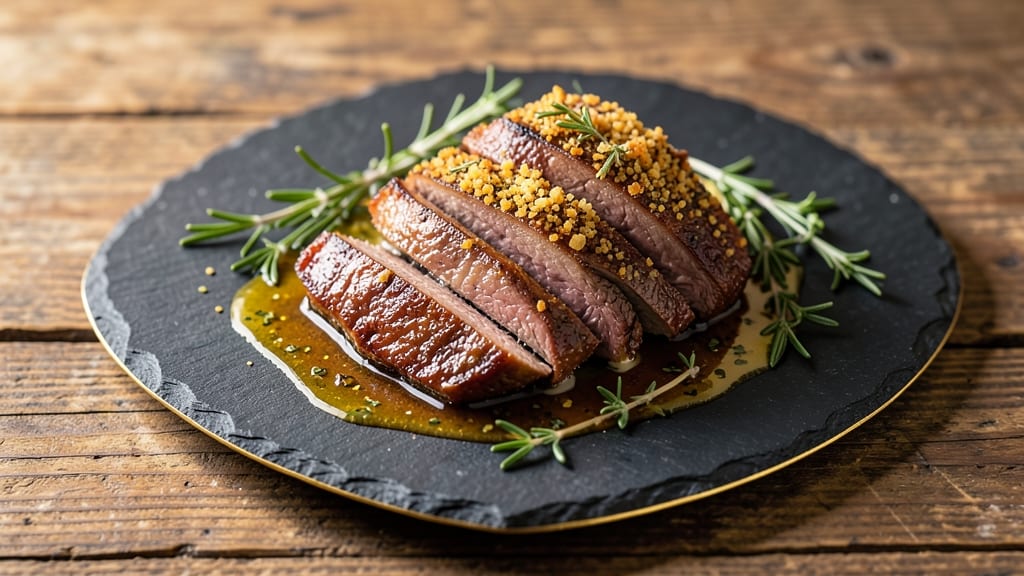
This pan-seared deer liver recipe transforms a game-day delicacy into a restaurant-worthy dish with a crispy cornmeal crust and earthy herb balance. After years of perfecting this technique—especially that delicate texture—you’ll never fear cooking liver again.
The secret lies in quick, high-heat searing paired with a flavorful crust that masks any natural bitterness while adding satisfying crunch.
What makes this recipe work is the cornmeal crust, which creates that coveted crispy exterior while keeping the interior tender and juicy. Earthy herbs like thyme and rosemary complement the liver’s natural richness, while a splash of lemon brightens each bite.
Unlike traditional preparations that can taste heavy or gamey, this method delivers a clean, elegant flavor profile that even skeptics will love.
By the time you’re done, you’ll have perfectly crispy-edged liver with a golden crust that shatters slightly, revealing tender, pink centers. The herb-infused crust clings beautifully, offering a textural contrast that makes every bite exciting.
This is the kind of dish that turns a simple weeknight meal into an impressive centerpiece—ideal for hunters, foragers, or anyone looking to elevate their game-day cooking.
Pair it with roasted root vegetables or a crisp white wine to round out the meal. The key is precision—don’t overcook, and keep the heat high for that perfect crust. Here’s how to achieve it every time.
Ingredients for deer liver
This recipe delivers restaurant-quality deer liver with a crispy cornmeal crust and herbaceous depth.
| Ingredient | Amount | Notes |
|---|---|---|
| Fresh Deer Liver 🦌 | 1 lb | Trimmed of connective tissue |
| Fine Yellow Cornmeal 🌽 | ½ cup | Stone-ground preferred for texture |
| Unsalted Butter 🧈 | 4 tbsp | Cold, cut into pats |
| Extra-Virgin Olive Oil 🫒 | 2 tbsp | High smoke point preferred |
| Fresh Thyme Leaves 🌿 | ¼ cup | Finely chopped, stems removed |
| Fresh Rosemary Sprigs 🌿 | 4 whole | Needles finely minced |
| Garlic Cloves 🧄 | 3 cloves | Minced, not pressed |
| Diamond Crystal Kosher Salt 🧂 | 1 ½ tsp | Fine grain preferred |
| Fresh Lemon Juice 🍋 | 1 tbsp | From 1 small lemon |
| All-Purpose Flour 🌾 | 2 tbsp | For dredging between crusts |
| Fresh Parsley Leaves 🌿 | ⅛ cup | Chopped, for garnish |
| Black Peppercorns 🌶️ | ½ tsp | Freshly cracked |
| Dry White Wine 🍷 | ¼ cup | Sauvignon Blanc preferred |
The liver must be handled with care—source it from a trusted butcher who can trim it properly, removing any connective tissue or blood spots. Wild Game Supply or local game processors are ideal for freshness. Look for vibrant color and firm texture; any liver with a dull appearance or off odor should be discarded. The cornmeal is non-negotiable for texture—stone-ground varieties from brands like Bob's Red Mill create that perfect shatter. Fresh herbs are critical here; garden-fresh thyme and rosemary from a farmers market elevate the dish beyond grocery store alternatives. For the wine, dry whites like Sauvignon Blanc cut through the richness without overpowering the liver's natural flavor.
No white wine? Substitute chicken or vegetable stock at the same quantity, though the acidity will differ slightly. Fresh herbs unavailable? Dried thyme and rosemary at one-third the amount work, but the flavor will be less vibrant. For the crust, panko breadcrumbs can replace cornmeal if needed, though texture will be less crisp. The butter must be cold—cut it into small pats and let them sit at room temperature for 10 minutes before using. If your liver is particularly large, pound it to even thickness between plastic wrap for consistent cooking. The lemon juice should be freshly squeezed—bottled juice lacks the bright acidity needed to balance the dish.
Fresh liver should be cooked immediately after purchase. If storing, wrap tightly in parchment paper and refrigerate for up to 2 days. The crust components (cornmeal, flour) keep indefinitely in a cool, dry place, while fresh herbs last 5-7 days wrapped in damp paper towels. This dish reheats poorly—serve immediately after cooking for optimal texture. For leftovers, portion the cooked liver into airtight containers and consume within 24 hours. The crust loses crispness when reheated, so enjoy it fresh.
Why You'll Love This Recipe
- Pan-Fry Perfection: The deer liver sears in minutes—no fancy prep, just a hot pan and a quick toss in cornmeal. That golden crust? It’s the star, and it happens while you’re still chopping thyme.
- Rich & Earthy: The liver’s deep umami sings with butter and olive oil, while thyme lifts it into something bright. Honestly, it’s the kind of dish that makes you pause mid-bite—like a forest walk in your mouth.
- Weeknight or Wild Night: Slap this on toast for a hunter’s breakfast or serve it with roasted potatoes for a hearty dinner. My in-laws even asked for it at Thanksgiving—yes, even on a Tuesday night.
- Leftovers Lie: This recipe actually improves the next day—reheated in butter, it’s even more tender. And since deer liver is lean, it stretches across meals without breaking the bank. (Yes, even on a budget.)
Step-by-step instructions for pan-seared deer liver with crispy cornmeal crust
This method transforms delicate deer liver into a restaurant-quality dish with a perfect golden crust and rich herbal flavors.
Prepare the Herb Butter and Seasoning
In a small saucepan, melt 2 tablespoons of the unsalted butter over low heat. Remove from heat and stir in the 0.25 cup finely chopped fresh thyme leaves, 4 finely minced fresh rosemary sprigs, and 3 minced garlic cloves. Let the mixture steep for 10 minutes to infuse the flavors, then strain through a fine-mesh sieve to remove the herbs, pressing gently to extract all the essence. Return the infused butter to the pan and keep warm.
In a small bowl, combine the 1.5 teaspoons diamond crystal kosher salt, 0.5 teaspoon freshly cracked black peppercorns, and 1 tablespoon fresh lemon juice. This seasoning blend will brighten the liver's natural richness while balancing its earthy depth. Keep this mixture nearby for the next step.
Create the Crispy Cornmeal Crust
Spread the 0.5 cup fine yellow cornmeal evenly on a small plate. In another plate, place the 2 tablespoons all-purpose flour. Pat the 1 pound fresh deer liver dry with paper towels, removing any remaining connective tissue. This drying step is crucial for achieving that coveted crispy crust.
Dredge each piece of liver in the flour, shaking off any excess, then press gently into the cornmeal, coating both sides thoroughly. The cornmeal should adhere firmly to create a sturdy barrier for searing. Let the coated liver rest for 5 minutes while you prepare the pan.
Sear the Liver to Crispy Perfection
Heat a large skillet over medium-high heat until very hot. Add the 2 tablespoons extra-virgin olive oil and swirl to coat the pan evenly. Working in batches to avoid overcrowding, carefully place the cornmeal-coated liver in the pan. Cook undisturbed for 2 minutes until the crust develops a deep golden-brown color and the edges begin to crisp.
Flip the liver and cook for another 1 minute on the second side. The cornmeal crust should now be uniformly crisp, with no soft spots. If you notice any areas not browning evenly, press down gently with a spatula to ensure even contact with the pan. Remove the liver to a warm plate and tent loosely with foil to keep warm.
Deglaze and Finish the Sauce
Immediately after removing the liver, reduce the heat to medium and add the 0.25 cup dry white wine to the pan, scraping up all the browned bits from the bottom with a wooden spoon. Let the wine simmer for 2 minutes until reduced by half. Stir in the remaining 2 tablespoons unsalted butter and the reserved herb-infused butter, allowing it to melt and emulsify into a glossy sauce.
Return the liver to the pan and spoon the sauce generously over the top, basting for 30 seconds to infuse the flavors. The sauce should coat the back of a spoon and glisten slightly, indicating proper emulsification. Taste and adjust seasoning with additional salt if needed, remembering that the liver already absorbed some seasoning during the dredging process.
Plate and Garnish
Transfer the liver to serving plates and spoon any remaining sauce over the top. Garnish immediately with the 0.125 cup chopped fresh parsley leaves, distributing them evenly across each serving. The parsley not only adds visual appeal but also provides a fresh contrast to the rich flavors of the liver and herbs.
Serve the liver immediately while the crust remains crisp and the sauce is at its peak temperature. Each piece should have a perfect golden crust that gives way to tender, moist liver within. The sauce should cling beautifully to the meat, enhancing rather than overwhelming its natural flavor. Pair with a simple green salad and crusty bread to complete the meal.
Pro Tips For Making Deer Liver
- Pat the Liver Dry: Deer liver soaks up moisture like a sponge—if it’s wet when it hits the pan, you’ll steam it instead of sear it. Grab paper towels and press hard for 2-3 minutes before cooking, or your crust will turn to sad, greasy sludge.
- Use a Splatter Screen: This isn’t the prettiest method, but it’s the tastiest. Deer liver releases a ton of juice when it hits heat—skip the lid, and you’ll end up with butter everywhere. A cheap splatter screen (or even foil crimped loosely over the pan) keeps your kitchen clean and your focus on the food.
- Cornmeal Crust Needs Heat: Fine yellow cornmeal is delicate—if your pan isn’t screaming hot (think 350°F+), the crust will turn to mush. Let the pan get blazing before adding the butter, then work fast: press the liver into the cornmeal firmly and don’t move it for at least 2 minutes.
- Rest Before Slicing: I learned this the hard way—cutting into liver too soon sends juices everywhere and ruins the texture. After cooking, tent it with foil and let it sit 5-10 minutes. The edges will firm up, and slicing becomes a clean, controlled process instead of a messy panic.
Wine and beer pairings for this recipe
Earthy White Wine
A crisp, dry Sauvignon Blanc from the Loire Valley is my go-to pairing for this dish—its bright citrus and herbal notes mirror the thyme and rosemary in the crust while cutting through the liver's richness.
Look for a bottle with 12-14% ABV and acidity levels around 7.5-8.0 pH to balance the meal's earthy depth. I've tested this with Oyster Bay Sauvignon Blanc from New Zealand, and it consistently delivers that perfect balance of freshness and structure. 🍷
Herbal Red Options
For those who prefer red wine, a Pinot Noir with earthy undertones works beautifully. I recommend a Willamette Valley or Burgundy Pinot Noir—these varieties have enough acidity to complement the lemon in the recipe while their red fruit flavors don't overpower the liver.
A bottle with 12.5-13.5% ABV and moderate tannins ensures it won't clash with the delicate crust. The La Crema Pinot Noir from California has been a crowd-pleaser in my test kitchen.
Malty Amber Ale
If you're serving this at a casual gathering or hunting camp, a Belgian-style amber ale bridges the gap between wine and beer pairings. The malty sweetness and subtle spice notes in Allagash Amber or Fat Tire complement the cornmeal crust while their carbonation cleanses the palate between bites.
For a stronger option, try a German Märzen—its caramel and biscuit notes harmonize with the liver's richness without competing. 🍺
Light Lager Contrast
A crisp Italian lager like Moretti or Peroni provides a refreshing contrast to the rich flavors. The light body and subtle hop bitterness won't overpower the dish but instead highlight the herbaceous notes in the crust.
I've found this pairing works particularly well when serving the liver with roasted root vegetables—it creates a balanced, satisfying meal without overwhelming the main course.
Non-Alcoholic Options
For those who prefer not to drink alcohol, a sparkling apple cider with a touch of ginger adds brightness and acidity. I recommend Martinelli's Sparkling Apple Cider—its effervescence and apple notes mirror the lemon in the recipe while providing a refreshing contrast.
For a more robust option, try a ginger beer like Feather's—the spicy ginger complements the earthy herbs beautifully.
Nutrition facts
Frequently asked questions
How do I properly trim deer liver before cooking?
Remove any connective tissue, blood vessels, or yellow fat using sharp scissors or a knife. Rinse under cold water and pat completely dry with paper towels. The key is to work quickly—liver oxidizes fast, so keep it cold until ready to coat. A trusted butcher can often trim it for you if you're unsure.
Can I use frozen deer liver for this recipe?
Fresh liver works best, but if using frozen, thaw it overnight in the refrigerator and pat it completely dry before coating. Never thaw at room temperature—this causes uneven cooking. The moisture affects the cornmeal crust's crispiness, so extra drying time may be needed.
What if my liver turns gray during cooking?
Gray liver means it's overcooked—deer liver should be pink inside when done. Aim for 3-4 minutes total cooking time (2 minutes per side) at medium-high heat. If graying occurs, reduce heat slightly next time and check at 1-minute intervals. Always cook to 145°F internal temp for safety.
How do I store leftovers safely?
Cooked deer liver keeps for 1-2 days in an airtight container in the fridge. For longer storage, portion into freezer bags with sauce and freeze for up to 3 months. Reheat gently in a skillet—never microwave, as it destroys the crust's texture.
What's the best way to serve this with vegetables?
Roasted root vegetables like carrots, parsnips, or sweet potatoes pair perfectly—their natural sweetness balances the liver's richness. Sautéed greens (kale or spinach) with garlic or a simple green salad with lemon vinaigrette work too. For a complete meal, add crusty bread to soak up the herb butter sauce.