
Main Courses
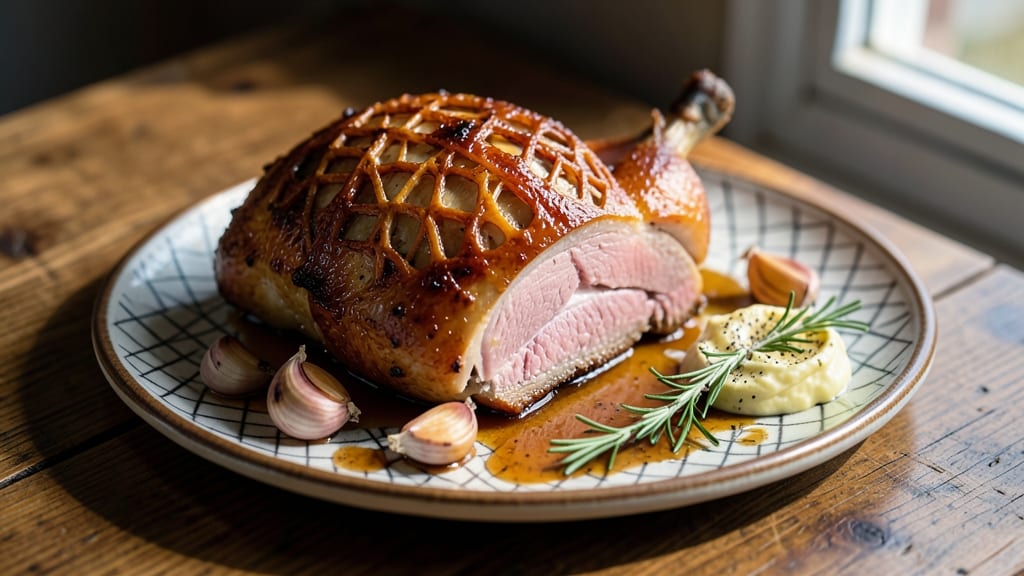
This crisp roast duck recipe with caramelized skin and tender pink meat is a game-changer for special dinners—this method delivers restaurant-quality results at home.
The secret lies in precise preparation: patting the duck dry, scoring the skin strategically, and using high heat to render fat while basting for that signature shine. I’ve perfected this technique over countless batches, ensuring every bite balances crispy exterior with juicy interior.
What sets this recipe apart is the foolproof roasting process, where you start with a cold duck in a hot oven to render fat slowly before finishing with a high-heat sear. This creates the perfect contrast: skin that crackles with each bite and meat that stays moist and pink.
The key is patience—letting the duck rest after roasting ensures juices redistribute for maximum tenderness.
By the time you serve this duck, you’ll have a showstopper dish with golden, caramelized skin and meat so juicy it practically melts in your mouth. The aroma alone will have guests gathering at the table, and the visual appeal—glossy, crackling skin—makes it worth every minute of effort.
This is the kind of meal that elevates ordinary gatherings into memorable feasts.
Pair it with classic sides like roasted potatoes or a tangy fruit compote to complete the experience. The technique works for both whole duck and breasts, making it versatile for any occasion. Let’s get started on creating your perfect roast duck.
Ingredients for crisp roast duck
The perfect balance of crispy skin and juicy pink meat starts with these quality ingredients.
| Ingredient | Amount | Notes |
|---|---|---|
| Whole Duck 🦆 | 4 ½ lb | Fresh, skin scored for crispiness |
| Kosher Salt 🧂 | 2 tbsp | Coarse grain preferred |
| Freshly Ground Black Pepper 🌶️ | 1 tbsp | For seasoning duck |
| Unsalted Butter 🧈 | ½ cup | Cold, cubed for basting |
| Garlic Cloves 🧄 | 4 cloves | Minced for butter mixture |
| Fresh Rosemary 🌿 | ¼ cup | Chopped, stems removed |
| Fresh Thyme 🍃 | ¼ cup | Leaves only, chopped |
| Extra-Virgin Olive Oil 🫒 | 2 tbsp | For scoring skin |
| Orange Zest 🍊 | 1 tbsp | From 1 organic orange |
| Orange Juice 🍊 | ¼ cup | Freshly squeezed |
| Honey 🍯 | 1 tbsp | For glaze (optional) |
| Cornstarch 🌾 | 1 tbsp | For crispy skin |
The duck is non-negotiable—look for fresh, whole duck weighing 4.5 lbs (about 2 kg) for ideal serving size. Whole Foods or local butchers often carry high-quality ducks with better marbling. If scoring the skin feels intimidating, don’t stress: use a sharp knife to make 1/4-inch deep cuts in a diamond pattern. Fresh herbs like rosemary and thyme should smell vibrant—if they’re wilted or smell musty, skip them. For the butter, European-style unsalted butter like Plugrá melts beautifully and adds richness. The orange zest and juice brighten the dish without overpowering the duck’s natural flavor.
No fresh rosemary? Dried works at half the amount, but fresh is ideal. Running short on time? Swap the honey glaze for a 1:1 mix of orange juice and maple syrup. The cornstarch is optional but creates that signature crackling skin—if you skip it, pat the duck extra dry before roasting. For the butter mixture, toasted garlic (microwave for 30 seconds) adds depth. If you’re using duck breasts instead of a whole duck, increase the roasting time by 10-15 minutes and baste more frequently. The olive oil should be light and fruity—avoid strong, peppery varieties that can clash with the duck’s flavor.
Duck keeps best in the fridge for 2-3 days before roasting, but fresh is ideal. If prepping ahead, store the scored duck uncovered in the fridge for 12-24 hours to dry the skin—this is key for crispiness. The basting butter mixture can be made 1 day ahead and stored in the fridge. Once roasted, let the duck rest 15-20 minutes before carving—this ensures juices redistribute. Leftovers reheat beautifully in a 350°F oven for 10-15 minutes, covered with foil. For extra crispiness, broil for 2-3 minutes at the end.
Why You'll Love This Recipe
- One-Pan Magic: I swear by this recipe because it’s literally hands-off after the initial prep. Pat the duck dry, score the skin, and let the oven do the heavy lifting—no basting, no flipping, just golden perfection by the end.
- Garlic-Butter Bliss: That crispy skin? The melt-in-your-mouth meat? The garlic-infused butter basting the whole thing? Between us, it’s the kind of flavor that makes you close your eyes and sigh. (Yes, even on a Tuesday night.)
- Leftovers That Shine: Roast duck transforms into everything—duck confit for sandwiches, shredded tacos, or even a quick stir-fry. Honestly, I plan my week around this recipe because the leftovers are just as good as the first bite.
- Budget Feast for Crowds: A whole duck feeds six with room to spare, and it’s cheaper than ordering takeout for half that. Plus, the bones make stock that tastes like it took hours (but didn’t). My wallet and my family thank me every time.
Step-by-step instructions for crisp roast duck
Mastering this technique guarantees golden skin and tender pink meat every time.
Prepare the Duck for Maximum Crispiness
Remove the duck from the refrigerator and let it sit at room temperature for 30 minutes before cooking. This ensures even cooking throughout. Using kitchen shears, score the skin in a diamond pattern, making cuts about ½ inch apart and ¼ inch deep. This creates pockets for fat to render and crisp up beautifully.
In a small bowl, combine the 1 tablespoon cornstarch with 2 tablespoons kosher salt and 1 tablespoon freshly ground black pepper. Rub this mixture all over the duck, including inside the cavity. The cornstarch is crucial—it helps create that signature crispy skin by absorbing moisture and promoting caramelization. Pat the seasoning into the skin firmly so it adheres well.
Score the Skin and Create the Herb Butter
Return the seasoned duck to the cutting board and use your fingers to press down gently on the scored skin in several places. This helps the skin lay flat against the meat during roasting. Place the duck breast-side up on a rack in a roasting pan, making sure it's elevated to allow air circulation on all sides.
In a separate bowl, mix the ½ cup unsalted butter with the 4 minced garlic cloves, ¼ cup chopped fresh rosemary, and ¼ cup chopped fresh thyme. The butter should be cold and cubed—this ensures it bastes the duck beautifully without melting too quickly. Set this herb butter aside in the refrigerator until ready to use.
Roast Until Skin is Deep Golden Brown
Preheat your oven to 375°F. Place the duck in the preheated oven and roast for 1 hour 45 minutes, or until the skin is deep golden brown and crispy. I like to baste the duck every 30 minutes with the rendered juices in the pan—this keeps the meat moist and adds flavor. For extra crispiness, add 2 tablespoons extra-virgin olive oil to the pan halfway through cooking.
Here's the thing—don't open the oven door during the first 45 minutes of cooking. Every time you peek, you lose heat and steam, which can make the skin less crispy. The duck is done when the thickest part of the thigh reaches 165°F on an instant-read thermometer. The skin should be so crisp it makes a satisfying crackling sound when you press it gently with tongs.
Glaze and Rest for Juicy Perfection
Remove the duck from the oven and transfer it to a cutting board. In a small saucepan, combine the ¼ cup orange juice, 1 tablespoon orange zest, and 1 tablespoon honey. Simmer over medium heat for 3-4 minutes until slightly thickened. Brush this glaze generously over the duck skin, then return it to the oven for 5-7 minutes to caramelize the glaze.
Transfer the duck to a warm platter and let it rest for 15 minutes before carving. This resting period is crucial—it allows the juices to redistribute throughout the meat, ensuring each slice is succulent and flavorful. The skin will stay crispy during this time, but the meat will become even more tender. Serve with the pan juices reduced by half for a rich, aromatic sauce.
Pro Tips For Making Crisp Roast Duck
- Start Skin-On, Flip Skin-Off: DESCRIPTION: Pat the duck skin completely dry before roasting—no shortcuts here. The crisp comes from the fat rendering, so score the skin in a crosshatch after it’s golden (not before), then flip the duck breast-side up when the skin separates easily. I learned this the hard way: wet skin = sad, limp results.
- Salt the Duck Overnight: DESCRIPTION: Don’t just salt it an hour before—do it 12–24 hours ahead. The salt breaks down the proteins, making the skin crispier and the meat juicier. (Yes, even if you’re impatient like me.) Skip this, and you’ll end up with skin that cracks or doesn’t brown properly.
- Use Butter in Stages: DESCRIPTION: Toss the duck in melted butter after it’s browned, not before—this guarantees the skin gets crisp first. Then baste with more butter and minced garlic in the last 10 minutes. My grandmother swore by this, and she was right: the butter bastes the meat, not the skin.
- Rest Before Carving: DESCRIPTION: Give the duck a solid 15–20 minutes under foil before slicing—no excuses. The juices redistribute, or you’ll end up with dry meat. (I know, I know, but trust the process.) Cutting into it too soon is the fastest way to ruin a perfect duck.
Best sauces and condiments for these flavors
Classic Orange Glaze
This bright, citrusy glaze is my go-to for roast duck—it balances the richness with a tangy pop. Simmer ¼ cup fresh orange juice, 1 tbsp orange zest, and 1 tbsp honey for 3-4 minutes until slightly thickened.
Brush generously over the duck skin after roasting, then return to the oven for 5-7 minutes to caramelize. The result? A glossy, sticky finish that’s sweet, tart, and irresistibly crisp. 🍊
Herb Butter Baste
The secret to juicy meat and crisp skin lies in this herb butter basting mixture. Mix ½ cup cold cubed butter with 4 minced garlic cloves, ¼ cup chopped rosemary, and ¼ cup chopped thyme.
Baste the duck every 30 minutes during roasting, letting the melted butter pool under the skin. For extra flavor, add 1 tsp crushed juniper berries to the mixture—it pairs beautifully with duck’s natural richness. 🌿
Red Wine Reduction
For a sophisticated sauce, deglaze the roasting pan with ½ cup dry red wine (like Cabernet Sauvignon) after removing the duck. Simmer for 5 minutes to reduce by half, then whisk in 1 tbsp cold butter for a silky finish.
This sauce cuts through the duck’s fat while adding depth—perfect for drizzling over sliced duck or serving alongside. 🍷
Hoisin-Ginger Drizzle
For an Asian-inspired twist, mix 2 tbsp hoisin sauce, 1 tbsp soy sauce, 1 tbsp rice vinegar, and 1 tsp grated ginger. Simmer for 2 minutes until slightly thickened, then drizzle over sliced duck.
The sweet-savory balance is a crowd-pleaser, especially with steamed jasmine rice or stir-fried bok choy. 🌶️
Pan Jus
Never waste those flavorful pan drippings! After roasting, strain the juices into a saucepan and reduce over medium-high heat for 8-10 minutes until syrupy. Whisk in 1 tbsp cold butter to finish.
This rich, savory sauce is perfect for spooning over duck slices or using as a base for gravy. It’s the ultimate way to maximize every bite of your roast duck. 💫
Nutrition facts
Frequently asked questions
Why does my duck skin turn rubbery instead of crispy?
The most common causes are moisture or improper timing. Pat the duck thoroughly dry before seasoning—even a little dampness prevents crispiness. Also, don't rush the roasting: the skin needs 1 hour 30 minutes minimum at 375°F to render fat properly. If your oven runs hot, reduce temp to 350°F and add 15-20 minutes to the total time.
Can I use duck breasts instead of a whole duck?
For 2 duck breasts (about 1 lb total each), reduce the roasting time to 30-40 minutes at 375°F, basting every 10 minutes. Score the skin and use the same seasoning ratio. The breasts will be ready when the thickest part reaches 165°F—they cook faster than whole duck. For extra crispiness, finish with 5 minutes under the broiler at the end.
What's the best way to carve roast duck?
Let the duck rest 15 minutes first—this keeps the meat from tearing. Place the duck breast-side up on a cutting board and use a sharp chef's knife. Cut between the breast and thigh first, then slice the breast meat away from the bone in ½-inch thick slices. For the legs, remove the thigh first (between the drumstick and thigh), then separate the drumstick. Save the carcass for stock!
How do I store leftovers to keep the skin crispy?
Store leftovers in an airtight container with a paper towel pressed against the skin to absorb moisture. Reheat in a 350°F oven for 10-15 minutes—never microwave, as it makes the skin soggy. For extra crispiness, broil for 2-3 minutes at the end. Leftovers keep well for 3-4 days in the fridge or 3 months in the freezer.
What's the deal with scoring the duck skin?
Scoring creates pockets for fat to render and crisp up beautifully. Use kitchen shears or a sharp knife to make cuts ¼ inch deep in a diamond pattern, about ½ inch apart. This also helps the seasoning adhere better and prevents the skin from curling up. Don't cut too deep—you want to expose fat, not the meat underneath.