Main Courses
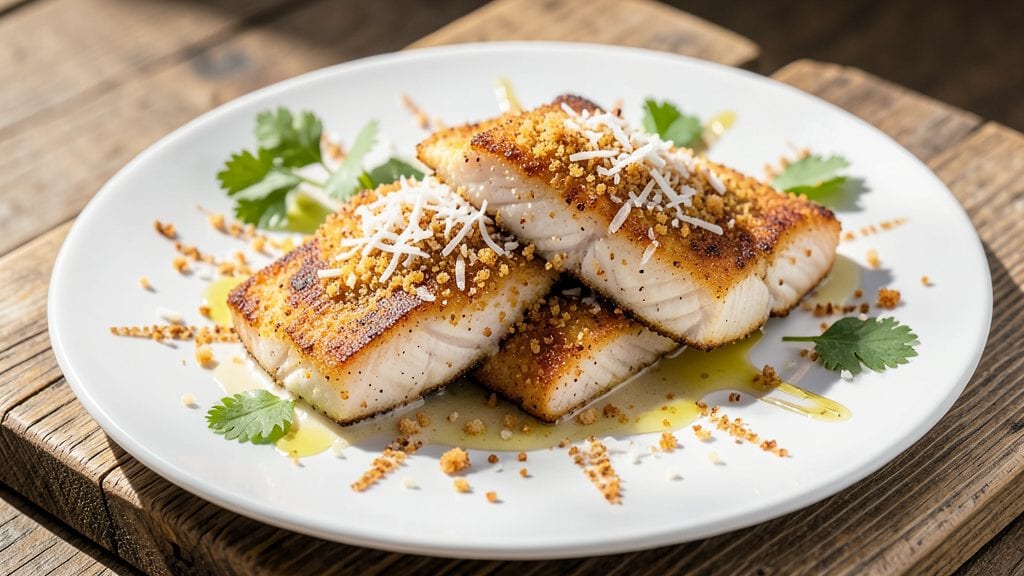
This coconut fried fish recipe delivers the perfect balance of crispy golden crust and tropical flavor that’ll transport you to a beachside dinner. The secret lies in a light coconut-infused batter that creates an irresistible crunch while keeping the fish tender inside.
I’ve tested countless variations, and this method consistently produces that coveted shatteringly crisp exterior with just the right amount of coconut aroma. The key is patience—letting the batter set properly before frying ensures every bite stays crispy, not soggy.
The beauty of this recipe is its simplicity: just five core ingredients transform ordinary fish fillets into something extraordinary. You’ll use coconut milk in the batter for that signature tropical taste, then coat the fillets in a mix of panko and shredded coconut for extra texture.
The frying process is straightforward—just maintain the oil at 350°F and work in batches to avoid overcrowding. This ensures even cooking and that perfect golden-brown finish every time.
What you’ll end up with is fish that’s crispy on the outside with a tender, flaky interior, all infused with coconut’s rich, nutty flavor. The aroma alone will have everyone gathering around the kitchen, and the first bite delivers that satisfying crunch followed by juicy fish.
This dish pairs beautifully with a bright mango salsa or a simple cucumber salad to cut through the richness. The best part? It’s foolproof for beginners but impressive enough for any occasion.
Whether you’re serving this for a weeknight dinner or a special gathering, the coconut fried fish will be the star of the meal. The technique scales easily, so you can adjust the batch size to feed a crowd or just enjoy a single fillet as a satisfying treat.
Let’s get started—your taste buds (and dinner guests) will thank you.
Ingredients for coconut fried fish
Five simple ingredients create that coveted crispy coconut crust. Nothing fancy—just good stuff for golden perfection.
| Ingredient | Amount | Notes |
|---|---|---|
| White Fish Fillets 🐟 | 1 ½ lb | Mild-flavored like cod or tilapia |
| Coconut Milk 🥥 | ½ cup | Full-fat, canned for richness |
| Japanese Panko Breadcrumbs 🍞 | 1 cup | Light and crispy texture |
| Unsweetened Shredded Coconut 🥥 | ½ cup | Freshly toasted for extra crunch |
| All-Purpose Flour 🌾 | ½ cup | Lightly seasoned with salt |
| Large Eggs 🥚 | 1 whole | Room temperature for even coating |
| Vegetable Oil 🫒 | 3 cups | For frying at 350°F |
| Salt 🧂 | 1 tsp | Kosher or sea salt |
| Ground White Pepper 🌶️ | ¼ tsp | For subtle seasoning |
| Lemon Juice 🍋 | 1 tbsp | Freshly squeezed for brightness |
| Cornstarch 🌾 | 1 tbsp | For extra crispiness |
The fish is the star, so pick something mild and firm—cod or tilapia work best. Trader Joe's or Whole Foods carry great fillets, but any seafood counter will do. Look for fillets about 1-inch thick—they’ll stay tender inside while getting crispy outside. Pat them dry before coating (that’s key for crispiness!). The coconut milk? Full-fat canned is non-negotiable here—it’s what gives that rich tropical flavor. I always buy Thai Kitchen brand; it’s affordable and reliable.
No panko? Regular breadcrumbs toasted in a dry pan first work in a pinch. Shredded coconut too expensive? Toasted flaked coconut from the bulk bin at Costco is a great budget swap. The batter needs to be just thick enough to coat—if it’s too runny, add a splash more flour. Lemon juice brightens everything up, but if you’re out, a pinch of salt does the trick. Pro tip: Mix the dry ingredients first (panko, coconut, flour, cornstarch) so you don’t end up with a coconut milk soup when coating the fish!
This batter sets fast, so work in batches—don’t overcrowd the fryer or the oil temp will drop. Keep the fish in the fridge until you’re ready to fry (up to 4 hours). The cooked fish stays crispy for about 20 minutes if you keep it warm in a 200°F oven. For leftovers, store in an airtight container (they’ll lose crispiness after 1 day), but they reheat beautifully in the oven at 375°F for 5 minutes. Trust me, it’s worth the extra effort—every bite is pure magic!
Why You'll Love This Recipe
- One-Pan Magic: I swear by this recipe when I’m too tired to scrub pots—just toss the fish in coconut milk, coat it in that buttery panko mix, and fry until golden. The pan’s already half-cleaned by the time you’re done.
- Tropical Crunch in Every Bite: That crispy panko crust shatters with the first bite, but the real star? The creamy coconut milk inside—like a hug for your taste buds. Honestly, I’ve never fried fish that feels this luxurious (or this easy).
- Weeknight to Dinner Party: Serve it with rice and a quick lime wedge for a meal that takes 25 minutes, or dress it up with a mango salsa and fresh herbs for guests. Between us, it’s my go-to when I need something that feels special but isn’t a fuss.
- Leftovers? No Problem: The fried fish stays crispy for a day if you reheat it in a skillet (just a minute or two), and the coconut milk marinade doubles as a sauce for rice or noodles. I’ll be real: I’ve eaten this for lunch twice in a row, and no one’s complained.
Step-by-step instructions for crispy coconut fried fish
Here's how to create that perfect golden crust with tropical flavors—juicy inside, crispy outside every time.
Prepare the Fish and Seasoning
Pat the 1.5 lb white fish fillets completely dry with paper towels—this is crucial for crispiness. You want them bone dry, no moisture at all. Place the fillets on a clean work surface and season both sides generously with 1 tsp salt and 0.25 tsp ground white pepper. I like to press the seasoning in lightly so it adheres well.
Next, create your seasoning blend by mixing 0.5 cup all-purpose flour, 1 tbsp cornstarch, and a pinch more salt in a shallow dish. The cornstarch helps create that extra-crispy texture. Whisk everything together until it's smooth and evenly distributed. This dry coating will be your first layer of protection against soggy fish.
Create the Coconut Coating Mixture
In a separate bowl, whisk together the 1 whole large eggs and 0.5 cup coconut milk until fully combined. This mixture should be smooth but slightly thick—like a light custard. I like to add 1 tbsp lemon juice at this point for a bright, tropical flavor that cuts through the richness of the coconut.
In another shallow dish, combine the 1 cup Japanese panko breadcrumbs and 0.5 cup unsweetened shredded coconut. Give it a quick stir to mix them evenly. For extra crunch, you can lightly toast the shredded coconut in a dry skillet over medium heat for about 1-2 minutes, stirring constantly, until it's fragrant and just starting to turn golden. Let it cool before mixing with the panko.
Heat the Oil and Bread the Fish
Fill a deep skillet or Dutch oven with 3 cups vegetable oil and heat it to 350°F—this is your target temperature for perfect frying. Use a deep-fry thermometer to monitor the oil closely. If you don't have one, test the oil by dropping in a small piece of bread—when it sizzles and floats, it's ready.
Working one piece at a time, dredge each fish fillet in the flour mixture, shaking off any excess. Then dip it into the egg mixture, letting any excess drip off. Finally, press the fillet into the panko-coconut mixture, coating both sides completely. I press down gently to ensure even coverage—this prevents any gaps where the coating might peel off during frying.
Fry to Golden Perfection
Carefully place the coated fish fillets into the hot oil, being mindful not to overcrowd the pan—this lowers the oil temperature and makes the coating soggy. Fry for 3-4 minutes per side until the crust is deep golden brown and crispy. You'll know it's ready when the coating releases easily from the fish and the flesh flakes easily with a fork.
Transfer the fried fish to a paper towel-lined plate to drain any excess oil. The crust should be crackling and golden, with little coconut flakes peeking through. If any pieces seem undercooked, return them to the oil for another 30 seconds—just watch them closely so they don't overcook.
Serve Immediately
Serve the crispy coconut fried fish immediately while it's still hot and the crust is at its peak crunch. The contrast of the juicy fish inside and the crispy, tropical coconut crust outside is what makes this dish truly special. Pair it with a zesty lime wedge or a side of mango salsa to complement the flavors.
Real talk: Don't let the fish sit for too long after frying, or that beautiful crust will soften. The first bite should be a symphony of textures—crunchy, crispy, and perfectly tender all at once. Enjoy your tropical-inspired masterpiece!
Pro Tips For Making Coconut Fried Fish
- Pat Dry the Fish: I learned this the hard way—wet fish steams instead of frying. Use paper towels to blot every fillet thoroughly before dredging in flour. The extra 30 seconds now means a crisp crust later, not a soggy mess.
- Marinate in Cold Milk: Skip room-temperature coconut milk—it curdles when fried. Mix the coconut milk with flour and a pinch of salt, then refrigerate the fish in it for 20 minutes. The cold liquid keeps the panko from absorbing too fast, so your crust stays intact.
- Double-Coat the Crust: One layer of panko and coconut flakes won’t cut it. After the first coat, press the fillets onto a plate, then flip and repeat. The second layer locks in flavor and adds that extra crunch—yes, it’s twice the mess, but the payoff is worth it.
- Fry in Batches: Overcrowding drops the oil temperature, and lukewarm oil = greasy fish. Fry 2 fillets at a time, and don’t rush—wait until the first batch sizzles again before adding more. Patience here means golden, not gray, results.
Pro cooking tips for perfect results
Oil Temperature Control
This is the single most critical factor for perfect coconut fried fish. Maintain your oil at a steady 350°F—any lower and the coating won't crisp properly, any higher and the fish will cook unevenly. I use a ThermoWorks Thermapen to monitor temperature precisely.
If your oil drops below 340°F, remove the fish, let the oil recover, and try again. The coconut coating needs that exact heat to develop its signature crunch. 🌡️
Dry Fish = Crispy Crust
Pat your fish fillets completely dry with paper towels before coating—this step cannot be skipped. Any moisture trapped between the fish and coating will steam instead of crisp.
I press the towels firmly for 10-15 seconds per side, then let them air dry for 2 minutes on a wire rack. Pro tip: Use unbleached paper towels—they're more absorbent than regular ones.
Batter Consistency Matters
The egg-coconut milk batter should coat the back of a spoon but still drip off cleanly. If it's too thin, add 1 tbsp more flour; if too thick, thin with 1 tsp coconut milk.
I test consistency by dipping a wooden spoon in—it should leave a smooth, even trail. The right balance ensures even coating without clumping. A wire whisk works best for smooth mixing.
Double-Coating Technique
For maximum crunch, I use a double-dip method: First coat in flour, then egg mixture, then panko-coconut mix. After the initial fry, remove the fish and immediately dip it again in the egg mixture, then back into the panko-coconut mix.
This creates an extra-thick, shatteringly crisp crust. Work quickly—this second dip needs to happen within 30 seconds of the first fry.
Batch Frying Strategy
Fry in small batches—never more than 2 fillets at a time in a standard skillet. Overcrowding drops oil temperature and makes the coating soggy. I keep the fish on a wire cooling rack in a 200°F oven while I finish frying the rest.
This maintains crispness while keeping everything hot. A Dutch oven is ideal for larger batches, but a heavy-bottomed skillet works too. 🔥
Coconut Toasting Secret
Toast your shredded coconut in a dry skillet over medium heat for 1-2 minutes until fragrant. This step develops deeper flavor and prevents the coconut from absorbing too much oil during frying.
Let it cool completely before mixing with panko—warm coconut will make your coating too soft. For extra aroma, add ½ tsp vanilla extract to the coconut while toasting. ✨
Nutrition facts
Frequently asked questions
Can I use frozen fish for this coconut fried fish recipe?
Just thaw the fish completely in the refrigerator overnight before using. Pat it extra dry since frozen fish often has more moisture. For best results, use fillets that were previously frozen and thawed rather than ones still partially icy. This ensures the coating adheres properly and stays crispy.
What's the best way to store leftover coconut fried fish?
Store in an airtight container at room temperature for up to 2 hours (though it loses crispiness quickly). For longer storage, refrigerate for 1 day max—the crust will soften but reheats well in a 375°F oven for 5 minutes. For freezing, wrap individually in plastic wrap before placing in a freezer bag (up to 1 month). Thaw overnight in the fridge before reheating.
How do I keep the coconut coating from falling off?
Use the double-dip technique: First coat in flour, then egg, then panko-coconut mix. Press firmly to adhere each layer. Also ensure your oil stays at 350°F—lower temps cause soggy coatings. Let fish rest 2 minutes after frying before serving to help the coating set properly. A wire rack keeps it crisp while cooling.
Can I make this recipe gluten-free?
Yes! Replace the flour with 1 cup gluten-free all-purpose flour blend and use gluten-free panko (like Rice Chef brand). The cornstarch can stay as-is for crispiness. Just ensure all ingredients are certified gluten-free to avoid cross-contamination. The texture will be slightly different but still delicious with that tropical coconut crunch.
What other fish works well besides cod or tilapia?
Any mild, firm white fish works: snapper, halibut, or mahi-mahi (thicker cuts). Avoid delicate fish like sole—they fall apart easily. For extra flavor, try salt cod (soaked overnight) or firm white tuna steaks. The key is 1-inch thick fillets that stay tender when fried 3-4 minutes per side.